Rewilding Wellness

Rewilding Wellness

Rewilding Wellness: A Restorative Escape at Louma Country Hotel in Dorset

Introduction: Where Wellness Meets Wilderness

In a world of fast-paced travel and curated luxury, a new kind of retreat is emerging—one that blends wellness, sustainability, and wild nature. Welcome to Louma Country Hotel in Dorset, a sanctuary on England’s Jurassic Coast where rewilding isn’t just a conservation strategy—it’s a way of life.

Louma is more than a hotel. It’s a regenerative ecosystem, a vineyard, a farm, and a community. In this blog, we’ll explore how Louma is redefining wellness travel through its holistic approach to food, nature, and human connection.


1. What Is Rewilding—and Why It Matters in Hospitality

Rewilding is the process of restoring natural ecosystems by letting nature take the lead. In travel, it means:

  • Creating biodiverse landscapes
  • Reducing human interference
  • Encouraging native flora and fauna
  • Designing spaces that harmonize with the land

At Louma, rewilding is woven into every detail—from the architecture to the menus to the morning walks with pigs and sheep.


2. The Story Behind Louma: From Family Farm to Wellness Haven

Louis and Emma Steyn bought Spence Farm in West Dorset with the intention of building a family home and rewilding the land. But as they uncovered the potential of the property, they transformed it into Louma Country Hotel—a £28.5 million investment in sustainable luxury.

Their vision combines:

  • South African hospitality (Louis is part of the Saxon Hotel dynasty)
  • British countryside charm (Emma grew up in Chichester)
  • Regenerative farming and wellness

The result is a retreat that feels both global and grounded.


3. The Setting: Marshwood Vale and the Jurassic Coast

Louma is nestled in Marshwood Vale, a lush valley framed by rolling hills, woodlands, and a silver skein of sea. The location offers:

  • Proximity to Lyme Regis and Bridport
  • Access to fossil-rich beaches and dramatic cliffs
  • A tranquil environment for hiking, horse trekking, and yoga

It’s a place where nature is not just a backdrop—it’s the main character.


4. The Rooms: Design Meets Comfort

Louma offers 17 rooms across the main house and outbuildings, each designed with intention:

Main House Rooms

  • Eaved ceilings
  • Egg-shaped bathtubs with sea views
  • Lemon and cream palettes
  • Curved stairwells and curated bookshelves

Timber Stables

  • Wood-burning stoves
  • King and super-king beds
  • Hot tubs and private terraces

Shepherd’s Huts

  • Cozy, compact, and romantic
  • Stocked with homemade biscuits and propolis-dusted chocolates

Each room is a blend of rustic elegance and thoughtful detail.


5. The Food: Farm-to-Fork Philosophy

Louma’s culinary ethos is led by ex-River Cottage chef John Long, who champions seasonal, local, and regenerative ingredients.

Dining Spaces

  • Main House Restaurant: Refined yet relaxed
  • Main Barn: Vaulted ceilings, firepit, and sunlight
  • Outdoor Vineyard Tables: Alfresco lunches and tastings

Sample Menus

  • Pesto-dressed quinoa and tabbouleh
  • Cheeseboards and gluten-free bakes
  • Hake with garden vegetables
  • Farm beef and fresh lamb
  • Homemade cheesecakes and tarts

Louma also produces its own wines—two sparkling and three still—crafted from its 30-acre vineyard.


6. The Wellness Barn: A Sanctuary of Calm

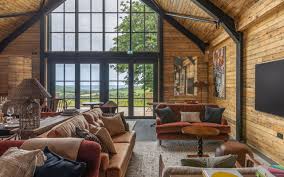
Designed by ex-dancer Björn Lönngren, the Wellness Barn is a timber-clad haven with:

  • Indoor and outdoor pools
  • Wraparound balcony
  • Floor-to-ceiling windows
  • Spa treatments in shepherd’s huts

Yoga sessions with Pip Scammell and holistic therapies by Wildsmith create a deeply restorative experience.


7. The Animals: Reconnecting with Nature

Louma’s farm is home to:

  • Oxford Sandy and Black pigs
  • Poll Dorset sheep
  • Glossy horses
  • Unusual chickens (cream crested legbars, bluebells, silkies)

Guests are encouraged to interact with the animals, join feeding sessions, and learn about regenerative farming.


8. Activities and Experiences

Louma offers a curated selection of experiences that blend wellness, nature, and creativity:

Horse Trekking

  • Led by the Sandford family
  • Woodland hacks through Marshwood Vale
  • Sheepdog companions

Farm Walks

  • Guided by head of farming Rachel Hayball
  • Meet newborn lambs and calves
  • Learn about soil health and crop rotation

Yoga and Meditation

  • Gentle sessions in nature
  • Breathwork and mindfulness

Wine Tastings and Cellar Tours

  • Led by in-house viticulturist Jonathan Atkin
  • Explore the vines and sample small-batch wines

9. Sustainability at Louma: Beyond Greenwashing

Louma’s commitment to sustainability includes:

  • Rewilded landscapes and native planting
  • Organic farming and composting
  • Low-impact architecture and materials
  • Local sourcing and community partnerships

It’s not just eco-friendly—it’s regenerative.


10. The Community: A New Model of Hospitality

Louma is more than a hotel—it’s a community. The Steyns have built relationships with:

  • Local artisans and carpenters
  • Whittlers and furniture makers
  • Farmers and foragers

Guests are invited to participate in workshops, tastings, and conversations that foster connection and learning.


11. Seasonal Highlights: When to Visit Louma

Spring (March–May)

  • Wildflowers and lambing season
  • Vineyard pruning and planting

Summer (June–August)

  • Outdoor yoga and swimming
  • Vineyard lunches and sunset walks

Autumn (September–November)

  • Harvest season and wine tastings
  • Cozy fires and golden foliage

Winter (December–February)

  • Spa retreats and quiet reflection
  • Hot tubs and hearty meals

Each season offers a unique flavor of Louma life.


12. Guest Reflections: Voices from Louma

Sophie, 36, London

“Louma felt like a retreat and a reunion—with nature, with myself. I left feeling nourished in every way.”

Daniel, 42, Bristol

“The food was incredible, but it was the pigs and the vineyard walks that made it unforgettable.”

Amira, 29, Manchester

“I came for the yoga and stayed for the community. Louma is a place where you feel seen and held.”


13. Booking and Practical Tips

Rates

  • Doubles from £470 per night (full board, including some activities)

Booking Tips

  • Book early for peak seasons
  • Ask about private experiences and spa packages
  • Consider staying midweek for quieter vibes

Getting There

  • Closest towns: Lyme Regis and Bridport
  • Accessible by train to Axminster, then taxi or car

Conclusion: A New Kind of Luxury

Louma Country Hotel is not about excess—it’s about essence. It’s a place where luxury is measured in fresh air, meaningful meals, and the laughter of children feeding lambs. It’s where wellness is not a product, but a practice.

In a world that often feels disconnected, Louma offers reconnection—to land, to people, and to self. It’s not just a destination—it’s a philosophy.

So if you’re seeking a retreat that heals, inspires, and rewilds, Louma is waiting.

Plus de cette catégorie

Rythmes durables

Rythmes durables

Music festivals have long been synonymous with escape—an immersive blend of sound, culture, and community. But in 2025, they’re becoming something more: a platform for sustainable travel, cultural exchange, and social progress. From Uganda’s Nyege Nyege to Portugal’s Afro Nation, festivals are reshaping how we move through the world.

lire plus
Rythmes durables

Rythmes durables

Music festivals have long been synonymous with escape—an immersive blend of sound, culture, and community. But in 2025, they’re becoming something more: a platform for sustainable travel, cultural exchange, and social progress. From Uganda’s Nyege Nyege to Portugal’s Afro Nation, festivals are reshaping how we move through the world.

lire plus
Rythmes durables

Rythmes durables

Music festivals have long been synonymous with escape—an immersive blend of sound, culture, and community. But in 2025, they’re becoming something more: a platform for sustainable travel, cultural exchange, and social progress. From Uganda’s Nyege Nyege to Portugal’s Afro Nation, festivals are reshaping how we move through the world.

lire plus

Commentaires

Notre lettre d'information
Guide du luxe lent

Guide du luxe lent

The Art of Villa Living in Tuscany and Umbria: A Guide to Slow Luxury

Introduction: Where Time Slows and Beauty Deepens

Imagine waking up to the sound of birdsong, the scent of lavender drifting through open windows, and the golden light of the Italian countryside spilling across terracotta tiles. This is villa life in Tuscany and Umbria—where luxury is not about opulence, but about space, silence, and soul.

In 2025, villa rentals in central Italy are more than a trend—they’re a lifestyle. This blog explores how villas in Tuscany and Umbria offer travelers a chance to reconnect with nature, heritage, and themselves. Whether you’re planning a romantic escape, a family retreat, or a creative sabbatical, villa living is your gateway to slow luxury.


1. Why Villas? The Philosophy Behind the Stay

Villas are not just accommodations—they’re experiences. Unlike hotels, they offer:

  • Privacy: No shared lobbies or noisy neighbors
  • Space: Gardens, kitchens, pools, and panoramic views
  • Authenticity: Historic architecture and local materials
  • Freedom: Cook your own meals, set your own schedule

Villa living encourages a slower pace, deeper connection, and more meaningful travel.


2. Tuscany vs. Umbria: Choosing Your Region

Tuscany: The Classic Dream

Known for its rolling hills, vineyards, and Renaissance towns, Tuscany is ideal for:

  • Wine lovers (Chianti, Montepulciano)
  • Art and architecture enthusiasts (Florence, Siena)
  • Culinary explorers (truffle hunting, olive oil tastings)

Umbria: The Quiet Sister

Often overlooked, Umbria offers a more rustic, spiritual experience:

  • Medieval villages (Spello, Bevagna)
  • Sacred sites (Assisi, Norcia)
  • Forests, lakes, and fewer tourists

Both regions offer stunning villas—but your choice depends on your mood and mission.


3. Featured Villas: Where to Stay in Style

Villa Molinella, Umbria

  • Location: Tenuta di Murlo estate, near Perugia
  • Vibe: Romantic, secluded, forested
  • Faits marquants : Glass trapdoor revealing a hidden thermal pool, private sauna, speech-bubble-shaped pool

This restored water mill is perfect for couples seeking intimacy and nature.


Pieve di Ponsano, Tuscany

  • Location: Val d’Elsa hills
  • Vibe: Monastic minimalism meets design gallery
  • Faits marquants : Medieval well turned wine cellar, wabi-sabi interiors, holistic massage space

Ideal for creatives, thinkers, and design lovers.


Villa Thesan & Villa Usil, Tuscany

  • Location: Castello di Casole, Belmond estate
  • Vibe: Classic Tuscan elegance
  • Faits marquants : Outdoor kitchens, wood-fired ovens, spa access, truffle hunting experiences

Perfect for families or groups seeking comfort and culture.


Villa Cacciarella, Monte Argentario

  • Location: Coastal cliffs of Tuscany
  • Vibe: 1970s nostalgia meets seaside glamour
  • Faits marquants : Marble kitchen, cocktail grotto, bamboo beds

Great for stylish travelers who love vintage charm and ocean views.


Piantaverna, Umbria

  • Location: Reschio estate
  • Vibe: Curated wilderness
  • Faits marquants : Peach-shaped pool, antique workshop, Spanish purebred horses

A dream for nature lovers and aesthetes.


4. What to Do in and Around Your Villa

A. Culinary Adventures

  • Hire a private chef for a farm-to-table dinner
  • Join pasta-making classes with local nonnas
  • Visit nearby markets for fresh produce, cheese, and wine

B. Wellness and Rewilding

  • Practice yoga in olive groves
  • Book massages in outdoor pavilions
  • Swim in natural pools or thermal springs

C. Cultural Immersion

  • Explore nearby towns and churches
  • Attend local festivals and concerts
  • Visit museums, galleries, and artisan workshops

D. Outdoor Escapes

  • Hike through vineyards and forests
  • Cycle along country roads
  • Go horseback riding or hot-air ballooning

5. Designing Your Villa Stay: Tips for Travelers

A. Book Early

Popular villas fill up months in advance, especially in spring and autumn.

B. Choose Based on Purpose

  • Romance: Secluded, scenic villas like Molinella
  • Family: Spacious estates with pools and kitchens
  • Creative Retreat: Quiet, inspiring spaces like Pieve di Ponsano

C. Consider Services

Many villas offer:

  • Daily housekeeping
  • Grocery delivery
  • Private chefs
  • Local guides

Ask what’s included before booking.

D. Embrace the Slow Life

Don’t over-schedule. Leave space for:

  • Long lunches
  • Afternoon naps
  • Sunset walks
  • Stargazing

Villa life is about presence, not productivity.


6. The Architecture of Emotion: Why Villas Feel Different

Italian villas are built with soul. Their materials—stone, wood, terracotta—carry centuries of stories. Their layouts encourage flow, light, and connection.

Design Elements to Look For:

  • Vaulted ceilings
  • Exposed beams
  • Hand-painted tiles
  • Antique furniture
  • Outdoor living spaces

These elements create a sense of timelessness and tranquility.


7. Voices from the Villas: Guest Reflections

Elena, 38, Milan

“At Villa Molinella, I felt like I was living in a fairytale. The hidden pool was magical, and the silence was healing.”

James, 45, London

“Pieve di Ponsano was like staying in a museum curated just for me. I wrote more in one week than I had in a year.”

Lucia, 52, New York

“Villa Thesan gave our family the perfect balance of luxury and authenticity. We cooked, laughed, and reconnected.”


8. Sustainability and Villas: A Natural Match

Many villa estates are embracing eco-conscious practices:

  • Solar panels and geothermal heating
  • Organic gardens and composting
  • Local sourcing and low-impact design

Staying in a villa often means supporting small communities and preserving heritage.


9. When to Go: Seasonal Villa Living

Printemps (avril-mai) :

  • Wildflowers, mild weather, fewer tourists

Summer (June–August):

  • Warm nights, poolside living, festivals

Automne (septembre-octobre) :

  • Harvest season, golden light, wine tours

Winter (November–March):

  • Cozy fires, truffle season, off-season rates

Each season offers a different flavor of villa life.


10. How to Book: Trusted Platforms and Tips

Recommended Platforms:

  • Tuscany Now & More
  • The Thinking Traveller
  • Belmond Villas
  • Murlo Estate
  • Reschio Estate

Booking Tips:

  • Read reviews carefully
  • Ask about cancellation policies
  • Confirm amenities (Wi-Fi, heating, pool)
  • Request a virtual tour or updated photos

Conclusion: The Villa as a Way of Life

Villa living in Tuscany and Umbria is more than a vacation—it’s a philosophy. It’s about slowing down, savoring beauty, and living with intention. In a world that moves too fast, these spaces offer refuge, romance, and renewal.

So whether you’re sipping wine under cypress trees or writing poetry by candlelight, remember: the villa isn’t just where you stay—it’s where you become.

Plus de cette catégorie

Rythmes durables

Rythmes durables

Music festivals have long been synonymous with escape—an immersive blend of sound, culture, and community. But in 2025, they’re becoming something more: a platform for sustainable travel, cultural exchange, and social progress. From Uganda’s Nyege Nyege to Portugal’s Afro Nation, festivals are reshaping how we move through the world.

lire plus
Rythmes durables

Rythmes durables

Music festivals have long been synonymous with escape—an immersive blend of sound, culture, and community. But in 2025, they’re becoming something more: a platform for sustainable travel, cultural exchange, and social progress. From Uganda’s Nyege Nyege to Portugal’s Afro Nation, festivals are reshaping how we move through the world.

lire plus
Rythmes durables

Rythmes durables

Music festivals have long been synonymous with escape—an immersive blend of sound, culture, and community. But in 2025, they’re becoming something more: a platform for sustainable travel, cultural exchange, and social progress. From Uganda’s Nyege Nyege to Portugal’s Afro Nation, festivals are reshaping how we move through the world.

lire plus

Commentaires

Notre lettre d'information
Rythmes durables

Rythmes durables

Sustainable Rhythms: How Music Festivals Are Redefining Travel and Conscious Exploration

Introduction: The Beat of a New Kind of Travel

Music festivals have long been synonymous with escape—an immersive blend of sound, culture, and community. But in 2025, they’re becoming something more: a platform for sustainable travel, cultural exchange, and social progress. From Uganda’s Nyege Nyege to Portugal’s Afro Nation, festivals are reshaping how we move through the world.

This blog post explores how music festivals are evolving into conscious travel experiences. Inspired by the coverage of global festival trends, we’ll dive into the ways these events are championing sustainability, gender equity, and diasporic connection—while still delivering unforgettable vibes.


1. The Rise of the Conscious Festival

Gone are the days when festivals were just about music. Today’s events are:

  • Culturally rooted
  • Environmentally aware
  • Socially inclusive

They’re designed not only to entertain but to educate, empower, and connect. Travelers are no longer passive attendees—they’re participants in a global movement.


2. Diasporic Dynamics: Festivals as Cultural Bridges

Diaspora-focused festivals are creating space for identity, heritage, and pride. They celebrate the richness of global Black, Indigenous, and multicultural communities.

Afro Nation (Portugal)

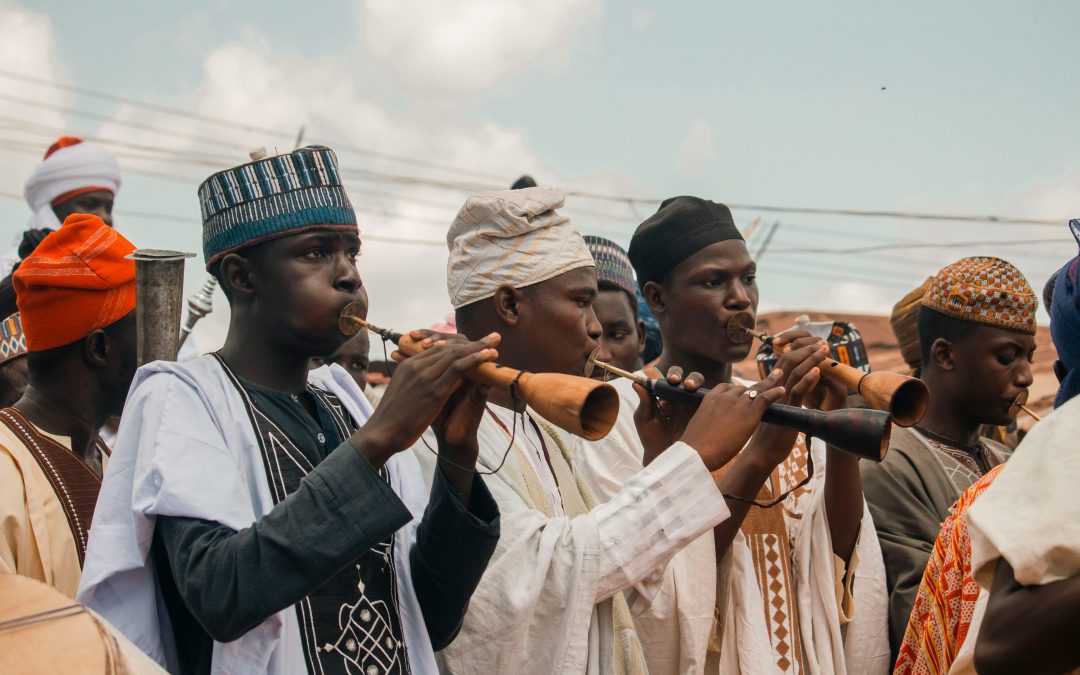
Held in Portimão, Afro Nation is a celebration of Afrobeats, dancehall, and hip-hop. With headliners like Burna Boy and Musa Keys, it’s more than a party—it’s a cultural homecoming.

  • Pourquoi c'est important : Afro Nation connects African diasporas across Europe, Africa, and the Americas. It’s a space for reclaiming narratives and celebrating roots.

We Out Here (UK)

Founded by Gilles Peterson, this August festival showcases British jazz, soul, and underground sounds.

  • Pourquoi c'est important : It highlights local talent and community, offering a counter-narrative to mainstream festival culture.

Nyege Nyege (Uganda)

Celebrating East African underground music, Nyege Nyege turns 10 this year. It’s a vibrant mix of electronic, traditional, and experimental sounds.

  • Pourquoi c'est important : Nyege Nyege is a beacon for African creativity, resilience, and innovation. It’s also a model for grassroots festival organization.

3. Gender Equity on Stage

Historically, festival lineups have been male-dominated. But 2025 is seeing a shift.

The Numbers

  • In 2024, men made up 60% of UK festival performers.
  • In 2025, women and non-binary artists are headlining more than ever.

Key Artists Leading the Change

  • Charli XCX
  • Olivia Rodrigo
  • Doechii
  • Sabrina Carpenter
  • Raye
  • Chappell Roan

These artists aren’t just performing—they’re reshaping the industry. Their presence signals a broader commitment to representation and equity.


4. Low-Carbon Lift-Off: Sustainability Takes Center Stage

Festivals are notoriously resource-intensive. But a new wave of events is proving that music and sustainability can coexist.

Massive Attack’s Influence

The band’s low-carbon tour set a precedent. Now, festivals are following suit.

Green Festivals to Watch

  • Øyafestivalen (Oslo): 100% renewable energy, 95% organic food
  • Les Escales (France): High sustainability ratings
  • BST Hyde Park (London): Certified by A Greener Future

Sustainable Practices Include:

  • Solar-powered stages
  • Compost toilets
  • Reusable cups and plates
  • Local food sourcing
  • Carbon offset programs

5. Travel Meets Transformation: Why Festivals Are Ideal for Conscious Exploration

Festivals offer a unique travel experience:

  • Immersion: You’re not just visiting—you’re participating.
  • Connection: Meet people from around the world with shared values.
  • Discovery: Explore new music, ideas, and cultures.
  • Reflection: Many festivals now include wellness zones, workshops, and talks.

6. Planning Your Sustainable Festival Journey

A. Choose Your Festival Wisely

Look for events that prioritize:

  • Local culture
  • Sustainability
  • Inclusivity
  • Transparency

B. Travel Responsibly

  • Use trains, buses, or carpooling
  • Compensez votre empreinte carbone
  • Pack light and eco-friendly

C. Support Local Economies

  • Stay in locally owned accommodations
  • Eat at community-run food stalls
  • Buy from local artisans

D. Respect the Space

  • Ne pas laisser de traces
  • Follow recycling and waste guidelines
  • Be mindful of noise and behavior

7. Festival Spotlights: Where to Go in 2025

1. Nyege Nyege (Uganda)

  • When: Autumn 2025
  • Why go: East African underground music, riverside setting, cultural immersion

2. Afro Nation (Portugal)

  • When: July 2025
  • Why go: Afrobeats, beach vibes, diasporic celebration

3. We Out Here (UK)

  • When: August 2025
  • Why go: Jazz, soul, community, workshops

4. Øyafestivalen (Norway)

  • When: August 2025
  • Why go: Greenest festival in Europe, eclectic lineup

5. Les Escales (France)

  • When: Summer 2025
  • Why go: Sustainability, global music, seaside charm

8. Voices from the Crowd: Festival Travelers Reflect

Tariq, 31, Nairobi

“Nyege Nyege changed my life. I met artists from across Africa and felt part of something bigger.”

Lina, 26, Berlin

“Afro Nation was a celebration of identity. I danced, cried, and connected with my roots.”

Sam, 40, London

“We Out Here felt like home. It was music, yes—but also healing, learning, and growing.”


9. The Future of Festivals: What’s Next?

Expect to see:

  • More hybrid events: Combining in-person and virtual experiences
  • Greater accessibility: For disabled and neurodiverse attendees
  • Expanded wellness offerings: Yoga, meditation, mental health support
  • Deeper local partnerships: With artists, farmers, and educators

Festivals are becoming microcosms of the world we want to build—creative, inclusive, and sustainable.


Conclusion: Dance with Purpose, Travel with Heart

Music festivals are no longer just escapes—they’re invitations to engage. They offer a new kind of travel: one that’s rooted in rhythm, community, and care. Whether you’re dancing under African stars or meditating in a Norwegian forest, you’re part of a movement.

So pack your reusable water bottle, your open heart, and your curiosity. The world is waiting—and the music is calling.

Plus de cette catégorie

Rythmes durables

Rythmes durables

Music festivals have long been synonymous with escape—an immersive blend of sound, culture, and community. But in 2025, they’re becoming something more: a platform for sustainable travel, cultural exchange, and social progress. From Uganda’s Nyege Nyege to Portugal’s Afro Nation, festivals are reshaping how we move through the world.

lire plus
Rythmes durables

Rythmes durables

Music festivals have long been synonymous with escape—an immersive blend of sound, culture, and community. But in 2025, they’re becoming something more: a platform for sustainable travel, cultural exchange, and social progress. From Uganda’s Nyege Nyege to Portugal’s Afro Nation, festivals are reshaping how we move through the world.

lire plus
Rythmes durables

Rythmes durables

Music festivals have long been synonymous with escape—an immersive blend of sound, culture, and community. But in 2025, they’re becoming something more: a platform for sustainable travel, cultural exchange, and social progress. From Uganda’s Nyege Nyege to Portugal’s Afro Nation, festivals are reshaping how we move through the world.

lire plus

Commentaires

Notre lettre d'information
Slow Travel en Sardaigne

Slow Travel en Sardaigne

Slow Travel in Sardinia: How Cagliari Teaches Us to Live Longer and Travel Deeper

Introduction: The Soul of Slow Travel

In a world obsessed with speed, slow travel is a radical act. It’s not just about taking your time—it’s about transforming how you experience a place. Sardinia, particularly its capital Cagliari, offers a masterclass in this philosophy. With its Blue Zone lifestyle, Mediterranean rhythms, and timeless charm, Cagliari invites travelers to pause, breathe, and connect.

This blog post explores how slow travel in Sardinia can enrich your life, improve your health, and deepen your understanding of culture. Inspired by feature on Cagliari, we’ll uncover why this southern Italian gem is the perfect destination for travelers seeking meaning over momentum.


1. What Is Slow Travel—and Why Sardinia Embodies It

Slow travel is a mindset. It’s about:

  • Spending more time in fewer places
  • Prioritizing local experiences over tourist checklists
  • Traveling sustainably and mindfully

Sardinia, one of the world’s five Blue Zones (regions where people live significantly longer), naturally aligns with this ethos. In Cagliari, life moves to the rhythm of the sea, the sun, and the seasons. Lunch breaks are sacred, conversations are unhurried, and community is everything.


2. Cagliari: A City That Refuses to Rush

Perched on the southern coast of Sardinia, Cagliari is a city of layers—Roman ruins, medieval ramparts, and modern cafés coexist in harmony. But what sets it apart is its tempo.

In the Castello district, locals gather for porceddu (slow-roasted suckling pig) and red wine. Shops close for lunch, and siestas are still observed. The city’s salt pans shimmer in the distance, attracting flamingos and reminding visitors that nature is never far away.

This isn’t just charming—it’s life-affirming.


3. The Blue Zone Lifestyle: Lessons from Sardinia

Sardinia’s Blue Zone status is no accident. Researchers have identified several factors that contribute to the island’s longevity:

  • Plant-based diet: Rich in legumes, vegetables, and olive oil
  • Strong social ties: Family and community are central
  • Daily movement: Walking, gardening, and manual labor
  • Low stress: A slower pace reduces cortisol levels
  • Purposeful living: Elders remain active and engaged

Traveling here isn’t just a vacation—it’s a wellness retreat.


4. How to Practice Slow Travel in Cagliari

A. Stay Longer, Explore Less

Instead of hopping between cities, spend a week or more in Cagliari. Get to know the neighborhoods—Castello, Villanova, Marina—and let the city reveal itself gradually.

B. Eat Like a Local

Skip the tourist menus. Visit San Benedetto Market, one of Europe’s largest covered markets, and buy fresh pecorino, olives, and bread. Dine at trattorias where the menu changes daily based on what’s fresh.

C. Walk Everywhere

Cagliari is a walker’s paradise. Stroll along Poetto Beach, hike to the Devil’s Saddle viewpoint, or wander the narrow lanes of the old town. Walking connects you to the city’s rhythm.

D. Engage with Locals

Attend a cooking class, visit a ceramic studio, or simply strike up a conversation at a café. Sardinians are warm, proud, and eager to share their culture.


5. The Power of Place: Why Cagliari Feels Different

There’s something intangible about Cagliari. Maybe it’s the light, the sea breeze, or the scent of myrtle and juniper. But more than that, it’s the feeling of being welcomed—not as a tourist, but as a guest.

This is a city that values presence over performance. You’re not expected to do anything—just to be.


6. Sustainable Travel Starts with Slowness

Fast travel strains resources. Slow travel, on the other hand:

  • Reduces carbon emissions
  • Supports local businesses
  • Preserves cultural heritage
  • Encourages mindful consumption

In Cagliari, sustainability isn’t a trend—it’s tradition. From farm-to-table dining to locally made crafts, everything is rooted in place.


7. Sample Itinerary: A Week of Slow Travel in Cagliari

Day 1: Arrival and Orientation

  • Check into a boutique hotel like Casa Clàt or Palazzo Doglio
  • Enjoy a sunset aperitivo at Libarium on the Castello ramparts

Day 2: Market and Cooking

  • Visit San Benedetto Market
  • Join a Sardinian cooking class
  • Dinner at Sa Domu Sarda

Day 3: Nature and Movement

  • Morning walk to Sella del Diavolo
  • Afternoon swim at Poetto Beach
  • Evening stroll through Villanova

Day 4: Culture and Craft

  • Tour the Archaeological Museum
  • Visit Ceramica Olianas studio
  • Dinner at Luigi Pomata

Day 5: Day Trip to Nora

  • Explore ancient ruins and coastal views
  • Lunch at Fradis Minoris
  • Return for wine tasting at Casa Clàt

Day 6: Community and Connection

  • Attend a local event or festival
  • Visit a vineyard or olive grove
  • Share stories with locals over dinner

Day 7: Reflection and Departure

  • Journal at a quiet café
  • Take one last walk along the marina
  • Depart with a full heart

8. Voices from Sardinia: Travelers Reflect

Maria, 38, Barcelona

“I came to Cagliari for a weekend and stayed for two weeks. I slowed down, ate better, slept deeper. It changed how I travel.”

James, 52, London

“I’ve been to Italy many times, but Sardinia felt different. It wasn’t just beautiful—it was healing.”

Amina, 29, Casablanca

“I learned to make culurgiones with a local grandmother. We didn’t speak the same language, but we laughed and cooked together. That’s slow travel.”


9. Beyond Cagliari: Other Slow Destinations in Sardinia

  • Barumini: Home to ancient nuraghi towers
  • Pula: Coastal charm and archaeological wonders
  • Mandas: Literary village with deep roots
  • Chia Beach: White sands and lighthouse views

Each offers a unique slice of Sardinian life—best enjoyed slowly.


10. Final Thoughts: Travel That Nourishes

Slow travel isn’t about doing less—it’s about experiencing more. In Cagliari, you’ll find a city that invites you to linger, to listen, and to live. Whether you’re sipping wine under fig trees or watching flamingos in the salt pans, you’ll feel something rare: peace.

So next time you plan a trip, consider Sardinia. Not for the sights, but for the soul.

Plus de cette catégorie

Blue Lagoon Iceland

Blue Lagoon Iceland

There’s a moment at the Blue Lagoon when the steam parts and the lava field reveals itself—black, lunar, silent except for the wind. In 2025, that silence carries new meaning. This is a spa in the middle of an active volcanic peninsula, protected by new barriers and real‑time gas monitoring, open between eruption events, and still—miraculously—one of the most restorative places on Earth.

lire plus
Blue Lagoon Iceland

Blue Lagoon Iceland

There’s a moment at the Blue Lagoon when the steam parts and the lava field reveals itself—black, lunar, silent except for the wind. In 2025, that silence carries new meaning. This is a spa in the middle of an active volcanic peninsula, protected by new barriers and real‑time gas monitoring, open between eruption events, and still—miraculously—one of the most restorative places on Earth.

lire plus
Blue Lagoon Iceland

Blue Lagoon Iceland

There’s a moment at the Blue Lagoon when the steam parts and the lava field reveals itself—black, lunar, silent except for the wind. In 2025, that silence carries new meaning. This is a spa in the middle of an active volcanic peninsula, protected by new barriers and real‑time gas monitoring, open between eruption events, and still—miraculously—one of the most restorative places on Earth.

lire plus

Commentaires

Notre lettre d'information

Voyagez malin

Voyagez malin

Voyagez malin : Pourquoi les aventures hors saison sont la meilleure décision que vous puissiez prendre

Introduction : Le club secret des voyageurs hors saison

Imaginez que vous vous promeniez dans les rues pavées de Florence en septembre, en sirotant un expresso sans que la foule ne se bouscule à la même table. Ou de faire une randonnée sur la côte amalfitaine en octobre, avec une lumière dorée et des sentiers tranquilles. Bienvenue dans le monde des voyages hors saison, où les explorateurs avisés troquent le chaos de la haute saison contre la sérénité, les économies et l'authenticité.

Dans cet article de blog, nous allons explorer les raisons pour lesquelles voyager hors saison n'est pas seulement un choix économique - c'est une façon transformatrice de découvrir le monde. En nous inspirant d'exemples concrets, nous découvrirons comment les voyages hors saison peuvent vous faire passer de l'ordinaire à l'inoubliable.


1. Qu'est-ce qu'un voyage hors saison et pourquoi est-ce important ?

Les voyages hors saison consistent à visiter des destinations pendant leurs périodes les plus calmes, généralement en dehors des vacances scolaires, des pics d'activité estivale et des grands festivals. Ces périodes varient selon les régions :

  • L'Europe : Fin du printemps (mai-juin) et début de l'automne (septembre-octobre)
  • Asie : Mois intermédiaires comme avril ou novembre
  • Amérique du Nord : Après l'été (septembre-novembre) ou l'hiver (janvier-février)

Pourquoi cela est-il important ? Parce que le tourisme est cyclique. Pendant la haute saison, les prix montent en flèche, les foules se multiplient et les habitants se préparent à l'afflux. La basse saison, en revanche, offre.. :

  • Baisse des prix des vols et de l'hébergement
  • Un accès plus facile aux attractions
  • Des interactions plus significatives avec les habitants
  • Un rythme plus lent et plus immersif

2. Philosophie d'intersaison

“Les mois de juillet et d'août sont beaucoup trop chauds et encombrés - et si vous n'avez pas d'enfants à l'école, pourquoi ne pas profiter du fait que Londres est merveilleusement vide pendant cette période ?”

Voyager en Juin, septembre et octobre, Lorsque des destinations telles que Amalfi, Sicile, Saint-Tropez et Séville sont encore chaudes mais heureusement peu fréquentées. Son approche reflète un mouvement croissant : les voyageurs qui privilégient l'expérience plutôt que le temps.


3. Les avantages concrets des voyages hors saison

A. Liberté financière

Les voyages hors saison peuvent réduire votre budget de 30-50%. Les compagnies aériennes et les hôtels baissent leurs prix pour attirer les visiteurs, et vous trouverez souvent :

  • Mises à jour gratuites
  • Politiques d'annulation souples
  • Visites et expériences à prix réduit

B. Moins de monde, plus d'accès

Avez-vous déjà essayé de visiter le Louvre en juillet ? Vous passerez plus de temps à faire la queue qu'à admirer des œuvres d'art. En revanche, la basse saison est synonyme de.. :

  • Lignes plus courtes
  • Des réservations plus faciles
  • Vue dégagée

C. Expériences locales authentiques

Les habitants sont plus détendus et plus ouverts lorsqu'ils ne sont pas submergés par les touristes. Vous y trouverez :

  • Des conversations authentiques
  • Invitations à des événements communautaires
  • Une meilleure compréhension de la culture

4. Études de cas : Où les voyages hors saison brillent

A. L'Italie en septembre

La chaleur s'adoucit, les foules se raréfient et les vignobles débordent d'énergie. La Toscane, l'Ombrie et la côte amalfitaine sont idéales pour les visites de vignobles, les séjours dans des villas et les routes panoramiques.

B. La Thaïlande en mai

Avant la mousson, la Thaïlande bénéficie d'un temps chaud et d'un nombre réduit de touristes. Explorez les temples de Chiang Mai ou détendez-vous sur les plages de Koh Samui en toute tranquillité.

C. L'Islande en octobre

Les aurores boréales commencent à danser et les paysages s'illuminent de teintes automnales. Moins de touristes signifie plus de chances de profiter des spas géothermiques et des randonnées sur les glaciers.

D. New York en novembre

Le feuillage d'automne, l'effervescence de Thanksgiving et les soldes d'avant les fêtes rendent la ville de New York magique. Les musées, les spectacles de Broadway et Central Park sont plus accessibles.


5. Planifier votre escapade hors saison

A. Cycles de destination de la recherche

Utilisez des outils tels que Google Trends, Skyscanner et les offices de tourisme locaux pour identifier les basses saisons.

B. Vérifier les fermetures saisonnières

Certaines attractions ou certains restaurants peuvent fermer hors saison. Vérifiez toujours les heures d'ouverture et la disponibilité.

C. Pack Smart

Le temps hors saison peut être imprévisible. Il est essentiel de porter des vêtements superposés, un équipement imperméable et des chaussures souples.

D. Réservez tôt, mais restez flexible

Bien que les prix soient plus bas, certaines offres hors saison sont limitées. Réservez tôt pour bénéficier des meilleurs tarifs, mais choisissez des options remboursables en cas de changement de programme.


6. L'impact éthique et environnemental

Voyager hors saison n'est pas seulement bon pour vous, c'est aussi bon pour la planète.

A. Réduire le surtourisme

Des destinations populaires comme Venise, Barcelone et Bali souffrent de la surpopulation. Les voyages hors saison permettent de mieux répartir le tourisme.

B. Soutenir les économies locales tout au long de l'année

Votre visite pendant les mois les plus calmes contribue à soutenir les emplois et les entreprises qui dépendent du tourisme.

C. Réduction de l'empreinte carbone

Moins de vols, moins d'encombrements et moins de pression sur les infrastructures contribuent à des déplacements plus durables.


7. Les voix de la route : Les voyageurs hors saison s'expriment

Anna, 34 ans, Berlin

“J'ai visité Santorin en novembre. C'était calme, les couchers de soleil étaient encore magnifiques et j'ai payé la moitié du tarif d'été pour une suite à flanc de falaise”.”

Jamal, 42 ans, Toronto

“J'ai fait une randonnée dans les Highlands écossais en avril. Pas de moucherons, pas de foule - juste moi, la brume et les montagnes”.”

Lucie, 29, Paris

“Je suis allée à Kyoto au début du mois de décembre. Les temples étaient sereins et j'ai pu voir les dernières feuilles d'automne sans la ruée des touristes.”


8. Les 10 meilleures destinations hors saison pour 2025

Voici 10 lieux à explorer hors saison :

  1. Lesbos, Grèce - Paysages mythiques et oliveraies en septembre
  2. Cap Ferret, France - Cabanes à huîtres et promenades dans les dunes en octobre
  3. Cagliari, Sardaigne - Slow living et Blue Zone wellness en mai ou en septembre
  4. Anneau du Kerry, Irlande - La beauté des falaises et l'artisanat local en avril
  5. Hébrides intérieures, Écosse - Naviguer dans la solitude en juin
  6. Tokyo, Japon - Cerisiers en fleurs en mars ou couleurs d'automne en novembre
  7. Toscane et Ombrie, Italie - Escapades en villa et vendanges en septembre
  8. Istanbul, Turquie - Immersion culturelle en avril ou en octobre
  9. Bali, Indonésie - Plages tranquilles et retraites spirituelles en mai
  10. Nouvelle-Zélande - Fleurs printanières et sentiers vierges en octobre

Conclusion : Le plaisir de voyager à contre-courant

Les voyages hors saison sont plus qu'une stratégie, c'est un état d'esprit. Il s'agit de préférer la profondeur à la vitesse, la connexion à la consommation et la découverte à la distraction. Que vous sirotiez du vin en Toscane ou que vous fassiez de la randonnée en Islande, l'intersaison offre une façon plus riche et plus personnelle de voir le monde.

La prochaine fois que vous planifierez un voyage, posez-vous la question : Et si j'y allais quand personne d'autre ne le fait ?

Il se peut que vous découvriez un monde qui vous attend, calme et magnifique, et que vous puissiez l'explorer à votre guise.

Plus de cette catégorie

Rythmes durables

Rythmes durables

Music festivals have long been synonymous with escape—an immersive blend of sound, culture, and community. But in 2025, they’re becoming something more: a platform for sustainable travel, cultural exchange, and social progress. From Uganda’s Nyege Nyege to Portugal’s Afro Nation, festivals are reshaping how we move through the world.

lire plus
Rythmes durables

Rythmes durables

Music festivals have long been synonymous with escape—an immersive blend of sound, culture, and community. But in 2025, they’re becoming something more: a platform for sustainable travel, cultural exchange, and social progress. From Uganda’s Nyege Nyege to Portugal’s Afro Nation, festivals are reshaping how we move through the world.

lire plus
Rythmes durables

Rythmes durables

Music festivals have long been synonymous with escape—an immersive blend of sound, culture, and community. But in 2025, they’re becoming something more: a platform for sustainable travel, cultural exchange, and social progress. From Uganda’s Nyege Nyege to Portugal’s Afro Nation, festivals are reshaping how we move through the world.

lire plus

Commentaires

Notre lettre d'information