
Comment voyager partout dans le monde pour seulement $30 par jour
Voyager à travers le monde semble être un luxe réservé aux riches ou à quelques chanceux. Et si je vous disais que vous pouvez explorer presque tous les coins du globe pour seulement $30 par jour ? Ce n'est pas un fantasme, c'est une stratégie. Avec une planification intelligente, un état d'esprit minimaliste et quelques astuces d'initiés, vous pouvez dépenser votre argent plus que vous ne l'avez jamais imaginé.
Ce guide est votre plan d'action pour les voyages à petit budget. Que vous traversiez l'Asie du Sud-Est avec votre sac à dos, que vous fassiez du road-trip à travers l'Europe ou que vous exploriez les étendues sauvages de l'Amérique du Sud, voici comment faire en sorte que $30 par jour soit rentable pour vous, sans sacrifier le plaisir du voyage.
1. Repenser le sens du voyage
Voyager avec un budget limité ne signifie pas se priver. Cela signifie redéfinir le luxe. Au lieu d'hôtels cinq étoiles, pensez à des couchers de soleil cinq étoiles. Au lieu de visites coûteuses, pensez à des expériences locales immersives. L'objectif est de voyager plus profondément, et pas seulement plus largement.
2. Répartition du budget : Où va votre $30
Voici un budget quotidien approximatif qui fonctionne dans de nombreuses régions du monde :
- Hébergement: $10-12 (auberges, maisons d'hôtes, homestays)
- Alimentation: $8-10 (nourriture de rue, épiceries, cafés locaux)
- Transport: $3-5 (transports publics, marche, location de vélos)
- Activités: $3-5 (visites gratuites, musées, randonnées dans la nature)
Cela représente environ $30 par jour. Certains jours, vous dépenserez moins, d'autres un peu plus, mais cela s'équilibre.
3. Hébergement : Dormir bon marché, dormir intelligent
🛏️ Les auberges de jeunesse sont vos meilleures amies
Les auberges de jeunesse sont le lieu de prédilection des voyageurs à petit budget. Elles ne sont pas seulement bon marché, ce sont aussi des centres sociaux où vous pouvez rencontrer d'autres aventuriers, échanger des conseils et même partager les frais de transport ou de nourriture.
- Dans de nombreux pays, les lits en dortoir peuvent coûter aussi peu que $5-15 par nuit.
- Recherchez des auberges de jeunesse proposant un petit-déjeuner gratuit, un accès à la cuisine et une connexion Wi-Fi.
- Utilisez des applications comme Hostelworld ou Booking.com pour comparer les prix et les avis.
🏡 Essayez les séjours chez l'habitant et les maisons d'hôtes
Dans les zones rurales ou les régions moins touristiques, les auberges de jeunesse sont rares. C'est là que les maisons d'hôtes et les séjours chez l'habitant se distinguent. Elles sont souvent moins chères et offrent une expérience plus authentique.
- Utilisez des plateformes comme Airbnb pour trouver des chambres privées pour $10-20.
- Certains hôtes peuvent proposer des repas ou des visites locales gratuitement ou pour une somme modique.
🛖 Options alternatives
- Couchsurfing: Séjourner gratuitement chez l'habitant.
- Échanges de travail: Des sites web comme Workaway ou WWOOF proposent un hébergement gratuit en échange de quelques heures de travail.
- Camping: Dans certains pays, le camping sauvage est légal et gratuit (Ecosse, Suède, Nouvelle-Zélande).
4. Nourriture : Manger comme un local
🍜 La cuisine de rue, c'est de l'or
La cuisine de rue n'est pas seulement bon marché, c'est souvent la façon la plus authentique et la plus délicieuse de découvrir une culture.
- Les repas peuvent coûter aussi peu que $1-3 dans des pays comme la Thaïlande, l'Inde ou le Mexique.
- Recherchez les étals occupés par des habitants de la région : c'est un signe de fraîcheur et de qualité.
🛒 Cuisinez vos propres repas
Si votre logement dispose d'une cuisine, profitez-en.
- Faites vos courses sur les marchés locaux ou dans les supermarchés.
- Préparez des repas simples comme des pâtes, des plats de riz ou des sandwichs.
- Emportez une bouteille d'eau réutilisable pour éviter d'acheter de l'eau en bouteille.
🍽️ Éviter les pièges touristiques
Les restaurants situés à proximité des principales attractions pratiquent souvent des prix excessifs.
- Quelques rues plus loin, vous trouverez des restaurants locaux.
- Utilisez Google Maps ou TripAdvisor pour trouver des endroits économiques.
5. Les transports : Se déplacer comme un local
🚶 A pied ou à vélo
La marche est gratuite et permet de mieux appréhender un lieu. De nombreuses villes proposent également des locations de vélos bon marché ou des circuits pédestres gratuits.
🚌 Les transports publics plutôt que les taxis
- Les bus, les métros et les trains sont nettement moins chers que les taxis ou les voitures partagées.
- Dans certaines villes, vous pouvez obtenir des cartes journalières ou hebdomadaires illimitées.
🚗 Voyages de longue durée
- Utilisez des compagnies de bus économiques comme FlixBus (Europe), RedBus (Inde) ou Megabus (États-Unis).
- Les trains peuvent être abordables grâce à des abonnements comme Interrail/Eurail en Europe.
- Envisagez de prendre un bus ou un train de nuit pour économiser une nuit d'hébergement.
6. Activités : Gratuites et fabuleuses
🏞️ La nature est libre
- Faites de la randonnée, nagez, explorez les plages, les montagnes et les parcs.
- Dans de nombreux parcs nationaux, l'entrée est gratuite ou peu coûteuse.
🏛️ Musées et attractions gratuits
- De nombreuses villes proposent des journées de musées gratuits ou des entrées payantes.
- Recherchez des visites guidées gratuites (donnez un pourboire à votre guide).
🎭 Événements et festivals locaux
- Consultez les listes locales pour connaître les concerts gratuits, les marchés ou les événements culturels.
- Participez à des rencontres communautaires ou à des échanges linguistiques.
7. Le piratage de voyage : Économiser avant de partir
💳 Utiliser des cartes de crédit avec primes de voyage
- Gagnez des points ou des miles sur vos achats quotidiens.
- Échangez-les contre des vols ou des séjours à l'hôtel gratuits.
🧳 Pack Smart
- Évitez les frais d'enregistrement des bagages en faisant des valises légères.
- Utilisez un sac à dos (40-50L) et prévoyez des vêtements polyvalents.
💻 Livre intelligent
- Utilisez le mode incognito lors de la recherche de vols et d'hôtels.
- Créez des alertes de prix sur Google Flights ou Skyscanner.
- Soyez flexible sur les dates et les destinations pour trouver les meilleures offres.
8. L'établissement d'un budget en cours de route
📱 Suivez vos dépenses
Utilisez des applications telles que :
- TravelSpend: Suivre les dépenses dans plusieurs devises.
- Portefeuille de randonnée: Établir des budgets quotidiens et contrôler les dépenses.
- En deux temps, trois mouvements: Idéal pour partager les frais avec des compagnons de voyage.
💸 Fixer une limite journalière
- Respectez votre objectif de $30/jour.
- Si vous dépensez trop un jour, réduisez vos dépenses le lendemain.
- Donnez la priorité à ce qui compte le plus pour vous et laissez tomber les choses qui ne vous intéressent pas.
9. L'assurance voyage : Ne la négligez pas
Cela peut sembler un coût supplémentaire, mais l'assurance voyage peut vous faire économiser des milliers de dollars en cas d'urgence.
- Recherchez des polices qui couvrent les frais médicaux, le vol et les annulations.
- Certaines cartes de crédit offrent une assurance voyage gratuite - vérifiez avant d'acheter.
10. Aller plus loin là où va votre argent
Certaines destinations sont naturellement plus favorables au budget. En voici quelques-unes où $30/jour suffit amplement :
🌏 Asie
- Vietnam, Thaïlande, Indonésie, Népal, Inde, Laos
🌍 Afrique
- Maroc, Égypte, Éthiopie, Tanzanie
🌎 Amérique latine
- Guatemala, Nicaragua, Bolivie, Colombie
🌍 Europe de l'Est
- Roumanie, Bulgarie, Albanie, Géorgie
11. Voyager lentement
Plus vous vous déplacez rapidement, plus vous dépensez. Le voyage lent permet d'économiser de l'argent et d'approfondir l'expérience.
- Restez plus longtemps au même endroit pour bénéficier de réductions sur l'hébergement.
- Privilégier les transports locaux plutôt que les vols.
- Apprenez à connaître la communauté et trouvez des joyaux cachés.
12. Travailler en voyageant
Si vous souhaitez prolonger votre voyage ou augmenter votre budget :
- Freelance en ligne: Rédaction, conception, enseignement de l'anglais
- Échanges de travail: Workaway, WWOOF, HelpX
- Emplois saisonniers: Auberges, fermes, tourisme
13. Faire preuve de souplesse et d'ouverture d'esprit
La clé pour voyager avec $30 par jour est l'adaptabilité.
- Soyez ouvert à la possibilité de modifier vos plans en fonction des affaires ou des opportunités qui se présentent.
- Dites oui aux trajets partagés, aux repas de groupe ou aux activités gratuites.
- Acceptez l'inattendu : c'est souvent là que la magie opère.
14. Échantillon $30/Jour Itinéraire : Vietnam
Voici à quoi peut ressembler une journée au Viêt Nam avec un budget de $30 :
| Catégorie | Coût (USD) | Détails |
|---|---|---|
| Hébergement | $8 | Dortoir de l'auberge avec petit déjeuner |
| Alimentation | $7 | Pho au petit-déjeuner, banh mi au déjeuner, dîner local |
| Transport | $2 | Bus et scooter Grab |
| Activités | $5 | Entrée au musée + visite à pied gratuite |
| Extras | $3 | Café, snacks |
| Total | $25 | De l'espace pour les urgences ou les friandises |
15. Réflexions finales : La liberté dans le cadre d'un budget
Voyager à travers le monde avec $30 par jour, ce n'est pas seulement économiser de l'argent, c'est aussi gagner en liberté. C'est prouver que l'aventure n'a pas besoin d'être coûteuse. Avec le bon état d'esprit et quelques stratégies intelligentes, vous pouvez aller plus loin, rester plus longtemps et vivre plus d'expériences.
Alors, faites votre valise, fiez-vous à votre instinct et prenez la route. Le monde vous attend, et c'est plus abordable que vous ne le pensez.

Écrit par Kariss
Plus de cette catégorie
L'Océanie dévoilée
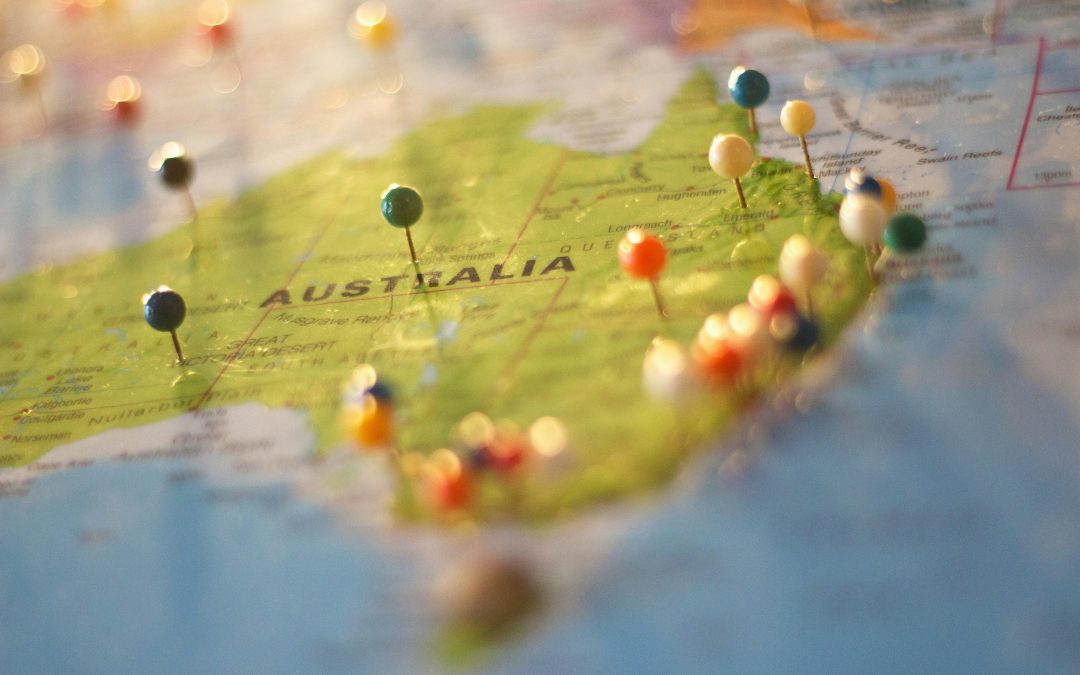
L'Océanie n'est pas seulement une région, c'est une révélation. Comprenant l'Australie, la Nouvelle-Zélande et les îles du Pacifique, elle s'étend sur le plus grand océan du monde, offrant aux voyageurs une tapisserie de paysages sauvages, de cultures anciennes et d'une simplicité pleine d'âme.
L'Océanie dévoilée
L'Océanie n'est pas seulement une région, c'est une révélation. Comprenant l'Australie, la Nouvelle-Zélande et les îles du Pacifique, elle s'étend sur le plus grand océan du monde, offrant aux voyageurs une tapisserie de paysages sauvages, de cultures anciennes et d'une simplicité pleine d'âme.
L'Océanie dévoilée
L'Océanie n'est pas seulement une région, c'est une révélation. Comprenant l'Australie, la Nouvelle-Zélande et les îles du Pacifique, elle s'étend sur le plus grand océan du monde, offrant aux voyageurs une tapisserie de paysages sauvages, de cultures anciennes et d'une simplicité pleine d'âme.
0 Commentaires
Notre lettre d'information
 English
  Français
  Español
0 commentaires