The World’s Most Extraordinary Hotels

The World’s Most Extraordinary Hotels

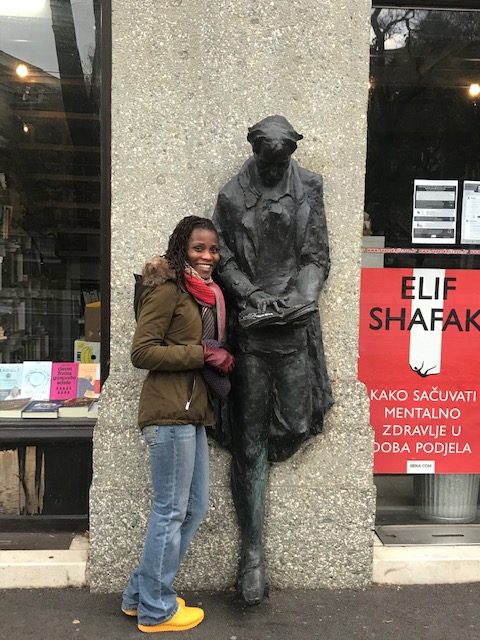
Doing Time in Style: The World’s Most Extraordinary Hotels in Converted Prisons and Courtrooms

There’s something deeply, deliciously perverse about paying several hundred pounds a night to sleep in a cell. But as a growing number of architects, hoteliers, and heritage conservationists have discovered, the world’s former jails, courthouses, and police stations make for some of the most compelling — and surprisingly comfortable — places to lay your head.


Checked In, Locked Up

The first thing you notice, arriving at a hotel that was once a prison, is that the architecture means business. These are not buildings that whisper. The stone walls are thick, the ironwork is heavy, the ceilings loom with the authority of institutions that were built to contain, to intimidate, to endure. There is no soft-focus lobby with a fireplace and a chesterfield sofa. There is, instead, a gatehouse. A portcullis. A door that was designed, very deliberately, to keep people in rather than welcome them through.

And yet here you are, with a reservation and a rolling suitcase, being handed a key card with a smile.

Welcome to one of the most fascinating and fast-growing niches in the world of hospitality: the converted prison hotel. From Cornwall to Kyoto, from Boston to the Netherlands, former places of punishment and incarceration are being reimagined as some of the most distinctive luxury properties on the planet. The cell is now a suite. The exercise yard is now a courtyard garden. The dock where the condemned once stood is now a cocktail bar.

It’s an idea that should, by any rational measure, feel grotesque. And yet it works — spectacularly, compellingly, and in ways that reveal something interesting about how we relate to history, to architecture, and to the peculiar pleasures of sleeping somewhere with a genuine story to tell.


Why Prisons Make Perfect Hotels

Before checking into any of these remarkable properties, it’s worth asking a basic question: why do prisons convert so well into hotels in the first place?

The answer, it turns out, is almost architectural destiny. Prisons were built to house large numbers of people in small, uniform rooms. They required robust plumbing, individual ventilation, and — in the Victorian era particularly — a moral philosophy of personal reflection and quiet contemplation. Sound familiar? The brief for a nineteenth-century prison cell and a twenty-first century boutique hotel room are, in structural terms, surprisingly similar.

The radial design that characterises many Victorian prisons — long wings of cells branching off a central hub, all visible from a single observation point — translates naturally into hotel corridors lined with rooms. The thick stone walls that once prevented escape now deliver exceptional sound insulation. The high, barred windows that once denied inmates a view of the outside world now flood rooms with natural light when the bars are retained as a design feature rather than a security measure. The grand institutional architecture — the vaulted entrance halls, the wrought-iron galleries, the chapel domes — gives converted prison hotels a sense of scale and drama that no purpose-built hotel can manufacture.

And then there is the history. Every prison arrives pre-loaded with stories: famous inmates, dramatic escapes, moments of injustice and redemption that have seeped into the very fabric of the walls. For a hotel brand trying to differentiate itself in a crowded market, that is priceless. You cannot build this kind of narrative. You can only inherit it, preserve it, and learn to tell it well.

Heritage conservationists have also played a significant role in driving the trend. As Victorian prisons and Edwardian police courts have aged out of use — too expensive to modernise, too historically significant to demolish — adaptive reuse as hotels has emerged as one of the most viable routes to preservation. The developer gets a unique product. The building gets a future. The public gets access to structures that might otherwise be lost behind razor wire forever.


Bodmin Jail Hotel, Cornwall: Two Centuries of Darkness, Transformed

Start, as all good ghost stories do, in Cornwall.

Bodmin Gaol is one of Britain’s most storied prisons, and one of its most ambitious hotel conversions. The original structure opened in 1779, designed to house the county’s criminals, debtors, and condemned in an era when the law was applied with a bluntness that makes the modern reader wince. For nearly 150 years, Bodmin Gaol was the last thing many people saw before the gallows. Public executions were held here until 1862, when the practice was finally moved indoors. The prison closed its gates as a functioning penal institution in 1927.

What followed was a century of confused repurposing. The site cycled through its post-prison life with the restless energy of a building that couldn’t quite decide what it wanted to be: a fishmonger’s storage facility, a World War Two naval base, an amusement arcade, a nightclub. None of it quite worked. The structure was too grand, too Gothic, too freighted with weight and meaning to submit to mere commerce.

Then, in 2021, a £65 million investment by Tudor Hotels Collection changed everything.

The Bodmin Jail Hotel that opened that year is a triumph of sensitive, imaginative conversion. Each guest room has been carved from three original prison cells — the walls knocked through to create a space that is, by any contemporary standard, entirely comfortable, while retaining the arched stone doorways, the deep-set windows, and the sense of material weight that makes the building what it is. The result is rooms that feel genuinely theatrical without tipping into theme-park pastiche. You are not sleeping in a reconstruction of a prison. You are sleeping in an actual one, rearranged for your comfort.

The restaurant occupies the former prison chapel — a soaring, vaulted space that transforms remarkably well into a dining room, the arched windows delivering exactly the kind of ecclesiastical light that makes a Sunday lunch feel vaguely ceremonial. The menu skews towards hearty Cornish produce: seafood landed nearby, meats from farms across the county, puddings that take the edge off the chill that the thick stone walls never entirely surrender.

But the real genius of the Bodmin Jail Hotel is what it does with the parts it hasn’t converted into bedrooms. The Bodmin Jail Attraction, housed in the remaining historic structure, offers guided tours of original cell wings, the condemned cells, the punishment block, and a meticulously restored Victorian execution pit. It is, at times, genuinely disturbing — and all the more valuable for it. The hotel does not shy away from the building’s history. It leans into it, presenting the past with historical honesty rather than sanitising it into something palatable.

Standing in the execution pit, the rope above you, the stone walls around you, and then walking back upstairs to a glass of Cornish wine in the former chapel restaurant — that contrast is exactly what makes this category of hotel so remarkable. You are not being sold a fantasy. You are being invited into a history that is real, complex, and impossible to manufacture.


NoMad London: Oscar Wilde’s Old Address, Reimagined

If Bodmin deals in Cornish granite and Gothic darkness, NoMad London offers something altogether more gilded: a Grade II listed former magistrates’ court in the heart of Covent Garden, transformed into one of the capital’s most glamorous hotel openings of the last decade.

The building in question is the old Bow Street Magistrates’ Court and Police Station — a Edwardian pile that operated from 1881 until 2006, when the Metropolitan Police finally vacated the premises and the building fell silent after 125 years of continuous use. In those 125 years, Bow Street had seen more drama than most buildings could dream of. Oscar Wilde was committed for trial here in 1895, his wit reportedly undimmed even as the machinery of Victorian morality ground around him. Vivienne Westwood appeared in the dock in 1970 for attempting to breach the peace during an anti-Vietnam War protest. Suffragette and barrister Christabel Pankhurst made history in this very courtroom in 1908, becoming the first trained female lawyer to cross-examine a witness in a British court — ironically, while defending herself against a charge of obstruction.

The building’s reopening in 2021 as NoMad London — the first European outpost of the New York-born hotel brand — was one of those rare moments when a hotel conversion genuinely lives up to its billing. The American interior design firm Roman and Williams, known for their work on the original NoMad in Manhattan, have brought to Bow Street the same mix of eclectic maximalism and scholarly attention to period detail that made their New York projects so celebrated. The result is an interior that feels simultaneously rooted in its Victorian context and effortlessly contemporary: tufted leather, aged brass, botanical wallpapers, and the kind of lighting that flatters everyone in the room.

The former courtroom itself has been preserved and is available for private dining and events — a space so charged with historical resonance that it is difficult to sit at a dinner table without thinking of everyone who once stood before the bench above you. The cells beneath the court, where defendants waited before appearing before the magistrate, have been retained and are accessible to guests. They are small, cold, and claustrophobic in exactly the way you would expect. They are also, unexpectedly, beautiful — the walls stripped back to raw brick, small windows set high, a quietness about them that feels almost monastic.

The hotel’s restaurant and bar, Side Hustle, occupies the former police station and draws on Latin American culinary traditions — a playful, perhaps deliberately incongruous choice that keeps the overall experience from tipping into mournful heritage tourism. And guests receive complimentary entry to the Bow Street Museum of Crime and Justice, which occupies an adjacent wing and traces the building’s history with impressive archival depth.

For the business traveller, NoMad London has one further advantage: location. Covent Garden puts you within walking distance of the City, the West End, and the Strand, while the hotel’s meeting and event spaces — including that extraordinary former courtroom — offer something no corporate conference centre ever could.


Het Arresthuis, Roermond, Netherlands: Europe’s Finest Dutch Jail

Cross the Channel and head east, and you’ll find one of Europe’s most accomplished prison hotel conversions in the small Dutch city of Roermond, in the province of Limburg.

Het Arresthuis — literally, The Arrest House — opened as a hotel in 2011 following extensive renovations to a nineteenth-century jail that sits, with remarkable composure, in the middle of the city’s shopping district. The contrast between the busy commercial street outside and the solemn institution within is one of the property’s most compelling qualities. You walk off a pedestrianised high street, past the boutiques and the coffee shops, and through a door that opens into a completely different world: iron galleries rising through four floors, cast iron staircases, and cell doors lining every corridor with the regularity of a metronome.

The 36 rooms and suites carry names that reflect the building’s judicial history — The Jailer, The Lawyer, The Director, The Judge — and the interiors play carefully with the tension between institutional severity and contemporary comfort. Original cell doors have been retained as room entrances, their heavy ironwork and sliding observation hatches preserved intact. The castiron staircases and walkways, with their open grilles that once allowed guards to monitor movement throughout the wing, remain in place. The building’s structure is almost entirely original, which gives Het Arresthuis an authenticity that more heavily renovated properties sometimes sacrifice on the altar of comfort.

What makes the property particularly memorable is its approach to the residual traces of its former inmates. Where other hotels might be tempted to smooth over the marks that incarceration leaves on a building, Het Arresthuis has chosen to preserve them. Phrases scrawled on cell walls by prisoners — some defiant, some desperate, some strangely funny — have been recreated and incorporated into the decor. The most celebrated of these, rendered in careful lettering on a wall in one of the public areas, reads: “A real man doesn’t become a cop.” It is a small thing, but it changes the nature of the experience profoundly. You are not simply a guest in a converted building. You are a temporary occupant of a space with its own voice, its own memory, its own unresolved feelings about authority.

The hotel’s restaurant, Bar & Brasserie Het Arresthuis, serves a menu of Dutch and French classics in the former exercise yard, now glassed over to create one of the most atmospherically unusual dining rooms in the Netherlands. Roermond itself is a pleasant city within day-trip distance of Maastricht, Aachen, and Cologne, making the hotel a practical as well as a fascinating base.


Malmaison Oxford: Eight Centuries of Oxford Justice

Oxford Castle is one of England’s oldest and most layered historical sites — a Norman fortification that has served variously as a royal castle, a county courthouse, a debtors’ prison, and a Victorian penitentiary across more than nine centuries of continuous use. The prison on the site dates, in various forms, to at least the thirteenth century. Following the prison reforms of 1888, it was formally designated HM Prison Oxford and continued operating until 1996, when it finally closed its gates.

Its conversion into Malmaison Oxford — part of the Malmaison hotel group’s ongoing programme of ambitious adaptive reuse — is one of the most thoughtfully executed prison hotel projects in Britain. The 95 guest rooms are housed directly within the converted cells of the Victorian prison wing, and the architects have resisted the temptation to disguise what they’re working with. Original features have been retained throughout: the cast iron door frames complete with their peepholes, the exposed brick walls, the narrow barred windows that allow light in while maintaining the visual language of the original structure. The rooms are not large — this is, after all, a single prison cell expanded to modern standards — but they are beautifully finished, and the details reward close attention.

The castle’s other historic structures — the medieval motte, the Saxon tower of St George’s Chapel, and the Victorian gatehouse — have been preserved and are accessible both to hotel guests and to the general public through Oxford Castle Unlocked, the heritage attraction that operates alongside the hotel. The attraction’s guided tours take visitors through the cells, the underground crypt, and up onto the motte for panoramic views over the city, and they are conducted with the kind of historical rigour that makes them genuinely illuminating rather than merely entertaining.

For the business traveller, Malmaison Oxford sits at the centre of one of Britain’s most beautiful and intellectually stimulating cities, within walking distance of the university colleges, the Bodleian Library, and the Ashmolean Museum. The hotel’s meeting and event spaces carry on the theme: one of the most unusual available is the prison’s former chapel, which seats up to 200 and provides a setting for corporate gatherings that is, to put it mildly, unforgettable.


The Liberty, Boston: From Malcolm X to Luxury Suites

Cross the Atlantic, and the prison hotel story takes on different dimensions. The Liberty, A Luxury Collection Hotel in Boston, occupies the former Charles Street Jail — a historic structure that operated from 1851 until 1990 and whose list of former inmates reads like a compressed history of American political and social conflict.

Built in the Greek Revival style by architect Gridley James Fox Bryant, Charles Street Jail was, at the time of its construction, considered a model of progressive prison design. Its octagonal rotunda — the dominant architectural feature of the building and the element that has been most beautifully preserved in the hotel conversion — was intended to allow a single guard to observe all four cell wings simultaneously, a direct application of Jeremy Bentham’s Panopticon theory. Light flooded through a glazed cupola above. The cells were considered spacious by the standards of the age.

Over its 139 years of operation, Charles Street Jail housed some of the most significant figures in American history. Civil-rights activist Malcolm X was incarcerated here in the late 1940s, before his time in prison became the crucible for the political awakening he would later describe in his autobiography. Anarchists, suffragists, bootleggers, and political agitators of every stripe passed through its gates, giving the building a historical weight that feels distinctly American in its intensity.

The conversion, completed in 2007, has produced a hotel that is remarkable both for what it has preserved and for what it has invented around those preserved elements. The octagonal rotunda — the heart of the original prison — is now the hotel’s atrium, the glazed roof restored to flood the space with the same light that once fell on the cell galleries below. The galleries themselves, with their original ironwork and cell door frames, have been retained as circulation space and architectural display. The exercise yard, where inmates once paced their daily hour of outdoor time, has been transformed into a landscaped courtyard garden.

The hotel’s two signature food and beverage offerings play knowingly with the building’s history. CLINK, the restaurant, is housed in original cell space, the exposed brick and barred windows retained as design elements; the name is, of course, a slang term for prison. The Alibi bar, darker and more intimate, occupies the building’s former “drunk tank” — the holding cell where intoxicated individuals were sobered up before processing. It is hard to think of a better name for a bar.


HOSHINOYA Nara Prison, Japan: A New Chapter for a Century-Old Institution

Perhaps the most anticipated prison hotel conversion in the world right now is still in its opening phase: the HOSHINOYA Nara Prison project in Japan, which is transforming one of the country’s oldest surviving Meiji-era penitentiaries into a 48-suite luxury boutique hotel.

Nara Prison — formally known as Nara Juvenile Prison — was built in 1908 and operated for over a century, finally closing its doors in 2017. It is one of the finest surviving examples of Meiji-era institutional architecture in Japan: a complex of red-brick buildings arranged around a radial plan, with administrative buildings, cell blocks, workshops, and a governor’s residence all forming a coherent campus that speaks powerfully of the ambitions and the anxieties of a rapidly modernising nation.

The HOSHINOYA brand — part of the Hoshino Resorts group, one of Japan’s most prestigious luxury hospitality companies — has brought its characteristic approach to the project: a deep reverence for local history and material culture, combined with a contemporary luxury sensibility that never feels imposed or alien. The 48 suites occupy the converted cell blocks, the red-brick facades and radial layout preserved as the defining architectural logic of the property. The governor’s residence, one of the most architecturally distinguished buildings on the site, houses the hotel’s Japanese-French fine-dining restaurant, where the meeting of two culinary traditions feels entirely natural in a building that itself represents a meeting of East and West.

A museum exploring the history of the prison and its role in Japanese penal and social history is incorporated into the complex, ensuring that the conversion remains honest about what the building was and what happened within its walls. For international visitors, the combination of the HOSHINOYA brand’s impeccable service standards and the extraordinary historical setting of Nara — home to some of Japan’s most ancient temples, the giant Buddha of Tōdai-ji, and the famous roaming deer of Nara Park — makes this an exceptionally compelling destination.


The Art of Arrival: What to Expect at a Converted Prison Hotel

If you have never stayed in a converted prison hotel, there are a few things worth knowing before you check in.

The rooms are smaller than you might expect, and larger than you might fear. The single-cell conversion — one cell, one room — tends to produce spaces that feel snug rather than spacious, with everything fitted with the precision of a ship’s cabin. The triple-cell conversions, as at Bodmin, feel considerably more generous. Either way, the room’s character compensates enormously for any limitation in square footage. There is almost always a detail that makes you stop: an original cell door, a fragment of graffiti, a window whose sill is two feet deep because the wall around it was built to withstand a siege.

The atmosphere tends towards the dramatic. These are buildings that do not let you forget where you are, and that, for most guests, is a feature rather than a bug. If you are someone who finds it difficult to decompress in a standard hotel room — surrounded by the familiar beiges and ivories of contemporary hospitality design — there is something to be said for a room that gives you no choice but to inhabit it on its own terms. The stone and brick and ironwork anchor you. The silence, when it comes, is of a different quality to the hush of a standard hotel: deeper, older, more absolute.

The communal spaces are almost always the property’s greatest triumph. The conversion of a Victorian prison’s central hall or exercise yard into a restaurant, bar, or atrium consistently produces spaces of extraordinary drama: the ceiling heights, the ironwork, the interplay of original fabric and contemporary intervention combining into something that could not be achieved in any other way. Plan to spend time in these spaces. Order another drink. Look up.

Practically speaking, it is worth noting that many of these properties sit within active heritage or visitor attraction sites, which means that during the day you may share the corridors with tour groups. This is not necessarily a disadvantage — the tours are often excellent, and the presence of curious visitors adds a kind of living energy to buildings that might otherwise feel preserved in amber — but it is worth being aware of if you are travelling for rest and privacy. Rooms are invariably quieter than the shared spaces, and by early evening, when the day-trippers have gone, the properties settle into a stillness that is unlike anything a purpose-built hotel can replicate.

The history, at the best properties, is treated with intelligence and integrity. The temptation to reduce centuries of human experience — much of it painful, much of it unjust — into an aesthetic is real, and some conversions succumb to it. But the finest prison hotels take their responsibility to their past seriously, incorporating museums, guided tours, and curatorial detail that contextualises the luxury of the present against the hardship of the past. That tension is not incidental. It is, if handled well, exactly the point.


The Ethics of Sleeping in a Cell

It would be dishonest to write about converted prison hotels without acknowledging the questions they raise. Is there something morally complicated about transforming a place of suffering into a luxury product? Should we be sleeping, with apparent contentment, in spaces where people were confined against their will, often under conditions that were cruel by any civilised standard?

These are genuine questions, and they do not have entirely comfortable answers. The people who were incarcerated in Bodmin Gaol, in Charles Street Jail, in Nara Prison, did not have the option of leaving. Many were there unjustly. Some died there. The transformation of their confinement into our leisure is a transaction that carries weight, whether we acknowledge it or not.

There is also a class dimension worth naming honestly. The very hotels that now occupy these buildings once held debtors, petty thieves, and people whose poverty was effectively criminalised by the legal codes of their age. The irony of paying several hundred pounds a night to sleep where they were confined for the crime of having nothing is one that the better converted prison hotels appear to recognise, even if they cannot entirely resolve it. What they can do — and what the best of them do — is ensure that the stories of the buildings’ former occupants are told fully and fairly, not just the stories of the famous inmates but the stories of the ordinary ones: the people who came through the gates without anyone writing about it, and who left — or did not leave — without anyone marking their going.

What the best prison hotels offer in response to this discomfort is not resolution but engagement. They do not pretend the history away. They do not smooth it into something palatable. They insist on its presence, in the original ironwork of the cell doors, in the preserved graffiti on the walls, in the museums and the guided tours that take you through spaces where the past remains vivid and uncomfortable. They ask you, as a guest, to hold two things at once: the pleasure of extraordinary architecture and the responsibility of knowing what that architecture was used for.

It is, in this respect, not so different from visiting any other significant historical site — a battlefield, a slave-trade museum, a memorial. The question is not whether you should engage with difficult history, but how. The converted prison hotel, at its best, offers one genuinely thoughtful answer: by inhabiting it, by paying attention, and by ensuring that the buildings survive to tell their stories to future generations.


Where to Book: A Practical Guide

For those ready to hand themselves in, here is a brief summary of the properties explored in this piece, along with some practical information to help you plan your stay.

Bodmin Jail Hotel, Cornwall, UK is part of Tudor Hotels Collection and operates both as a hotel and as a heritage attraction. Rooms are available from around £120 per night, with the Bodmin Jail Attraction tickets sold separately. The hotel is best reached by car or by train to Bodmin Parkway, with a taxi or shuttle to the town centre. The Cornish countryside surrounding the town is spectacular, and the Eden Project is less than fifteen miles away.

NoMad London, Covent Garden, UK sits at the upper end of London’s luxury hotel market, with rooms typically starting from £350 per night. The location in Covent Garden makes it exceptionally well placed for both business and leisure visits to the capital. Guests receive complimentary access to the Bow Street Museum of Crime and Justice, and the hotel’s Side Hustle restaurant is worth booking independently even if you are not staying.

Het Arresthuis, Roermond, Netherlands is one of Europe’s best-value prison hotel experiences, with rooms from around €130 per night. Roermond is accessible by train from Amsterdam (approximately two hours) and is close to the German and Belgian borders, making it a logical stop on a wider European itinerary.

Malmaison Oxford, UK offers rooms from around £140 per night, with Oxford Castle Unlocked tours available at a modest additional cost. The hotel is walkable from Oxford train station and from the city’s central attractions. The Malmaison group has several similarly ambitious conversions across the UK, including properties in former jail buildings in Edinburgh and Liverpool.

The Liberty, A Luxury Collection Hotel, Boston, USA occupies Beacon Hill, one of Boston’s most prestigious neighbourhoods, and rates reflect it: expect to pay from around $350 per night. The location is excellent for exploring Boston on foot, and the hotel is within easy reach of the Freedom Trail, Harvard, and the MIT campus.

HOSHINOYA Nara Prison, Japan opened in 2026, and given the HOSHINOYA brand’s typical positioning, rates are expected to be in the premium segment of the Japanese luxury hotel market. Nara is accessible from both Osaka (approximately 40 minutes by express train) and Kyoto (approximately 45 minutes), making it easily incorporated into a wider Japanese itinerary.


The Verdict: Check In, Do Your Time

There is a version of the converted prison hotel that is merely gimmicky — a theme park experience for travellers who want a story to tell at dinner. And there are certainly properties in this category that do not rise above that level: places where the iron bars are purely decorative, where the “cell” experience amounts to little more than a slightly narrow room with a numbered door, where the history is invoked only in the marketing copy and ignored everywhere else.

But the best of them — Bodmin, NoMad London, Het Arresthuis, Malmaison Oxford, The Liberty, HOSHINOYA Nara — are something considerably more interesting than a novelty. They are among the most architecturally significant, historically resonant, and genuinely unforgettable places to stay anywhere in the world. They take buildings that the world had finished with and find in them not just utility but meaning, not just accommodation but experience.

There is also, for the frequent business traveller in particular, something quietly liberating about staying somewhere this distinctive. The relentless sameness of the corporate hotel circuit — the identical lobbies, the identical breakfast buffets, the identical flat-pack furniture in earth tones — produces a kind of perceptual numbness that is one of the less-discussed occupational hazards of the road warrior’s life. A night in a converted prison cell does not produce numbness. It produces the opposite: a heightened awareness of space, of material, of history, of the strangeness of the present moment set against the weight of the past.

To sleep in a former prison cell is to be reminded, very gently, that the buildings we inhabit carry the lives of everyone who has passed through them. That weight, properly acknowledged, is not a burden. It is the thing that makes travel worthwhile: the sense of stepping into a larger story than your own, of being, for a night or two, a small part of something that began long before you arrived and will continue long after you leave.

The world’s best converted prison hotels offer an experience that is unique in contemporary hospitality: simultaneously luxurious and humbling, comfortable and confronting, meticulously designed and irreducibly real. You check in as a guest. You leave as something slightly more complicated — someone who has spent the night inside the walls, who has listened to the building settle around them in the dark, who has held a little more history in their hands than they woke up with.

Check in. Do your time. You’ll find, when you finally check out, that you don’t particularly want to go.


Have you stayed at a converted prison or courtroom hotel? We’d love to hear about your experience — drop us a message or join the conversation in the comments below.

More From This Category

My Pilgrimage to Lourdes, France

My Pilgrimage to Lourdes, France

My pilgrimage to Lourdes, France, was more than a journey—it was a deeply personal experience of faith, family, and renewal. Traveling from Paris on a night couchette train, my family and I arrived in the quiet early hours, filled with anticipation and prayer. From our stay at Nunes House to participating in the sacred rituals of the Sanctuary, every moment was marked by reflection, unity, and spiritual purpose.
read more
My Pilgrimage to Lourdes, France

My Pilgrimage to Lourdes, France

My pilgrimage to Lourdes, France, was more than a journey—it was a deeply personal experience of faith, family, and renewal. Traveling from Paris on a night couchette train, my family and I arrived in the quiet early hours, filled with anticipation and prayer. From our stay at Nunes House to participating in the sacred rituals of the Sanctuary, every moment was marked by reflection, unity, and spiritual purpose.

read more
My Pilgrimage to Lourdes, France

My Pilgrimage to Lourdes, France

My pilgrimage to Lourdes, France, was more than a journey—it was a deeply personal experience of faith, family, and renewal. Traveling from Paris on a night couchette train, my family and I arrived in the quiet early hours, filled with anticipation and prayer. From our stay at Nunes House to participating in the sacred rituals of the Sanctuary, every moment was marked by reflection, unity, and spiritual purpose.

read more

Comments

Our Newsletter

My Pilgrimage to Lourdes, France

My Pilgrimage to Lourdes, France

My Pilgrimage to Lourdes, France: A Journey of Faith, Family, and Renewal

There are journeys we take to see the world, and there are journeys we take to rediscover ourselves. My pilgrimage to Lourdes, France, belongs firmly to the second category. It was not simply a trip from one place to another, but a spiritual passage—marked by prayer, reflection, family bonds, and moments of deep stillness. Traveling with my family, we set out from Paris on a night couchette train, carrying with us hopes, questions, and a quiet anticipation of what awaited us in one of the most sacred pilgrimage sites in the world.

Lourdes is known globally as a place of faith and healing, drawing millions of pilgrims every year to the Sanctuary of Our Lady of Lourdes in the foothills of the Pyrenees. Yet no amount of reading or preparation can fully explain what it feels like to finally arrive there—especially after a long night journey, stepping into dawn with prayer on your lips and purpose in your heart. [lunatrain.com]


Leaving Paris: The Night Train Experience

Our pilgrimage began in Paris, a city alive with light and movement. As evening settled in, we made our way to the station for the Intercités night train, commonly known as the couchette train. This route allows travelers to sleep through the journey and wake up closer to Lourdes, saving both time and energy—an ideal choice for pilgrims preparing spiritually and physically for what lies ahead. [sncf-voyageurs.com]

The couchette compartment was simple but comforting. As my family settled in, there was a quiet excitement in the air. The rhythmic sound of the train soon replaced the noise of the city. Conversations faded into prayer, and prayer softened into sleep. Somewhere between Paris and the Pyrenees, the journey became less about distance and more about intention.

Traveling by night felt symbolic. We left behind the busyness of everyday life in the darkness, moving forward toward something sacred. By morning, light filtered through the small window, revealing changing landscapes—fields, hills, and finally the distant outline of mountains.


Arrival in Lourdes: First Impressions

When we arrived in Lourdes, there was a gentle calm in the air. Unlike major tourist cities, Lourdes moves at a different pace—one that invites reflection rather than distraction. The town itself is shaped by pilgrimage: hotels, chapels, and quiet streets all oriented toward the Sanctuary.

Our first stop was Nunes House, where we stayed during our pilgrimage. The accommodation was welcoming and peaceful, providing the perfect environment for rest and spiritual focus. Staying among other pilgrims created a sense of shared purpose. Everyone was there not merely as visitors, but as seekers.

After settling in, we prepared ourselves for the days ahead. Lourdes is not a place you rush through. It asks you to slow down, to listen—not only to sacred teachings, but to your own heart.


Understanding Lourdes as a Pilgrimage Site

Lourdes holds its spiritual importance due to the apparitions of the Virgin Mary to Saint Bernadette Soubirous in 1858. Since then, the Grotto of Massabielle has become one of the most visited religious sites in the world, associated with prayer, healing, and spiritual renewal. [lunatrain.com]

Pilgrims come with different intentions: some seeking healing, others offering thanksgiving, and many simply looking for peace. What unites everyone is a shared openness—to grace, to silence, to hope.


Participating in the Pilgrimage Activities

One of the most meaningful aspects of our time in Lourdes was participating in the required pilgrimage activities—rituals that have been practiced by pilgrims for generations.

Visiting the Grotto of Massabielle

Standing before the Grotto was a profound moment. The simplicity of the place contrasted with its spiritual weight. Candles burned quietly, prayers whispered in many languages, yet all carried the same meaning. Touching the stone of the Grotto, I felt a deep sense of stillness and surrender.

Walking the Way of the Cross

The Stations of the Cross, set along a hillside, offered one of the most physically and spiritually demanding experiences. Each station invited reflection—not only on Christ’s suffering, but on our own struggles, burdens, and faith journeys. Making this walk with my family added an extra layer of meaning. We supported one another, not just physically, but emotionally and spiritually.

Pilgrimage Baths (Water Ritual)

Participating in the water ritual was done with reverence and humility. Lourdes’ spring water is symbolic of purification and trust. Regardless of one’s beliefs about miracles, the act itself encourages surrender and spiritual openness.

Attending Mass

Daily Mass at the Sanctuary grounded our pilgrimage. Surrounded by pilgrims from around the world, the sense of universality was powerful. Faith transcended language, age, and culture. What mattered was presence.

The Candlelight Procession

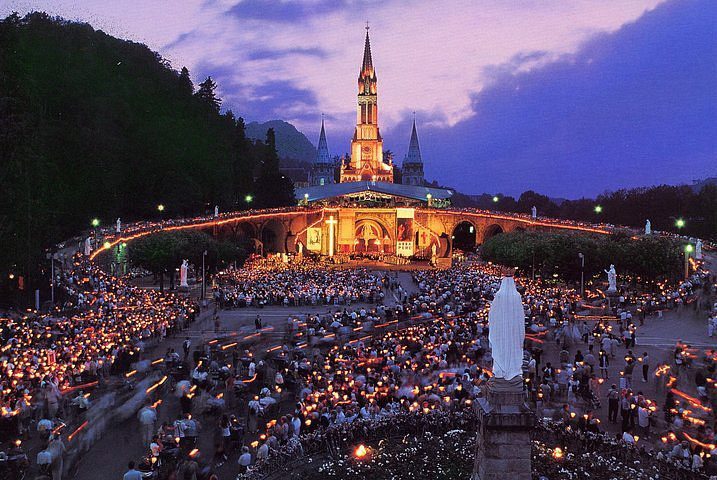
Perhaps the most moving experience was the candlelight procession in the evening. Thousands of pilgrims gathered, holding candles as night fell. The soft glow of light moving through the Sanctuary created an atmosphere that was both intimate and immense. Walking in silence and song, I felt deeply connected—to God, to my family, and to every person around me.


Pilgrimage as a Family Experience

Making this pilgrimage with my family transformed the journey into something richer and more meaningful. We prayed together, reflected together, and supported one another through moments of emotion and quiet contemplation. In Lourdes, distractions fall away, leaving space for real connection.

We spoke about faith, life, and gratitude in ways that everyday routines rarely allow. Lourdes did not provide answers to every question—but it created space to ask them honestly.


Life at Nunes House

Our stay at Nunes House played an essential role in shaping our experience. The peaceful environment allowed us to rest and reflect between activities. Mornings began calmly, often in prayer, while evenings were spent sharing reflections from the day.

This balance—between structured pilgrimage activities and quiet personal reflection—helped sustain the spiritual rhythm of our days.


Exploring Lourdes Beyond the Sanctuary

While the Sanctuary was the heart of our pilgrimage, walking through the town of Lourdes offered additional moments of reflection. The nearby river, the mountain backdrop, and the quiet streets all contributed to a sense of peace.

Lourdes is not flashy or overwhelming. Instead, it gently invites you inward—to prayer, humility, and gratitude.


What Lourdes Taught Me

This pilgrimage reminded me that faith is not always loud or dramatic. Often, it reveals itself in silence, in routine rituals, in shared moments with family, and in the act of simply showing up.

Traveling to Lourdes by night train, staying among fellow pilgrims, and completing each activity deepened my understanding of pilgrimage itself—not as a destination, but as a process. Lourdes teaches patience, surrender, and hope.


Returning Home Changed

When we eventually left Lourdes, the departure felt different from arrival. We came with expectations, but we left with something quieter and stronger: peace. The return journey carried reflection rather than anticipation.

Pilgrimage does not end when you leave the holy place. It continues in how you live, pray, and treat others afterward.


Final Reflections

My pilgrimage to Lourdes with my family was one of the most meaningful journeys of my life. From the night couchette train from Paris to our stay at Nunes House, from the Grotto to the candlelit procession, every moment carried purpose.

Lourdes does not promise easy answers—but it offers something far more lasting: space to encounter faith honestly and deeply.

If you are considering a pilgrimage to Lourdes, go with an open heart. You may arrive seeking something specific, but you will leave having received exactly what you needed.

More From This Category

My Pilgrimage to Lourdes, France

My Pilgrimage to Lourdes, France

My pilgrimage to Lourdes, France, was more than a journey—it was a deeply personal experience of faith, family, and renewal. Traveling from Paris on a night couchette train, my family and I arrived in the quiet early hours, filled with anticipation and prayer. From our stay at Nunes House to participating in the sacred rituals of the Sanctuary, every moment was marked by reflection, unity, and spiritual purpose.

read more
My Pilgrimage to Lourdes, France

My Pilgrimage to Lourdes, France

My pilgrimage to Lourdes, France, was more than a journey—it was a deeply personal experience of faith, family, and renewal. Traveling from Paris on a night couchette train, my family and I arrived in the quiet early hours, filled with anticipation and prayer. From our stay at Nunes House to participating in the sacred rituals of the Sanctuary, every moment was marked by reflection, unity, and spiritual purpose.

read more
My Pilgrimage to Lourdes, France

My Pilgrimage to Lourdes, France

My pilgrimage to Lourdes, France, was more than a journey—it was a deeply personal experience of faith, family, and renewal. Traveling from Paris on a night couchette train, my family and I arrived in the quiet early hours, filled with anticipation and prayer. From our stay at Nunes House to participating in the sacred rituals of the Sanctuary, every moment was marked by reflection, unity, and spiritual purpose.

read more

Comments

Our Newsletter

La Sagrada Família: An Encounter With Time, Faith, and Genius

La Sagrada Família: An Encounter With Time, Faith, and Genius

La Sagrada Família: An Encounter With Time, Faith, and Genius

  • Introduction: More Than a Visit, an Encounter

    There are destinations you check off a list—and then there are places that reframe your understanding of beauty, patience, and human ambition. La Sagrada Família belongs unmistakably to the latter. On April 1st, 2026, I walked into Antoni Gaudí’s unfinished masterpiece not merely as a traveler, but as a witness to one of the most ambitious artistic and spiritual projects ever undertaken.

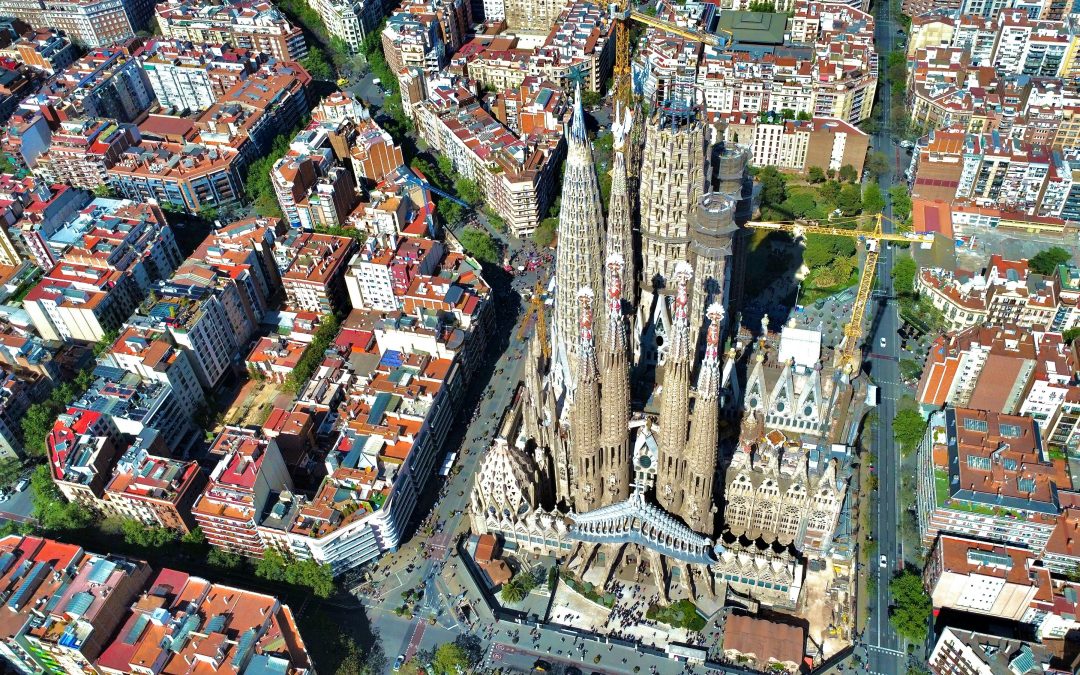
    Located in the heart of Barcelona, La Sagrada Família defies easy categorization. It is a basilica, an architectural experiment, a theological manifesto, and a living construction site more than 140 years in the making. Visiting it is not a passive experience; it is immersive, emotional, and deeply personal.

    For luxury travelers, it offers refinement, rarity, and meaning.
    For spiritual travelers, it offers silence, symbolism, and transcendence.
    For architecture enthusiasts, it offers an unparalleled lesson in form, structure, and vision.

    Few landmarks in the world manage to speak fluently to all three.


    The Vision of Antoni Gaudí: Architecture as a Sacred Language

    To understand La Sagrada Família, one must first understand Antoni Gaudí, not merely as an architect, but as a philosopher of form. Gaudí believed that architecture should not imitate previous styles—it should interpret nature, because nature, in his view, was the ultimate expression of divine intelligence.

    When Gaudí took over the project in 1883, he transformed it entirely. His vision rejected rigid Gothic conventions and embraced organic geometry, ruled surfaces, hyperboloids, helicoids, and natural proportions found in trees, bones, shells, and mountains.

    Gaudí was also deeply spiritual. For him, La Sagrada Família was not about personal recognition. He famously accepted that he would never see it completed, stating that “my client is not in a hurry.” That client, of course, was God.

    This mindset defines the entire basilica: timeless, patient, and uncompromising.


    First Impressions: The Exterior That Refuses to Be Ignored

    Approaching La Sagrada Família is a moment of controlled astonishment. The basilica does not reveal itself all at once. Instead, it unfolds slowly, demanding attention and rewarding observation.

    The Nativity Façade: Celebration of Life

    The Nativity Façade, completed during Gaudí’s lifetime, is exuberant, emotional, and richly detailed. It celebrates birth, creation, and hope. Every surface is alive with sculptural intensity—plants, animals, angels, and human figures exist in harmonious density.

    For the spiritually inclined, this façade reads like a visual prayer.
    For architecture lovers, it is a masterclass in narrative sculpture.
    For luxury travelers, it offers something rare: authenticity untouched by modern reinterpretation.

    The craftsmanship here feels intimate, almost tender—an unusual quality for stone.

    The Passion Façade: Confronting Suffering

    In stark contrast, the Passion Façade strips emotion down to its rawest form. Sharp angles, skeletal figures, and minimal ornamentation convey suffering, sacrifice, and mortality.

    This façade is intentionally uncomfortable. It forces reflection. Standing before it, one cannot remain neutral—it provokes silence, stillness, and contemplation.

    Few landmarks dare to unsettle their visitors. La Sagrada Família does so deliberately.


    Entering the Basilica: When Light Becomes Architecture

    If the exterior impresses, the interior transforms.

    Crossing the threshold on that April morning felt like stepping into a different realm. The first sensation was not visual—it was acoustic. Sound softens here. Voices lower instinctively.

    Then comes the light.

    A Forest of Stone

    The interior columns rise like towering trees, branching as they ascend. Gaudí designed them this way to mimic natural load distribution, eliminating the need for traditional flying buttresses.

    The result is breathtaking: a cathedral that feels less like a building and more like a sacred forest. There is no heaviness, no oppression—only elevation.

    Stained Glass and Time

    The stained‑glass windows are carefully oriented to the sun’s movement. Morning light bathes the interior in blues and greens, evoking calm and renewal. Afternoon light introduces warmer reds and golds, creating a sense of culmination and reflection.

    On April 1st, 2026, the light shifted gently as I stood there, making time itself feel visible.

    For photographers, this is a dream.
    For spiritual visitors, it is meditation through color.
    For luxury travelers, it is sensory excellence without excess.


    Sacred Geometry and Structural Genius

    La Sagrada Família is often described as beautiful—but beauty here is the result of mathematics.

    Gaudí employed complex geometrical forms long before computers existed. Hyperboloids, paraboloids, and catenary arches are not decorative choices; they are structural solutions derived from nature.

    Modern architects still study this basilica not as a historical curiosity, but as a forward‑thinking experiment.

    What makes this extraordinary is that the building feels emotional despite its mathematical precision. Rarely do logic and poetry coexist so effortlessly.


    A Basilica Still Under Construction: The Luxury of Witnessing Process

    One of La Sagrada Família’s most compelling qualities is that it remains unfinished. Cranes rise beside spires. Stonecutters continue their work. Technology now collaborates with tradition.

    For some, this is surprising. For others, it is profoundly moving.

    Luxury travel today is no longer just about comfort—it is about access to rarity and authenticity. Witnessing a masterpiece still becoming is a privilege few landmarks offer.

    This ongoing construction transforms La Sagrada Família from a static monument into a living legacy.


    A Space for Spiritual Reflection—Regardless of Belief

    You do not need to be religious to feel something here.

    As I sat quietly inside the basilica, surrounded by visitors from every corner of the world, there was a shared stillness. People paused. Phones lowered. Silence expanded.

    La Sagrada Família creates space—for thought, for humility, for perspective.

    In a world driven by urgency and distraction, this may be its greatest gift.


    The Luxury Travel Perspective: Why La Sagrada Família Is Essential

    For luxury travelers, La Sagrada Família delivers what high‑end experiences increasingly seek:

    • Exclusivity through meaning, not price
    • Depth over spectacle
    • Cultural capital rather than superficial indulgence

    Private guided visits, early‑morning entry, and expert architectural tours elevate the experience further, allowing travelers to engage with the basilica intellectually and emotionally.

    It is not a backdrop for photos—it is a destination that enhances one’s understanding of the world.


    Practical Visitor Insights

    Best Time to Visit

    • Early morning or late afternoon for optimal light
    • Weekdays are quieter than weekends

    Tickets & Tours

    • Book in advance to avoid long queues
    • Guided tours add significant value, especially for architecture enthusiasts

    Dress & Etiquette

    • Modest attire is required (this is an active basilica)
    • Silence is encouraged in certain areas

    (Affiliate opportunities: guided tours, premium passes, travel insurance, Barcelona hotels)


    Leaving La Sagrada Família: Changed, Not Just Informed

    When I exited the basilica that day, Barcelona felt different. Louder. Faster. More temporary.

    La Sagrada Família stayed with me—not as a memory, but as a reference point. It redefined what patience can achieve, what faith can inspire, and what architecture can communicate when it refuses to compromise.

    April 1st, 2026 was not just a visit. It was a moment of recalibration.


    Conclusion: Why La Sagrada Família Endures

    La Sagrada Família is not simply Barcelona’s most famous landmark. It is one of humanity’s most ambitious conversations with eternity.

    It speaks to travelers who seek beauty with substance, spirituality without dogma, and luxury rooted in meaning.

    Few places invite admiration.
    Fewer invite reflection.
    Almost none invite transformation.

    La Sagrada Família does all three—and that is why it endures.


More From This Category

My Pilgrimage to Lourdes, France

My Pilgrimage to Lourdes, France

My pilgrimage to Lourdes, France, was more than a journey—it was a deeply personal experience of faith, family, and renewal. Traveling from Paris on a night couchette train, my family and I arrived in the quiet early hours, filled with anticipation and prayer. From our stay at Nunes House to participating in the sacred rituals of the Sanctuary, every moment was marked by reflection, unity, and spiritual purpose.

read more
My Pilgrimage to Lourdes, France

My Pilgrimage to Lourdes, France

My pilgrimage to Lourdes, France, was more than a journey—it was a deeply personal experience of faith, family, and renewal. Traveling from Paris on a night couchette train, my family and I arrived in the quiet early hours, filled with anticipation and prayer. From our stay at Nunes House to participating in the sacred rituals of the Sanctuary, every moment was marked by reflection, unity, and spiritual purpose.

read more
My Pilgrimage to Lourdes, France

My Pilgrimage to Lourdes, France

My pilgrimage to Lourdes, France, was more than a journey—it was a deeply personal experience of faith, family, and renewal. Traveling from Paris on a night couchette train, my family and I arrived in the quiet early hours, filled with anticipation and prayer. From our stay at Nunes House to participating in the sacred rituals of the Sanctuary, every moment was marked by reflection, unity, and spiritual purpose.

read more

Comments

Our Newsletter

Oceania Unveiled

Oceania Unveiled

Oceania Unveiled: Wild Shores, Deep Culture, and the Spirit of the Pacific

Introduction: The Edge of the World, the Heart of the Earth

Oceania is not just a region—it’s a revelation. Comprising Australia, New Zealand, and the Pacific Islands, it stretches across the world’s largest ocean, offering travelers a tapestry of wild landscapes, ancient cultures, and soulful simplicity.

From the surf-swept beaches of Byron Bay to the fjords of New Zealand and the coral gardens of Fiji, Oceania invites you to explore not just places, but philosophies. It’s where nature speaks loudly, communities live slowly, and travel becomes transformation.

In this blog, we’ll journey through Oceania’s most compelling destinations, uncovering the stories, rituals, and rhythms that make this region one of the most enriching on Earth.


1. Australia: Land of Contrast and Connection

Byron Bay: Surf, Spirit, and Sustainability

Byron Bay, on Australia’s east coast, is often described as a spiritual surf town. With its golden beaches, lush hinterland, and bohemian vibe, it’s a place where wellness and wilderness meet.

Why Visit Byron Bay?

  • Surf at The Pass or Wategos Beach
  • Hike to Cape Byron Lighthouse for sunrise
  • Explore Crystal Castle and Shambhala Gardens
  • Attend local farmers’ markets and wellness festivals

Byron Bay’s ethos is rooted in sustainability, community, and creativity. It’s a place to slow down, breathe deeply, and reconnect.

Tasmania: Wilderness and Wonder

Tasmania, Australia’s island state, is a haven for nature lovers and solitude seekers.

Highlights:

  • Cradle Mountain-Lake St Clair National Park
  • MONA (Museum of Old and New Art) in Hobart
  • Bruny Island’s gourmet food and wildlife
  • Bay of Fires’ orange-laced granite beaches

Tasmania offers a raw, elemental experience—perfect for hiking, kayaking, and introspection.

The Red Centre: Sacred Landscapes

Uluru (Ayers Rock) is more than a landmark—it’s a living cultural site for the Anangu people.

Experiences:

  • Walk the base of Uluru with an Indigenous guide
  • Visit Kata Tjuta’s domes
  • Stargaze in the desert
  • Learn about Tjukurpa (Anangu law and storytelling)

The Red Centre teaches travelers about respect, resilience, and the sacredness of land.


2. New Zealand: Aotearoa’s Dual Soul

New Zealand, or Aotearoa, is a land of duality—mountains and beaches, Maori and Pākehā (European), adventure and serenity.

South Island: Drama and Depth

Must-See Destinations:

  • Fiordland National Park: Milford and Doubtful Sound
  • Queenstown: Adventure capital with bungee, skiing, and jet boating
  • Wanaka: Lakeside calm and hiking trails
  • Kaikōura: Whale watching and seafood

South Island is cinematic, spiritual, and endlessly photogenic.

North Island: Culture and Community

Highlights:

  • Rotorua: Geothermal wonders and Maori culture
  • Wellington: Artsy capital with great coffee and museums
  • Bay of Islands: Sailing, snorkeling, and history
  • Waitomo Caves: Glowworms and underground rivers

North Island offers warmth, storytelling, and connection.

Maori Culture: A Living Legacy

To travel in New Zealand is to engage with Te Ao Māori—the Māori worldview.

Cultural Experiences:

  • Attend a pōwhiri (welcome ceremony)
  • Learn haka and waiata (songs)
  • Visit marae (meeting grounds)
  • Hear legends of Tāne Mahuta and Māui

Respect, reciprocity, and kaitiakitanga (guardianship of nature) are central to Māori values—and to meaningful travel.


3. The Pacific Islands: Blue Worlds and Deep Traditions

Oceania’s island nations—Fiji, Samoa, Tonga, Vanuatu, and others—offer travelers a chance to experience life shaped by the ocean.

Fiji: Coral, Culture, and Community

Fiji is famous for its turquoise waters and warm hospitality. But beyond the resorts lies a rich cultural tapestry.

What to Do:

  • Snorkel in the Yasawa Islands
  • Visit a traditional Fijian village
  • Participate in a kava ceremony
  • Hike in Bouma National Heritage Park

Fiji’s concept of “bula spirit”—joy, welcome, and connection—is palpable.

Samoa: Fa’a Samoa and Sacred Sites

Samoa’s culture, known as Fa’a Samoa, emphasizes family, respect, and tradition.

Highlights:

  • Swim in To Sua Ocean Trench
  • Explore lava fields and waterfalls
  • Attend a fiafia night (dance and feast)
  • Visit Robert Louis Stevenson’s home

Samoa offers travelers a chance to witness living heritage and natural beauty.

Tonga: The Kingdom of the Pacific

Tonga is one of the few remaining monarchies in the Pacific, with a strong sense of identity and pride.

Experiences:

  • Watch humpback whales in Vava’u
  • Visit Ha’amonga ‘a Maui Trilithon
  • Explore uninhabited islands by kayak
  • Learn about Tongan tapa cloth and storytelling

Tonga is quiet, authentic, and deeply rooted in tradition.


4. Oceania’s Climate Zones: Packing and Planning

Oceania spans multiple climate zones:

  • Tropical (Fiji, Samoa): Hot and humid year-round
  • Temperate (New Zealand): Four seasons, variable weather
  • Arid (Central Australia): Hot days, cold nights
  • Alpine (NZ South Island): Snow in winter, cool summers

Packing Tips:

  • Lightweight layers for tropical zones
  • Waterproof gear for New Zealand
  • Sunscreen and hydration for deserts
  • Respectful clothing for cultural visits

Always check local customs and weather before you go.


5. Sustainability in Oceania: Travel That Gives Back

Oceania’s ecosystems are fragile and sacred. Travelers can help protect them by:

A. Supporting Local Businesses

  • Stay in family-run lodges
  • Buy crafts from Indigenous artisans
  • Eat locally sourced food

B. Respecting Nature

  • Follow Leave No Trace principles
  • Avoid touching coral or wildlife
  • Use reef-safe sunscreen

C. Learning and Listening

  • Attend cultural workshops
  • Ask questions with humility
  • Share stories responsibly

Sustainable travel in Oceania is about reciprocity—not just taking, but giving.


6. Wellness and Rewilding in Oceania

Oceania is a natural wellness destination. Here’s how to rewild your body and soul:

Australia: Byron Bay and Tasmania

  • Yoga on the beach
  • Forest bathing in eucalyptus groves
  • Surf therapy and breathwork

New Zealand: Wanaka and Rotorua

  • Hot springs and mud baths
  • Hiking and meditation retreats
  • Maori healing traditions

Pacific Islands: Fiji and Samoa

  • Ocean swims and coral snorkeling
  • Traditional massage and herbal remedies
  • Coconut oil rituals and kava ceremonies

Wellness here is not manufactured—it’s inherited, intuitive, and immersive.


7. Voices from Oceania: Travelers Reflect

Lily, 33, Vancouver

“In New Zealand, I felt like the land was speaking to me. The Māori guides didn’t just show us places—they shared stories that changed how I see the world.”

Tane, 45, Rotorua

“Our ancestors taught us to care for the land. When travelers come with respect, they become part of that story.”

Maya, 29, London

“Swimming in Fiji was like returning to something ancient. The coral, the colors, the silence—it was healing.”


8. How to Plan Your Oceania Journey

Step 1: Choose Your Focus

  • Adventure (NZ, Australia)
  • Culture (Samoa, Tonga)
  • Wellness (Byron Bay, Fiji)
  • Nature (Tasmania, Vanuatu)

Step 2: Build a Slow Itinerary

  • Spend at least 2–3 nights per location
  • Include cultural experiences and nature time
  • Leave space for spontaneity

Step 3: Travel Mindfully

  • Offset your carbon footprint
  • Learn basic local phrases
  • Respect sacred sites and customs

Oceania rewards travelers who move with intention.


Conclusion: Oceania as a Way of Being

Oceania is not just a place—it’s a way of being. It teaches us to listen to the land, honor the ocean, and live with heart. It invites us to slow down, to connect, and to remember that travel is not about consumption—it’s about communion.

So whether you’re surfing in Byron Bay, hiking in Fiordland, or sharing kava in Fiji, let Oceania change you. Let it remind you that the edge of the world is often where the deepest truths reside

More From This Category

The World’s Most Extraordinary Hotels
The World’s Most Extraordinary Hotels

Welcome to one of the most fascinating and fast-growing niches in the world of hospitality: the converted prison hotel. From Cornwall to Kyoto, from Boston to the Netherlands, former places of punishment and incarceration are being reimagined as some of the most distinctive luxury properties on the planet. The cell is now a suite. The exercise yard is now a courtyard garden. The dock where the condemned once stood is now a cocktail bar.

read more
The World’s Most Extraordinary Hotels

The World’s Most Extraordinary Hotels

Welcome to one of the most fascinating and fast-growing niches in the world of hospitality: the converted prison hotel. From Cornwall to Kyoto, from Boston to the Netherlands, former places of punishment and incarceration are being reimagined as some of the most distinctive luxury properties on the planet. The cell is now a suite. The exercise yard is now a courtyard garden. The dock where the condemned once stood is now a cocktail bar.

read more
The World’s Most Extraordinary Hotels

The World’s Most Extraordinary Hotels

Welcome to one of the most fascinating and fast-growing niches in the world of hospitality: the converted prison hotel. From Cornwall to Kyoto, from Boston to the Netherlands, former places of punishment and incarceration are being reimagined as some of the most distinctive luxury properties on the planet. The cell is now a suite. The exercise yard is now a courtyard garden. The dock where the condemned once stood is now a cocktail bar.

read more

Comments

Our Newsletter

Wellness Essentials

Wellness Essentials

How to Curate a Beauty Routine for Every Climate: Travel-Tested Skincare and Wellness Essentials

Introduction: Beauty That Travels Well

Whether you’re hiking through the Scottish Highlands, sunbathing in Bali, or navigating the dry air of a desert retreat, your skin and body respond to the environment. Travel exposes us to new climates, altitudes, and stressors—and our beauty routines need to adapt.

A team of globetrotting experts tested hundreds of products across climates and continents. The result? A curated list of skincare, wellness, and grooming essentials that truly go the distance.

This blog post explores how to build a climate-conscious beauty routine—one that’s portable, purposeful, and powerful. Whether you’re packing for a tropical escape or a snowy summit, we’ve got you covered.


1. Why Climate Matters in Beauty

Your skin is your largest organ—and it’s highly reactive to environmental changes. Different climates affect:

  • Hydration levels
  • Oil production
  • Sensitivity and inflammation
  • Sun exposure and UV damage

Ignoring these factors can lead to breakouts, dryness, sunburn, or premature aging. A smart traveler tailors their beauty kit to the destination.


2. The Desert Routine: Hydration and Protection

Dry, arid climates—like Morocco, Arizona, or parts of Australia—strip moisture from the skin. Your desert routine should focus on:

Key Needs:

  • Deep hydration
  • Barrier repair
  • Sun protection

Top Products:

  • Dr Barbara Sturm Hyaluronic Serum: Lightweight but deeply hydrating
  • Mecca Cosmetica To Save Face SPF50+ Matte Sun Serum: Non-greasy, doubles as a primer
  • Omnilux Mini Blemish Eraser: LED therapy for inflammation and breakouts
  • Oribe Mirror Rinse Gloss Hair Treatment: Restores shine and moisture to dry hair

Tips:

  • Avoid harsh exfoliants
  • Use facial oils at night
  • Drink plenty of water

3. The Tropical Routine: Balance and Brightness

In humid climates—like Bali, Thailand, or the Caribbean—skin can become oily, congested, and prone to breakouts.

Key Needs:

  • Oil control
  • Lightweight hydration
  • Antioxidant protection

Top Products:

  • La Roche-Posay Anthelios UVmune 400 SPF50+: Sweat-resistant and invisible
  • SkinCeuticals C E Ferulic Serum: Vitamin C-rich for brightening and protection
  • Sol de Janeiro Brazilian Bum Bum Cream: Hydrating and fast-absorbing
  • Tweezerman Neon Pink Mini Slant Tweezer: For quick touch-ups

Tips:

  • Use gel-based moisturizers
  • Cleanse twice daily
  • Pack blotting papers

4. The Cold Climate Routine: Nourishment and Repair

Cold, windy environments—like Iceland, Canada, or the Alps—can cause chapping, redness, and dehydration.

Key Needs:

  • Rich moisturizers
  • Lip and hand protection
  • Gentle cleansing

Top Products:

  • Clarins Double Serum: Combines water and oil phases for deep nourishment
  • L’Occitane Shea Butter Hand Cream: A cult favorite for dry hands
  • Augustinus Bader Hydrogel Face Mask: Plumps and soothes
  • Maison Francis Kurkdjian Baccarat Rouge 540: A warm, long-lasting fragrance

Tips:

  • Layer skincare (toner → serum → cream → oil)
  • Use humidifiers in hotel rooms
  • Avoid long, hot showers

5. The High-Altitude Routine: Oxygen and Defense

At high altitudes—like Machu Picchu, the Himalayas, or Swiss ski resorts—skin faces low humidity, intense UV rays, and reduced oxygen.

Key Needs:

  • Oxygenation
  • UV protection
  • Anti-aging support

Top Products:

  • Neutrogena Hydro Boost Hydrating Fluid SPF50: Lightweight and protective
  • La Prairie Life Matrix Haute Rejuvenation Cream: Luxurious and effective
  • Maison Crivelli Safran Secret Extrait de Parfum: Warm and grounding
  • Bamford B Strong Muscle Soak: Eases tension after hikes or skiing

Tips:

  • Apply SPF even on cloudy days
  • Use eye creams to combat puffiness
  • Stay hydrated and avoid alcohol

6. The Urban Routine: Pollution and Stress Defense

Cities like Tokyo, New York, and London expose skin to pollution, stress, and blue light.

Key Needs:

  • Detoxification
  • Antioxidants
  • Calming ingredients

Top Products:

  • Vichy Capital Soleil UV-Age Daily SPF50+: Protects against pollution and UV
  • Diptyque Orphéon Eau de Parfum: Sophisticated and mood-lifting
  • Hero Mighty Patch Duo: For emergency blemish control
  • Hello Klean Shower Head: Filters heavy metals and chlorine

Tips:

  • Double cleanse at night
  • Use niacinamide and vitamin C
  • Take breaks from screens

7. The Airport Routine: In-Flight Essentials

Airplane cabins are notoriously dry and stressful. Your in-flight kit should include:

Key Needs:

  • Hydration
  • Comfort
  • Germ protection

Top Products:

  • Slip Wildflower Contour Sleep Mask: Blocks light and protects lashes
  • Kama Ayurveda Kumkumadi Facial Oil: Rich and calming
  • L’Occitane Hand Cream: Travel-sized and effective
  • Parfums de Marly Valaya Exclusif: Subtle and refreshing scent

Tips:

  • Avoid alcohol and caffeine
  • Apply skincare every few hours
  • Use a hydrating mist

8. Wellness on the Go: Supplements and Rituals

Beauty isn’t just skin-deep. Travel affects digestion, sleep, and mood. Support your body with:

Top Wellness Picks:

  • Seed DS-01 Daily Synbiotic: Gut health in a travel-friendly pod
  • Vida Glow Collagen Liquid Advance: Supports skin, hair, and nails
  • Simon Ourian MD Daily Ritual: AI-personalized supplements
  • Vyrao Mamajuju Eau de Parfum: Mood-enhancing fragrance

Tips:

  • Stretch during layovers
  • Meditate or journal
  • Stay consistent with supplements

9. Packing Smart: Building Your Travel Beauty Kit

Essentials to Include:

  • Multi-tasking products (SPF + moisturizer)
  • Travel-sized containers
  • Reusable cotton pads
  • Sheet masks for recovery

Organizing Tips:

  • Use clear pouches for TSA
  • Separate skincare, makeup, and wellness
  • Label everything

Don’t Forget:

  • Nail clippers and tweezers
  • Lip balm and sunscreen
  • Hair ties and dry shampoo

10. Voices from the Road: Beauty Experts Reflect

Anita Bhagwandas, Beauty Director

“The best products are those that adapt. Travel beauty is about flexibility, not perfection.”

Clara, 29, Paris

“I used to pack everything. Now I bring five essentials that work anywhere.”

Jamal, 40, Cape Town

“My skin changed in Iceland. A good serum saved me.”


Conclusion: Beauty That Moves With You

Travel challenges your skin, your body, and your routine. But with the right products and mindset, it can also elevate your beauty game. It’s not about perfection—it’s about presence. About feeling good in your skin, wherever you are.

So whether you’re chasing sunsets or climbing peaks, let your beauty routine be your companion, your comfort, and your confidence. Because when you care for yourself, the world opens up.

More From This Category

The Michelin Star, 100 Years On

The Michelin Star, 100 Years On

In 1926, somewhere in France, a handful of restaurants received a distinction so modest in its original conception — a single small star printed beside their name in a compact red handbook — that nobody present could possibly have predicted what it would become. A century later, that star is arguably the most coveted symbol of professional achievement in any craft industry on the planet.

read more
The Michelin Star, 100 Years On

The Michelin Star, 100 Years On

In 1926, somewhere in France, a handful of restaurants received a distinction so modest in its original conception — a single small star printed beside their name in a compact red handbook — that nobody present could possibly have predicted what it would become. A century later, that star is arguably the most coveted symbol of professional achievement in any craft industry on the planet.

read more
The Michelin Star, 100 Years On

The Michelin Star, 100 Years On

In 1926, somewhere in France, a handful of restaurants received a distinction so modest in its original conception — a single small star printed beside their name in a compact red handbook — that nobody present could possibly have predicted what it would become. A century later, that star is arguably the most coveted symbol of professional achievement in any craft industry on the planet.

read more

Comments

Our Newsletter

The Caribbean you think you know

The Caribbean you think you know

The Caribbean you think you know — and the one you’ll fall for next

Here’s the deal

Picture the Caribbean and your mind probably goes straight to marquee names: the mega‑resorts, celebrity beach clubs, and streets that swell with cruise‑day crowds. It’s a glorious hemisphere of sun and sea — but here’s the secret every seasoned island‑hopper learns: the most transforming trips in the Caribbean often happen just beyond the headlines.

On the map, that might be a small cay where fishermen still haul hand‑lines at dawn and a single seaside bar hums till the moon is high. Or a rainforest island where rivers run hot and cold, where the mountain breathes through vents and the sea fizzes like champagne. Or a French‑flavoured archipelago where rhum agricole perfumes the air, hiking trails climb volcanic spines, and market ladies sell pâtés and bokit with a wink.

This guide lays out five under‑the‑radar alternatives to the region’s biggest names — plus smart pairing ideas to help you make a twin‑centre trip sing, and grounded ways to travel lighter, support local livelihoods, and find pockets of quiet meaning along the way. Think of it as your blueprint for a Caribbean that’s richer in story, wilder in spirit, and calmer by design.


1) St Vincent & the Grenadines

Swap the mega‑all‑inclusive for: a slow‑island chain where boats are buses and the beaches often whisper back

Thirty‑two islands, and most of them dots — that’s the poetry of St Vincent & the Grenadines. From the main island’s green, rumpled interior to the Grenadine outliers that barely interrupt the blue, the whole country is a string of exhale moments.

Why it works for crowd‑free escape:

  • Multiple moods in one trip. Base on Bequia for coral‑clear swims and mellow nights; hop to Mayreau for a moon‑curve of sand and not much else; angle for Union Island when you crave a little salty bustle around the dock.
  • Barefoot‑glam on Mustique (day‑trip optional). Dip in for a long lunch and an even longer look at the life aquatic; then retreat to your quieter base.
  • Sea‑first experiences. Sailing between cays is the vibe. Even if you don’t charter, day‑boats can drop you in turquoise for turtles, conches, and sandy barbecue dreams.

Moments that matter: At dusk on Princess Margaret Beach (Bequia), the sea turns glass‑blue and thoughts get soft around the edges. Bring nothing but time — let it spool.

Twin‑centre idea: Fly into Barbados, decompress for a night or two, then hop to St Vincent and ferry down the chain. On the return, break your journey again in Barbados for a final market meal and a last swim.

Travel gently: Choose reef‑safe sunscreen, avoid anchoring on coral if you charter, carry a reusable bottle, and buy direct from local fruit and snack shacks around the harbours.


2) Dominica

Swap iconic, crowded mountain‑meets‑sea vistas for: a rainforest republic of rivers, hot springs, and volcanic marvels

Dominica is what you get when you ask for “the wilder version” of the Caribbean. It’s a place where rainforest rules, rivers count in the hundreds, and hikes can feel like rituals. The island’s national parks are threaded with gorges, waterfalls, fumaroles and the kind of trails that unspool both lactic acid and old stresses.

Don’t‑miss landscapes:

  • Morne Trois Pitons National Park. A UNESCO‑listed wonderland: thick cloud forests, Titou Gorge swims, Trafalgar Falls for a two‑cascade cool‑down, and the otherworldly path to Boiling Lake for seasoned hikers.
  • Champagne Reef. Yes, like the drink: volcanic gases percolate through the sea bed so you snorkel among curtains of silvery bubbles.
  • Emerald Pool for a soft, green baptism in the middle of the forest.

A soulful day: Rise before sunup and take the Troy–Windsor trail edges where vines drape like prayer flags and morning birdsong fills the folds of the hills. End at a hot spring; count that steam as benediction.

Twin‑centre idea: Pair St Lucia (for a quick gateway and a splash of dining) with Dominica (for the deep nature fix). Or twin with Guadeloupe, sharing a French Caribbean thread, ferries, and hiking DNA.

Travel gently: Hire certified local guides for Boiling Lake; stick to marked paths to protect fragile ground covers; soak, don’t soap, in wild pools.


3) The French Antilles (Guadeloupe & Martinique, with nods to St‑Martin & St Barts)

Swap the Bahamas’ flat blues for: dramatic volcanic silhouettes, Creole kitchens, and rhum culture

If the Caribbean had a Francophile alter ego, it’s this quartet. Guadeloupe fans out like a butterfly: one wing mountainous and moody with La Soufrière, the other gentler and laced with mangroves. Offshore, Pigeon Island (Cousteau Reserve) drops you into waters teeming with turtles and coral gardens. Over in Martinique, the beaches are auditions for movie scenes (hello, Grand Anse des Salines), while the north’s jungly trails stitch together spice and sea views.

Why they shine:

  • Hiking culture. Summit days to La Soufrière feel like a pilgrimage with panoramic payoff.
  • Culinary depth. From Creole marché lunches to distillery tastings, the foodways here run deep; rhum agricole carries terroir like wine.
  • Easy logistics. Euro currency, good roads, boulangeries for dawn starts — and sunsets that stretch.

Twin‑centre idea: Split a week between Guadeloupe (hike + dive) and Martinique (beach + rhum trail), with a cheeky side jaunt to St Barts for a day of glossy‑sand glamour.

Travel gently: Eat what’s local and in season; pack a fabric shopping sac for market days; use official moorings when boating around reserves.


4) Grenada

Swap big, polished resort strips for: spice‑scented hills, cacao estates, and community‑rooted kitchens

Grenada leans into abundance: nutmeg, mace, cinnamon, cocoa — scents that seem woven into the breeze. Streets stack pastel houses above harbours shaped like a horseshoe, and beaches arc white‑gold under waving palms. But what seduces repeat travellers is the everyday intimacy: open‑air markets, Friday‑night fish fries, and a national dish so comforting it practically hums — oil down.

What to savour:

  • Market Square (St George’s). A riot of colour — island spices, sauces, jams; make friends with a vendor and leave with recipe tips.
  • Cacao on an old estate. Trace the bean‑to‑bar path; taste the countryside in every square.
  • Waterfall mornings, beach afternoons. Grand Etang rainforest to Seven Sisters Falls, then Grand Anse for languid swims.

Underrated art: Grenada’s kitchens. From garden‑to‑glass cocktails to lionfish ceviche (eat the invader; help the reef), this is cuisine with a conscience.

Twin‑centre idea: Pair with Carriacou (Grenada’s sister isle) for laid‑back village life and sailing skiffs on aquamarine. Or jump via regional flights to Barbados for contrast and convenient long‑haul links.

Travel gently: Consider a cooking class that uses invasive lionfish; it’s delicious and good stewardship. Buy spices in refillable tins you’ll actually reuse.


5) Trinidad & Tobago

Swap one‑note beach breaks for: a multicultural mosaic, bird‑bright wetlands, and music you can’t stand still to

A stone’s throw from South America, Trinidad & Tobago is a confluence of African, Indian, European and Latin influences — you taste it in the food, hear it in soca and calypso, and see it in festivals that run on pageantry and pride. On Trinidad, capital Port of Spain swings from historic villas to lively food stalls; wetlands like Caroni Swamp glow at dusk when scarlet ibis pinprick the mangroves red. Over on Tobago, the pace drops another notch: nylon pool swims, fisherman lunches, and an interior stitched with rainforest trails.

Eat your education: Doubles (curried chickpeas in baras) for breakfast, curry crab and dumpling by the beach, aloo pie in hand between street music sets. The islands’ culinary chorus is the trip.

Twin‑centre idea: Carnival curious? Do Trinidad pre‑Lent for mas and music, then Tobago to recover — hammocks and glass‑flat sea. Birders can flip it: Tobago’s quiet first, Trinidad’s wetlands and city energy after.

Travel gently: Book ethical wildlife tours; skip plastics; wear lightweight long sleeves at dusk to limit bug sprays near mangroves.


How to pair islands like a pro (and keep your sanity)

1) Anchor & orbit. Pick one island as your “anchor” (reliable flights, broader accommodation choice), then “orbit” to a smaller isle for 3–4 nights. Examples: Barbados → St Vincent & the Grenadines, Guadeloupe → Dominica, Trinidad → Tobago.

2) Make transport part of the joy. Ferries in the Grenadines, puddle‑jumpers in the French Antilles — choose at least one sea or small‑plane transfer; you’ll feel the geography in your bones.

3) Keep packing modular. A 35–40L soft duffel with packing cubes, quick‑dry layers, reef‑safe sunscreen, light rain shell, sandals + trail shoes. That’s it. Your body will thank you every transfer day.

4) Travel in shoulder months. You’ll dodge peak surges and likely meet more locals than visitors. Book flexible rates; watch the forecast; embrace the odd tropical downpour as an excuse to linger over lunch.


Sustainability that feels natural (and meaningful)

  • Flow local money locally. Street stalls, family eateries, guide‑led hikes, community rum shops. These micro‑transactions keep island economies vibrant — and the conversations are the real souvenirs.
  • Rethink “must‑see.” If the famous waterfall has a queue, ask a local to show you a river pool upstream. If the beach is busy, walk 10 minutes beyond the last cluster of loungers.
  • Carry a “leave‑no‑trace” kit. A tote, a fold‑flat water bottle, bamboo cutlery, a mini dry bag for wet swimsuits so you won’t need hotel plastic.
  • Mind the reef. No touching, no standing, no chasing turtles for photos. Go with operators who brief you properly and use established moorings.


Sample 12‑day itinerary (Two‑island edition)

Days 1–2: Barbados (decompress & dine). Land, beach walk, market lunch; sunset sail if you must scratch the postcard itch.
Days 3–7: St Vincent & the Grenadines (island‑chain living). Base on Bequia; day‑sail to Mayreau & Tobago Cays; long swims; rum shop chats; a hike above Port Elizabeth for the harbour view.
Days 8–12: Dominica (earth & steam). Fly via a regional hub; settle in the rainforest. One big hike (Boiling Lake for the fit), one soft day (Emerald Pool + Trafalgar), one coastal snorkel (Champagne Reef), and a hot‑spring lullaby.


What this kind of trip gives you (that the glossy version rarely can)

It’s the pause between waves when the sea is almost breathing with you. It’s the face‑to‑face exchange in a language of smiles, gestures, and the shared grammar of food. It’s the hush that falls under cathedral trees, and the warm shock of a river you didn’t know your shoulders needed. The under‑the‑radar Caribbean doesn’t shout; it invites. Show up curious and light‑footed, and it will meet you in the middle

More From This Category

The Michelin Star, 100 Years On

The Michelin Star, 100 Years On

In 1926, somewhere in France, a handful of restaurants received a distinction so modest in its original conception — a single small star printed beside their name in a compact red handbook — that nobody present could possibly have predicted what it would become. A century later, that star is arguably the most coveted symbol of professional achievement in any craft industry on the planet.

read more
The Michelin Star, 100 Years On

The Michelin Star, 100 Years On

In 1926, somewhere in France, a handful of restaurants received a distinction so modest in its original conception — a single small star printed beside their name in a compact red handbook — that nobody present could possibly have predicted what it would become. A century later, that star is arguably the most coveted symbol of professional achievement in any craft industry on the planet.

read more
The Michelin Star, 100 Years On

The Michelin Star, 100 Years On

In 1926, somewhere in France, a handful of restaurants received a distinction so modest in its original conception — a single small star printed beside their name in a compact red handbook — that nobody present could possibly have predicted what it would become. A century later, that star is arguably the most coveted symbol of professional achievement in any craft industry on the planet.

read more

Comments

Our Newsletter