The Michelin Star, 100 Years On

The Michelin Star, 100 Years On

The Michelin Star at 100: How a Tyre Company’s Marketing Trick Became the Most Powerful Force in World Gastronomy

A century ago, a French tyre company handed its inspectors a new tool for their anonymous rounds: the power to award stars. What followed changed the way the world eats, travels, and thinks about excellence at the table.


The Most Consequential Marketing Idea in History

In 1926, somewhere in France, a handful of restaurants received a distinction so modest in its original conception — a single small star printed beside their name in a compact red handbook — that nobody present could possibly have predicted what it would become. A century later, that star is arguably the most coveted symbol of professional achievement in any craft industry on the planet. Chefs have wept for it. Fought for it. Sued for it. And, in several extraordinary cases, handed it back.

The Michelin Guide’s story is, at its origin, a story about tyres. André and Édouard Michelin, brothers and co-founders of the tyre company that still bears their name, published the first edition of the Guide Michelin in 1900, in the small French city of Clermont-Ferrand. France at the turn of the twentieth century had around 3,000 cars on its roads, and the Michelin brothers had a simple, commercially minded goal: get those drivers driving more, so they would wear out their tyres faster, and buy new ones. The solution they hit upon was a free handbook — 35,000 copies printed and distributed to motorists at no charge — packed with practical information designed to make the experience of driving across France less intimidating and more appealing. Maps and road distances. Lists of petrol stations and mechanics. Details of hotels where a driver might sleep. And, almost as an afterthought, restaurants where they might eat.

It was inspired marketing. It was also, in its core insight about the relationship between information, desire, and travel, the founding document of modern food tourism. The idea that you might choose where to drive — might plan an entire journey — based on where you wanted to eat was not, in 1900, an obvious one. André and Édouard Michelin made it obvious, and then spent the next 25 years refining and deepening the proposition until, in 1926, they introduced the tool that would give the whole enterprise a different order of cultural gravity: the star.

One hundred years on from that first constellation of awarded stars, the Michelin Guide covers 28 titles across more than 25 countries, from Rio de Janeiro to Tokyo, San Francisco to Stockholm. It remains, despite every challenge thrown at it by the internet age, food television, social media, and the rise of rival ranking systems, the undisputed arbiter of global gastronomic excellence. Its anonymous inspectors eat their way through the world’s restaurants every year with the dedication of professionals who genuinely believe — and whose careers have been built on the conviction — that extraordinary cooking is worth going out of your way to find.

This is the story of how it got there — and what it means to the chefs, the cities, and the travellers who live by it.


The Guide That Almost Wasn’t

The first edition of the Guide Michelin in 1900 was, by any contemporary standard, a utilitarian document. It listed practical information for drivers. It had no pretensions to gastronomy. The restaurants it mentioned were there because they were convenient stopping points on the routes France’s tiny motoring population might use, not because they were centres of culinary ambition.

For the first twenty-six years, the Guide remained broadly in this mode: comprehensive, pragmatic, and quietly expanding its reach as the automobile gradually transformed European life. In 1920, the Michelin brothers made a decision that would prove more consequential than they realised at the time: they began charging for the Guide, reasoning that a product people paid for would be taken more seriously than one distributed for free. They were right. In 1923, they introduced the first restaurant ratings, using a simple fork-and-spoon system to indicate comfort and quality. And in 1926, they introduced the anonymous inspectors who would become the foundation of the system’s credibility — and, in the same year, awarded the first stars to 46 notable fine-dining establishments across France.

The logic of the system was revealed further in 1931, when Michelin introduced the hierarchy of one, two, and three stars that remains in use to this day, and in 1936, when the Guide published the criteria by which each tier was defined:

One star means high-quality cooking that is worth a stop on your journey. Two stars means excellent cooking that is worth a detour. Three stars means exceptional cuisine that is worth a special journey.

That final phrase — worth a special journey — is what elevated the Michelin Guide from a useful reference book into something closer to a religion. It told its readers, explicitly, that there existed restaurants so extraordinary that you should plan a trip specifically to eat at them. It validated, on behalf of an institution with the weight of a serious publishing operation behind it, the idea that travel and gastronomy were inseparable: that the finest expression of both was to make a journey for the sole purpose of sitting at a table in a room where something remarkable was about to happen to your dinner.

It is difficult to overstate how radical this idea was in 1936. It is almost equally difficult, nearly a century later, to imagine the world of high-end travel without it.


How the Stars Actually Work

The mechanics of the Michelin inspection process are, by design, largely opaque. The inspectors are anonymous. The criteria are published but the process of applying them is not. The deliberations between inspectors and editorial teams are conducted in confidence. This deliberate mystery is part of the Guide’s power, and it is also the source of a great deal of its controversy.

What Michelin does publish is the five criteria against which restaurants are judged. The first is quality of ingredients — not simply that the ingredients are excellent, but that a chef understands how to source them, respect them, and deploy them at their natural best. The second is mastery of flavour and cooking technique — the foundational craft of the kitchen, the ability to apply heat, acid, salt, and time with precision and intention. The third is personality of the chef in their cuisine — a recognition that the greatest food is not merely technically correct but expressive, that it speaks of a specific creative intelligence with a specific point of view. The fourth is value for money — a criterion that operates somewhat differently at three-star level than it does at one-star, but which is always present and which explains why a perfectly executed bowl of soy-sauce chicken at a Singapore hawker stall can sit, legitimately, in the same universe as a sixteen-course tasting menu in a Paris dining room. The fifth, and perhaps the most commercially significant, is consistency between visits — the requirement that the experience a guest receives on the night of an inspection is the same experience they will receive six months later, when the inspector has gone and the cameras are off.

It is this fifth criterion that separates the merely brilliant from the genuinely deserving. Almost any kitchen can produce a transcendent meal once. The star — and especially the two and three stars — is awarded to those who can do it every service, every week, every season, year after year. The physical and psychological demands this places on a chef and their team are enormous, which goes some way to explaining both the reverence with which stars are held and the extraordinary toll that pursuing and maintaining them can take.


The Weight of the Star: What It Does to a Restaurant

Ask anyone who has worked in a serious kitchen about the moment their restaurant received its first star, and the answer will almost always describe two things simultaneously: elation and terror.

The elation is obvious. Almost overnight, a Michelin star transforms a restaurant’s commercial position. Reservations that were previously available fill up within hours of the announcement. The Guide’s website — and the extensive media coverage that accompanies any new star allocation — drives a surge of interest that no advertising budget could reliably produce. Menu prices that might previously have seemed ambitious are suddenly validated. The ability to attract and retain talented kitchen staff, always the central logistical challenge of running a serious restaurant, improves dramatically: working at a Michelin-starred restaurant is a credential that travels, and young chefs actively seek it out.

The terror comes from the same source. The star that arrived so euphorically must now be defended. Every reservation for the foreseeable future may conceal an anonymous inspector. Every dish that goes out must be at the standard that justified the award. The consistency criterion — the same quality, every service — becomes at once the mission statement and the daily anxiety of the entire team. In the fine-dining industry, the stakes are well documented. Almost overnight, a star can transform reservations, menu prices, and a restaurant’s ability to attract and retain staff. The drama of this cycle — pursuit, attainment, defence, and sometimes loss — is compelling enough to have generated its own television genre.

Knife Edge: Chasing Michelin Stars, an eight-episode docuseries produced by Studio Ramsay Global and hosted by Jesse Burgess, co-founder and presenter of the food culture platform Toplaw, captures this world with uncommon rigour. Visiting cities including Los Angeles, London and Mexico City, the series follows chefs through the cycle of seeking, keeping, and in some cases losing their stars, with the emotional honesty and visual clarity that the subject demands. It is, for anyone interested in the intersection of craft, ambition, and psychological pressure, essential viewing.


The Record Holders: Stars, Controversies, and the Chefs Who Define the System

Any account of the Michelin Guide’s centenary must include the chefs who have accumulated its recognition most spectacularly, and those who have complicated the system’s authority most interestingly.

The late Joël Robuchon is the undisputed summit of Michelin achievement. At the peak of his career, Robuchon held 31 stars across his global restaurant empire — a number so far ahead of any other chef, living or dead, that it constitutes a category of one. Robuchon’s cooking was defined by a commitment to technical perfection and ingredient quality so absolute that it set the standard against which every subsequent generation of fine-dining chefs has been measured. His signature dish, a pommes purée made with a quantity of butter that alarmed even the French, became one of the most celebrated side dishes in the history of world gastronomy. His influence on the craft of the kitchen is incalculable.

In Britain, Tommy Banks represents a different kind of Michelin story: the youngest-ever recipient of a star in the UK, awarded at just 24 for his restaurant The Black Swan in Oldstead, a village in the North Yorkshire Moors. Banks’s approach to his cooking — and to the star — reveals something important about what Michelin recognition means to contemporary chefs. Speaking about the award, Banks is direct: “It’s a testament to how relevant it is, at a time when everything’s available on social media, that Michelin still means a lot. Chefs really care about it. ‘Michelin-starred chef’ gives you a lot of clout and relevance.”

Banks’s connection to the Guide runs deeper than his own star. The Black Swan also holds a Michelin Green Star — an award introduced in 2020 to recognise restaurants at the forefront of sustainable gastronomy — reflecting the restaurant’s commitment to either growing or foraging the majority of its ingredients from the surrounding landscape. This dual recognition, of culinary excellence and environmental responsibility, points toward a significant evolution in the Guide’s values over the past decade, and one that has not been without its critics.

The Green Star’s introduction was seen by some as a response to the growing influence of The World’s 50 Best Restaurants list — a rival ranking system that has gained considerable cultural traction among a younger dining public and that has consistently championed values of creativity, locality, and sustainability alongside pure technical excellence. Michelin’s acknowledgment of sustainability through the Green Star was, in this reading, an attempt to broaden its relevance beyond the white-tablecloth fine-dining world it had traditionally dominated.

Not every interaction between the Guide and its subjects has been harmonious. The history of the Michelin star is also a history of confrontations, refusals, and disputes that reveal the extraordinary power the small red book exercises over its recipients.

Marco Pierre White is perhaps the most theatrical example. In 1999, White became the first chef to voluntarily relinquish his three stars, returning them to the Guide upon announcing his retirement from professional cooking. His explanation was simple and devastating: he had been cooking to please Michelin rather than himself, and the stars had become a cage rather than a crown. The gesture was widely interpreted as a statement about the Guide’s authority — an act of liberation that implicitly acknowledged the psychological hold that three stars could exercise over a chef of immense talent.

More recently, the Thai street food cook Jay Fai found herself caught in the opposite predicament. When Michelin awarded a star to her modest open-air restaurant in Bangkok — recognising her extraordinary crab omelette and other wok-fried dishes — the result was an overwhelming influx of international visitors that fundamentally transformed both the character of her restaurant and the practical difficulties of running it. Jay Fai reportedly suggested she wanted to return her star, citing the pressure of the tourist crowds and, with admirable candour, the unwanted attention of tax officials drawn by the new profile. The story is a reminder that the Michelin star, for all its benefits, is a distinction that cannot be uncorked once opened.

The Guide has navigated these tensions with varying degrees of grace over the years. The expansion into hawker stalls and street food — a policy that began with Singapore and has since extended to Bangkok, Tokyo’s ramen bars, and beyond — represents a genuine philosophical broadening, even if the execution has sometimes felt inconsistent. The criteria, applied rigorously, do not actually require a restaurant to have a dining room with walls. What they require is exceptional cooking, delivered consistently, with personality, care for ingredients, and value. By that standard, a bowl of noodles eaten on a plastic stool beside a gas burner can legitimately aspire to the same recognition as a dish served under a chandelier. That the Guide has increasingly acted on this logic is, on reflection, one of its most interesting developments of the past decade.

The most litigious chapter in the Guide’s recent history involves French chef Marc Veyrat, who in 2019 took the extraordinary step of suing Michelin after the Guide stripped him of his third star. Veyrat argued that the inspection process was flawed and the decision unjust. Michelin declined to disclose the details of its deliberations. The court ultimately ruled against Veyrat — but the case illuminated, in the most public way possible, the opaque and absolute authority the Guide exercises over the industry it oversees.


The Geography of Stars: Tokyo, Paris, and the Global Map of Excellence

Where in the world should you travel to eat the most extraordinary food? The Michelin Guide provides one answer, and it is not a simple one.

Tokyo holds more Michelin-starred restaurants than any other city on the planet — a distinction it has maintained for years, and one that reflects both the extraordinary depth of Japan’s culinary culture and the Michelin inspectors’ expanding willingness to recognise forms of excellence beyond the French fine-dining template. Sushi masters, tempura specialists, ramen artisans, yakitori cooks working over live charcoal in ten-seat basement restaurants: all of them have been folded, over the past two decades, into the Guide’s universe, as Michelin has grappled with the recognition that the world’s finest cooking does not, in fact, all happen in formal French dining rooms with starched tablecloths and silver domes.

Tokyo’s dominance of the global star count is also a product of what the Japanese describe as shokunin — the spirit of the craftsman, the total dedication to mastery of a single discipline pursued over an entire working life. A sushi chef who has spent forty years perfecting his rice seasoning, his knife technique, and his understanding of the fish that passes through his hands is, in the Michelin system’s terms, as legitimate a recipient of its highest recognition as a French chef with a brigade of fifty and a wine cellar worth a small fortune. Tokyo understood this before the rest of the world did. Its restaurant culture was already operating at Michelin standard for decades before Michelin arrived to say so.

Paris follows Tokyo in the global star count, with Kyoto — Japan’s ancient imperial capital and a city of profound culinary tradition — not far behind. The presence of two Japanese cities in the top three is not a coincidence. Japan’s approach to food — the reverence for seasonal ingredients, the elevation of craft to an almost spiritual discipline, the commitment to consistency across thousands of identical servings of the same dish — is, in many respects, the purest expression of the values that the Michelin star system was designed to reward.

Paris, of course, remains both the spiritual home of the Guide and the most fiercely competitive fine-dining city in the world. The concentration of three-starred restaurants within a relatively small urban area means that Parisian chefs exist in a state of perpetual awareness of each other’s work, each other’s menus, and each other’s critical reception. This competitive intensity, while psychologically demanding for the chefs who live within it, produces cooking of a rigour and ambition that is genuinely without equal anywhere else.

Hong Kong occupies a particularly remarkable place in the geography of Michelin stardom. The city’s dining landscape is extraordinary in its density and diversity — a consequence of its position at the intersection of Chinese, British, and international culinary influences, its extreme concentration of wealth, and its culture of eating out that is embedded in the social fabric of Hong Kong life at every income level. The Four Seasons Hotel Hong Kong is perhaps the most striking single illustration of what this means: the property holds seven Michelin stars across its French, Cantonese, and Italian restaurants, making it the most Michelin-decorated hotel in the world. The hotel’s general manager, Charles Fisher, captures the intangible value of this distinction with admirable precision: “There is this almost intangible benefit where people associate that if you have seven stars under one roof, this is a hotel that exudes quality and is focused on excellence.”

Seven stars under one roof. The phrase is remarkable, and it points to something important about the relationship between Michelin recognition and the luxury hotel industry. For hotels with serious restaurant programmes, Michelin stars are not simply an accolade for the kitchen; they are a statement about the entire proposition. A starred hotel restaurant communicates, to the global travelling public, that every detail of a guest’s experience has been taken seriously — that the commitment to excellence that produced the culinary recognition runs through the property as a whole.

Singapore, meanwhile, has pioneered what might be called the Michelin Guide’s democratic flank. The city-state’s hawker centre culture — vast, boisterous open-air food courts where generations of families have eaten their daily meals for a few dollars — has been embraced by the Guide in ways that have delighted food lovers and outraged parts of the fine-dining establishment in equal measure. The awarding of a star to Hawker Chan, a stall selling soy-sauce chicken and rice for a few Singapore dollars, was one of the most discussed Michelin decisions in years, and it encapsulated the Guide’s evolving position: that it is in the business of recognising exceptional cooking, not exceptional décor, and that the former can exist anywhere.


The Business Traveller and the Michelin Table

For the frequent business traveller, the Michelin Guide occupies a specific and important role in the geography of the working year. A client dinner at a starred restaurant is not merely a meal; it is a statement of seriousness, a declaration of hospitality, a shared experience likely to be remembered long after the business it accompanied has moved on. A weekend added to a business trip, structured around a reservation at a two or three-star restaurant, transforms a routine itinerary into something that has a story attached to it. The Michelin Guide, uniquely among dining guides, provides the traveller with a pre-validated framework for these decisions in cities they may know imperfectly or not at all.

The Guide’s reliability is its greatest practical virtue for the travelling professional. Other forms of dining guidance — social media recommendations, online review aggregators, word of mouth — can all produce excellent results but require either local knowledge or an acceptance of uncertainty. The Michelin star, in a city you have visited for the first time, tells you something specific and testable: that this kitchen has been inspected anonymously, multiple times, and has been found to meet standards that are applied consistently across every city and country in the Guide’s network. It is not a guarantee of personal preference. But it is a meaningful signal, and in a dinner context where the stakes are professional as well as culinary, meaningful signals are valuable.

There is also the business of the conversation itself. A Michelin-starred restaurant gives a business dinner a structure and a focal point beyond the deal on the table. The tasting menu, in particular, creates a natural rhythm for an evening — a sequence of shared discoveries, talking points, moments of collective appreciation — that a more informal dining setting cannot always provide. The best starred restaurants understand this social function of their rooms as well as they understand the culinary function of their kitchens, and they manage both with the same careful attention.


The Controversies That Keep the Guide Honest

For all the reverence with which Michelin stars are held, the Guide is not without its critics, and the criticisms are not trivial.

The most persistent charge is that the three-star tier, and to some extent the two-star tier, reflects a Francocentric approach to dining that privileges a specific style of cooking — one built around classical technique, tasting menus of many courses, and the orchestrated theatre of formal service — over other equally valid expressions of culinary excellence. The accusation, made by critics from across the culinary world, is that Michelin’s inspectors tend to reward cooking that looks and feels like haute cuisine in the French tradition, even when they are supposedly evaluating a completely different gastronomic culture.

There is evidence for this critique. The three-star tier, in particular, remains dominated by restaurants operating in the European fine-dining register, even as the one and two-star tiers have opened up considerably to other culinary traditions. The tasting menu — sequences of eight, twelve, or sixteen small courses that allow a kitchen to demonstrate its range and technique across a long evening — remains the dominant format at the top of the guide in a way that some find limiting. And the “tweezers and never-ending tasting menus” caricature, as one critic has described the aesthetic, captures a real phenomenon: a subset of starred restaurants that have absorbed the visual language of contemporary fine dining without fully developing the substance behind it.

The flipside of the Francocentrism charge is perhaps more interesting. When Michelin began awarding stars to hawker stalls in Singapore and Bangkok — to Hawker Chan’s £3 soy-sauce chicken in Singapore, to Jay Fai’s crab omelette cooked over a wood fire in Bangkok — the reaction from parts of the fine-dining establishment was indignant. A street food stall sharing the same designation as a kitchen with a fifty-strong brigade and a wine cellar worth a house? The outrage was real. But Michelin’s position — that the star recognises exceptional cooking regardless of the setting, that a bowl of soy-sauce chicken made with technical mastery and perfect ingredient sourcing is as deserving of recognition as a quenelle of foie gras — is, on reflection, both defensible and important. It says that excellence has no social class. It insists that the value of food is in the eating, not the furniture.


Three Places Worth a Detour Right Now

The Michelin Guide’s own coverage points to three dining destinations that deserve the attention of any serious food traveller in 2026.

Bavette, Leeds, UK is the kind of restaurant that the Guide has increasingly championed in recent years: a relaxed neighbourhood French bistro run by chef Sandy Jarvis, already holding a Bib Gourmand — Michelin’s designation for high-quality food at great value — and widely tipped for full star recognition in a future edition. In a city whose restaurant scene has transformed dramatically over the past decade, Bavette represents exactly the kind of cooking that the Guide rewards when it is operating at its democratic best: technically excellent, ingredient-led, and entirely without pretension.

Canton Road, Manila, Philippines arrives at a significant moment — the recent launch of a regional Michelin Guide covering the Philippines has shone a long-overdue international spotlight on a dining scene that has been extraordinary for years without receiving the formal recognition its quality warranted. At Canton Road, located in the Shangri-La at The Fort hotel, the focus is on contemporary Cantonese cuisine, with particular emphasis on Guangdong fire-roasted duck prepared with a technique and a level of care that justifies both the travel and the table.

Vraic, Guernsey, Channel Islands is perhaps the most surprising entry on this list, and all the more exciting for it. The Channel Island of Guernsey recently received its first-ever Michelin star in more than a decade — awarded to chef Nathan Davies at Vraic for his approach to exceptional local seafood cooked on a Basque-style fire grill in a coastal setting that is, by any measure, sublime. For the food-loving business traveller in search of somewhere genuinely unexpected to spend a long weekend, Guernsey — accessible by short flights from London and several regional UK airports — now offers a compelling answer.


The Guide at 100: Still Worth a Special Journey?

Stand back from the centenary, and the question worth asking is whether the Michelin Guide — created to sell tyres, evolved into the world’s most authoritative dining guide — remains relevant in an era when every smartphone carries access to millions of restaurant reviews, when algorithmic recommendation engines have largely replaced the printed guide, and when social media has democratised food criticism to the point where a food blogger in Seoul or a TikTok cook in Mexico City can build a following larger than most Michelin-starred restaurants will ever serve.

The answer, it turns out, is yes. And the evidence for that answer comes not from the Guide itself but from the chefs who work within its orbit. Tommy Banks’s observation — that at a time when everything is available on social media, Michelin still means a lot — captures something important. In a world of information abundance, the value of a rigorous, anonymous, consistently applied standard has, if anything, increased rather than diminished. Anyone can post a restaurant review. Not everyone spends years training as a professional inspector, visiting restaurants anonymously, applying the same five criteria across thousands of meals in dozens of countries, and making judgments that are answerable to a century of accumulated institutional authority.

The Guide has also shown, over its hundred-year lifespan, a capacity for evolution that its critics sometimes underestimate. The introduction of the Bib Gourmand in 1997 — recognising restaurants offering exceptional quality at moderate prices, and indicated by the Michelin Man’s cheerful face rather than a star — extended the Guide’s relevance beyond the luxury dining tier and introduced it to a new generation of value-conscious food lovers who wanted rigorous guidance without the three-figure price tag. The Green Star introduced in 2020 brought sustainability into the formal recognition framework, acknowledging that a restaurant’s relationship with the land it cooks from is as legitimate a criterion of excellence as the technique applied in the kitchen. The ongoing expansion into new geographic markets — covering Manila for the first time in recent years, with more cities being assessed annually — ensures that the Guide continues to grow alongside the global travel market it has always served.

The Michelin Guide’s credibility rests, ultimately, on the quality of what is at the end of the journey. Every star that has been awarded in the past hundred years has been, in theory, a promise: that a journey made specifically to eat at this table will be repaid in full. When the system works — when the inspector has got it right and the chef delivers — that promise is kept with a power and completeness that no algorithm can replicate. The meal becomes a memory. The memory becomes a story. The story, eventually, becomes part of why you travel at all.

A century from those first 46 starred establishments in France, the little red book still holds that promise. In an age when the noise around food and travel has never been louder, and when the options for dining guidance have never been more numerous, the persistence of the Michelin Guide’s authority is not an anachronism. It is a testament to the enduring human appetite for a single, trusted, rigorously maintained answer to the most important question a traveller can ask: where should I eat tonight?

The meal at the end of the journey still justifies the journey itself. That, one hundred years on, is the Guide’s most enduring achievement.


Which Michelin-starred restaurant has given you the most memorable meal? Share your experience in the comments — we’d love to hear about your own special journeys.

More From This Category

My Pilgrimage to Lourdes, France

My Pilgrimage to Lourdes, France

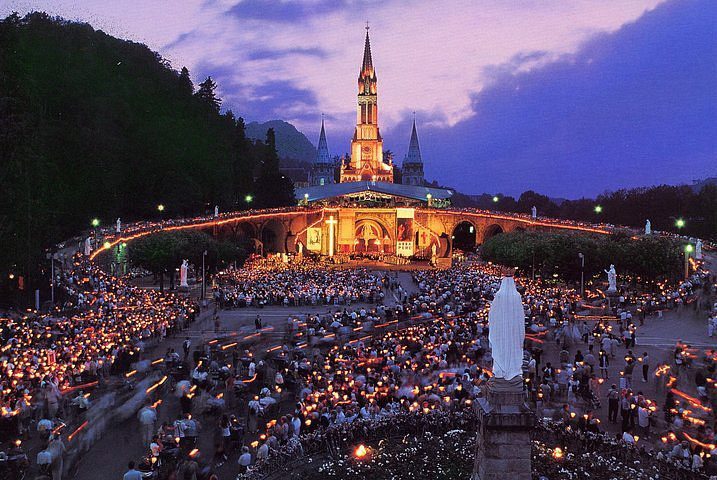
My pilgrimage to Lourdes, France, was more than a journey—it was a deeply personal experience of faith, family, and renewal. Traveling from Paris on a night couchette train, my family and I arrived in the quiet early hours, filled with anticipation and prayer. From our stay at Nunes House to participating in the sacred rituals of the Sanctuary, every moment was marked by reflection, unity, and spiritual purpose.

read more
My Pilgrimage to Lourdes, France

My Pilgrimage to Lourdes, France

My pilgrimage to Lourdes, France, was more than a journey—it was a deeply personal experience of faith, family, and renewal. Traveling from Paris on a night couchette train, my family and I arrived in the quiet early hours, filled with anticipation and prayer. From our stay at Nunes House to participating in the sacred rituals of the Sanctuary, every moment was marked by reflection, unity, and spiritual purpose.

read more
My Pilgrimage to Lourdes, France

My Pilgrimage to Lourdes, France

My pilgrimage to Lourdes, France, was more than a journey—it was a deeply personal experience of faith, family, and renewal. Traveling from Paris on a night couchette train, my family and I arrived in the quiet early hours, filled with anticipation and prayer. From our stay at Nunes House to participating in the sacred rituals of the Sanctuary, every moment was marked by reflection, unity, and spiritual purpose.

read more

Comments

Our Newsletter

Things that I Bring on Any Trip

Things that I Bring on Any Trip

Things that I Bring on Any Trip

When you travel solo, what you pack is your safety net, your peace of mind, and your freedom—especially when you’re hopping between transport modes, shifting plans on the fly, or landing somewhere you’ve never been. Over the years (and many miles), I’ve learned that the difference between a smooth journey and a stressful one often fits neatly into a bag: the right documents, a smart capsule wardrobe, a few stealthy safety tools, and a pinch of tech.

This is my field-tested master list—not a bulky “pack everything” inventory, but a purpose-built system that I bring on any trip. Along the way, I’ll share why each item earns a place in my bag, plus pro tips drawn from solo‑travel best practices: packing light, staying safe, saving money, and keeping your head clear so you can enjoy the ride.


1) The Non‑Negotiables: Documents & Money Setup

A. Passport + Digital & Paper Backups

  • Primary passport, with remaining validity that exceeds the destination’s requirement (many countries require at least 3–6 months beyond your return date).
  • Digital scans (phone + cloud) of passport, visas, tickets, insurance, and reservations; plus one paper copy stored separate from originals. Scanning apps like CamScanner create clear, fast copies.
  • Passport photos (spares) for visas on arrival or permit paperwork; they weigh nothing but can save hours at a border post.

Why it matters: Losing documents is one of the most common travel headaches. A digital/paper fallback gets you moving again faster and makes replacement claims easier.

B. Travel Insurance Proof

  • A printed policy certificate in a waterproof sleeve, plus a digital copy; note the 24/7 claims/assistance number. If you do adventure activities, confirm they’re covered (e.g., diving, trekking, snow sports).

Why it matters: Overseas medical bills are eye‑watering; evacuation costs can be astronomical. Good coverage is not optional.

C. Smart Money Stack

  • Primary card with no foreign transaction fees, plus a backup card stored elsewhere. Use hotel safes and split cards/cash across locations on your person and in your bag.
  • Small local‑currency stash for tips, kiosks, or power‑out moments; avoid airport exchanges (typically worse rates).
  • Money belt or hidden pouch (useful, but never keep everything in it).
  • ATM hygiene: use well‑lit, reputable machines; watch for skimmers; and opt to pay in local currency to dodge DCC fees.

Why it matters: Redundancy prevents “stranded with no funds” scenarios and slashes fees that quietly eat your budget.


2) Safety & Health Core Kit

A. Minimalist First‑Aid

  • Adhesive bandages, antiseptic wipes, basic pain reliever, and oral rehydration salts. Keep prescription meds in original packaging to avoid customs issues.
  • Compact blister care (trail days, city marathons—the moment you need it, you really need it).

B. Sleep & Personal Security

  • Personal safety alarm (>100 dB) and a portable door jammer for uncertain hotel/hostel doors.
  • Eye mask + earplugs: not just for flights; they’re sanity savers in bright rooms or lively neighborhoods.

C. Water & Food Sense

  • Reusable bottle (fill post‑security at airports; keep refilling to cut single‑use plastic and costs). Avoid ice where water safety is uncertain. Prioritize fresh, well‑cooked food and check venue hygiene.

Why it matters: Small, light items prevent big problems—sleep, hydration, and a dose of prevention make every day of your trip better. 


3) The Tech That Pulls Its Weight

A. Navigation & Connectivity

  • Offline maps (e.g., download areas in your maps app) + single earbud for turn‑by‑turn audio so your phone isn’t out and vulnerable. Smartwatches that vibrate for turns are discreet and safe.
  • VPN for public Wi‑Fi in airports/cafés/hotels; public networks often lack encryption.
  • Universal travel adapter with USB‑C PD, and a high‑capacity power bank—your lifeline on long transit days.

B. Trip Admin & Budgeting

  • Itinerary in a shareable note (give a trusted contact your flights, first stay, and check‑in rhythm).
  • Expense app (e.g., multi‑currency tracking) to keep your budget honest; overspent one day? Correct course the next.

Why it matters: Tech should reduce your “visible tourist profile,” keep you private on open networks, and make you self‑reliant without isolation.


4) Clothing: A Capsule That Works Everywhere

A. The Capsule Wardrobe Rules I Live By

  • Neutral palette, mix‑and‑match pieces—think black/white/denim plus two accents. Fewer, more versatile items beat single‑use “statement” pieces.
  • Roll, don’t fold; use compression packing cubes for order and space.
  • Wear the bulkiest items (jacket, heavier shoes) in transit to lighten the bag.
  • Heaviest items near the wheels of a rolling case to prevent tipping and protect delicates.

B. Footwear & Layers

  • One reliable walking shoe, one lighter pair (loafers or sandals/flips for showers/hostels), and a packable rain layer. If I add a third pair, it must earn its weight (e.g., trail‑capable).

C. Toiletries That Travel Well

  • Leak‑prevention: decant, then seal with clingfilm under caps, and pouch everything in a separate kit. Consider toothpaste tablets and shampoo bars—no spills, pack smaller, last longer.

Why it matters: Packing light is not aesthetic minimalism; it’s operational speed—fewer things to manage = more freedom to say yes to detours and local transport.


5) The Bag Strategy (a System, Not a Suitcase)

A. Know Your Airline Rules (Before the Airport Does)

Every carrier has its own size/weight for cabin and checked bags. Weigh at home with a luggage scale and leave margin for souvenirs.

B. My Three‑Bag Stack

  1. Main carry (40–60L backpack or compact roller depending on trip): holds clothes, shoes, bulkier items. Pack heavy near back/bottom (backpacks) or near wheels (rollers).
  2. Daypack: documents, money split, phone, camera, snacks, water, power bank, light layer. Keep a mini padlock handy in shared spaces.
  3. Flat sling/hidden pouch: passport + one card + emergency cash when in transit or dense crowds.

C. What Lives in the Daypack (Always Within Reach)

  • Documents (original + a copy) and insurance card
  • Hydration, snacks, and a compact first‑aid sachet
  • Battery pack + cable
  • Offline map phone + single earbud
  • Safety alarm and hand sanitizer
    All chosen so I can step off a train/coach and move, even if my main bag is delayed or gate‑checked.

6) Location‑Savvy Add‑Ons (Chosen on the Itinerary)

A. Water Safety & Heat

  • Filter bottle or purification drops where tap water isn’t potable; rehydrate aggressively in hot climates (alcohol dehydrates faster in heat).

B. Power & Connectivity

  • Local SIM/eSIM (or roaming bundle checked before departure to avoid bill shock). If roaming is pricey, Wi‑Fi + VPN is a safe pairing.

C. Cultural Fit & Community

  • Appropriate layers for religious sites; language cards for allergies or key phrases. Research neighborhood safety and local customs in advance.

Why it matters: These aren’t “maybe” items; they’re context responders—you add them when the destination demands them.


7) The “Confident Solo” Toolkit

Traveling alone is as safe as your preparation. This is the human‑layer gear I bring to keep risk low and confidence high:

  • Local emergency numbers saved in your phone (know the country code).
  • Check‑in ritual with a trusted person (e.g., “message when I land + after first hotel check‑in”). Share core itinerary (flights, first two stays).
  • Blend‑in strategy: keep valuables low‑profile, avoid flashy jewelry, and don’t linger with a giant paper map; navigate discreetly via audio or watch haptics.
  • Transport savvy: sit near exits, avoid isolated carriages late at night, keep backpack at your feet/front, book official taxis if in doubt.

Why it matters: Solo travel isn’t about fearlessness; it’s about systems that make you feel free because you are prepared.


8) Budget‑Friendly Habits That Start in Your Bag

  • Carry‑on only when possible to dodge baggage fees and sprint through arrivals.
  • Reusable bottle + snack kit to bypass expensive airport food and single‑use bottles.
  • Incognito mode when searching flights/hotels; set price alerts; consider mid‑week/off‑peak travel windows.
  • Loyalty programs (air/hotel) and advance attraction tickets for lower rates.

Why it matters: Saving isn’t about deprivation; it’s intentional habits that compound into an extra tour, a better meal, or another day on the road.


9) My “Any Trip” Packing List (Category by Category)

Below is the lean template I start from and adapt for climate, trip length, and purpose. It fits in a cabin‑legal setup and scales up/down easily.

Core Documents & Admin

  • Passport + visas (+ 2–4 spare photos) — originals + digital/paper backups
  • Travel insurance certificate + emergency number (printed + digital)
  • Cards (primary + backup), emergency cash split, money belt/hidden pouch
  • Confirmations (lodging, major transit), and a shared itinerary note

Safety/Health

  • Minimal first‑aid kit; personal meds in original packaging
  • Personal alarm; small door‑stop/door jammer; hand sanitizer
  • Reusable water bottle; electrolyte packets; sunscreen; lip balm
  • Earplugs + eye mask (hostels, night flights, bright rooms)

Tech

  • Phone with offline maps, VPN app; watch or earbud for discreet nav
  • Universal adapter; USB‑C PD charger; power bank; cables
  • Lightweight e‑reader or compact book (optional but morale‑boosting)

Clothing (Capsule)

  • 2–3 quick‑dry tees/shirts; 1 long‑sleeve layer; 1 light sweater or fleece
  • 2 bottoms (e.g., dark jeans/chinos + travel pant/short)
  • 1 packable rain/wind shell
  • 3–5 underwear; 2–3 socks (quick‑dry if you’ll wash on the go)
  • 1 primary walking shoe; 1 sandal/flat (or trail shoe if needed)
  • Sleepwear; compact hat/cap; slim scarf (doubles as temple cover or plane blanket)

Toiletries (Leak‑Smart)

  • Toothpaste tablets; shampoo bar; solid deodorant; razor (cap protected)
  • Travel‑size moisturizer/SPF
  • Microfiber towel if hostels/camping are in play
  • Zip pouch + clingfilm‑sealed lids for liquids to prevent explosions
  • Organization

Organization

  • 2–3 compression packing cubes; 1 laundry sack; 1 wet bag
  • Luggage scale (at home and return) to avoid check‑in drama
  • Tiny roll of duct tape + a few zip‑ties (bag fixes, shoe repairs, cable tie‑downs)

Optional (Trip‑Specific)

  • Filter bottle (for destinations with water uncertainty)
  • Lightweight lock for hostel lockers; small cable lock for zips
  • Swim gear; compact jump rope/resistance band for fitness
  • Fold‑flat tote (groceries/beach/day overflow)
  • Compact umbrella if forecast demands

10) Packing Process: How I Get Out the Door (Without Stress)

  1. Pull, then prune. Lay everything out, then remove the “nice‑to‑haves” until only essentials remain. Be ruthless; the road rewards it.
  2. Weigh and distribute. Heaviest items near wheels/back; weigh the case; leave buffer for the return.
  3. Liquids lockdown. Clingfilm under caps, then pouch all toiletries separately.
  4. Documents triple‑safe. Originals in sling; copies in daypack; scans in cloud/phone.
  5. Tech offline‑ready. Download maps, tickets, and entertainment; sync insurance policy; charge power bank.
  6. Money split. Primary card + small cash in sling; backup card + larger cash tucked away.
  7. Share the plan. Message your contact: flight number, first night address, check‑in cadence.

11) In‑Destination Habits That Make the Gear Work

  • Arrive routines: Screenshot the route from airport/station to lodging; if arriving late, consider a pre‑booked, vetted transfer.
  • Room sweep: Check locks, secondary latch; if you’re not sure, use your door stop. Valuables compartmentalized, not in one bag.
  • Public transport stance: Sit near exits; keep pack by your feet; avoid empty carriages at night.
  • Dining & hydration: Refill bottle, favor cooked foods, and avoid ice if water is questionable.
  • Social media lag: Post after you leave a place; don’t live‑broadcast your location in real time.

Why it matters: The most useful item in your bag is the habit that uses it at the right time. Systems > stuff.


12) Special Cases: Hostels, Tours, and Remote Trips

  • Hostels: Bring a padlock for lockers, flip‑flops for showers, and a light (phone or tiny torch) for late entries. Expect noise; earplugs are gold.
  • Organized tours: Great for remote/complex areas or when you want community/safety baked in—still keep your valuables on you and confirm what’s included vs extras.
  • Camping/Outdoors: Permit rules vary; research wildlife/insects, weather swings, and pack simplicity (first‑aid, light, power).

13) What I Don’t Bring (Anymore)

  • “Just in case” shoes (the third pair almost never earns its keep).
  • Bulky paper guidebooks (download chapters or keep notes in your maps app).
  • Full‑size toiletries (travel‑size solids shrink weight, leak less, and breeze through security).
  • Excess cash (split modestly; ATMs + cards do the heavy lifting, with the common‑sense caveats above).

14) The Payoff of the “Any Trip” Kit

Packing isn’t about constraints; it’s about capability. A tight, light kit:

  • Moves through airports like water
  • Jumps on buses and trains without a sweat
  • Lets you say yes to hikes, museum days, and serendipity
  • Keeps you safe without feeling paranoid
  • Keeps your budget intact and your hands free

And at the end of the day, it gives you the luxury that matters most in solo travel: choice. The choice to linger longer, to wander down a side street, to take that last‑minute train, to meet a stranger for dinner, or to simply watch a city wake up from a quiet café—because your bag isn’t a burden and your bases are covered.


Quick Reference: “Zip‑Out the Door” Checklist

  • Documents: Passport (+ copies), visas, insurance, itinerary shared
  • Money: 2 cards split, local cash, money belt/pouch
  • Safety/Health: First‑aid mini, meds (original boxes), alarm, door stop
  • Tech: Phone (offline maps), VPN, adapter, power bank, cables
  • Clothes: Capsule + rain layer; walking shoes on; cubes loaded
  • Toiletries: Solids where possible; liquids sealed; towel if needed
  • Bags: Main + daypack + slim sling; weight checked; locks packed

Final Thought

Wherever you’re headed—city breaks, rail journeys, coastal road trips, or into the wild—this compact system scales. Add a filter bottle for places with iffy water, throw in a mid‑layer for the mountains, or swap sandals for trail shoes when nature calls. Keep the core tight, and you’ll always have room for what travel gives you in return: confidence, connection, and uninterrupted curiosity.

More From This Category

The World’s Most Extraordinary Hotels

The World’s Most Extraordinary Hotels

Welcome to one of the most fascinating and fast-growing niches in the world of hospitality: the converted prison hotel. From Cornwall to Kyoto, from Boston to the Netherlands, former places of punishment and incarceration are being reimagined as some of the most distinctive luxury properties on the planet. The cell is now a suite. The exercise yard is now a courtyard garden. The dock where the condemned once stood is now a cocktail bar.

read more
The World’s Most Extraordinary Hotels

The World’s Most Extraordinary Hotels

Welcome to one of the most fascinating and fast-growing niches in the world of hospitality: the converted prison hotel. From Cornwall to Kyoto, from Boston to the Netherlands, former places of punishment and incarceration are being reimagined as some of the most distinctive luxury properties on the planet. The cell is now a suite. The exercise yard is now a courtyard garden. The dock where the condemned once stood is now a cocktail bar.

read more
The World’s Most Extraordinary Hotels

The World’s Most Extraordinary Hotels

Welcome to one of the most fascinating and fast-growing niches in the world of hospitality: the converted prison hotel. From Cornwall to Kyoto, from Boston to the Netherlands, former places of punishment and incarceration are being reimagined as some of the most distinctive luxury properties on the planet. The cell is now a suite. The exercise yard is now a courtyard garden. The dock where the condemned once stood is now a cocktail bar.

read more

Comments

Our Newsletter

How to Travel for Only $30 a Day

How to Travel for Only $30 a Day

How to Travel Anywhere in the World for Only $30 a Day

Traveling the world sounds like a luxury reserved for the wealthy or the lucky few. But what if I told you that you could explore almost any corner of the globe for just $30 a day? It’s not a fantasy—it’s a strategy. With smart planning, a minimalist mindset, and a few insider tricks, you can stretch your dollars further than you ever imagined.

This guide is your blueprint to budget travel. Whether you’re backpacking through Southeast Asia, road-tripping across Europe, or exploring the wilds of South America, here’s how to make $30 a day work for you—without sacrificing the joy of the journey.


1. Rethink What Travel Means

Traveling on a budget doesn’t mean missing out. It means redefining luxury. Instead of five-star hotels, think five-star sunsets. Instead of expensive tours, think immersive local experiences. The goal is to travel deeper, not just wider.


2. Budget Breakdown: Where Your $30 Goes

Here’s a rough daily budget that works in many parts of the world:

  • Accommodation: $10–12 (hostels, guesthouses, homestays)
  • Food: $8–10 (street food, groceries, local cafés)
  • Transport: $3–5 (public transport, walking, bike rentals)
  • Activities: $3–5 (free tours, museums, nature hikes)

This adds up to around $30/day. Some days you’ll spend less, others a bit more—but it balances out.


3. Accommodation: Sleep Cheap, Sleep Smart

🛏️ Hostels Are Your Best Friend

Hostels are the go-to for budget travelers. They’re not just cheap—they’re social hubs where you can meet fellow adventurers, share tips, and even split costs on transport or food.

  • Dorm beds can cost as little as $5–15 per night in many countries.
  • Look for hostels with free breakfast, kitchen access, and Wi-Fi.
  • Use apps like Hostelworld or Booking.com to compare prices and reviews.

🏡 Try Homestays and Guesthouses

In rural areas or less touristy regions, hostels may be rare. That’s where guesthouses and homestays shine. They’re often cheaper and offer a more authentic experience.

  • Use platforms like Airbnb to find private rooms for $10–20.
  • Some hosts may offer meals or local tours for free or a small fee.

🛖 Alternative Options

  • Couchsurfing: Stay with locals for free.
  • Work exchanges: Websites like Workaway or WWOOF offer free lodging in exchange for a few hours of work.
  • Camping: In some countries, wild camping is legal and free (e.g., Scotland, Sweden, New Zealand).

4. Food: Eat Like a Local

🍜 Street Food Is Gold

Street food is not only cheap—it’s often the most authentic and delicious way to experience a culture.

  • Meals can cost as little as $1–3 in places like Thailand, India, or Mexico.
  • Look for busy stalls with locals—it’s a sign of freshness and quality.

🛒 Cook Your Own Meals

If your accommodation has a kitchen, take advantage of it.

  • Shop at local markets or supermarkets.
  • Cook simple meals like pasta, rice dishes, or sandwiches.
  • Carry a reusable water bottle to avoid buying bottled water.

🍽️ Avoid Tourist Traps

Restaurants near major attractions often charge inflated prices.

  • Walk a few blocks away to find local eateries.
  • Use Google Maps or TripAdvisor to find budget-friendly spots.

5. Transportation: Move Like a Local

🚶 Walk or Bike

Walking is free and gives you the best feel for a place. Many cities also offer cheap bike rentals or free walking tours.

🚌 Public Transport Over Taxis

  • Buses, metros, and trains are significantly cheaper than taxis or ride-shares.
  • In some cities, you can get unlimited daily or weekly passes.

🚗 Long-Distance Travel

  • Use budget bus companies like FlixBus (Europe), RedBus (India), or Megabus (USA).
  • Trains can be affordable with passes like Interrail/Eurail in Europe.
  • Consider overnight buses or trains to save on a night’s accommodation.

6. Activities: Free and Fabulous

🏞️ Nature Is Free

  • Hike, swim, explore beaches, mountains, and parks.
  • Many national parks have free or low-cost entry.

🏛️ Free Museums and Attractions

  • Many cities offer free museum days or donation-based entry.
  • Look for free walking tours (just tip your guide).

🎭 Local Events and Festivals

  • Check local listings for free concerts, markets, or cultural events.
  • Join community meetups or language exchanges.

7. Travel Hacking: Save Before You Go

💳 Use Travel Reward Credit Cards

  • Earn points or miles on everyday purchases.
  • Redeem for free flights or hotel stays.

🧳 Pack Smart

  • Avoid checked baggage fees by packing light.
  • Use a carry-on backpack (40–50L) and pack versatile clothing.

💻 Book Smart

  • Use incognito mode when searching for flights and hotels.
  • Set price alerts on Google Flights or Skyscanner.
  • Be flexible with dates and destinations to find the best deals.

8. Budgeting on the Go

📱 Track Your Spending

Use apps like:

  • TravelSpend: Track expenses in multiple currencies.
  • Trail Wallet: Set daily budgets and monitor spending.
  • Splitwise: Great for sharing costs with travel buddies.

💸 Have a Daily Limit

  • Stick to your $30/day goal.
  • If you overspend one day, cut back the next.
  • Prioritize what matters most to you—skip the things you don’t care about.

9. Travel Insurance: Don’t Skip It

It might seem like an extra cost, but travel insurance can save you thousands in case of emergencies.

  • Look for policies that cover medical expenses, theft, and cancellations.
  • Some credit cards offer free travel insurance—check before you buy.

10. Go Where Your Money Goes Further

Some destinations are naturally more budget-friendly. Here are a few where $30/day is more than enough:

🌏 Asia

  • Vietnam, Thailand, Indonesia, Nepal, India, Laos

🌍 Africa

  • Morocco, Egypt, Ethiopia, Tanzania

🌎 Latin America

  • Guatemala, Nicaragua, Bolivia, Colombia

🌍 Eastern Europe

  • Romania, Bulgaria, Albania, Georgia

11. Travel Slowly

The faster you move, the more you spend. Slow travel saves money and deepens your experience.

  • Stay longer in one place to get discounts on accommodation.
  • Take local transport instead of flights.
  • Get to know the community and find hidden gems.

12. Work While You Travel

If you want to extend your trip or boost your budget:

  • Freelance online: Writing, design, teaching English
  • Work exchanges: Workaway, WWOOF, HelpX
  • Seasonal jobs: Hostels, farms, tourism

13. Be Flexible and Open-Minded

The key to traveling on $30 a day is adaptability.

  • Be open to changing plans based on deals or opportunities.
  • Say yes to shared rides, group meals, or free activities.
  • Embrace the unexpected—it’s often where the magic happens.

14. Sample $30/Day Itinerary: Vietnam

Here’s how a day in Vietnam might look on a $30 budget:

Category Cost (USD) Details
Accommodation $8 Hostel dorm with breakfast
Food $7 Pho for breakfast, banh mi lunch, local dinner
Transport $2 Bus and Grab scooter
Activities $5 Museum entry + free walking tour
Extras $3 Coffee, snacks
Total $25 Room to spare for emergencies or treats

15. Final Thoughts: Freedom on a Budget

Traveling the world on $30 a day isn’t just about saving money—it’s about gaining freedom. It’s about proving that adventure doesn’t have to be expensive. With the right mindset and a few smart strategies, you can go further, stay longer, and experience more.

So pack your bag, trust your instincts, and hit the road. The world is waiting—and it’s more affordable than you think.

More From This Category

The World’s Most Extraordinary Hotels

The World’s Most Extraordinary Hotels

Welcome to one of the most fascinating and fast-growing niches in the world of hospitality: the converted prison hotel. From Cornwall to Kyoto, from Boston to the Netherlands, former places of punishment and incarceration are being reimagined as some of the most distinctive luxury properties on the planet. The cell is now a suite. The exercise yard is now a courtyard garden. The dock where the condemned once stood is now a cocktail bar.

read more
The World’s Most Extraordinary Hotels

The World’s Most Extraordinary Hotels

Welcome to one of the most fascinating and fast-growing niches in the world of hospitality: the converted prison hotel. From Cornwall to Kyoto, from Boston to the Netherlands, former places of punishment and incarceration are being reimagined as some of the most distinctive luxury properties on the planet. The cell is now a suite. The exercise yard is now a courtyard garden. The dock where the condemned once stood is now a cocktail bar.

read more
The World’s Most Extraordinary Hotels

The World’s Most Extraordinary Hotels

Welcome to one of the most fascinating and fast-growing niches in the world of hospitality: the converted prison hotel. From Cornwall to Kyoto, from Boston to the Netherlands, former places of punishment and incarceration are being reimagined as some of the most distinctive luxury properties on the planet. The cell is now a suite. The exercise yard is now a courtyard garden. The dock where the condemned once stood is now a cocktail bar.

read more

Comments

Our Newsletter

Tips for Planning a Trip

Tips for Planning a Trip

Tips for Planning a Trip: A Solo Traveler’s Guide to Stress-Free Adventures

Planning a solo trip can feel like solving a puzzle with a thousand pieces. There’s the thrill of choosing a destination, the excitement of booking flights, and the anticipation of new experiences. But let’s be honest—there’s also a fair bit of stress. From figuring out visas to packing the right gear, the pre-trip process can be overwhelming, especially when you’re going it alone.

But here’s the good news: with the right approach, planning your solo adventure can be just as enjoyable as the journey itself. Whether you’re heading off for a weekend escape or a multi-country expedition, these tips will help you plan a trip that’s smooth, safe, and unforgettable.


1. Choosing Your Destination: Start with a Dream, Then Get Practical

The first step in planning any trip is deciding where to go. For solo travelers, this decision carries extra weight. You want a place that excites you, but also one that’s safe, accessible, and solo-friendly.

Make a Shortlist

Start by jotting down 5–10 destinations that spark your curiosity. Maybe you’ve always dreamed of hiking in Patagonia, exploring the temples of Kyoto, or sipping espresso in a Parisian café. Don’t worry about logistics just yet—this is your chance to dream big.

Do a Quick Reality Check

Once you have your list, do some light research on each destination. Look into:

  • Flight and accommodation costs
  • Visa requirements
  • Safety for solo travelers
  • Language barriers
  • Cultural norms

This will help you narrow down your options based on your budget, comfort level, and travel goals.


2. Booking Flights and Accommodation: The Art of the Deal

Once you’ve chosen your destination, it’s time to book your flights and accommodation. This is where things start to feel real—and where you can save a lot of money with a little strategy.

Use Comparison Sites

Flight and hotel comparison websites are your best friends. Tools like Skyscanner, Google Flights, and Booking.com allow you to compare prices across multiple providers. If your travel dates are flexible, you can often find cheaper options by flying mid-week or during off-peak seasons.

Check Direct Booking Options

Sometimes, booking directly through an airline or hotel can offer better deals or perks like free upgrades, flexible cancellations, or loyalty points. Always compare both options before clicking “book.”

Balance Flight and Hotel Costs

A cheap flight might coincide with expensive hotel rates, and vice versa. Take a holistic view of your travel dates and try to find a balance that works for your budget.


3. Passport, Visas, and Vaccinations: Don’t Skip the Admin

It’s not glamorous, but getting your paperwork in order is crucial.

Check Your Passport

Make sure your passport is valid for at least six months beyond your return date. If it’s close to expiring, renew it early—processing can take weeks.

Research Visa Requirements

Some countries offer visa-free entry or visa-on-arrival for your nationality, while others require advance applications. Check official government websites for up-to-date information.

Vaccinations and Health Advice

Some destinations require proof of vaccinations (like yellow fever), especially if you’re coming from certain countries. Check with your doctor or a travel clinic well in advance.


4. Budgeting: Make Your Money Work for You

Traveling solo means you’re footing the entire bill, so budgeting is key.

Estimate Your Costs

Start by estimating your major expenses:

  • Flights
  • Accommodation
  • Food and drink
  • Transportation
  • Activities and tours
  • Travel insurance
  • Emergency fund

Use online tools and travel blogs to get a sense of average daily costs in your destination.

Set a Savings Goal

Once you know your estimated costs, set a savings goal and timeline. Consider opening a dedicated travel savings account or using a budgeting app to track your progress.

Look for Ways to Save

  • Travel during shoulder seasons
  • Use public transport instead of taxis
  • Cook some of your own meals
  • Book attractions in advance for discounts
  • Use loyalty programs and travel rewards

5. Creating Your Itinerary: Plan, But Leave Room to Breathe

An itinerary helps you make the most of your time, but don’t over-schedule yourself.

List Your Must-Sees

Start by listing the top attractions, experiences, or neighborhoods you want to explore. Use Google Maps to pin locations and estimate travel times between them.

Build in Flexibility

Leave space for spontaneity. Maybe you’ll meet someone who recommends a hidden gem, or you’ll want to spend an extra day in a place you love. Having a flexible plan allows you to say “yes” to unexpected adventures.

Have a Backup Plan

Weather, closures, or delays can throw a wrench in your plans. Always have a few alternative activities in your back pocket.


6. Packing Smart: Less is More

When you’re traveling solo, you’re the one carrying your bags—so pack light.

Start Early

Don’t leave packing to the last minute. Start a few days in advance so you have time to remember essentials or buy anything you’re missing.

Use a Capsule Wardrobe

Choose versatile clothing that can be mixed and matched. Stick to a simple color palette and pack layers for changing weather.

Use Packing Cubes

Packing cubes help keep your bag organized and make it easier to find what you need. Roll your clothes to save space and reduce wrinkles.

Know Your Airline’s Baggage Policy

Check your airline’s baggage allowance and weigh your bag before heading to the airport. A luggage scale can save you from surprise fees.


7. Staying Safe and Connected: Peace of Mind on the Road

Safety is a top concern for solo travelers, but a few precautions can go a long way.

Share Your Itinerary

Let a trusted friend or family member know your travel plans and check in regularly. Apps like Life360 or Find My Friends can help them track your location if needed.

Keep Digital and Physical Copies of Documents

Scan your passport, visa, insurance, and important bookings. Store them in the cloud and carry printed copies in a separate bag.

Use a VPN

Public Wi-Fi isn’t always secure. Use a VPN to protect your data when browsing or booking online.

Stay Aware

Avoid poorly lit or isolated areas at night, keep your valuables secure, and trust your instincts. If something feels off, remove yourself from the situation.


8. Embracing Spontaneity: Leave Room for Magic

One of the joys of solo travel is the freedom to follow your curiosity.

Say Yes to New Experiences

Whether it’s a cooking class, a group hike, or a local festival, be open to trying new things. These moments often become the highlights of your trip.

Don’t Over-Plan

It’s tempting to fill every hour with activities, but some of the best experiences happen when you slow down. Leave time to wander, people-watch, or just relax.


9. Using Technology to Your Advantage

Your smartphone is your best travel companion.

Download Offline Maps

Apps like Google Maps and Maps.me let you download maps for offline use—perfect for navigating without data.

Use Travel Apps

  • TripIt: Organize your itinerary
  • Rome2Rio: Find transport options
  • Google Translate: Break language barriers
  • XE Currency: Convert prices on the go
  • TravelSpend: Track your expenses

Stay Charged

Bring a portable charger and universal adapter. You don’t want to be stuck without power when you need directions or to call for help.


10. Final Thoughts: Confidence Comes with Preparation

Planning a solo trip doesn’t have to be stressful. With a bit of research, smart budgeting, and a flexible mindset, you can create a journey that’s uniquely yours. Remember, every solo traveler starts somewhere—and with each trip, your confidence will grow.

So go ahead: book that flight, pack your bag, and step into the unknown. The world is waiting—and you’ve got this.

More From This Category

The World’s Most Extraordinary Hotels

The World’s Most Extraordinary Hotels

Welcome to one of the most fascinating and fast-growing niches in the world of hospitality: the converted prison hotel. From Cornwall to Kyoto, from Boston to the Netherlands, former places of punishment and incarceration are being reimagined as some of the most distinctive luxury properties on the planet. The cell is now a suite. The exercise yard is now a courtyard garden. The dock where the condemned once stood is now a cocktail bar.

read more
The World’s Most Extraordinary Hotels

The World’s Most Extraordinary Hotels

Welcome to one of the most fascinating and fast-growing niches in the world of hospitality: the converted prison hotel. From Cornwall to Kyoto, from Boston to the Netherlands, former places of punishment and incarceration are being reimagined as some of the most distinctive luxury properties on the planet. The cell is now a suite. The exercise yard is now a courtyard garden. The dock where the condemned once stood is now a cocktail bar.

read more
The World’s Most Extraordinary Hotels

The World’s Most Extraordinary Hotels

Welcome to one of the most fascinating and fast-growing niches in the world of hospitality: the converted prison hotel. From Cornwall to Kyoto, from Boston to the Netherlands, former places of punishment and incarceration are being reimagined as some of the most distinctive luxury properties on the planet. The cell is now a suite. The exercise yard is now a courtyard garden. The dock where the condemned once stood is now a cocktail bar.

read more

Comments

Our Newsletter

The 10 Best Destinations to Visit

The 10 Best Destinations to Visit

The 10 Best Destinations to Visit in 2025: A Field‑Tested, Shoulder‑Season Friendly Guide

From Arabia’s ochre wadis to New Zealand’s glacier‑fed lakes, this is your definitive,  playbook for choosing, timing, and savoring 2025’s most rewarding trips—curated with a mix of classic icons and fresh, editor‑backed picks.

How this list was built: I cross‑referenced the Outlook travel family’s 2025 features (which spotlight deep, on‑the‑ground destination guides) with independent global roundups and trend reports to triangulate both timing and experience quality. The result favors shoulder seasons, novel experiences, and places balancing infrastructure with authenticity.


1) Oman — Arabia’s Soft Power of Hospitality

Why go now
Oman is what much of the Arabian Peninsula looked like before mega‑projects: quiet fort towns, incense markets, and wadis you actually hear before you see. Between Muscat’s seaside corniche, the Hajar Mountains (Jebel Akhdar/Jebel Shams), and the Wahiba Sands, the country’s variety rewards a slow week over a quick city break. Unlike some neighbors, Oman’s development has skewed toward sustainable luxury and low‑impact desert/lodge stays—ideal for travelers who want immersion without spectacle. [outlooktravelmag.com]

Best time
October–April for cooler mountain and desert nights. Summer is intense in the interior.

Essential experiences

  • Wadi Shab/Wadi Tiwi: canyon pools, short hikes, a hidden cave waterfall.
  • Nizwa Friday market: goats, dates, and silver—old Oman at full color.
  • Jebel Akhdar terraces: pomegranate and rose‑water villages with eco‑lodges perched over wadis. [outlooktravelmag.com]

2‑day micro‑itinerary
Day 1: Muscat’s Sultan Qaboos Grand Mosque → Mutrah Corniche sunset walk → seafood mezze.
Day 2: Dawn drive to Nizwa souk → Birkat Al Mouz falaj walk → Jebel Akhdar viewpoints → stargaze from your clifftop hotel.

Travel smart
Self‑drive is easy; roads are excellent. Plan conservative driving windows in mountain roads after dark.


2) Galápagos Islands, Ecuador — Evolution, Unplugged

Why go now
The Galápagos are the rare place where wildlife curiosity overrides human schedule. September/October can deliver cooler seas and fewer crowds, with nutrient‑rich waters boosting activity (think penguins darting past your fins). Live‑aboard itineraries knit together uninhabited islands, while land‑based stays on Santa Cruz/San Cristóbal suit travelers who prefer to sleep ashore. [outlooktravelmag.com]

Best time
Year‑round—with two seasons. For fewer people and active marine life, the cool/dry season (June–Nov) shines.

Essential experiences

  • Snorkel with sea lions at Kicker Rock or Los Túneles.
  • Hike volcanic calderas on Isabela; meet giant tortoises at breeding centers.
  • Night skies from boat decks—zero light pollution. [outlooktravelmag.com]

Travel smart
Permits, park rules, and guide ratios are strict (good!). Book licensed operators early; double‑check routes to include your must‑see species.


3) Luxembourg — Pocket‑Sized Europe with Big‑City Polish

Why go now
Luxembourg City squeezes medieval fortifications, sky‑bridges, leafy gorges, and a genuinely cosmopolitan food scene into an easy weekend. Venture east to Mullerthal, dubbed “Little Switzerland,” for sandstone gorges and mossy fairy‑tale trails. It’s a perfect add‑on to a Benelux/Alsace loop or a low‑stress base with top public transport and multilingual ease. [outlooktravelmag.com]

Best time
April–June and September–October for crisp air and colorful forests.

Essential experiences

  • UNESCO Old Quarters and Casemates du Bock.
  • Echternach–Mullerthal hiking circuits.
  • Riesling tastings along the Moselle. [outlooktravelmag.com]

Travel smart
Public transport is free nationwide—a delight for day‑tripping hikers. Book weekends early; rooms are limited in the countryside.


4) Namibia — The Anatomy of Silence

Why go now
Namibia is Africa’s masterclass in negative space: endless Namib Desert dunes, fossilized valleys, shipwrecked coastlines, and Etosha’s waterholes where oryx, elephant, and lion stage twilight vignettes. Tourism leans toward small camps with stellar guides, kept intentionally low‑density to protect fragile ecosystems. [outlooktravelmag.com]

Best time
May–October for dry season wildlife; April/November for shoulder‑season softness.

Essential experiences

  • Sossusvlei/Deadvlei: hike “Big Daddy” dune at dawn; photograph camel‑thorn silhouettes.
  • Skeleton Coast flightseeing: read shipwreck scars from the sky.
  • Etosha waterholes at dusk—park benches as theater seats. [outlooktravelmag.com]

Travel smart
Self‑drive is popular but distances are vast; plan redundant fuel/water. Book hybrid lodge + mobile safari to balance comfort with reach.


5) Grenada — The Caribbean with Roots Showing

Why go now
Grenada resists the cookie‑cutter Caribbean script. You get classic beaches but also mangrove creeks, rainforests that smell like nutmeg cake, and genuine street‑corner smiles. It’s also a ramp for divers—reefs, wrecks, and the photogenic Underwater Sculpture Park. [outlooktravelmag.com]

Best time
December–April (dry); May/June shoulder season is beautiful with better rates.

Essential experiences

  • Grand Anse at sunrise; Gouyave fish Friday by night.
  • Rainforest spice trails in the interior; chocolate estates to sip and tour.
  • Snorkel the sculptures off Molinière Bay. [outlooktravelmag.com]

Travel smart
It’s hilly—budget for taxis/car rental if you want to roam. Book smaller inns or eco‑lodges for a community vibe.


6) Gibraltar — A One‑Rock World Tour

Why go now
Part fortress, part nature reserve, Gibraltar is where a day’s walk ricochets from Moorish castle to WWII tunnels to Mediterranean balconies. The Rock’s upper reaches house Barbary macaques, Europe’s cheekiest primates, and views fan out to Africa on clear days. Compact and walkable, it’s an unusual Mediterranean detour that pairs easily with Andalucía or the Costa del Sol. [outlooktravelmag.com]

Best time
March–May and September–November—pleasant temps, gentler crowds.

Essential experiences

  • Mediterranean Steps hike.
  • St. Michael’s Cave sound‑and‑light show.
  • Moorish Castle + WWII tunnels for time‑layered history. [outlooktravelmag.com]

Travel smart
Border waits can vary; carry passports even on day‑trips from Spain. Book timed entries for caves/tunnels in peak months.


7) Montréal, Canada — A Four‑Season Culture Engine

Why go now
Montréal mixes Old‑World façades with indie festivals, cutting‑edge gastronomy, and parks stitched by riverfront bike paths. Autumn brings crisp air, markets, and maple‑tinged weekenders to the Laurentians. The city’s bilingual pulse and neighborhood mosaics (Plateau, Mile‑End, Little Burgundy) make it endlessly explorable. [outlooktravelmag.com]

Best time
September–October for color; June–July for festivals.

Essential experiences

  • Old Montréal sunrise walk; Notre‑Dame Basilica light show.
  • Jean‑Talon Market tastings; Mile‑End bagels vs. smoked meat.
  • Mount Royal sunset steps; Lachine Canal biking. [outlooktravelmag.com]

Travel smart
Buy a 3‑day OPUS pass; use BIXI bikes to stitch neighborhoods together.


8) Kyoto, Japan — Rituals Between Seasons

Why go now
Spring cherry blossom may be famous, but September in Kyoto whispers—temples are calmer, foliage begins subtle shifts, and traditional neighborhoods breathe without the crush. Cultural festivals return, tea rooms feel unhurried, and the first autumn flavors creep onto kaiseki menus. [travelupo.com]

Best time
Late Sept–Nov for autumn architecture of color; March–April if blossoms are non‑negotiable.

Essential experiences

  • Fushimi Inari at dawn; Kiyomizu‑dera terraces at twilight.
  • Tea ceremony in Gion; Arashiyama bamboo on a rainy weekday.
  • Day‑trips to Uji (matcha) or Nara (temples + deer). [travelupo.com]

Travel smart
Use the ICOCA card for transit; book temples with timed entries if available; learn three phrases—sumimasen, arigatō, onegaishimasu—and watch doors open.


9) Santorini, Greece — The Caldera in Soft Focus

Why go now
In September, Santorini still wears bright light but loses summer’s elbow‑to‑elbow crush. The Aegean stays swim‑warm; harvest season spices wine tours; and clifftop villages, from Oia to Imerovigli, exhale enough that you can hear church bells again. [travelupo.com]

Best time
May–June, September–October for weather + space balance.

Essential experiences

  • Hike Fira → Oia along the rim; time it for sunset finish.
  • Assyrtiko wine tastings in Pyrgos/Megalochori.
  • Ammoudi Bay swims and grilled octopus lunches. [travelupo.com]

Travel smart
Stay in Imerovigli for sweeping views without Oia prices. Book early‑morning photo sessions to have lanes to yourself.


10) Queenstown, New Zealand — The Pulse of the Southern Alps

Why go now
Queenstown is equal parts adrenaline and pastel‑calm. Mornings can be jet‑boat roars; evenings, Central Otago pinot over mirror‑still lake light. With Fiordland doable as a day trip and Arrowtown a 20‑minute hop for gold‑rush charm, you can base in one spot and touch several worlds. [gowanderly.com]

Best time
November–April for tramping and lake days; June–September for snow.

Essential experiences

  • Ben Lomond summit or Skyline gondola + luge for a lighter leg day.
  • Glenorchy road: every bend a film still.
  • Milford Sound flight‑cruise‑flight splurge on a bluebird day. [gowanderly.com]

Travel smart
Book the big‑ticket adventures early (bungy, Milford flights). Build buffer days—South Island weather calls audibles.


How to Choose Among the 10 (Without Getting FOMO)

You want wildlife + water: Galápagos (marine life, permits, guided access) vs. Namibia (land wildlife, self‑drive).
You want culture layers in compact spaces: Luxembourg, Gibraltar, Montréal.
You want landscapes + low crowds: Oman (Oct–Apr), Namibia (May–Oct), Queenstown (Nov–Dec shoulder).
You want cuisine you’ll dream about later: Kyoto (kaiseki, tea), Montréal (market‑to‑table), Grenada (spice/chocolate). [outlooktravelmag.com], [travelupo.com]


Smart Timing: Why Shoulder Season Wins in 2025

Multiple 2025 roundups and planning guides spotlight shoulder‑season travel (late spring/early autumn in each hemisphere) for better prices, easier restaurant reservations, and fewer queues at signature sites. Lists from seasoned travel editors and data‑driven outlets alike highlight September as a “golden” month for Europe and East Asia, while southern destinations (Namibia, New Zealand) balance weather with availability outside peak holiday weeks. [thepointsguy.com], [muchbetter…ntures.com]


On‑the‑Ground Playbook (Works Across All 10)

1) Build an anchor ritual per day
In Kyoto, a dawn shrine walk; in Oman, sunset tea facing an empty wadi; in Queenstown, a lakefront stroll at blue hour. One ritual = a memory hook.

2) Spend, then save (strategically)
Splurge on the experience you’ll retell (Milford flight, private Galápagos snorkeling guide, desert camp under a billion stars); economize on transit days. This mirrors 2025’s “bliss travel” trend—intentional high‑impact moments over constant luxury. [forbes.com]

3) Book the bottlenecks early

4) Use shoulder‑season weather windows

5) Respect living places
Churches, temples, wildlife zones: learn simple etiquette (head cover where appropriate, shoes off, quiet zones; observe park distances and no‑flash policies). Your photos will be better; your welcome, warmer.


Mini‑Itineraries You Can Copy‑Paste

A) 10 Days of Desert & Sea (Oman + Dubai Gateway)

  • D1–2 Muscat: Mosque, Mutrah, Qantab beach.
  • D3–4 Nizwa & Jebel Akhdar: Souk Friday, terrace villages, wadi viewpoints.
  • D5 Wahiba Sands: Camel sunset, Bedouin dinner, star baths.
  • D6–7 Sur & Wadi Shab/Tiwi: Coastal hike + sinkholes.
  • D8–10 Extra day Musandam (if flights align) or Muscat spa day + flight out. [outlooktravelmag.com]

B) 9 Days on the Rim (Santorini + Crete)

  • D1–3 Santorini: Caldera trail, Ammoudi swims, Pyrgos winery.
  • D4–8 Crete (Heraklion/Chania): Minoan sites, Samaria Gorge, Balos Lagoon.
  • D9 Athens layover for museum sprint. [travelupo.com]

C) 12 Days of Quiet Luxury (Namibia Self‑Drive)

  • D1–2 Windhoek → Sossusvlei: Deadvlei at dawn.
  • D3–4 Swakopmund/Skeleton Coast flight.
  • D5–7 Damaraland: Desert elephants, petroglyphs.
  • D8–11 Etosha: East–west waterhole circuit.
  • D12 Return + city craft market. [outlooktravelmag.com]

D) 7 Days of Temples & Tea (Kyoto Core + Uji/Nara)

  • D1 Fushimi Inari sunrise; Nishiki market lunch.
  • D2 Kiyomizu‑dera twilight; Gion tea ceremony.
  • D3 Arashiyama on a rainy weekday; Otagi Nenbutsu‑ji.
  • D4 Uji matcha immersion.
  • D5 Nara day‑trip; Kasuga Taisha lanterns.
  • D6 Philosopher’s Path; nanzen‑ji gardens.
  • D7 Free day for artisan workshops. [travelupo.com]

Responsible Travel Notes (Because Good Trips Do No Harm)

  • Galápagos: Choose operators with strong conservation credentials; strictly follow guide instructions (distance to wildlife, no crumbs, no drones). [outlooktravelmag.com]
  • Namibia: Stick to tracks; pack out all waste; support conservancy‑run camps. [outlooktravelmag.com]
  • Oman/Santorini/Kyoto/Montréal: Respect prayer times, residential quiet hours, and “no photo” signs; buy from local makers instead of chain souvenir shops. [travelupo.com], [outlooktravelmag.com]

Quick‑Glance Planning Table

Use this as a cheat sheet when comparing windows and anchor experiences.

Destination Best Window (2025) Anchor Experience 2 Budget Savers
Oman Oct–Apr Wadi Shab & Jebel Akhdar terrace villages Self‑drive; eat at local “coffee shops”
Galápagos Jun–Nov (cooler seas) Snorkel with sea lions & penguins Land‑based base + day boats; shoulder dates
Luxembourg Sept–Oct Mullerthal trails + UNESCO Old Quarters Free public transport; picnic lunches
Namibia May–Oct Sossusvlei dunes + Etosha waterholes Mix camping with lodge nights; self‑drive
Grenada Dec–Apr (dry) / May–Jun (shoulder) Underwater Sculpture Park + spice estates Local minibuses; guesthouses
Gibraltar Mar–May & Sep–Nov Mediterranean Steps hike Walk or bus everywhere; day‑trip from Spain
Montréal Sep–Oct (fall) Markets + Mount Royal at sunset BIXI bikes; OPUS transit pass
Kyoto Late Sep–Nov (autumn) Dawn shrine walks + tea ceremony ICOCA transit; neighborhood business hotels
Santorini May–Jun, Sep–Oct Caldera rim hike; Assyrtiko tastings Base in Imerovigli or Pyrgos; bus network
Queenstown Nov–Apr (hiking) / Jun–Sep (snow) Milford Sound flight‑cruise‑flight Free lakeside trails; cook a few meals

Bonus: A UNESCO Day in Goa (for Faith & Architecture Fans)

If your 2025 travels run through India, add a day in Old Goa: the Churches and Convents of Goa form a compact UNESCO ensemble, anchored by the Basilica of Bom Jesus (tomb of St. Francis Xavier) and the Sé Cathedral. It’s a powerful, contemplative counterpoint to the beach narrative and an instructive look at how Baroque, Mannerist, and Manueline forms traveled across oceans.


Sources & Further Reading

  • Outlook travel family (2025 guides and current features):
    Outlook Traveller Aug–Sep 2025 hub (global & India features; spiritual travel theme anchoring several of the destinations above).
    Outlook Travel Magazine Issue 22 (Sept 2025) destination guides for Oman, Galápagos, Luxembourg, Namibia, Grenada, Gibraltar, Montréal. [outlooktraveller.com] [outlooktravelmag.com]

  • Independent lists & timing intel (2024–2025):
    — Shoulder‑season picks & “where to go in 2025” roundups emphasizing September/early autumn travel and new‑for‑2025 experiences.
    — September/late‑summer destination spotlights for Kyoto and Santorini, with practical timing tips.
    Queenstown/NZ adventure and bucket‑list destination features for 2025 travelers.
    UNESCO Churches & Convents of Goa official description; Basilica of Bom Jesus background. [thepointsguy.com], [muchbetter…ntures.com] [travelupo.com] [gowanderly.com]


Final Word: How to Make 2025 Your Best Travel Year Yet

Pick one destination where the land teaches you something (Namibia’s silence, Galápagos’ curiosity). Add one where culture greets you at street level (Montréal’s markets, Kyoto’s tea). And finish with one that becomes your annual tradition (Oman’s wadi dips, Queenstown’s lake walks). Book the bottlenecks early, lean into shoulder seasons, and protect the places you love by traveling gently.


More From This Category

The Michelin Star, 100 Years On

The Michelin Star, 100 Years On

In 1926, somewhere in France, a handful of restaurants received a distinction so modest in its original conception — a single small star printed beside their name in a compact red handbook — that nobody present could possibly have predicted what it would become. A century later, that star is arguably the most coveted symbol of professional achievement in any craft industry on the planet.

read more
The Michelin Star, 100 Years On

The Michelin Star, 100 Years On

In 1926, somewhere in France, a handful of restaurants received a distinction so modest in its original conception — a single small star printed beside their name in a compact red handbook — that nobody present could possibly have predicted what it would become. A century later, that star is arguably the most coveted symbol of professional achievement in any craft industry on the planet.

read more
The Michelin Star, 100 Years On

The Michelin Star, 100 Years On

In 1926, somewhere in France, a handful of restaurants received a distinction so modest in its original conception — a single small star printed beside their name in a compact red handbook — that nobody present could possibly have predicted what it would become. A century later, that star is arguably the most coveted symbol of professional achievement in any craft industry on the planet.

read more

Comments

Our Newsletter

The Quest for the Best Hotel Option

The Quest for the Best Hotel Option: A Reader-Friendly Travel Blog Guide

Travel is not just about the sights you see, but the bed you fall into at the end of a long day of exploring. The “best hotel option” isn’t a one-size-fits-all trophy; it’s a thoughtfully chosen base that matches your destination, budget, travel style, and personal preferences. In this comprehensive travel blog, you’ll find a practical framework for selecting the right hotel, practical booking tips, sustainability considerations, and a curated set of helpful links to empower you to book with confidence.

Whether you’re chasing luxury, seeking value, traveling with family, planning a business trip, or aiming for a more sustainable stay, this guide will help you determine the best option for your next adventure.


📌 Why there isn’t a single “best hotel” for everyone

The hotel that feels like the perfect fit for one traveler might be far from ideal for another. Some people prioritize location and walkable access to landmarks; others want a serene retreat with a standout spa and a rooftop pool. A few travelers want a family-friendly property with extras like kids’ clubs and babysitting, while others seek an efficient business hotel with quiet workspaces and fast Wi‑Fi.

What makes a hotel the “best” option is a blend of:

  • Location and accessibility
  • Service quality and on-site experiences
  • Design, comfort, and atmosphere
  • Clear value and transparent pricing
  • Amenities that match your needs (pool, gym, dining, business facilities)
  • Safety, cleanliness, and wellness standards
  • Accessibility and inclusivity
  • Sustainability and ethical considerations

Throughout this article, I’ll share a flexible framework you can apply to any destination, plus destination-specific ideas and credible sources to help you book with confidence.


🎯 The core criteria: what to look for in a hotel

Here’s a practical checklist you can keep handy while researching options. It’s designed to be digestible yet thorough, so you can quickly filter properties that align with your priorities.

  1. Location and neighborhood fit
  • Proximity to sights, transit hubs, and dining
  • Safety and walkability
  • Noise levels (city center vs. quiet residential pockets)
  • Neighborhood vibe: historic, modern, artsy, family-friendly, business district
  1. Service quality and guest experiences
  • Staff attentiveness, multilingual capabilities, and responsiveness
  • Personalization opportunities (preferred room type, late check-out, notes from prior stays)
  • On-site experiences: restaurants, bars, spa, fitness, kids’ clubs, concierge
  1. Comfort and design
  • Room size, bedding quality, soundproofing
  • Lighting, workspaces, and ergonomic setup if you’re traveling for work
  • Bathroom amenities and water pressure
  1. Value and pricing transparency
  • Clear rate policies, inclusions, and deposits
  • Availability of loyalty rates, member perks, or package deals
  • Refundability and flexibility of change
  1. Amenities and facilities
  • Pool, spa, gym, business center, meeting rooms
  • In-room tech: reliable Wi-Fi, charging outlets, streaming options
  • Dining quality and options (in-house restaurant, room service, take-out availability)
  1. Safety, cleanliness, and health
  • Cleaning protocols and guest safety measures
  • Hand sanitizing stations and well-lit common areas
  • Air quality and ventilation considerations, especially in dense urban hotels
  1. Accessibility and inclusivity
  • Room configurations for accessibility, visual/hearing accommodations
  • Elevators, ramp access, and staff training on inclusivity
  1. Sustainability and responsible travel
  • Credible certifications and transparent sustainability reporting
  • Waste reduction efforts, energy efficiency, water conservation
  • Local community engagement and fair labor practices

🧭 Destination-focused approach: tailoring the framework

A great way to contextualize the “best hotel” is to think in terms of destination archetypes. Here are a few common traveler profiles and what to prioritize in each:

  • City break in a historic district: Look for properties with easy access to public transit, a strong concierge team, and a neighborhood character that enhances the experience. A boutique or design-led hotel in a walkable area can maximize your time on the ground.
  • Luxury city hotel or resort: Expect meticulous service, refined design, exceptional dining, and premium locations. Loyalty programs and elite-status perks can offer meaningful value over time.
  • Family-friendly stay: Prioritize kid-friendly zones, flexible dining options, a pool suitable for children, and convenient locations near family-friendly attractions.
  • Business traveler: Reliability, speed, quiet workspaces, strong Wi-Fi, easy access to business districts or conference venues, and efficient check-in/out.
  • Sustainability-first traveler: Seek third-party certifications, clear sustainability metrics, and transparent commitments from the property. Look for eco-certified properties and responsible practices.
  • Beach or mountain escape: Emphasize natural light, access to outdoor activities, and a design that harmonizes with the surroundings. Family-friendly or couples-focused options may both work depending on needs.

If you have a specific destination in mind, I can customize recommendations and provide a curated “best options by category” section for that place.


🧭 How to choose the best hotel for your trip: a practical decision framework

Follow this step-by-step approach to identify the best option for your itinerary and budget.

  1. Define your trip goals and must-haves
  • What are the top 3 things you want from the hotel? (e.g., location, spa, breakfast, gym, family-friendly amenities, late checkout)
  • Are you prioritizing a long walk to sightseeing or a short ride via transit or rideshare?
  1. Set your budget and loyalty plan
  • What is your comfortable nightly ceiling?
  • Do you belong to any hotel loyalty programs, and would you like to prioritize earning or redeeming points?
  • Are you open to bundling with flights or car rental for savings?
  1. Research neighborhoods and access
  • Check the transit options near each property (walkability to metro, buses, or rail)
  • Read neighborhood guides and travel forums to gauge daily convenience and safety
  1. Compare properties with a structured scorecard
  • Create a simple 1–5 scoring rubric across Location, Service, Comfort, Value, and Sustainability
  • Weigh factors according to your priorities (e.g., if you value sustainability, give it a higher weight)
  1. Verify cancellation flexibility and policies
  • Read the fine print for refundable vs. non-refundable rates
  • Confirm whether price changes after booking are possible and how easy it is to modify
  1. Check sustainability certifications and credibility
  • Look for third-party certifications or transparent disclosure of environmental practices
  • Cross-check claims with independent sources if possible
  1. Validate real-world experiences
  • Scan guest reviews for consistency (not just the handful of glowing or dreadful reviews)
  • Consider recent trends in service quality, cleanliness, and maintenance
  1. Decide and book
  • If you can, book directly with the property for perks and flexibility
  • If you’re using a third-party platform, confirm price-match or loyalty benefits
  • Keep a flexible plan in case a better rate appears closer to your date

💡 Booking smarter: tips to maximize comfort and minimize stress

  • Timing and price dynamics

    • Dynamic pricing means rates can rise or fall; use flexible date ranges to identify cheaper options.
    • In shoulder seasons, prices often drop while availability remains good.
    • Some sources suggest that staying midweek can offer savings, while others emphasize that “when you stay” can be more important than “when you book.” The key is to be flexible with dates and monitor price trends.
    • A reliable approach is to set price alerts on booking sites and to review deals periodically.
  • Loyalty and direct booking advantages

    • Signing up for hotel loyalty programs often yields member-only rates, free breakfast, late checkout, or upgrade opportunities.
    • Booking directly with the hotel can sometimes match or beat third-party rates while adding perks like flexible cancellation or loyalty bonuses.
    • Popular programs include major brand loyalty ecosystems, and there are often cobranded credit cards that maximize ongoing benefits.
  • Last-minute deals vs. advanced planning

    • Last-minute deals can be compelling when plans are flexible, but they come with trade-offs like limited room type choices and stricter refund terms.
    • If your plans are fixed, prepaid non-refundable rates are sometimes the best value—just ensure you’re confident in the dates.
  • Bundling and multi-component savings

    • Packages that combine hotel with flights, car rental, or activities can yield meaningful savings.
    • Travel portals and OTA bundles may offer additional value or promotions, especially for long trips or multi-city itineraries.
  • Use credible price predictors and tools

    • Price-tracking tools and travel apps can help you see trends and predict when to buy.
    • Examples include general travel platforms and specialized tools that track price history and offer predictive insights. Always cross-check with the hotel’s own site for parity.
  • Consider longer stays for better rates

    • Some hotels offer weekly or monthly rates, and longer stays can unlock extra perks or discounts that reduce your average nightly cost.
  • Credit card portals and promotions

    • Some cards provide access to special hotel rates or annual travel credits when booked through the card’s portal.
    • Loyalty programs often pair with cobranded cards to amplify the value of stays.
  • The role of a travel advisor

    • A travel advisor can help you negotiate direct rates, bundle components for savings, and provide a human-side negotiation that self-service platforms may lack.

🧭 Sustainability and responsible travel: how to evaluate a hotel

Sustainability is increasingly important for travelers who want to minimize the footprint of their trips. Here’s how to assess a hotel’s sustainability claims credibly.

  1. Look for recognized third-party certifications
  • LEED (Leadership in Energy and Environmental Design) certification, administered by the US Green Building Council, signals energy efficiency and sustainable building design.
    • Learn more: LEED certification details and levels
  • Green Key and Green Key Global (Canada and beyond) focus on sustainability practices for accommodations and meeting venues.
    • Learn more: Green Key overview
  • Green Globe Certification: A globally recognized standard for sustainable travel and tourism.
    • Learn more: Green Globe Certification
  • EarthCheck: A benchmarking and certification program used by many eco-conscious brands.
    • Learn more: EarthCheck programs and credentials
  • Green Tourism: A certification that covers sustainable practices for tourism businesses, including hotels.
    • Learn more: Green Tourism Certification
  1. Read credible sources and verify claims
  • Some third-party resources provide clarity on what these certifications cover and how rigorous they are. Read up on how sustainable credentials are awarded and audited.
    • Example overview articles: credible industry primers on sustainability certifications
  • Be cautious of “greenwashing” claims that lack independent verification or detailed metrics.
  1. Check concrete sustainability practices
  • Energy and water efficiency measures (LED lighting, smart thermostats, low-flow fixtures)
  • Waste management (recycling programs, composting, single-use plastics reduction)
  • Local sourcing and community engagement (food, crafts, partnerships with local organizations)
  • Transparent reporting (annual sustainability reports, measurable goals, progress updates)
  1. Consider the broader practice
  • A hotel’s sustainability efforts should be part of a broader strategy, including staff training, responsible procurement, and community impact.

Helpful learning resources:

  • Green Key: A network for sustainable hotels and venues with criteria, certification processes, and member directories. Learn more: Green Key official site
  • Green Globe Certification: Global standards and member listings. Learn more: Green Globe
  • EarthCheck: Benchmarking and advisory services for sustainable travel. Learn more: EarthCheck
  • LEED: U.S. Green Building Council’s framework for sustainable buildings. Learn more: LEED
  • Green Tourism: Sustainable travel certifications and guidance. Learn more: Green Tourism

In practice, you’ll often see a hotel marketed as environmentally friendly but with varying levels of independent verification. The strongest guests’ signals come from properties with credible third-party certifications, transparent reporting, and clear, verifiable performance metrics.


🧭 A sample framework for “the best hotel option” across destinations

While there isn’t a single universal winner, the following framework helps you identify the best hotel option for your trip, with concrete signals to look for:

  • If you prioritize location:

    • Look for proximity to major sights or business hubs, easy transit access, and walkability. A well-located hotel can dramatically reduce commute time and fatigue.
  • If you prize service and personalized experiences:

    • Seek properties with highly-rated guest services, a proactive concierge team, and options for personalized touches (late check-out, preferred room type, in-house experiences).
  • If you crave design and ambiance:

    • Consider boutique or design-forward properties that offer a memorable atmosphere, thoughtful decor, and a sense of place.
  • If value and transparency matter:

    • Compare total cost, including taxes and resort fees. Prioritize refundable rates when possible, and don’t underestimate the value of included perks (breakfast, upgrade credits, lounge access).
  • If sustainability matters:

    • Check for third-party certifications and public sustainability reporting. Look for authentic commitments rather than buzzword-laden marketing.
  • If accessibility is important:

    • Verify accessible room types, bathroom configurations, and staff training in accessibility best practices.
  • If you travel with family:

    • Look for family-friendly amenities (kids’ clubs, child-friendly menus, safety features, and a layout that suits families).
  • If you’re traveling for work:

    • Prioritize reliable Wi-Fi, quiet workspaces, ergonomic desks, and meeting facilities that fit your business needs.
  • If you’re new to loyalty programs:

    • Consider joining a couple of programs to diversify potential benefits, then focus on the ones that align with your most frequent destinations.

📚 Helpful links and resources

To help you verify details, compare options, and book with confidence, here are credible sources and tools you can consult as you search for the best hotel option:

Note: When using any of these sources, cross-check for the latest updates and verify any claims with direct hotel pages or official certifications.


🧰 Real-world anecdotes and illustrative case studies

To bring the framework to life, here are a few short, fictional case studies that illustrate how “the best hotel option” might look for different travelers. These stories are designed to help you visualize how to apply the framework, not to promote any particular brand.

  • Case 1: The culture-seeking city explorer

    • Traveler A wants an authentic neighborhood experience in a major European city, with easy transit access and a design-forward ambiance. The ideal hotel would be a boutique property nestled in a historic district, with curated local experiences, a standout breakfast, and proximity to a few key museums. The best option here balances location, character, and a reliable level of service, while offering flexible cancellation to accommodate a spontaneous day trip to a nearby town.
  • Case 2: The sustainability-conscious traveler

    • Traveler B prioritizes environmental responsibility and transparent reporting. The hotel of choice would carry credible certifications (e.g., Green Key or Green Globe), provide clear data on energy and water use, and demonstrate engagement with local communities and responsible procurement. Comfort and accessibility remain important, but the sustainability lens is the primary filter.
  • Case 3: The family vacationer

    • Traveler C travels with kids and seeks convenience, safety, and family-friendly amenities. An ideal hotel would offer a family suite, on-site dining that accommodates dietary needs, a kids’ club, a shallow pool or kids’ pool, and a location near family-friendly attractions, with easy access to transit for day trips.
  • Case 4: The business traveler

    • Traveler D needs quiet and efficiency. The best option includes strong Wi-Fi, ample workspaces, sound-insulated rooms, a business lounge, and a short commute to convention centers or business districts. Flexible cancellation and loyalty perks for frequent trips add meaningful value.

These stories illustrate how the framework translates into practical choices. In the real world, you’ll likely fall somewhere along a spectrum between these archetypes, and your ideal hotel will reflect your unique priorities.


🗂️ Quick reference: at-a-glance checklist and printable guide

  • Location: proximity to sights, transit access, safety
  • Comfort: bed quality, room size, noise control
  • Service: staff responsiveness, concierge, personalization
  • Value: total price, inclusions, flexible rates
  • Amenities: pool, spa, gym, dining, business facilities
  • Safety and cleanliness: hygiene standards, health measures
  • Accessibility: room types, facilities
  • Sustainability: third-party certifications, transparent reporting
  • Booking strategy: direct booking vs. third-party, loyalty programs, price alerts
  • Cancellation policy: refundability, change fees
  • Personalization: preferences carried over from prior stays

A printable one-page checklist can be especially handy when you’re comparing options during a layover or while traveling.


✨ Conclusion: tailor the framework to your next trip

The “best hotel option” is not a fixed trophy but a personalized fit. By defining your priorities, understanding the surrounding neighborhood, evaluating value and flexibility, and verifying sustainability claims, you can choose a property that enriches your travel experience rather than simply housing you for the night.

    More From This Category

    The Michelin Star, 100 Years On

    The Michelin Star, 100 Years On

    In 1926, somewhere in France, a handful of restaurants received a distinction so modest in its original conception — a single small star printed beside their name in a compact red handbook — that nobody present could possibly have predicted what it would become. A century later, that star is arguably the most coveted symbol of professional achievement in any craft industry on the planet.

    read more
    The Michelin Star, 100 Years On

    The Michelin Star, 100 Years On

    In 1926, somewhere in France, a handful of restaurants received a distinction so modest in its original conception — a single small star printed beside their name in a compact red handbook — that nobody present could possibly have predicted what it would become. A century later, that star is arguably the most coveted symbol of professional achievement in any craft industry on the planet.

    read more
    The Michelin Star, 100 Years On

    The Michelin Star, 100 Years On

    In 1926, somewhere in France, a handful of restaurants received a distinction so modest in its original conception — a single small star printed beside their name in a compact red handbook — that nobody present could possibly have predicted what it would become. A century later, that star is arguably the most coveted symbol of professional achievement in any craft industry on the planet.

    read more

    Comments

    Our Newsletter