
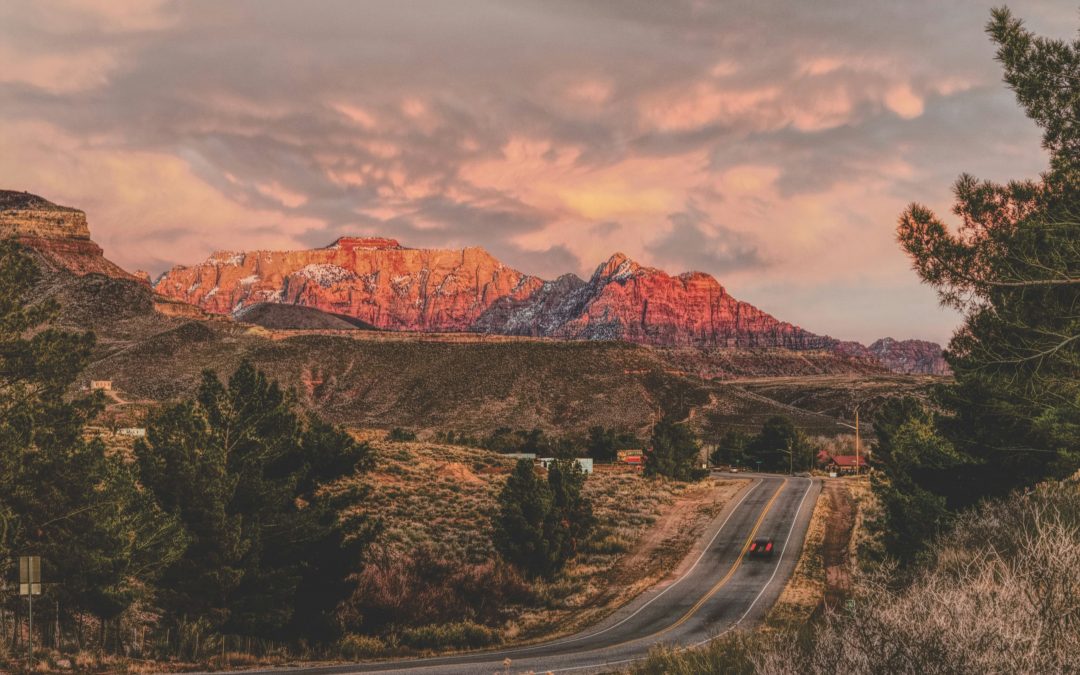

10 Fascinating Facts About Zion National Park
Zion National Park is a treasure trove of natural wonders. Nestled in southwestern Utah, it offers breathtaking landscapes and diverse ecosystems.
Established in 1919, Zion is one of the oldest national parks in the United States. It spans over 146,000 acres, showcasing stunning vistas and unique geological formations.
The park’s name, “Zion,” means “a place of peace and refuge” in Hebrew. This name perfectly captures the serene beauty and tranquility found within its boundaries.
Zion Canyon, the park’s centerpiece, stretches 15 miles long and plunges up to 2,640 feet deep. Its towering sandstone cliffs are a sight to behold, rising majestically above the canyon floor.
Zion is a haven for biodiversity, home to over 1,000 plant species and a wide array of wildlife. Visitors can spot everything from mule deer to the elusive mountain lion.
The park’s rich cultural history dates back over 8,000 years, with evidence of ancient human habitation. Today, Zion attracts over 4 million visitors annually, drawn by its natural beauty and adventure opportunities.
Whether you’re a nature enthusiast or an adventure seeker, Zion National Park promises an unforgettable experience.
1. Zion’s Ancient Origins and Name
Zion National Park’s history is as awe-inspiring as its landscapes. It all began millions of years ago, shaped by the forces of nature. This land has witnessed dramatic changes, from ancient seas to desert dunes.
The name “Zion” carries deep meaning. It derives from a Hebrew term that signifies a sanctuary or a place of refuge. Early Mormon settlers named the area, moved by its sublime beauty and peaceful surroundings.
Before the Mormon settlers arrived, Native American tribes called Zion home. The Ancestral Puebloans and later the Southern Paiute people thrived here for centuries. They left behind petroglyphs and other archaeological remnants that tell stories of their rich cultural heritage.
Key aspects of Zion’s rich past include:
- Geological Evolution: Witness to dramatic natural processes.
- Meaning of Zion: Symbolizes peace and sanctuary.
- Cultural Layers: Inhabited by Ancestral Puebloans and Southern Paiute people.
Today, visitors are drawn to Zion for its natural and historical allure. The park stands as a testament to the enduring beauty and spiritual significance of its ancient origins. It’s a place where past and present coexist, offering a unique window into the history of the American Southwest.
2. The Majestic Zion Canyon
Zion Canyon is the heart of Zion National Park. Carved over millennia by the relentless Virgin River, this canyon is a masterpiece of nature’s artistry. It stretches for 15 miles and plunges up to 2,640 feet deep.
The towering sandstone cliffs are the canyon’s defining feature. These massive structures change color with the sun, displaying hues of red, pink, and orange. Each sunrise and sunset paints the rocks anew, providing a mesmerizing spectacle.
Exploring Zion Canyon offers a mix of adventure and tranquility. Visitors can hike along the canyon floor or take in the views from above. The diversity of options makes the park a haven for nature lovers and thrill seekers alike.
by Samuel Roldán (https://unsplash.com/@r5amuel)
Some highlights of Zion Canyon include:
- Scenic Views: Stunning vistas of colorful rock formations.
- Hiking Trails: Many paths for all skill levels.
- Virgin River: Lifeblood that shaped the canyon.
The canyon’s majestic allure captivates all who visit. It’s a place where the power of nature is on full display, inviting reflection and exploration. Zion Canyon is a living reminder of nature’s ability to shape the world around us.
3. Unique Geology: Sandstone Cliffs and Rock Formations
Zion National Park is a geological wonderland. Its sandstone cliffs rise dramatically, sculpted by natural forces over millions of years. These cliffs showcase layers of time, with rock formations that tell stories of ancient environments.
The park’s geology is a classroom of nature. Visitors can see formations like the Navajo Sandstone, which creates the iconic red and white cliffs. This distinct coloring results from iron and other minerals within the rock.
Geological features within the park are quite diverse. From towering cliffs to sweeping arches, Zion offers much for the curious mind. Each structure has formed through a complex interplay of sedimentation, uplift, and erosion.
by Sarhat Nareman (https://unsplash.com/@sarhat_photographer)
Notable geological highlights include:
- Checkerboard Mesa: Unique crosshatched pattern due to wind erosion.
- Kolob Arch: One of the world’s largest natural arches.
- The Subway: A tubular slot canyon, perfect for canyoneering.
These formations not only intrigue but also challenge. Many visitors are drawn to Zion specifically for these geological wonders. Exploring the park’s diverse geology is an experience of awe, combining beauty with raw natural history.
4. Biodiversity: Plants and Wildlife Galore
Zion National Park is a biodiversity hotspot. Its varied habitats, ranging from desert lowlands to forested plateaus, host a myriad of life forms. This range of environments allows for a rich tapestry of flora and fauna.
The park is home to over 1,000 plant species. Visitors can find everything from cacti in the dry areas to lush cottonwood trees along the Virgin River. This diversity in plant life creates vibrant landscapes that change with the seasons.
Animal life in Zion is equally impressive. The park supports 78 species of mammals, including the desert bighorn sheep and elusive mountain lion. Birdwatchers can delight in spotting some of the 291 bird species that inhabit the area.
by Judd Nichols (https://unsplash.com/@judd_nichols)
Some notable wildlife in Zion includes:
- California condor: A majestic bird, vital for ecosystem balance.
- Mule deer: Frequently seen grazing in meadows.
- Western rattlesnake: A fascinating reptile thriving in rocky terrains.
Zion’s rich biodiversity isn’t just about numbers. It’s about interactions and ecosystems working in harmony. The park’s stewardship helps maintain these delicate balances, making Zion a must-visit for nature lovers worldwide.
5. Human History: From Ancient Peoples to Modern Visitors
Zion National Park’s history is rich and varied. Its story begins with the Ancestral Puebloans, who inhabited the area over 8,000 years ago. These ancient peoples left behind rock art and artifacts, providing a glimpse into their lives and culture.
Following the Ancestral Puebloans, the Southern Paiute people made Zion their home. They thrived by utilizing the land’s resources and developed deep cultural ties to the region. Their legacy continues to influence the park today.
In the mid-1800s, Mormon settlers arrived and recognized Zion’s beauty. They named many of its landmarks, such as Angel’s Landing and the Great White Throne, drawing inspiration from biblical references. Their influence is visible throughout the park.
by Benjamin (https://unsplash.com/@frozencloud)
Significant historical points include:
- Ancestral Puebloan remnants: Evidence of their advanced farming techniques and artistry.
- Paiute influence: Still present today through traditional practices and knowledge.
- Mormon settlements: Shaping the park’s cultural landscape.
Modern visitors to Zion continue to explore its wonders, bridging the past and present. As they hike its trails and marvel at its vistas, they become part of the park’s ongoing history. Each visitor adds their own chapter to Zion’s story, making it a living, breathing historical tapestry.
6. Iconic Hikes: Angels Landing, The Narrows, and More
Zion National Park is home to some of the most iconic hikes in the world. Adventure seekers flock to the park to challenge themselves on trails like Angels Landing and The Narrows. Each offers a unique experience that draws hikers from around the globe.
Angels Landing is legendary for its narrow ridgeline and breathtaking views. The trail, while challenging, rewards those who reach the summit with a panoramic vista of Zion Canyon. It tests one’s nerves but delivers unforgettable memories.
by Akash Bhardwaj (https://unsplash.com/@akashbhardwaj111)
The Narrows, on the other hand, takes hikers through a stunning slot canyon. Visitors wade through the Virgin River, surrounded by towering sandstone walls. It’s an immersive experience, connecting people to the natural beauty of Zion.
Other notable hikes include:
- Emerald Pools: Featuring waterfalls and lush greenery.
- Observation Point: Offering sweeping views of the canyon.
- Canyon Overlook Trail: A shorter hike with spectacular scenery.
Each trail in Zion provides its own set of challenges and rewards. No matter the hike, adventurers leave with stories and photos that capture Zion’s astounding landscapes. These trails are testaments to the park’s allure, reinforcing its status as a top destination for hikers.
7. Natural Wonders: Kolob Arch, Checkerboard Mesa, and Emerald Pools
Zion National Park boasts natural wonders that captivate visitors with their beauty and uniqueness. Kolob Arch is one of the park’s standout features. It spans 287 feet and is one of the world’s largest natural arches. Hidden within the Kolob Canyons area, it’s a testament to nature’s artistry.
by Chiara Guercio (https://unsplash.com/@chiara_01)
Another fascinating formation is the Checkerboard Mesa. This geological feature is known for its distinct crosshatch patterns etched into its sandstone surface. The mesa resembles a giant, nature-made checkerboard, making it a must-see for geology enthusiasts.
The Emerald Pools offer a serene escape amidst Zion’s rugged terrain. This area features a series of natural pools and cascading waterfalls, providing a lush contrast to the surrounding cliffs. It’s a haven for both relaxation and exploration.
Some highlights of these wonders include:
- Kolob Arch: A marvel of natural engineering.
- Checkerboard Mesa: A striking geological canvas.
- Emerald Pools: An oasis within the desert landscape.
These natural features offer varied experiences and showcase Zion’s diverse landscapes. From mesmerizing arches to verdant pools, each site tells a unique geological story. Visitors find themselves repeatedly drawn to Zion’s natural spectacles.
8. The Vital Virgin River
The Virgin River is the lifeblood of Zion National Park. Flowing through the heart of the park, it carved out the magnificent Zion Canyon over millions of years. This ongoing natural process continues to shape the landscape today.
by Francisco Fernandez (https://unsplash.com/@fff33)
Beyond its geological significance, the river is crucial for the park’s vibrant ecosystems. It supports a diverse range of flora and fauna that thrive along its banks. The Virgin River is also a critical habitat for native fish species, including the endangered woundfin.
Visitors often engage with the river through popular activities, such as hiking along The Narrows. This iconic trek involves wading through the cool waters between towering canyon walls. The river is not just a natural wonder but also an adventure playground for outdoor enthusiasts.
Key roles of the Virgin River include:
- Carving Zion Canyon: A testament to the power of water.
- Supporting Biodiversity: Essential for plant and animal life.
- Providing Recreation: A central feature for iconic hikes.
This vital waterway continues to draw nature lovers and adventurers, underscoring its significance within Zion National Park’s stunning landscape.
9. Stargazing and Dark Skies
Zion National Park offers more than just stunning landscapes in the daylight. At night, it transforms into a stargazer’s paradise. Designated as an International Dark Sky Park, Zion is known for its exceptional night sky quality.
by Rafael Garcin (https://unsplash.com/@nimbus_vulpis)
The park’s remote location ensures minimal light pollution, allowing for breathtaking views of the cosmos. Stars blanket the sky, twinkling in a display that captivates visitors from around the world. The Milky Way’s band stretches across the heavens, providing a celestial wonder that feels surreal.
Visitors often take part in ranger-led night programs to learn about the stars and constellations. These educational sessions make the experience both engaging and informative. Whether you’re a seasoned astronomer or a casual admirer, Zion’s night skies offer a remarkable opportunity to connect with the universe.
Key features of Zion’s dark skies include:
- Minimal Light Pollution: Ideal for stargazing.
- Stunning Milky Way Views: A spectacular night sight.
- Educational Programs: Enhance your night sky experience.
Zion’s dark skies invite you to pause and marvel at the vast universe, providing a serene escape from the hustle of daily life.
10. Zion’s Place in the Grand Circle and Conservation Efforts
Zion National Park is part of the Grand Circle, a collection of iconic national parks and monuments in the American Southwest. This region is renowned for its spectacular landscapes and geological wonders. The Grand Circle attracts millions of visitors eager to explore its diverse offerings.
by Josh Withers (https://unsplash.com/@joshwithers)
Zion shares the spotlight with other famous parks like Bryce Canyon and the Grand Canyon. This proximity allows travelers to experience multiple world-class destinations in one trip. The blend of dramatic vistas and rich history makes each park unique yet connected.
Conservation efforts are crucial in preserving Zion’s natural beauty for future generations. Park management focuses on sustainability to minimize human impact and protect its ecosystems. Initiatives such as the shuttle system help reduce traffic, ensuring that the park remains pristine.
Significant conservation strategies include:
- Sustainable Tourism Practices: Reducing ecological footprints.
- Habitat Restoration Projects: Preserving natural habitats.
- Educational Programs: Promoting environmental awareness.
Zion’s commitment to conservation ensures that its breathtaking landscapes endure, continuing to inspire and captivate millions of visitors every year.
Conclusion: Why Zion National Park Captivates Millions
Zion National Park is a remarkable tapestry of natural beauty and diverse ecosystems. From its soaring sandstone cliffs to its rich history, Zion captivates visitors year-round. The park’s unique rock formations and trails offer endless opportunities for adventure seekers and nature lovers alike.
The blend of ancient and recent natural wonders invites a deep sense of wonder and exploration. Visitors are drawn not only by the beauty but also by the serene escape Zion provides. Its dedication to conservation ensures that this stunning sanctuary will inspire and enchant for generations to come.

Written by Kariss
More From This Category
Lake Victoria
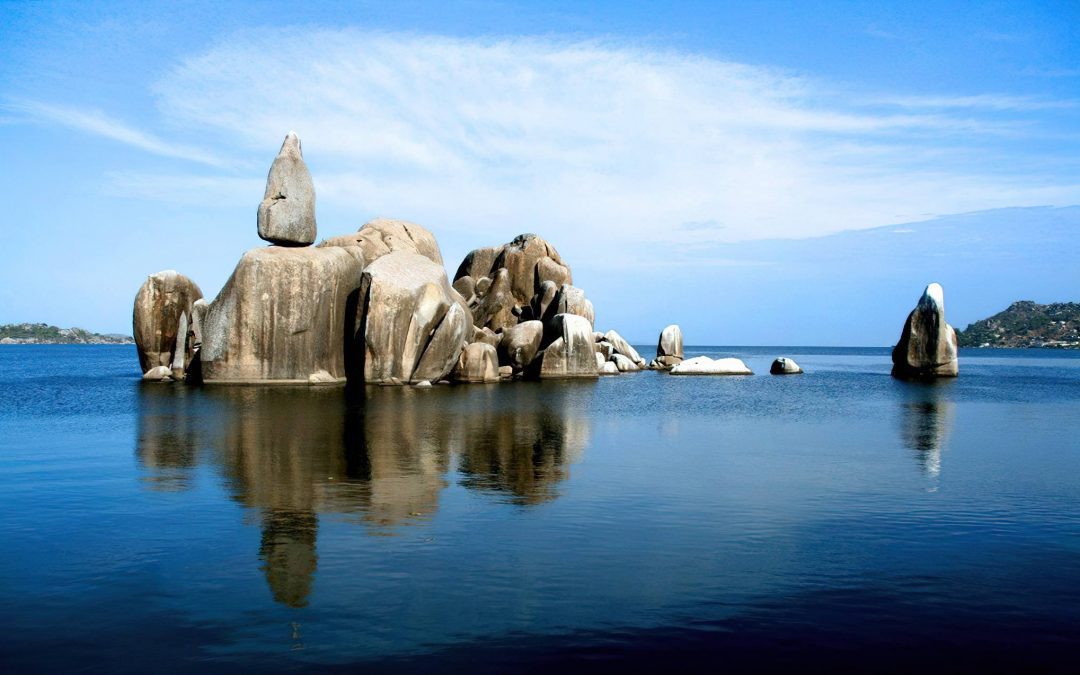
Travel is often framed as escape—a break from routine, a journey into the unknown. But for many, travel is not about leaving—it’s about returning. Returning to roots, to stories, to places that shaped us. It’s about reconnection. The British-Kenyan swimmer and writer Rebecca Achieng Ajulu-Bushell shares a deeply personal reflection on Lake Victoria, the largest tropical lake in the world and a place that holds her family’s history, her identity, and her first love—swimming.
Lake Victoria
Travel is often framed as escape—a break from routine, a journey into the unknown. But for many, travel is not about leaving—it’s about returning. Returning to roots, to stories, to places that shaped us. It’s about reconnection. The British-Kenyan swimmer and writer Rebecca Achieng Ajulu-Bushell shares a deeply personal reflection on Lake Victoria, the largest tropical lake in the world and a place that holds her family’s history, her identity, and her first love—swimming.
Lake Victoria
Travel is often framed as escape—a break from routine, a journey into the unknown. But for many, travel is not about leaving—it’s about returning. Returning to roots, to stories, to places that shaped us. It’s about reconnection. The British-Kenyan swimmer and writer Rebecca Achieng Ajulu-Bushell shares a deeply personal reflection on Lake Victoria, the largest tropical lake in the world and a place that holds her family’s history, her identity, and her first love—swimming.
 English
  Français
  Español
0 Comments