A Mediterranean Dream

A Mediterranean Dream

A Mediterranean Dream: Our Unforgettable Family Stay in Cabrils, Spain

Some trips are remembered for the landmarks you visit. Others stay with you because of how they made you feel—calm, connected, and deeply present. Our three-day family getaway to Cabrils, Spain, belongs firmly in the second category. It wasn’t just another destination on a map; it became a meaningful experience shaped by warmth, beauty, and a level of hospitality that exceeded all our expectations.

At the heart of it all was Carla and her stunning beach house—an Airbnb gem that turned our vacation into something truly unforgettable. If you’re thinking about visiting this part of Spain, you can find her place here:
👉 https://www.airbnb.com/rooms/36926111?source_impression_id=p3_1779710522_P37a37i77mrhKC_X

Let me take you through our experience.

Arrival in Cabrils: First Impressions

After landing in Barcelona and making the scenic drive north along the coast, we arrived in Cabrils with a sense of anticipation. The Mediterranean sun cast a golden glow over the terracotta rooftops, and the gentle breeze carried the scent of saltwater mixed with blooming flowers. It immediately felt like the kind of place where memories are made effortlessly.

Carla’s home was easy to find, but what truly set the tone for our stay was the warm welcome that awaited us. From the moment we arrived, Carla greeted us not as guests, but as friends. There was a sincerity in her smile, a genuine warmth in her demeanor, that immediately put us at ease. Traveling with family—especially with different personalities and expectations—can sometimes be stressful, but Carla’s presence dissolved any lingering tension from our journey.

She took the time to show us around the house, pointing out thoughtful details and ensuring we had everything we needed. It wasn’t a rushed handoff of keys; it was a meaningful introduction to what would become our home for the next three days.

The House: A Coastal Sanctuary

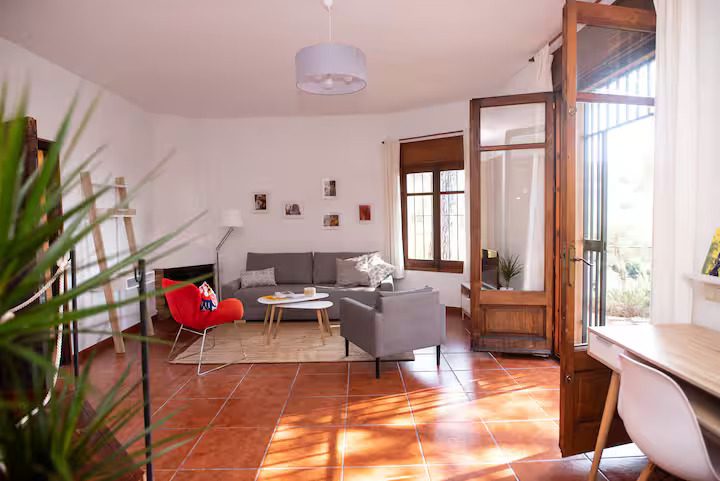
Carla’s beach house is nothing short of beautiful. From the outside, it blends seamlessly with the surrounding architecture, but step inside and you’re greeted with a space that feels both elegant and inviting.

The home was impeccably clean—one of the first things we noticed—and thoughtfully arranged to balance comfort with style. Natural light poured through large windows, illuminating the living spaces and creating an airy, uplifting atmosphere. The décor was tasteful, with subtle coastal touches that reminded us of our proximity to the sea without ever feeling overdone.

Each room had its own charm. The bedrooms were comfortable and peaceful, offering the perfect retreat after long days of exploring. The kitchen was fully equipped, making it easy for us to prepare meals together—a simple pleasure that often becomes one of the most cherished parts of family trips.

But what truly set the home apart was how it made us feel. It wasn’t just a place to stay; it was a space where we could relax completely, where conversations flowed easily, and where we could enjoy each other’s company without distraction.

A Special Touch: Celebrating My Birthday

Of all the moments that defined our stay, one stands above the rest—a gesture so thoughtful that it transformed an already wonderful trip into something truly unforgettable.

We had mentioned, almost in passing, that we would be celebrating my birthday during our stay. It wasn’t something we expected Carla to act upon—it was merely part of our travel context.

So imagine our surprise when, upon returning to the house one afternoon, we were greeted by a stunning arrangement of flowers displayed in a large vase. The bouquet was vibrant and elegant, clearly chosen with care. It wasn’t just a decoration; it was a heartfelt gift.

I was genuinely touched. In that moment, Carla’s home became more than just a rental—it became part of our celebration, part of our story. That simple act of kindness elevated the entire experience. It reminded us that hospitality, at its best, is about connection and thoughtfulness, not just accommodation.

We spent that evening celebrating together in the house, the flowers at the center of our table, adding beauty and meaning to an already special day.

Exploring Cabrils: A Hidden Gem

While Carla’s home was a destination in itself, Cabrils offered plenty to explore. The village has a charm that is both understated and captivating.

We spent our mornings wandering through quiet streets, discovering local cafés and bakeries. There’s something uniquely satisfying about starting the day with freshly baked pastries and strong coffee, surrounded by locals going about their daily routines.

The proximity to the beach was one of the highlights of our stay. A short drive brought us to the sparkling Mediterranean, where we spent hours enjoying the sun, the sand, and the soothing rhythm of the waves. The beaches in this area are less crowded than those closer to Barcelona, allowing for a more relaxed and intimate experience.

Afternoons were often spent exploring nearby areas or simply relaxing back at the house. The balance between activity and rest felt natural here—there was no pressure to “do” anything. Instead, we found joy in simply being together.

Dining and Local Flavors

Cabrils is known for its exceptional dining scene, often referred to as the “gastronomic village” of the region. Despite its small size, it boasts a variety of restaurants that offer everything from traditional Catalan cuisine to more modern culinary experiences.

We took full advantage of this during our stay. One evening, we dined at a local restaurant recommended by Carla. The meal was unforgettable—fresh seafood, perfectly seasoned dishes, and a warm, welcoming atmosphere.

Another evening, we chose to cook at home. With ingredients purchased from local markets, we prepared a simple yet delicious meal. There’s something deeply satisfying about cooking with fresh, local ingredients, especially when shared with family in a beautiful setting.

Each meal, whether dining out or in, became an opportunity to connect, to reflect on the day, and to appreciate the richness of the experience.

Carla: The Heart of the Experience

While the location and the house were exceptional, it was Carla who truly made our stay remarkable.

Her attentiveness was evident from start to finish. She was always responsive, quick to answer any questions we had, and ready to assist whenever needed. Yet, she managed to strike the perfect balance—always available, but never intrusive.

What stood out most was her genuine care. It wasn’t just about providing a service; it was about ensuring that we had the best possible experience. The birthday surprise was just one example of this, but her kindness was present in every interaction.

Travel often exposes you to different cultures and places, but it’s the people you meet along the way who leave the deepest impression. Carla is one of those people.

Family Time: The True Essence of the Trip

Beyond the beautiful surroundings and thoughtful hospitality, what made this trip truly special was the time spent together as a family.

In our daily lives, it’s easy to get caught up in routines and responsibilities. Moments of genuine connection can become rare. But in Cabrils, those moments came naturally.

We talked more, laughed more, and simply enjoyed each other’s company in a way that felt effortless. Whether it was sharing meals, exploring the village, or relaxing in the house, every experience was enriched by being together.

The environment—the calmness of the setting, the comfort of the home—played a significant role in this. It created the space for us to reconnect, to slow down, and to appreciate what truly matters.

A Few Practical Notes

For anyone considering a stay in Cabrils or at Carla’s home, there are a few practical aspects worth noting:

  • Location: Perfectly situated for those who want to be near Barcelona without being in the middle of the city’s hustle and bustle.
  • Accessibility: A car is recommended to fully explore the area and nearby beaches.
  • Atmosphere: Ideal for families, couples, or anyone looking for a शांत and relaxing getaway.
  • Host Experience: Carla sets a high standard for hospitality—expect a seamless and welcoming stay.

Departure: Leaving with Gratitude

As our three days came to an end, we found ourselves wishing we could stay longer. There’s always a bittersweet feeling when leaving a place that has brought you joy, and Cabrils was no exception.

Saying goodbye to Carla was like parting with a friend. There was a sense of gratitude—not just for the beautiful house, but for the experience as a whole.

We left Cabrils with more than just photos and souvenirs. We carried with us memories of laughter, connection, and kindness. Memories that will stay with us long after the details of the trip have faded.

Final Thoughts and Recommendation

If you’re considering a trip to the Catalonian coast, I cannot recommend Cabrils highly enough. And if you’re looking for a place to stay, Carla’s beautiful beach house is truly exceptional.

Our experience can be summed up simply:

We had a wonderful stay at Carla’s place and couldn’t have asked for a better host. She welcomed me and my family warmly and made us feel comfortable from the moment we arrived. The home was lovely, clean, and perfect for our stay.

What truly made the experience special was Carla’s kindness and attention to detail. She surprised me with a beautiful birthday gift — gorgeous flowers arranged in a large vase — which was such a thoughtful and memorable gesture. It made our celebration even more special.

Carla was also incredibly responsive and quick to help with any questions or requests we had throughout our stay. Her care, generosity, and professionalism made all the difference.

We highly recommend Carla as a host and would gladly stay again in the future.

Travel is, at its core, about more than just destinations—it’s about experiences, connections, and the stories we bring back with us. Our stay in Cabrils gave us all of that and more.

And for that, we will always be grateful.

More From This Category

A Mediterranean Dream

A Mediterranean Dream

Nestled along the Catalonian coast, just a short drive from Barcelona, Cabrils is a charming village that seems to exist in perfect harmony with the sea and the surrounding mountains. It’s not the kind of place that overwhelms you with crowds or flashy attractions. Instead, it invites you to slow down, to breathe, and to immerse yourself in a gentler rhythm of life. For three days, this tranquil corner of Spain became our home—and at the heart of our experience was Carla, our exceptional Airbnb host.
read more
A Mediterranean Dream

A Mediterranean Dream

Nestled along the Catalonian coast, just a short drive from Barcelona, Cabrils is a charming village that seems to exist in perfect harmony with the sea and the surrounding mountains. It’s not the kind of place that overwhelms you with crowds or flashy attractions. Instead, it invites you to slow down, to breathe, and to immerse yourself in a gentler rhythm of life. For three days, this tranquil corner of Spain became our home—and at the heart of our experience was Carla, our exceptional Airbnb host.

read more
A Mediterranean Dream

A Mediterranean Dream

Nestled along the Catalonian coast, just a short drive from Barcelona, Cabrils is a charming village that seems to exist in perfect harmony with the sea and the surrounding mountains. It’s not the kind of place that overwhelms you with crowds or flashy attractions. Instead, it invites you to slow down, to breathe, and to immerse yourself in a gentler rhythm of life. For three days, this tranquil corner of Spain became our home—and at the heart of our experience was Carla, our exceptional Airbnb host.

read more

Comments

Our Newsletter

My Pilgrimage to Lourdes, France

My Pilgrimage to Lourdes, France

My Pilgrimage to Lourdes, France: A Journey of Faith, Family, and Renewal

There are journeys we take to see the world, and there are journeys we take to rediscover ourselves. My pilgrimage to Lourdes, France, belongs firmly to the second category. It was not simply a trip from one place to another, but a spiritual passage—marked by prayer, reflection, family bonds, and moments of deep stillness. Traveling with my family, we set out from Paris on a night couchette train, carrying with us hopes, questions, and a quiet anticipation of what awaited us in one of the most sacred pilgrimage sites in the world.

Lourdes is known globally as a place of faith and healing, drawing millions of pilgrims every year to the Sanctuary of Our Lady of Lourdes in the foothills of the Pyrenees. Yet no amount of reading or preparation can fully explain what it feels like to finally arrive there—especially after a long night journey, stepping into dawn with prayer on your lips and purpose in your heart. [lunatrain.com]


Leaving Paris: The Night Train Experience

Our pilgrimage began in Paris, a city alive with light and movement. As evening settled in, we made our way to the station for the Intercités night train, commonly known as the couchette train. This route allows travelers to sleep through the journey and wake up closer to Lourdes, saving both time and energy—an ideal choice for pilgrims preparing spiritually and physically for what lies ahead. [sncf-voyageurs.com]

The couchette compartment was simple but comforting. As my family settled in, there was a quiet excitement in the air. The rhythmic sound of the train soon replaced the noise of the city. Conversations faded into prayer, and prayer softened into sleep. Somewhere between Paris and the Pyrenees, the journey became less about distance and more about intention.

Traveling by night felt symbolic. We left behind the busyness of everyday life in the darkness, moving forward toward something sacred. By morning, light filtered through the small window, revealing changing landscapes—fields, hills, and finally the distant outline of mountains.


Arrival in Lourdes: First Impressions

When we arrived in Lourdes, there was a gentle calm in the air. Unlike major tourist cities, Lourdes moves at a different pace—one that invites reflection rather than distraction. The town itself is shaped by pilgrimage: hotels, chapels, and quiet streets all oriented toward the Sanctuary.

Our first stop was Nunes House, where we stayed during our pilgrimage. The accommodation was welcoming and peaceful, providing the perfect environment for rest and spiritual focus. Staying among other pilgrims created a sense of shared purpose. Everyone was there not merely as visitors, but as seekers.

After settling in, we prepared ourselves for the days ahead. Lourdes is not a place you rush through. It asks you to slow down, to listen—not only to sacred teachings, but to your own heart.


Understanding Lourdes as a Pilgrimage Site

Lourdes holds its spiritual importance due to the apparitions of the Virgin Mary to Saint Bernadette Soubirous in 1858. Since then, the Grotto of Massabielle has become one of the most visited religious sites in the world, associated with prayer, healing, and spiritual renewal. [lunatrain.com]

Pilgrims come with different intentions: some seeking healing, others offering thanksgiving, and many simply looking for peace. What unites everyone is a shared openness—to grace, to silence, to hope.


Participating in the Pilgrimage Activities

One of the most meaningful aspects of our time in Lourdes was participating in the required pilgrimage activities—rituals that have been practiced by pilgrims for generations.

Visiting the Grotto of Massabielle

Standing before the Grotto was a profound moment. The simplicity of the place contrasted with its spiritual weight. Candles burned quietly, prayers whispered in many languages, yet all carried the same meaning. Touching the stone of the Grotto, I felt a deep sense of stillness and surrender.

Walking the Way of the Cross

The Stations of the Cross, set along a hillside, offered one of the most physically and spiritually demanding experiences. Each station invited reflection—not only on Christ’s suffering, but on our own struggles, burdens, and faith journeys. Making this walk with my family added an extra layer of meaning. We supported one another, not just physically, but emotionally and spiritually.

Pilgrimage Baths (Water Ritual)

Participating in the water ritual was done with reverence and humility. Lourdes’ spring water is symbolic of purification and trust. Regardless of one’s beliefs about miracles, the act itself encourages surrender and spiritual openness.

Attending Mass

Daily Mass at the Sanctuary grounded our pilgrimage. Surrounded by pilgrims from around the world, the sense of universality was powerful. Faith transcended language, age, and culture. What mattered was presence.

The Candlelight Procession

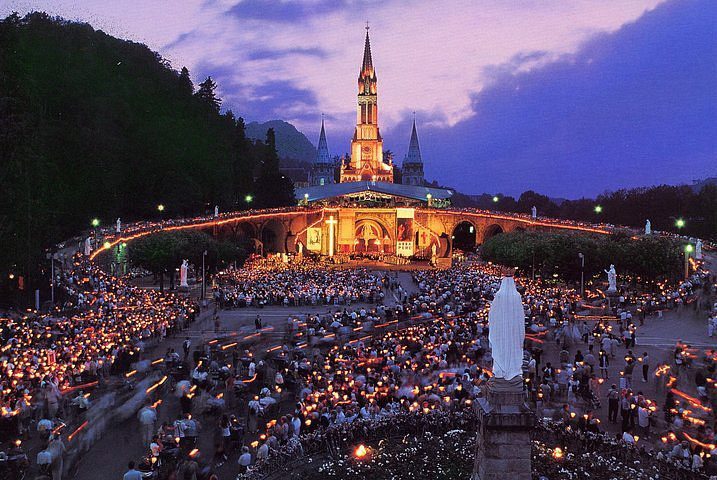
Perhaps the most moving experience was the candlelight procession in the evening. Thousands of pilgrims gathered, holding candles as night fell. The soft glow of light moving through the Sanctuary created an atmosphere that was both intimate and immense. Walking in silence and song, I felt deeply connected—to God, to my family, and to every person around me.


Pilgrimage as a Family Experience

Making this pilgrimage with my family transformed the journey into something richer and more meaningful. We prayed together, reflected together, and supported one another through moments of emotion and quiet contemplation. In Lourdes, distractions fall away, leaving space for real connection.

We spoke about faith, life, and gratitude in ways that everyday routines rarely allow. Lourdes did not provide answers to every question—but it created space to ask them honestly.


Life at Nunes House

Our stay at Nunes House played an essential role in shaping our experience. The peaceful environment allowed us to rest and reflect between activities. Mornings began calmly, often in prayer, while evenings were spent sharing reflections from the day.

This balance—between structured pilgrimage activities and quiet personal reflection—helped sustain the spiritual rhythm of our days.


Exploring Lourdes Beyond the Sanctuary

While the Sanctuary was the heart of our pilgrimage, walking through the town of Lourdes offered additional moments of reflection. The nearby river, the mountain backdrop, and the quiet streets all contributed to a sense of peace.

Lourdes is not flashy or overwhelming. Instead, it gently invites you inward—to prayer, humility, and gratitude.


What Lourdes Taught Me

This pilgrimage reminded me that faith is not always loud or dramatic. Often, it reveals itself in silence, in routine rituals, in shared moments with family, and in the act of simply showing up.

Traveling to Lourdes by night train, staying among fellow pilgrims, and completing each activity deepened my understanding of pilgrimage itself—not as a destination, but as a process. Lourdes teaches patience, surrender, and hope.


Returning Home Changed

When we eventually left Lourdes, the departure felt different from arrival. We came with expectations, but we left with something quieter and stronger: peace. The return journey carried reflection rather than anticipation.

Pilgrimage does not end when you leave the holy place. It continues in how you live, pray, and treat others afterward.


Final Reflections

My pilgrimage to Lourdes with my family was one of the most meaningful journeys of my life. From the night couchette train from Paris to our stay at Nunes House, from the Grotto to the candlelit procession, every moment carried purpose.

Lourdes does not promise easy answers—but it offers something far more lasting: space to encounter faith honestly and deeply.

If you are considering a pilgrimage to Lourdes, go with an open heart. You may arrive seeking something specific, but you will leave having received exactly what you needed.

More From This Category

A Mediterranean Dream

A Mediterranean Dream

Nestled along the Catalonian coast, just a short drive from Barcelona, Cabrils is a charming village that seems to exist in perfect harmony with the sea and the surrounding mountains. It’s not the kind of place that overwhelms you with crowds or flashy attractions. Instead, it invites you to slow down, to breathe, and to immerse yourself in a gentler rhythm of life. For three days, this tranquil corner of Spain became our home—and at the heart of our experience was Carla, our exceptional Airbnb host.

read more
A Mediterranean Dream

A Mediterranean Dream

Nestled along the Catalonian coast, just a short drive from Barcelona, Cabrils is a charming village that seems to exist in perfect harmony with the sea and the surrounding mountains. It’s not the kind of place that overwhelms you with crowds or flashy attractions. Instead, it invites you to slow down, to breathe, and to immerse yourself in a gentler rhythm of life. For three days, this tranquil corner of Spain became our home—and at the heart of our experience was Carla, our exceptional Airbnb host.

read more
A Mediterranean Dream

A Mediterranean Dream

Nestled along the Catalonian coast, just a short drive from Barcelona, Cabrils is a charming village that seems to exist in perfect harmony with the sea and the surrounding mountains. It’s not the kind of place that overwhelms you with crowds or flashy attractions. Instead, it invites you to slow down, to breathe, and to immerse yourself in a gentler rhythm of life. For three days, this tranquil corner of Spain became our home—and at the heart of our experience was Carla, our exceptional Airbnb host.

read more

Comments

Our Newsletter

La Sagrada Família: An Encounter With Time, Faith, and Genius

La Sagrada Família: An Encounter With Time, Faith, and Genius

La Sagrada Família: An Encounter With Time, Faith, and Genius

  • Introduction: More Than a Visit, an Encounter

    There are destinations you check off a list—and then there are places that reframe your understanding of beauty, patience, and human ambition. La Sagrada Família belongs unmistakably to the latter. On April 1st, 2026, I walked into Antoni Gaudí’s unfinished masterpiece not merely as a traveler, but as a witness to one of the most ambitious artistic and spiritual projects ever undertaken.

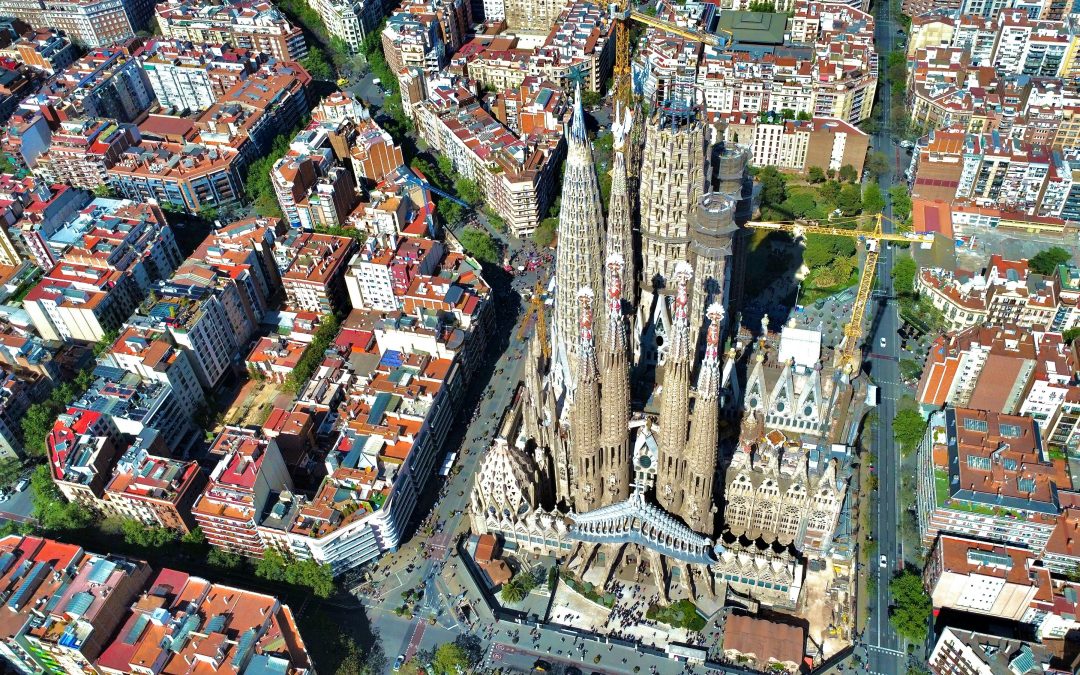
    Located in the heart of Barcelona, La Sagrada Família defies easy categorization. It is a basilica, an architectural experiment, a theological manifesto, and a living construction site more than 140 years in the making. Visiting it is not a passive experience; it is immersive, emotional, and deeply personal.

    For luxury travelers, it offers refinement, rarity, and meaning.
    For spiritual travelers, it offers silence, symbolism, and transcendence.
    For architecture enthusiasts, it offers an unparalleled lesson in form, structure, and vision.

    Few landmarks in the world manage to speak fluently to all three.


    The Vision of Antoni Gaudí: Architecture as a Sacred Language

    To understand La Sagrada Família, one must first understand Antoni Gaudí, not merely as an architect, but as a philosopher of form. Gaudí believed that architecture should not imitate previous styles—it should interpret nature, because nature, in his view, was the ultimate expression of divine intelligence.

    When Gaudí took over the project in 1883, he transformed it entirely. His vision rejected rigid Gothic conventions and embraced organic geometry, ruled surfaces, hyperboloids, helicoids, and natural proportions found in trees, bones, shells, and mountains.

    Gaudí was also deeply spiritual. For him, La Sagrada Família was not about personal recognition. He famously accepted that he would never see it completed, stating that “my client is not in a hurry.” That client, of course, was God.

    This mindset defines the entire basilica: timeless, patient, and uncompromising.


    First Impressions: The Exterior That Refuses to Be Ignored

    Approaching La Sagrada Família is a moment of controlled astonishment. The basilica does not reveal itself all at once. Instead, it unfolds slowly, demanding attention and rewarding observation.

    The Nativity Façade: Celebration of Life

    The Nativity Façade, completed during Gaudí’s lifetime, is exuberant, emotional, and richly detailed. It celebrates birth, creation, and hope. Every surface is alive with sculptural intensity—plants, animals, angels, and human figures exist in harmonious density.

    For the spiritually inclined, this façade reads like a visual prayer.
    For architecture lovers, it is a masterclass in narrative sculpture.
    For luxury travelers, it offers something rare: authenticity untouched by modern reinterpretation.

    The craftsmanship here feels intimate, almost tender—an unusual quality for stone.

    The Passion Façade: Confronting Suffering

    In stark contrast, the Passion Façade strips emotion down to its rawest form. Sharp angles, skeletal figures, and minimal ornamentation convey suffering, sacrifice, and mortality.

    This façade is intentionally uncomfortable. It forces reflection. Standing before it, one cannot remain neutral—it provokes silence, stillness, and contemplation.

    Few landmarks dare to unsettle their visitors. La Sagrada Família does so deliberately.


    Entering the Basilica: When Light Becomes Architecture

    If the exterior impresses, the interior transforms.

    Crossing the threshold on that April morning felt like stepping into a different realm. The first sensation was not visual—it was acoustic. Sound softens here. Voices lower instinctively.

    Then comes the light.

    A Forest of Stone

    The interior columns rise like towering trees, branching as they ascend. Gaudí designed them this way to mimic natural load distribution, eliminating the need for traditional flying buttresses.

    The result is breathtaking: a cathedral that feels less like a building and more like a sacred forest. There is no heaviness, no oppression—only elevation.

    Stained Glass and Time

    The stained‑glass windows are carefully oriented to the sun’s movement. Morning light bathes the interior in blues and greens, evoking calm and renewal. Afternoon light introduces warmer reds and golds, creating a sense of culmination and reflection.

    On April 1st, 2026, the light shifted gently as I stood there, making time itself feel visible.

    For photographers, this is a dream.
    For spiritual visitors, it is meditation through color.
    For luxury travelers, it is sensory excellence without excess.


    Sacred Geometry and Structural Genius

    La Sagrada Família is often described as beautiful—but beauty here is the result of mathematics.

    Gaudí employed complex geometrical forms long before computers existed. Hyperboloids, paraboloids, and catenary arches are not decorative choices; they are structural solutions derived from nature.

    Modern architects still study this basilica not as a historical curiosity, but as a forward‑thinking experiment.

    What makes this extraordinary is that the building feels emotional despite its mathematical precision. Rarely do logic and poetry coexist so effortlessly.


    A Basilica Still Under Construction: The Luxury of Witnessing Process

    One of La Sagrada Família’s most compelling qualities is that it remains unfinished. Cranes rise beside spires. Stonecutters continue their work. Technology now collaborates with tradition.

    For some, this is surprising. For others, it is profoundly moving.

    Luxury travel today is no longer just about comfort—it is about access to rarity and authenticity. Witnessing a masterpiece still becoming is a privilege few landmarks offer.

    This ongoing construction transforms La Sagrada Família from a static monument into a living legacy.


    A Space for Spiritual Reflection—Regardless of Belief

    You do not need to be religious to feel something here.

    As I sat quietly inside the basilica, surrounded by visitors from every corner of the world, there was a shared stillness. People paused. Phones lowered. Silence expanded.

    La Sagrada Família creates space—for thought, for humility, for perspective.

    In a world driven by urgency and distraction, this may be its greatest gift.


    The Luxury Travel Perspective: Why La Sagrada Família Is Essential

    For luxury travelers, La Sagrada Família delivers what high‑end experiences increasingly seek:

    • Exclusivity through meaning, not price
    • Depth over spectacle
    • Cultural capital rather than superficial indulgence

    Private guided visits, early‑morning entry, and expert architectural tours elevate the experience further, allowing travelers to engage with the basilica intellectually and emotionally.

    It is not a backdrop for photos—it is a destination that enhances one’s understanding of the world.


    Practical Visitor Insights

    Best Time to Visit

    • Early morning or late afternoon for optimal light
    • Weekdays are quieter than weekends

    Tickets & Tours

    • Book in advance to avoid long queues
    • Guided tours add significant value, especially for architecture enthusiasts

    Dress & Etiquette

    • Modest attire is required (this is an active basilica)
    • Silence is encouraged in certain areas

    (Affiliate opportunities: guided tours, premium passes, travel insurance, Barcelona hotels)


    Leaving La Sagrada Família: Changed, Not Just Informed

    When I exited the basilica that day, Barcelona felt different. Louder. Faster. More temporary.

    La Sagrada Família stayed with me—not as a memory, but as a reference point. It redefined what patience can achieve, what faith can inspire, and what architecture can communicate when it refuses to compromise.

    April 1st, 2026 was not just a visit. It was a moment of recalibration.


    Conclusion: Why La Sagrada Família Endures

    La Sagrada Família is not simply Barcelona’s most famous landmark. It is one of humanity’s most ambitious conversations with eternity.

    It speaks to travelers who seek beauty with substance, spirituality without dogma, and luxury rooted in meaning.

    Few places invite admiration.
    Fewer invite reflection.
    Almost none invite transformation.

    La Sagrada Família does all three—and that is why it endures.


More From This Category

A Mediterranean Dream

A Mediterranean Dream

Nestled along the Catalonian coast, just a short drive from Barcelona, Cabrils is a charming village that seems to exist in perfect harmony with the sea and the surrounding mountains. It’s not the kind of place that overwhelms you with crowds or flashy attractions. Instead, it invites you to slow down, to breathe, and to immerse yourself in a gentler rhythm of life. For three days, this tranquil corner of Spain became our home—and at the heart of our experience was Carla, our exceptional Airbnb host.

read more
A Mediterranean Dream

A Mediterranean Dream

Nestled along the Catalonian coast, just a short drive from Barcelona, Cabrils is a charming village that seems to exist in perfect harmony with the sea and the surrounding mountains. It’s not the kind of place that overwhelms you with crowds or flashy attractions. Instead, it invites you to slow down, to breathe, and to immerse yourself in a gentler rhythm of life. For three days, this tranquil corner of Spain became our home—and at the heart of our experience was Carla, our exceptional Airbnb host.

read more
A Mediterranean Dream

A Mediterranean Dream

Nestled along the Catalonian coast, just a short drive from Barcelona, Cabrils is a charming village that seems to exist in perfect harmony with the sea and the surrounding mountains. It’s not the kind of place that overwhelms you with crowds or flashy attractions. Instead, it invites you to slow down, to breathe, and to immerse yourself in a gentler rhythm of life. For three days, this tranquil corner of Spain became our home—and at the heart of our experience was Carla, our exceptional Airbnb host.

read more

Comments

Our Newsletter

Cap Ferret

Cap Ferret

Cap Ferret: France’s Untamed Peninsula of Wild Luxury

Introduction: Where Simplicity Meets Sophistication

Tucked between the Atlantic Ocean and Arcachon Bay, Cap Ferret is often called the “French Hamptons.” But that nickname barely scratches the surface. Unlike its glitzy Côte d’Azur cousins, Cap Ferret is a place where luxury is quiet, nature is king, and time slows to a pine-scented breeze.
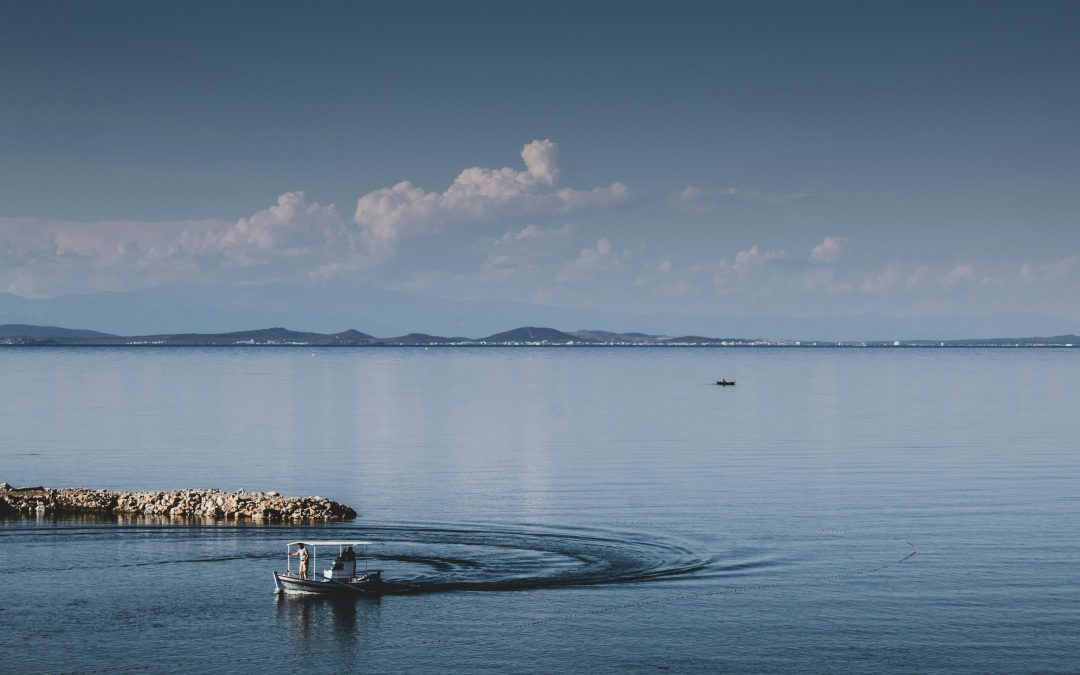
Cap Ferret is a study in contrasts: oyster shacks and designer villas, surf beaches and pine forests, barefoot cafés and Michelin-starred menus. In this blog, we’ll explore how Cap Ferret offers a rare kind of travel—one that’s wild, elegant, and deeply French.


1. The Geography: A Peninsula of Possibilities

Cap Ferret is a narrow strip of land that separates Arcachon Bay from the Atlantic Ocean. This unique geography creates two distinct coastlines:

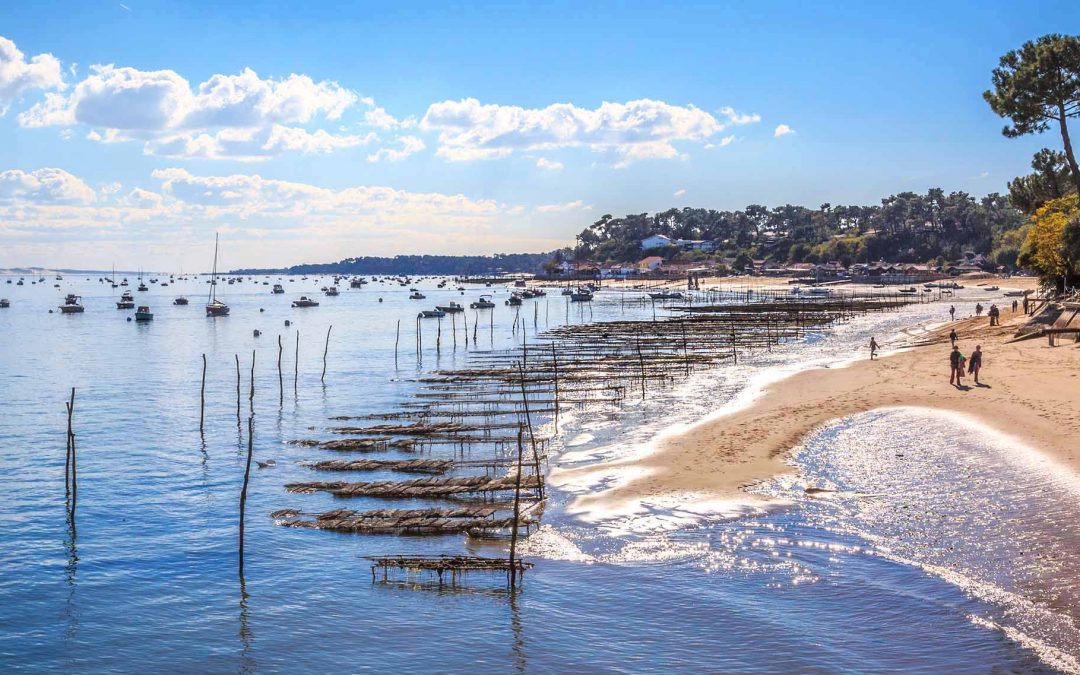
  • Bay Side: Calm waters, oyster farms, colorful fishing villages
  • Ocean Side: Wild beaches, crashing waves, surf culture

The peninsula stretches for about 25 kilometers, with pine forests, sand dunes, and hidden trails connecting its many moods.


2. Arrival: The Journey Is Part of the Magic

Getting to Cap Ferret is part of the experience. Most travelers arrive via:

  • Boat from Arcachon, crossing the bay in 20 minutes
  • Drive from Bordeaux, winding through pine forests

As you approach, the landscape shifts—less urban, more elemental. The scent of pine and salt fills the air, and the sky opens wide.


3. The Vibe: Understated Elegance

Cap Ferret is not about flash—it’s about feeling. Locals and regulars embrace a kind of “barefoot luxury” that values authenticity over appearance.

What You’ll See:

  • Families biking to the beach
  • Artists sketching in cafés
  • Locals sipping rosé at oyster shacks
  • Surfers waxing boards at sunrise

It’s a place where everyone is 10 minutes late, and no one minds.


4. Where to Stay: Villas, Shacks, and Hidden Gems

Villa de la Pointe

  • Location: Near La Pointe, the peninsula’s tip
  • Style: White cabane-style villa with rattan furniture, tiled floors, and a pétanque court
  • Vibe: Stylish, secluded, and deeply relaxed

Villa Cacciarella

  • Location: Monte Argentario cliffs
  • Style: 1970s nostalgia with marble kitchens and bamboo beds
  • Vibe: Glamorous, vintage, and ocean-facing

Hôtel de la Plage, L’Herbe

  • Style: Restored 19th-century dormitory with red-and-cream gables
  • Vibe: Cozy, communal, and close to oyster farms

La Coorniche, Pyla-sur-Mer

  • Style: Philippe Starck-designed lodge with infinity pool and dune views
  • Vibe: Chic, cinematic, and perfect for sunset cocktails

Cap Ferret’s accommodations reflect its soul—elegant, earthy, and full of character.


5. The Food: Oysters, Wine, and Simple Pleasures

Cap Ferret is a paradise for food lovers, especially those who appreciate simplicity.

Oyster Shacks in L’Herbe

  • Wooden cabins with colorful shutters
  • Menus: oysters, shrimp, pâté, white wine
  • Vibe: Casual, communal, and delicious

La Cabane D’Hortense

  • Run by Khalid Zamrani, a local legend
  • Known for its “zen space” and warm hospitality
  • Oysters served with crisp rosé and laughter

Chez Hortense

  • Iconic restaurant near La Pointe
  • Famous for moules frites and seafood platters
  • Terrace with panoramic bay views

Frédélian Café

  • Art deco café at the heart of Cap Ferret
  • Serves eggs Benedict, pastries, and dune blanche (local cream-filled pastry)

Food here is not about complexity—it’s about quality, freshness, and joy.


6. The Beaches: Wild, Windswept, and Wonderful

Cap Ferret’s beaches are among the most beautiful in France.

Plage du Truc Vert

  • Vast, wild, and perfect for surfing
  • Backed by dunes and pine forests
  • Often empty, even in summer

La Pointe

  • Where the ocean meets the bay
  • Ideal for long walks, shell collecting, and sunset watching

Conche du Mimbeau

  • Calm waters and oyster beds
  • Great for swimming and kayaking

Whether you want waves or stillness, Cap Ferret has a beach for you.


7. Nature and Adventure: The Call of the Wild

Cap Ferret is a haven for outdoor lovers.

Cycling

  • Bike paths crisscross the peninsula
  • Rent a vintage vélo and explore at your own pace

Surfing

  • Lessons available for all levels
  • Best spots: Truc Vert and Horizon Beach

Hiking

  • Trails through pine forests and dunes
  • Views of Arcachon Bay and the Atlantic

Boating

  • Sail to the Banc d’Arguin sandbank
  • Explore hidden coves and oyster farms

Nature here is not curated—it’s raw, real, and ready.


8. Culture and Community: A Place of Stories

Cap Ferret is full of characters and stories.

Benoît Bartherotte

  • Local icon who saved La Pointe from erosion
  • Lives in a beach shack filled with drawings and memories
  • Known for his eccentric charm and deep love of the land

Khalid Zamrani

  • Started as a dishwasher, now runs one of the most beloved oyster shacks
  • Creates a space where everyone feels welcome
  • Proof that Cap Ferret is about people, not pedigree

These stories make Cap Ferret more than a destination—they make it a community.


9. When to Go: Seasonal Magic

Spring (April–May):

  • Wildflowers bloom
  • Fewer crowds
  • Ideal for hiking and cycling

Summer (June–August):

  • Warm waters
  • Vibrant beach life
  • Village fête in August

Autumn (September–October):

  • Golden light
  • Oyster season begins
  • Peaceful and poetic

Avoid winter unless you crave solitude and stormy seas.


10. How to Travel Sustainably in Cap Ferret

Cap Ferret’s beauty is fragile. Here’s how to protect it:

  • Use bikes or walk instead of driving
  • Support local businesses and artisans
  • Avoid single-use plastics
  • Respect dunes and wildlife
  • Travel off-season to reduce pressure on infrastructure

Sustainable travel here is not a trend—it’s a responsibility.


11. Voices from Cap Ferret: Reflections from the Peninsula

Camille, 32, Paris

“Cap Ferret is where I go to breathe. It’s elegant without trying, wild without apology.”

Julien, 45, Bordeaux

“I’ve traveled the world, but nothing compares to oysters at sunset in L’Herbe.”

Nina, 28, London

“It’s the only place I’ve found where luxury feels like freedom.”


12. What to Pack for Cap Ferret

  • Linen shirts and swimsuits
  • A bike lock and sunhat
  • A sketchbook or camera
  • A good book and open heart

Cap Ferret is not about what you wear—it’s about how you feel.


Conclusion: The Luxury of Letting Go

Cap Ferret is a rare kind of place. It doesn’t demand attention—it earns it. It doesn’t shout—it whispers. And in that whisper, travelers find something precious: peace, presence, and a deeper kind of luxury.

So if you’re ready to trade noise for nature, glitter for grace, and speed for stillness, Cap Ferret is waiting. Come for the oysters, stay for the soul.

More From This Category

A Mediterranean Dream

A Mediterranean Dream

Nestled along the Catalonian coast, just a short drive from Barcelona, Cabrils is a charming village that seems to exist in perfect harmony with the sea and the surrounding mountains. It’s not the kind of place that overwhelms you with crowds or flashy attractions. Instead, it invites you to slow down, to breathe, and to immerse yourself in a gentler rhythm of life. For three days, this tranquil corner of Spain became our home—and at the heart of our experience was Carla, our exceptional Airbnb host.

read more
A Mediterranean Dream

A Mediterranean Dream

Nestled along the Catalonian coast, just a short drive from Barcelona, Cabrils is a charming village that seems to exist in perfect harmony with the sea and the surrounding mountains. It’s not the kind of place that overwhelms you with crowds or flashy attractions. Instead, it invites you to slow down, to breathe, and to immerse yourself in a gentler rhythm of life. For three days, this tranquil corner of Spain became our home—and at the heart of our experience was Carla, our exceptional Airbnb host.

read more
A Mediterranean Dream

A Mediterranean Dream

Nestled along the Catalonian coast, just a short drive from Barcelona, Cabrils is a charming village that seems to exist in perfect harmony with the sea and the surrounding mountains. It’s not the kind of place that overwhelms you with crowds or flashy attractions. Instead, it invites you to slow down, to breathe, and to immerse yourself in a gentler rhythm of life. For three days, this tranquil corner of Spain became our home—and at the heart of our experience was Carla, our exceptional Airbnb host.

read more

Comments

Our Newsletter

Lesbos

Lesbos

Lesbos: Rediscovering Ancient Greece Through Myth, Nature, and Quiet Beauty

Introduction: A Greek Island Like No Other

When travelers think of Greek islands, they often picture Santorini’s whitewashed cliffs or Mykonos’s party beaches. But tucked away in the northeastern Aegean Sea lies Lesbos—a place where myth and reality mingle under olive trees, and ancient stories echo through quiet villages.
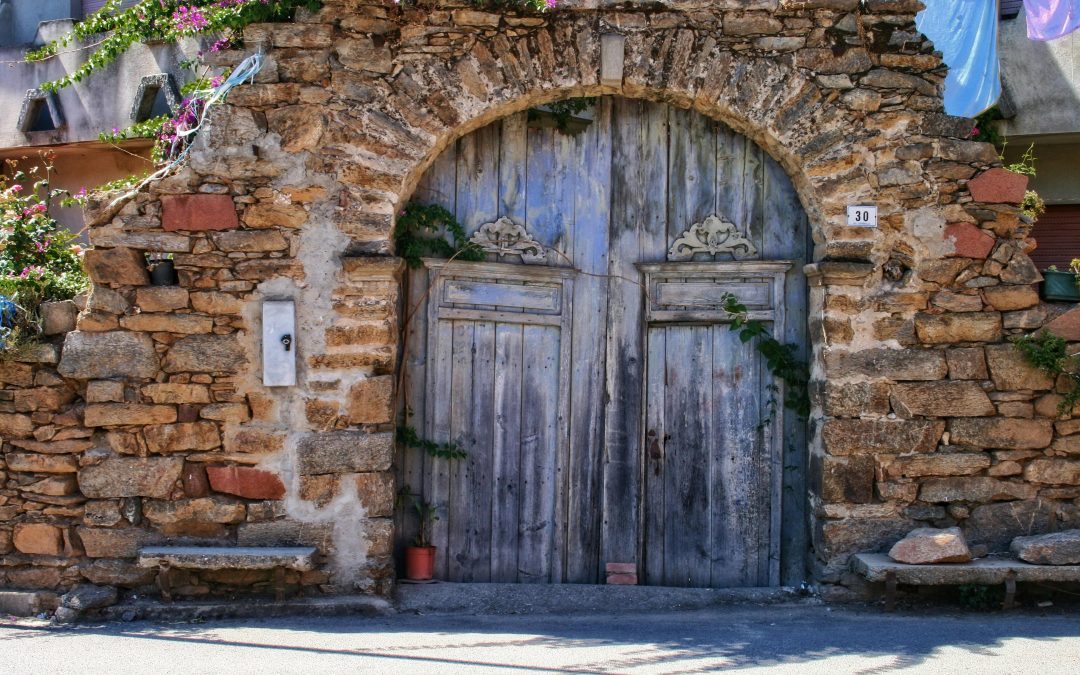
Lesbos is not just a destination—it’s a revelation. It’s where Sappho wrote her poetry, where flamingos nest in salt flats, and where travelers can experience Greece as it once was: wild, spiritual, and deeply human.

In this blog, we’ll explore how Lesbos offers a unique lens into ancient Greece, modern resilience, and the kind of travel that nourishes the soul.


1. The Mythical Roots of Lesbos

Lesbos has been inhabited since the Bronze Age and was once known as Imerti, meaning “beloved.” It was later renamed by explorer John Hanning Speke in the 19th century in honor of Queen Victoria.

But long before colonial renaming, Lesbos was sacred ground:

  • Sappho, the island’s most famous daughter, wrote lyrical poetry that celebrated love, nature, and female desire.
  • Hera, Zeus, and Dionysus were worshipped at the Sanctuary of Messon, a spiritual site still open to visitors.
  • Cybele, the Anatolian mother goddess, had temples here, blending Eastern and Western traditions.

Lesbos is a place where mythology isn’t just remembered—it’s lived.


2. The Landscape: A Mosaic of Nature and Spirit

Lesbos is vast—over 630 square miles—and incredibly diverse. It’s often described as “every Greek island rolled into one.” Here’s why:

A. Olive Groves and Forests

  • Over 11 million olive trees blanket the island.
  • The central massif is filled with chestnuts, laurels, and rare orchids.

B. Salt Flats and Flamingos

  • The Kalloni Gulf is home to salt flats that attract flamingos, ibis, and other migratory birds.

C. Fossilized Forests

  • In the west, volcanic eruptions have turned ancient forests into quartz sculptures.

D. Geothermal Springs

  • Lesbos has some of Europe’s hottest natural springs, perfect for healing and relaxation.

This rich landscape makes Lesbos ideal for hiking, birdwatching, and spiritual retreats.


3. Mytilene: The Island’s Cultural Heart

The capital city, Mytilene, is a blend of Ottoman, Venetian, and neoclassical architecture. Highlights include:

  • Mansions from the 1800s, many still inhabited or converted into boutique hotels.
  • Ladadika district, once industrial, now home to cafés, galleries, and music venues.
  • Mosques, churches, and sanctuaries, often side by side, reflecting centuries of coexistence.

Mytilene is a city of layers—each street tells a story, each building holds a memory.


4. Eressos: Sappho’s Birthplace and Bohemian Haven

On the island’s western coast lies Eressos, a beach town with a bohemian vibe and deep historical roots.

Why Visit Eressos?

  • It’s the birthplace of Sappho, whose legacy lives on in poetry and pride.
  • The beach is lined with cafés on stilts, serving fresh seafood and ouzo.
  • The atmosphere is inclusive, artistic, and relaxed.

Eressos is perfect for travelers seeking inspiration, community, and quiet joy.


5. Spiritual Sites and Sacred Spaces

Lesbos is filled with places that invite reflection and reverence.

Sanctuary of Messon

  • Located in the Lepetymnos foothills
  • Dedicated to Hera, Zeus, and Dionysus
  • Visitors often leave offerings from multiple faiths—Buddha statues, Shiva images, and Christian icons

Monastery of Taxiarches

  • Home to a mysterious effigy of Archangel Michael
  • Said to be made from the blood of murdered monks
  • Believed to reflect the soul of the viewer

These sites remind us that Lesbos is not just a place—it’s a portal.


6. The Water: Healing, Swimming, and Symbolism

Lesbos is surrounded by water, but it’s the relationship with water that makes it special.

Lake Victoria Connection

In Condé Nast Traveller, British-Kenyan swimmer Rebecca Achieng Ajulu-Bushell reflects on her childhood swimming in Lake Victoria and how water shaped her identity. Lesbos offers a similar experience:

  • Hot springs at Krifti, accessible only by boat or hike
  • Natural pools carved into slate cliffs
  • Quiet beaches like Skala Sikamineas, where a chapel features a mermaid-tailed Madonna

Water here is not just for swimming—it’s for transformation.


7. Food and Wine: A Taste of the Island

Lesbos is known for its dense olive oil, once used in soap production across Europe. Today, its culinary scene is rooted in tradition and terroir.

Must-Try Dishes:

  • Grilled ladotyri cheese preserved in olive oil
  • Honey-drenched loukoumades (fried dough balls)
  • Fresh sardines and anchovies, often served with lemon and herbs

Ouzo Culture:

  • Lesbos is the birthplace of ouzo, Greece’s iconic anise-flavored spirit.
  • Each distillery has its own recipe, passed down orally.
  • Locals drink it with water, ice, or straight—always with conversation.

Food here is slow, soulful, and shared.


8. Art and Architecture: A Living Museum

Lesbos is a feast for the eyes and the imagination.

Highlights:

  • Stucco friezes featuring octopuses, musicians, and horses
  • Lacemakers and ceramicists working in open studios
  • Restored villas with Edwardian bloomers still in the closets

Every corner is a canvas, every home a gallery.


9. Refuge and Resilience: A Modern Story

In 2015, Lesbos became a focal point for the refugee crisis, with thousands arriving daily from Syria and beyond. The island responded with compassion and pragmatism.

Why This Matters:

  • Lesbos has always been a crossroads of cultures.
  • Most locals are descendants of immigrants—from Genoese sailors to Asia Minor refugees.
  • The island’s response reflects its deep humanity and historical memory.

Traveling here is a chance to witness resilience and offer respect.


10. How to Travel to Lesbos

Getting There:

  • Flights from Athens or Thessaloniki
  • Ferries from Piraeus (14 hours) or nearby islands

Where to Stay:

  • Lesbos Sam: A restored villa with a pool and garden
  • Five Olive Dream Trip: Eco-friendly cabins near Plomari
  • Notre Ntam: Boutique villa with sea views and artistic flair

When to Go:

  • Spring (April–May): Wildflowers and mild weather
  • Autumn (September–October): Warm seas and fewer tourists

Avoid August if you prefer quiet and authenticity.


11. Voices from Lesbos: Travelers Reflect

Elsa, 47, Athens

“Lesbos is a mosaic. It’s not just pretty—it’s profound.”

Kalli, 35, Mytilene

“Ouzo is more than a drink—it’s a ritual. It brings people together.”

Rafail, 60, Fisherman

“The sea is our story. It gives, it takes, it teaches.”


12. What to Pack for Lesbos

  • Comfortable walking shoes
  • Swimwear for hot springs and beaches
  • A journal or sketchpad
  • A sense of curiosity

Lesbos is not about what you wear—it’s about what you feel.


Conclusion: A Journey Into the Soul of Greece

Lesbos is not for everyone—and that’s its magic. It’s for travelers who seek depth over dazzle, meaning over marketing. It’s for those who want to walk in the footsteps of poets, bathe in sacred waters, and listen to the silence between the waves.

So if you’re ready to rediscover Greece—not as a tourist, but as a pilgrim—Lesbos is waiting. Come with open eyes, open hands, and an open heart.

More From This Category

A Mediterranean Dream

A Mediterranean Dream

Nestled along the Catalonian coast, just a short drive from Barcelona, Cabrils is a charming village that seems to exist in perfect harmony with the sea and the surrounding mountains. It’s not the kind of place that overwhelms you with crowds or flashy attractions. Instead, it invites you to slow down, to breathe, and to immerse yourself in a gentler rhythm of life. For three days, this tranquil corner of Spain became our home—and at the heart of our experience was Carla, our exceptional Airbnb host.

read more
A Mediterranean Dream

A Mediterranean Dream

Nestled along the Catalonian coast, just a short drive from Barcelona, Cabrils is a charming village that seems to exist in perfect harmony with the sea and the surrounding mountains. It’s not the kind of place that overwhelms you with crowds or flashy attractions. Instead, it invites you to slow down, to breathe, and to immerse yourself in a gentler rhythm of life. For three days, this tranquil corner of Spain became our home—and at the heart of our experience was Carla, our exceptional Airbnb host.

read more
A Mediterranean Dream

A Mediterranean Dream

Nestled along the Catalonian coast, just a short drive from Barcelona, Cabrils is a charming village that seems to exist in perfect harmony with the sea and the surrounding mountains. It’s not the kind of place that overwhelms you with crowds or flashy attractions. Instead, it invites you to slow down, to breathe, and to immerse yourself in a gentler rhythm of life. For three days, this tranquil corner of Spain became our home—and at the heart of our experience was Carla, our exceptional Airbnb host.

read more

Comments

Our Newsletter

Slow Travel in Sardinia

Slow Travel in Sardinia

Slow Travel in Sardinia: How Cagliari Teaches Us to Live Longer and Travel Deeper

Introduction: The Soul of Slow Travel

In a world obsessed with speed, slow travel is a radical act. It’s not just about taking your time—it’s about transforming how you experience a place. Sardinia, particularly its capital Cagliari, offers a masterclass in this philosophy. With its Blue Zone lifestyle, Mediterranean rhythms, and timeless charm, Cagliari invites travelers to pause, breathe, and connect.
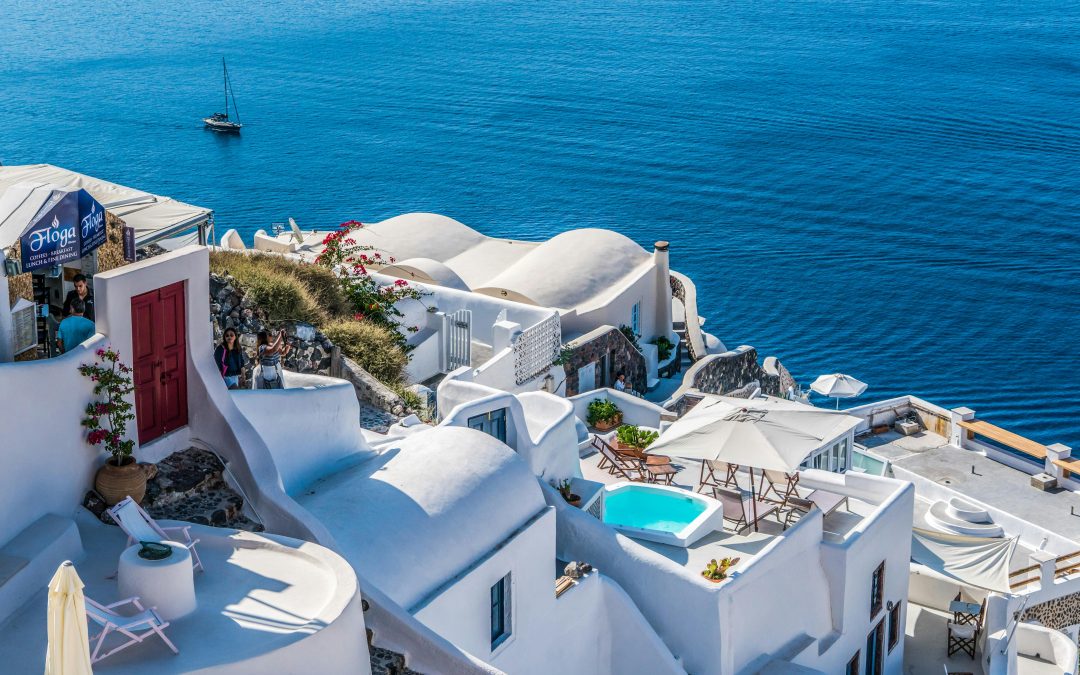
This blog post explores how slow travel in Sardinia can enrich your life, improve your health, and deepen your understanding of culture. Inspired by feature on Cagliari, we’ll uncover why this southern Italian gem is the perfect destination for travelers seeking meaning over momentum.


1. What Is Slow Travel—and Why Sardinia Embodies It

Slow travel is a mindset. It’s about:

  • Spending more time in fewer places
  • Prioritizing local experiences over tourist checklists
  • Traveling sustainably and mindfully

Sardinia, one of the world’s five Blue Zones (regions where people live significantly longer), naturally aligns with this ethos. In Cagliari, life moves to the rhythm of the sea, the sun, and the seasons. Lunch breaks are sacred, conversations are unhurried, and community is everything.


2. Cagliari: A City That Refuses to Rush

Perched on the southern coast of Sardinia, Cagliari is a city of layers—Roman ruins, medieval ramparts, and modern cafés coexist in harmony. But what sets it apart is its tempo.

In the Castello district, locals gather for porceddu (slow-roasted suckling pig) and red wine. Shops close for lunch, and siestas are still observed. The city’s salt pans shimmer in the distance, attracting flamingos and reminding visitors that nature is never far away.

This isn’t just charming—it’s life-affirming.


3. The Blue Zone Lifestyle: Lessons from Sardinia

Sardinia’s Blue Zone status is no accident. Researchers have identified several factors that contribute to the island’s longevity:

  • Plant-based diet: Rich in legumes, vegetables, and olive oil
  • Strong social ties: Family and community are central
  • Daily movement: Walking, gardening, and manual labor
  • Low stress: A slower pace reduces cortisol levels
  • Purposeful living: Elders remain active and engaged

Traveling here isn’t just a vacation—it’s a wellness retreat.


4. How to Practice Slow Travel in Cagliari

A. Stay Longer, Explore Less

Instead of hopping between cities, spend a week or more in Cagliari. Get to know the neighborhoods—Castello, Villanova, Marina—and let the city reveal itself gradually.

B. Eat Like a Local

Skip the tourist menus. Visit San Benedetto Market, one of Europe’s largest covered markets, and buy fresh pecorino, olives, and bread. Dine at trattorias where the menu changes daily based on what’s fresh.

C. Walk Everywhere

Cagliari is a walker’s paradise. Stroll along Poetto Beach, hike to the Devil’s Saddle viewpoint, or wander the narrow lanes of the old town. Walking connects you to the city’s rhythm.

D. Engage with Locals

Attend a cooking class, visit a ceramic studio, or simply strike up a conversation at a café. Sardinians are warm, proud, and eager to share their culture.


5. The Power of Place: Why Cagliari Feels Different

There’s something intangible about Cagliari. Maybe it’s the light, the sea breeze, or the scent of myrtle and juniper. But more than that, it’s the feeling of being welcomed—not as a tourist, but as a guest.

This is a city that values presence over performance. You’re not expected to do anything—just to be.


6. Sustainable Travel Starts with Slowness

Fast travel strains resources. Slow travel, on the other hand:

  • Reduces carbon emissions
  • Supports local businesses
  • Preserves cultural heritage
  • Encourages mindful consumption

In Cagliari, sustainability isn’t a trend—it’s tradition. From farm-to-table dining to locally made crafts, everything is rooted in place.


7. Sample Itinerary: A Week of Slow Travel in Cagliari

Day 1: Arrival and Orientation

  • Check into a boutique hotel like Casa Clàt or Palazzo Doglio
  • Enjoy a sunset aperitivo at Libarium on the Castello ramparts

Day 2: Market and Cooking

  • Visit San Benedetto Market
  • Join a Sardinian cooking class
  • Dinner at Sa Domu Sarda

Day 3: Nature and Movement

  • Morning walk to Sella del Diavolo
  • Afternoon swim at Poetto Beach
  • Evening stroll through Villanova

Day 4: Culture and Craft

  • Tour the Archaeological Museum
  • Visit Ceramica Olianas studio
  • Dinner at Luigi Pomata

Day 5: Day Trip to Nora

  • Explore ancient ruins and coastal views
  • Lunch at Fradis Minoris
  • Return for wine tasting at Casa Clàt

Day 6: Community and Connection

  • Attend a local event or festival
  • Visit a vineyard or olive grove
  • Share stories with locals over dinner

Day 7: Reflection and Departure

  • Journal at a quiet café
  • Take one last walk along the marina
  • Depart with a full heart

8. Voices from Sardinia: Travelers Reflect

Maria, 38, Barcelona

“I came to Cagliari for a weekend and stayed for two weeks. I slowed down, ate better, slept deeper. It changed how I travel.”

James, 52, London

“I’ve been to Italy many times, but Sardinia felt different. It wasn’t just beautiful—it was healing.”

Amina, 29, Casablanca

“I learned to make culurgiones with a local grandmother. We didn’t speak the same language, but we laughed and cooked together. That’s slow travel.”


9. Beyond Cagliari: Other Slow Destinations in Sardinia

  • Barumini: Home to ancient nuraghi towers
  • Pula: Coastal charm and archaeological wonders
  • Mandas: Literary village with deep roots
  • Chia Beach: White sands and lighthouse views

Each offers a unique slice of Sardinian life—best enjoyed slowly.


10. Final Thoughts: Travel That Nourishes

Slow travel isn’t about doing less—it’s about experiencing more. In Cagliari, you’ll find a city that invites you to linger, to listen, and to live. Whether you’re sipping wine under fig trees or watching flamingos in the salt pans, you’ll feel something rare: peace.

So next time you plan a trip, consider Sardinia. Not for the sights, but for the soul.

More From This Category

A Mediterranean Dream

A Mediterranean Dream

Nestled along the Catalonian coast, just a short drive from Barcelona, Cabrils is a charming village that seems to exist in perfect harmony with the sea and the surrounding mountains. It’s not the kind of place that overwhelms you with crowds or flashy attractions. Instead, it invites you to slow down, to breathe, and to immerse yourself in a gentler rhythm of life. For three days, this tranquil corner of Spain became our home—and at the heart of our experience was Carla, our exceptional Airbnb host.

read more
A Mediterranean Dream

A Mediterranean Dream

Nestled along the Catalonian coast, just a short drive from Barcelona, Cabrils is a charming village that seems to exist in perfect harmony with the sea and the surrounding mountains. It’s not the kind of place that overwhelms you with crowds or flashy attractions. Instead, it invites you to slow down, to breathe, and to immerse yourself in a gentler rhythm of life. For three days, this tranquil corner of Spain became our home—and at the heart of our experience was Carla, our exceptional Airbnb host.

read more
A Mediterranean Dream

A Mediterranean Dream

Nestled along the Catalonian coast, just a short drive from Barcelona, Cabrils is a charming village that seems to exist in perfect harmony with the sea and the surrounding mountains. It’s not the kind of place that overwhelms you with crowds or flashy attractions. Instead, it invites you to slow down, to breathe, and to immerse yourself in a gentler rhythm of life. For three days, this tranquil corner of Spain became our home—and at the heart of our experience was Carla, our exceptional Airbnb host.

read more

Comments

Our Newsletter