Is It Cheaper to Book a Flight at the Airport? Here’s What You Need to Know

Is It Cheaper to Book a Flight at the Airport? Here’s What You Need to Know

Is It Cheaper to Book a Flight at the Airport? Here’s What You Need to Know


Short answer: Sometimes—but only in very specific cases. For most U.S. travelers, booking online is cheaper, easier, and safer. Exceptions exist with ultra‑low‑cost carriers (ULCCs) that add an online “usage” or “interface” fee you can avoid at the airport.

This in‑depth guide—written for U.S. travelers—explains exactly when airport purchases can beat online prices, how “passenger usage charges” work on airlines like Spirit, Frontier, Allegiant, Breeze, and Sun Country, and the best tools and tactics to snag last minute flight deals without wasting time or money.


Introduction

Travel hacks circulate fast—especially the viral claim that it is cheaper to buy flights at the airport. The allure is real: show up at the counter, skip online fees, and score a rock‑bottom fare. But is this trick a reliable money‑saver or just a sometimes‑useful loophole?

Industry reporting and airline policy watchers agree on two points:

  1. Airport purchases can save money on certain ULCCs because they waive specific online booking surcharges at the airport (Spirit’s “Passenger Usage Charge,” Frontier’s “Carrier Interface Charge,” Allegiant’s “Electronic Carrier Usage Charge,” Sun Country’s “Passenger Interface Charge,” and similar fees on Breeze). These fees commonly add $18–$28 (or more) per segment online—savings that add up fast for round trips, connections, or families. [upgradedpoints.com], [awardwallet.com], [thriftytraveler.com], [thriftytraveler.com]

  2. Major U.S. legacy carriers (American, Delta, United, Southwest) don’t levy these online booking surcharges, so walking up to the counter typically won’t be cheaper—and last‑minute counter purchases often cost more due to fare buckets and demand dynamics. [thriftytraveler.com]

We’ll unpack both realities—and show you how to decide, route by route, whether the airport counter is worth the trip.


The Cost of Airport vs. Online Booking

Understanding the “airport counter discount” on ULCCs

ULCCs break out a chunk of the “price” as an avoidable carrier fee when you book online or by phone. Buying in person at a U.S. airport ticket counter typically removes that fee:

  • Spirit Airlines: “Passenger Usage Charge” now $8.99–$27.99 per segment online. Avoidable if you ticket at a U.S. airport counter. [upgradedpoints.com], [awardwallet.com]
  • Frontier Airlines: “Carrier Interface Charge” (CIC) commonly $4–$21 per segment online; airport purchases avoid CIC. [abc10.com]
  • Allegiant: “Electronic Carrier Usage Charge” around $22 per segment online; airport counter avoids it—but hours are limited. [onemileatatime.com]
  • Sun Country: “Passenger Interface Charge” $22+ per segment (≈$44+ round trip); airport purchases avoid it. [thriftytraveler.com], [startribune.com]
  • Breeze: “Technology Development Charge” (TDC); airport purchases can avoid it (though counter hours can be restrictive). [vegasmessa…eboard.com]

Independent reportage shows real savings—$18–$27.99 per flight segment—when booking in person on these ULCCs. That can mean $72–$112 saved for a family of four on a simple round trip (two segments), and more if you have connections. [thriftytraveler.com], [awardwallet.com]

Why do these fees exist? ULCCs can structure a portion of the fare as an optional fee (avoidably paid online), which is not subject to the 7.5% federal excise tax—so more of your payment goes to the airline. The “optional” part is satisfied by offering a way to avoid it: buy at the airport counter. [awardwallet.com]

When online purchase wins

For legacy carriers, there is no comparable online surcharge to dodge—and last‑minute airport pricing is usually higher, not lower. Online tools let you compare across dates and carriers, see fare buckets, and pounce on short‑lived sales—advantages you lose at a counter. Consumer guides and travel forums repeatedly note that day‑of/counter purchases are generally expensive outside of the ULCC fee loophole. [alternativ…rlines.com], [tripadvisor.com]

Bottom line: If you’re flying Spirit, Frontier, Allegiant, Breeze, or Sun Country and can reach an airport counter during limited hours, in‑person buying can be cheaper. For most other airlines and scenarios, book online and focus on flexible dates, alerts, and fare tracking.


Understanding Airport Ticket Prices

Airport ticketing today is not the 1990s walk‑up discount. It’s primarily a service point for check‑in and irregular operations—not a discount desk. Many counters keep limited ticketing hours, and agents may not often process in‑person sales (translation: expect a wait). Reports from travelers who tested the ULCC fee‑avoidance strategy confirm that the process can work—but it can also be time‑consuming and inconvenient. [tcbmag.com], [fueledbywa…erlust.com]

For last‑minute travel, fares generally rise as departure nears due to dynamic pricing and business traveler demand. Crowd‑sourced threads in traveler communities reinforce that walk‑up same‑day fares are rarely a bargain—with exceptions mostly confined to ULCC online fee avoidance, not across-the-board markdowns. [reddit.com], [smartmoney…everse.com]


Online Flight Booking Advantages

Booking online offers powerful advantages you won’t get at a counter:

  • Price discovery & competition: Compare dozens of airlines, dates, and nearby airports in minutes. This visibility is why online prices tend to be more competitive. [alternativ…rlines.com]
  • Dynamic fare tracking: You can set price alerts and catch brief drops that would be invisible at the counter. [fodors.com]
  • Wider inventory & options: Online platforms expose multiple connections, fare families, and promos. In person, your options are narrow to the agent’s system for that one airline. [alternativ…rlines.com]
  • Fewer logistical costs: No drive, no parking, no waiting—and you can book months in advance when fares are often lower. [alternativ…rlines.com]

Some third‑party sites can even undercut airline direct pricing on certain routes, though change policies can be stricter—so weigh savings vs. flexibility. [slashgear.com]


Exploring Last Minute Flight Deals

Are last minute flight deals real? Yes, but they’re rare, inconsistent, and highly route‑dependent. Most airlines price late buyers high; “deals” are more likely to come from fare wars, schedule changes, or inventory dumps spotted by price trackers and deal newsletters—not by showing up at a counter. Expert roundups emphasize timing windows (e.g., Tuesdays/Wednesdays can see competitive matching and temporary price dips) and off‑peak travel days (Tue/Wed/Sat) as reliable ways to shave 10–20%. [fodors.com]

Traveler anecdotes about scoring counter bargains do exist—but they typically involve ULCC fee avoidance or highly specific circumstances, not a general “walk up and save” rule. [fodors.com], [yahoo.com]


Spontaneous Travel Deals and Savings

If you’re flexible on dates and destination, spontaneity pays—online:

  • Use “Explore” maps and whole‑month views to spot unexpected price dips to alternative cities. (Do this before you ever drive to an airport.) [fodors.com]
  • Consider positioning flights to a major gateway with a sale fare, then connect onward; combine with carry‑on‑only for max agility. Expert advice stresses that the short window of matching and drops happens online—be ready. [fodors.com]

The narrative that counters hold unpublished “spontaneous” deals is largely outdated; most inventory and promos live online. [alternativ…rlines.com]


Utilizing Price Comparison Tools

To reliably beat airport ticket prices, arm yourself with comparison and alert tools:

  • Google Flights / Explore / Date Grid & Price Graph: Visualize month‑long lows and nearby airports in seconds. Great for spotting off‑peak departures and fare dips. (Use this to determine if a counter visit would even be worth the time.) [fodors.com]
  • Deal trackers & newsletters (e.g., Thrifty Traveler, AwardWallet news updates): Track airline fee changes (like Spirit’s fee hike) and fare drops you can act on fast. [thriftytraveler.com], [awardwallet.com]
  • Airline policy explainers: Follow outlets that spotlight ULCC fee structures and airport workarounds (e.g., One Mile at a Time’s explainers for Spirit/Allegiant, local coverage of Sun Country’s fee). [onemileatatime.com], [onemileatatime.com], [thriftytraveler.com]

Pros and Cons of Buying Flights at the Airport

Pros of Airport Purchases

  • Avoid ULCC online booking surcharges: Spirit’s Passenger Usage Charge, Frontier’s CIC, Allegiant’s ECUC, Sun Country’s PIC, Breeze’s TDC—often $18–$28 per segment—are commonly waived at U.S. airport counters. Families and multi‑segment trips can save $100–$200+. [awardwallet.com], [thriftytraveler.com], [thriftytraveler.com]
  • Use the counter when you’re already at the airport: If you’ll be there anyway (drop‑off, other flight, commute), the time cost is lower—and the savings more justifiable. Local reports show it works, though expect lines and limited hours. [tcbmag.com], [startribune.com]
  • Occasional edge cases: Some travelers report favorable counter outcomes in unique scenarios (IRROPS help, vouchers, complicated changes)—but these are service advantages rather than consistent price discounts. [onwardfree.com]

Cons of Airport Purchases

  • Time & logistics: Counter hours can be limited and lines long. Agents may be less familiar with in‑person sales, slowing transactions. Factor gas, parking, and your time. [tcbmag.com], [alternativ…rlines.com]
  • Worse for non‑ULCCs: Legacy carriers don’t add the same online surcharge, and last‑minute airport prices are usually higher than booking online in advance. [alternativ…rlines.com], [tripadvisor.com]
  • Limited comparison at the counter: You can’t easily compare across dates and airlines while standing in line—meaning you could miss better online deals or bundles. [alternativ…rlines.com]
  • Not a same‑day “deal” guarantee: Crowd wisdom and expert commentary caution that walk‑up bargains are uncommon—and can be offset by pricier last‑minute fares and on‑trip costs (hotels, etc.). [reddit.com], [travelpander.com]

Strategies for Budget Travel Planning

1) Decide if you’re a ULCC airport‑buyer candidate.
If your route and dates point to Spirit, Frontier, Allegiant, Breeze, or Sun Country, add up the avoidable online fees for your party and segments. If the total savings exceed your time+transport costs, the airport strategy might be worthwhile—but check counter hours first. (Spirit and Sun Country publish counter hours; Allegiant often limits sales to brief windows after a flight.) [upgradedpoints.com], [thriftytraveler.com], [onemileatatime.com]

2) For everyone else: Win online with data and flexibility.
Use date‑grid and price‑graph tools, set alerts, and target off‑peak travel days (Tue/Wed/Sat). Industry roundups show meaningful weekly pricing patterns and short Tuesday/Wednesday undercuts as airlines match each other. [fodors.com]

3) Track and stack.
Pair fare drops with credit‑card category bonuses, airline promo codes, and cashback/portal rebates to reduce your net cost—even when the headline fare isn’t the absolute rock bottom. (Deal sites frequently surface these stackable opportunities.) [thriftytraveler.com]

4) Plan baggage costs upfront.
ULCC base fares are lean; bag and seat fees can erase savings. Policy trackers and ULCC guides warn to check carry‑on vs. personal‑item rules before buying. [airlinepolicies.com]

5) Consider third‑party OTAs selectively.
You may find cheaper prices than airline direct on some routes, but weigh the change/after‑sales policies before committing. [slashgear.com]


Tips for Last Minute Travel Savings

  • Let alerts do the hunting. Enable route alerts and “watch” fares for short‑notice windows; it’s the fastest way to catch a temporary dip when airlines match or correct. [fodors.com]
  • Stay flexible on airports and times. Off‑peak departures and alternate airports are often the difference between “ouch” and “ok.” [fodors.com]
  • Use miles for peak demand. When last‑minute cash fares are sky‑high, loyalty points can provide outsized value—particularly on non‑ULCCs where counter buys don’t help. (Expert roundups emphasize timing, not walk‑up buys.) [fodors.com]
  • Know when the counter pays. If your last minute trip is on a ULCC, airport purchase may shave $18–$28 per segment—but don’t expect a special same‑day discount beyond avoiding the online fee. [thriftytraveler.com]

Finding Unused Airline Tickets

“Unused tickets” typically refers to credit from canceled or changed reservations—value you already own. You can’t legally buy someone else’s unused ticket due to name change restrictions and airline rules. If you personally hold an unused e‑credit, online or app channels are usually easiest to apply; counters can help with tricky credits (another service—not price—benefit of in‑person assistance). [onwardfree.com]


Case Studies: When the Airport Strategy Works (and When It Doesn’t)

Case 1: Family of Four on Spirit

  • Routing: Two nonstop segments round trip (4 segments total).
  • Online surcharge: Up to $27.99 per segment × 4 × 4 passengers = $447.84 potential surcharge avoided by buying at a U.S. airport counter. (Savings depends on the exact fee Spirit applies to your itinerary.) [awardwallet.com]
  • Considerations: Counter hours (limited), line time, parking/gas. If you’re already at the airport—go for it.

Case 2: Solo Traveler on Delta, next‑day trip

  • No online “usage fee” to avoid; dynamic pricing likely higher this close‑in. Book online with flexible time windows or use miles. [alternativ…rlines.com]

Case 3: Sun Country from MSP

  • Online “Passenger Interface Charge” $22+ per segment; local reporting confirmed counter purchases avoid it—but expect a hunt for the right counter and possible waits. [thriftytraveler.com], [tcbmag.com]

Case 4: Allegiant with limited counter hours

  • Online “Carrier Usage Charge” about $22 per segment; airport purchase avoids it, but hours may be as short as one hour after a flight departs—plan precisely. [onemileatatime.com]

Airport Ticket Prices vs. Internet Lore: What Communities Say

Discussion threads among travelers and frequent flyers echo the same nuance:

  • Yes, airport purchases can be cheaper on ULCCs because they drop the online fee.
  • No, it’s generally not a path to cheaper fares for mainstream carriers; last‑minute counter prices are usually worse. [reddit.com], [reddit.com]

Several firsthand tests show sizable savings at ULCC counters—but also lines, limited windows, and mixed experiences depending on staffing and policy quirks. [fueledbywa…erlust.com], [tcbmag.com]


Practical How‑To: If You’re Going to Try the Airport Method

  1. Verify counter hours for your target airline at that airport before going. ULCCs sometimes publish narrow windows; showing up at the wrong time wastes the trip. [upgradedpoints.com], [onemileatatime.com]
  2. Price it out online first. Know the total with fees so you can compare at the counter in real time. (For Sun Country, expect ~$22+ per segment in “PIC.”) [thriftytraveler.com]
  3. Bring ID and payment options (some counters restrict payment types). Plan for waits; be patient—many agents rarely process in‑person sales. [tcbmag.com]
  4. Do the math on time and transport. If you’re saving $88 on a family booking but spending $20 and an hour to get there, the calculus may still be worth it—but not for a single $18 segment. [thriftytraveler.com]
  5. Remember bags and seats. ULCC savings can evaporate with add‑ons; check fee tables before buying. [airlinepolicies.com]

Flight Booking Strategies (Your Step‑by‑Step Plan)

If your airline is a ULCC (Spirit/Frontier/Allegiant/Breeze/Sun Country):

  • Step A: Search routes and dates via Google Flights; note the lowest online total. [fodors.com]
  • Step B: Multiply the airline’s per‑segment surcharge by your segments and party size to estimate airport savings. (Spirit: up to $27.99/segment; Sun Country: $22+/segment; Allegiant: ~$22/segment.) [awardwallet.com], [thriftytraveler.com], [onemileatatime.com]
  • Step C: Check counter hours; plan visit when agents are less swamped (avoid peak departure banks). Local reporting suggests mornings or late evenings can be smoother. [tcbmag.com]
  • Step D: At the counter, confirm the all‑in price before paying; then decide whether the savings clear your time/transport hurdle. [tcbmag.com]

If your airline is not a ULCC:

  • Step A: Skip the counter; book online.
  • Step B: Use flexible date tools and alerts; target Tue/Wed/Sat departures, and watch Tue/Wed fare matches for brief dips. [fodors.com]
  • Step C: Stack savings with credit‑card offers, promo codes, and cashback portals. [thriftytraveler.com]

FAQs

Is it cheaper to buy flights at the airport—in general?

No, not in general. It’s situational. Airport buys are mainly cheaper on ULCCs that tack on online booking surcharges—fees you avoid at the U.S. counter. For most other airlines and scenarios, online booking wins. [awardwallet.com], [thriftytraveler.com], [alternativ…rlines.com]

How much can I save?

Typically $18–$28 per segment (sometimes more) on ULCCs. Multiply by the number of segments and travelers to estimate total savings. [thriftytraveler.com], [awardwallet.com]

Do legacy carriers offer counter‑only discounts?

No consistent discounts. Prices are usually the same or higher close‑in; the counter doesn’t unlock hidden fares on majors. [alternativ…rlines.com], [tripadvisor.com]

Can I buy for future dates at the ULCC counter?

Yes—you don’t have to fly the same day to avoid the fee. You can purchase weeks or months in advance in person (subject to counter hours). [thriftytraveler.com]

Are there risks to the airport method?

Time and access: narrow hours, long lines, agent unfamiliarity. Opportunity cost: you can’t comparison‑shop easily at a counter. [tcbmag.com], [alternativ…rlines.com]


Conclusion: Making the Right Choice

So, is it cheaper to book a flight at the airport?

  • Yes—sometimes: If you’re flying Spirit, Frontier, Allegiant, Breeze, or Sun Country, you can avoid $18–$28 (or more) per segment in online surcharges by buying at a U.S. airport counter. For families or multi‑segment routes, this can translate into $100–$200+ in savings. Check counter hours and compare your time+transport cost before you go. [awardwallet.com], [thriftytraveler.com], [thriftytraveler.com]
  • Usually, no: For most other airlines (and especially last‑minute travel), online booking—using flexible dates, alerts, and price graphs—beats airport counter purchases on convenience, transparency, and often total price. [alternativ…rlines.com]

Your best‑value playbook combines both truths:

  1. Verify whether your target airline is a ULCC with an avoidable online fee; if yes, do the math and consider a counter purchase. [awardwallet.com], [thriftytraveler.com]
  2. Otherwise, work online tools hard—alerts, date grids, off‑peak days, and targeted deal sources—to lock in the lowest net trip cost. [fodors.com]

Quick‑Reference Checklist (Copy/Paste)

  • Primary question: Is it cheaper to book a flight at the airport?
  • Before you go to the airport:
  • Online optimization:
    • Use Google Flights (Date Grid/Price Graph), watch Tue/Wed dips, and fly Tue/Wed/Sat when possible. [fodors.com]
    • Stack promo codes + card offers + cashback for best net price. [thriftytraveler.com]
  • Bags & seats:

Sources & Further Reading

More From This Category

VICTORIA FALLS 

VICTORIA FALLS 

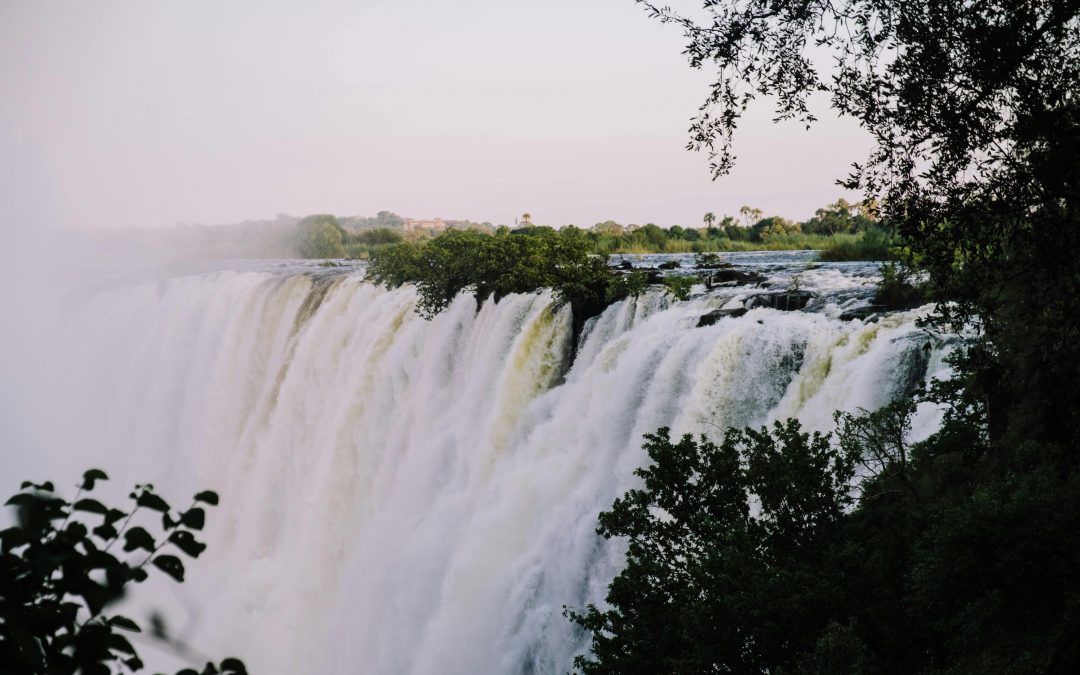
Stand at the edge of Victoria Falls—the world’s largest sheet of falling water—and feel the thrill of Devil’s Pool on the Zambezi’s daring lip. A journey where nature roars, rainbows rise, and adventure meets awe.

read more
VICTORIA FALLS 

VICTORIA FALLS 

Stand at the edge of Victoria Falls—the world’s largest sheet of falling water—and feel the thrill of Devil’s Pool on the Zambezi’s daring lip. A journey where nature roars, rainbows rise, and adventure meets awe.

read more
VICTORIA FALLS 

VICTORIA FALLS 

Stand at the edge of Victoria Falls—the world’s largest sheet of falling water—and feel the thrill of Devil’s Pool on the Zambezi’s daring lip. A journey where nature roars, rainbows rise, and adventure meets awe.

read more

Comments

Our Newsletter

Exploring America: The Ultimate Train Journey

Exploring America: The Ultimate Train Journey

Exploring America: The Ultimate Train Journey

Embark on a journey across America like no other. A cross country train ride offers a unique way to explore the vast landscapes of the USA.

Imagine gliding past towering mountains, lush forests, and sprawling deserts. Each view more breathtaking than the last.

Train travel is not just about the destination. It’s about the experience. The gentle sway of the train, the rhythmic clatter of the tracks.

Luxury train rides in the USA provide comfort and elegance. Enjoy spacious seating, gourmet dining, and panoramic views from observation decks.

Overnight train rides offer the charm of sleeper cars. Drift to sleep and wake up in a new city.

Amtrak’s cross country routes are legendary. From the California Zephyr to the Empire Builder, each offers a unique adventure.

Train travel tours in the USA can be tailored to your interests. Whether it’s history, nature, or culture, there’s a route for you.

Join us as we explore the best train rides in America. Discover the magic of train travel across this diverse and beautiful country.

Why Take a Cross Country Train Ride?

Taking a train across America is more than just a trip. It’s an exploration of diverse landscapes and cultures that define the country.

Train travel offers more comfort and relaxation than flying or driving. Spacious seating lets you stretch out and enjoy the ride in a calm setting.

The views are unbeatable. Vast plains, rugged mountains, and sparkling coastlines unfold just beyond your window. No other form of travel provides such a continuously scenic panorama.

Train travel allows you to connect with fellow travelers. Sharing stories and experiences is part of the journey’s charm. You might even make lifelong friends.

Here’s why a cross country train ride stands out:

  • Unique, ever-changing scenery.
  • More comfort and space.
  • No stressful airports.
  • Opportunity to meet people.
  • Rich historical routes.

Whether you’re new to train travel or a seasoned rider, the magic of the rails promises discovery, adventure, and a memorable experience.

The History and Romance of Train Travel in America

Train travel in the United States dates back to the 19th century. The expansion of railroads played a critical role in the nation’s development. Rail lines connected vast distances, allowing people and goods to move swiftly across the country.

The golden age of rail travel evoked a sense of adventure. Travelers marveled at the landscapes whizzing by and experienced the luxury of dining and sleeping cars. This era cemented trains as symbols of progress and romance.

Train journeys brought diverse people together. The shared experience on rails fostered cultural exchanges and understanding among passengers from different backgrounds. This social aspect added to the romance of train travel.

Today, the nostalgia of this bygone era endures. Train enthusiasts celebrate the historical significance and architectural beauty of classic train stations and vintage routes. Some notable elements include:

  • Architectural elegance of historical train stations.
  • Vintage routes maintaining their charm.
  • Influence on American culture and progress.

by Antwerp Reveal (https://unsplash.com/@antwerpreveal)

The legacy of American railroads continues to inspire, reminding us of a time when the journey was as important as the destination.

Top Cross Country Train Routes in the USA

America’s vast landscapes are best explored by train. Cross country routes showcase breathtaking scenery and diverse terrains. Iconic rail journeys traverse majestic mountains, serene prairies, and bustling cities.

Among the best train rides in America, certain routes stand out. Amtrak offers memorable experiences, blending history with modern comfort. The California Zephyr, for instance, is a favorite among travelers.

Each route provides unique views and adventures. Scenic highlights often include jaw-dropping vistas and charming small towns. These trains connect vibrant metropolises, allowing passengers to experience urban energy and natural beauty.

Luxury train rides in the USA enhance the travel experience with top-notch amenities. Some routes offer onboard activities and thematic experiences.

Popular routes include:

  • California Zephyr
  • Empire Builder
  • Southwest Chief
  • Coast Starlight

Overnight train rides offer special allure. Sleeper accommodations provide comfort and privacy, transforming travel into a restful escape. Sleeping beneath a starry sky to awake in a new locale is captivating.

Train tours in the USA are customizable, letting travelers combine routes for tailored adventures. These tours highlight cultural spots, historical landmarks, and natural wonders. They are perfect for both solo travelers and families.

For scenic train rides in the USA, consider:

  • Hudson River Valley on the Adirondack
  • Pacific coastlines on the Coast Starlight
  • Desert expanses on the Southwest Chief

by Brian Kelly (https://unsplash.com/@brikelly)

Whether you’re seeking a romantic getaway or a family-friendly adventure, these routes deliver unforgettable experiences. Reliving the elegance of American train travel offers a connection to the country’s historical evolution.

California Zephyr: Rockies to the Sierras

The California Zephyr is a journey of majestic beauty. It spans between Chicago and San Francisco, crossing diverse landscapes.

Passengers delight in views of the Rocky Mountains and Sierra Nevada. The route showcases America’s natural splendor like no other.

Key highlights along the Zephyr include:

  • The Great Plains’ endless horizons
  • Rugged peaks of the Rockies
  • Lush landscapes of the Sierra Nevada

by Tim Lin (https://unsplash.com/@lifescalpel)

Riding the Zephyr is a chance to witness seasonal transformations. From vibrant autumn hues to winter’s pristine snowscape, every season offers unique visuals.

Empire Builder: Across the Northern States

The Empire Builder cuts through the northern reaches of the USA. This train crosses from Chicago to Seattle, offering a northern adventure.

Riders experience sweeping vistas, including Glacier National Park. Travelers are treated to panoramic windows that maximize scenic enjoyment.

Notable stops along the way include:

  • Historic St. Paul, Minnesota
  • Expansive Great Plains
  • Unforgettable views of Glacier National Park

by Juan Orestes (https://unsplash.com/@juankiddy)

Each season enhances the journey with its unique charm. Spring blooms and summer meadows provide as much allure as winter snow blankets.

Southwest Chief: Through the American Southwest

The Southwest Chief showcases the stark beauty of America’s Southwest. This route stretches from Chicago to Los Angeles, providing rugged adventures.

Passengers marvel at red rock formations and vast canyons. Culturally rich stops add to the allure of this journey.

Along this route, key highlights include:

  • The mysterious landscapes of the Painted Desert
  • The awe-inspiring red rocks of Sedona
  • Desert views of Arizona and New Mexico

by Alex Moliski (https://unsplash.com/@alexmoliski)

The journey reveals the Wild West’s essence. Sunsets paint the desert in rich hues, offering photographers the perfect shot.

Coast Starlight: Pacific Coast Luxury

The Coast Starlight offers an extraordinary Pacific adventure. This train travels from Seattle to Los Angeles along the stunning west coast.

Riders enjoy views of pristine beaches and lush forests. Plush accommodations cater to those seeking luxury train rides in the USA.

Highlights on the Coast Starlight include:

  • Majestic Cascade Mountains
  • Forested landscapes of Washington and Oregon
  • Iconic Pacific Ocean views

by tom coe (https://unsplash.com/@tomcoe)

This route is renowned for its lavish services. Passengers indulge in gourmet dining while soaking in the coastline’s breathtaking sights.

Other Notable Routes: Sunset Limited, Adirondack, and More

Beyond these flagship routes, there are several hidden gems. The Sunset Limited, for instance, offers Southern charm from New Orleans to Los Angeles.

The Adirondack route enchants with its journey from New York to Montreal. Travelers enjoy the tranquil beauty of lakes and mountains.

Other noteworthy routes include:

  • The Crescent: New York to New Orleans
  • The Texas Eagle: Chicago to San Antonio
  • The Cardinal: New York to Chicago

by Pascal Bernardon (https://unsplash.com/@pbernardon)

Whether exploring the Adirondack’s scenic vistas or the cultural hubs along the Sunset Limited, each route presents its own appeal. These journeys capture the heart and essence of travel by train across America.

Types of Train Experiences: From Coach to Luxury Sleeper

Train travel in the USA comes with a variety of options. Each caters to different preferences and budgets. From budget-friendly coach to opulent luxury, there’s an experience for everyone.

Coach class offers a practical way to see the country. Passengers enjoy comfortable seating and the freedom to explore the train. It’s ideal for casual adventurers seeking affordability.

For those who value privacy, sleeper options abound. Roomettes and bedrooms provide intimate spaces for rest and relaxation. They often include beds, en-suite bathrooms, and generous amenities.

Luxury sleeper train travel is a realm of indulgence. Those traveling in luxury enjoy gourmet meals, fine linens, and attentive service. These high-end experiences transform journeys into lavish escapes.

Available train classes include:

  • Coach
  • Roomettes
  • Bedrooms
  • Luxury Suites

by Fang-Wei Lin (https://unsplash.com/@fangweilin)

Onboard amenities also enhance these experiences. These include dining cars, observation decks, and lounge areas. Whether watching landscapes roll by or enjoying a meal, travelers find comfort and enjoyment.

Optional train amenities include:

  • Wi-Fi
  • Dining services
  • Lounges

by Alexandra (https://unsplash.com/@alexandra_p_d)

Coach Class: Affordable Adventure

Coach class invites budget-conscious travelers on a comfortable journey. It offers spacious seats with ample legroom and recline.

Travelers in coach enjoy the freedom to move and mingle. It’s ideal for socializing, reading, or simply gazing out the window.

Notable perks of coach class include:

  • Economical pricing
  • Comfortable seats
  • Scenic views

by Vincent Guth (https://unsplash.com/@vingtcent)

Coach passengers share communal areas, fostering a lively atmosphere. This interaction enhances the overall travel experience, making it a popular choice.

Roomettes and Bedrooms: Comfort and Privacy

For those seeking privacy, roomettes and bedrooms are perfect. They provide private spaces for sleeping and unwinding.

Roomettes feature two cozy seats that convert to beds, while bedrooms offer more space. Bedrooms include private bathrooms with showers, offering added convenience.

Key benefits of roomettes and bedrooms include:

  • Private accommodations
  • En-suite bathrooms
  • Complimentary meals

by viktor timofeev (https://unsplash.com/@vtimofeev99)

These options create a restful retreat on the rails. The privacy allows travelers to sleep comfortably, making long journeys more pleasant.

Luxury Sleeper Train Travel USA: The Ultimate Indulgence

Luxury sleepers redefine rail travel with grandeur. Passengers enjoy opulent surroundings and premium services. Each cabin exudes elegance, promising unmatched comfort.

Amenities in luxury sleeper trains elevate the journey. Guests relish gourmet dining, curated itineraries, and top-notch service. These elements combine to offer an unparalleled travel experience.

Features of luxury sleeper travel include:

  • High-end cabin features
  • Gourmet dining options
  • Personalized service

by Harry Spink (https://unsplash.com/@hspink)

Each trip is a sensory feast, where every detail is thoughtfully curated. The lavish interiors and breathtaking scenery create a mesmerizing blend of nature and luxury.

What to Expect Onboard: Amenities, Dining, and Entertainment

The experience aboard American trains is as diverse as the scenery. From dining to entertainment, each journey promises variety and comfort.

Passengers find an array of amenities designed for convenience and pleasure. These enhance the travel experience, making longer trips enjoyable. Spacious seating, charging outlets, and luggage storage make for seamless travel.

Standard onboard amenities include:

  • Luggage storage
  • Charging outlets
  • Reading lights

by Maksym Tymchyk 🇺🇦 (https://unsplash.com/@maksym_tymchyk)

Dining options cater to diverse tastes with meals crafted to satisfy. Dining cars offer full-course meals, while cafe cars provide snacks and drinks. Culinary offerings blend local flavors with traditional favorites.

Dining features to anticipate:

  • Full-course meals in dining cars
  • Café services with snacks and drinks
  • Regional culinary specialties

by Jessie McCall (https://unsplash.com/@littlegreeneyes)

Entertainment options allow travelers to relax and engage. Observation cars feature panoramic windows, ideal for scenic viewing. Some trains even offer onboard Wi-Fi to keep passengers connected.

Whether enjoying a book or socializing in a lounge, passengers can unwind as they travel. The ambiance of train life invites relaxation, ensuring each journey is a memorable one.

Planning Your Cross Country Train Trip: Tips and Essentials

Embarking on a cross country train adventure requires thoughtful planning. This ensures a seamless and enjoyable journey across America.

Begin with researching routes and destinations. Choose those that highlight your interests, whether it’s mountains or coastal views. Early planning helps secure the best accommodations and rates.

Booking tickets well in advance is crucial. Popular routes fill up quickly, especially during peak seasons. This step guarantees access to preferred seating and sleeping options.

Essential planning steps:

  • Research preferred routes and destinations
  • Book tickets early
  • Choose accommodations that meet your needs

by Edgar Chaparro (https://unsplash.com/@echaparro)

Packing wisely enhances your experience. Include essentials like travel-sized toiletries, comfortable clothing, and entertainment. A neck pillow and travel blanket add comfort for longer trips.

Helpful packing tips:

  • Bring travel-sized toiletries
  • Pack layers for varying climates
  • Include books or electronic devices for entertainment

by Muhammad Masood (https://unsplash.com/@muhammadbinmasood)

Stay informed about train schedules and itineraries. Having this knowledge prevents surprises and allows for a smoother trip. Check for updates regularly, particularly in case of delays or changes.

Finally, embrace flexibility in your travel plans. Train travel can have unexpected moments, making adaptability a valuable trait. This mindset turns any disruption into part of the adventure itself, ensuring a memorable experience.

Scenic Highlights: Landscapes, Wildlife, and Photo Opportunities

The United States offers a vast array of landscapes, waiting to be discovered by train. From the arid beauty of the Southwest to the lush forests of the Northeast, train rides unveil America’s stunning natural diversity. Passengers can gaze upon rolling plains, rugged mountains, and expansive coastlines, each offering unique beauty.

Wildlife enthusiasts will be delighted as trains often traverse through habitats where animals roam. Travelers may spot bison in the Great Plains or bald eagles soaring above remote forests. This intimacy with nature is unparalleled and a highlight for many aboard.

Photography lovers have countless opportunities to capture breathtaking scenes. The slow pace of train travel allows for careful framing of both iconic vistas and hidden gems. Every journey presents a new chance for memorable snapshots.

Scenic highlights not to miss:

  • Rockies on the California Zephyr
  • Glacier National Park with Empire Builder
  • Pacific Ocean views on the Coast Starlight

by Peter Robbins (https://unsplash.com/@prphotography262)

Whether you’re seeking serene landscapes or exciting wildlife, these journeys promise unforgettable views. Packing a quality camera becomes a must for documenting these incredible scenes.

by Kouji Tsuru (https://unsplash.com/@pafuxu)

Themed and Specialty Train Tours in the USA

Themed and specialty train tours offer unique adventures across America’s railroads. These tours cater to various interests, adding excitement to the journey. From wine enthusiasts to history buffs, there’s a themed train tour for everyone.

These tours bring destinations to life with curated experiences. Enjoy gourmet meals paired with regional wines, or delve into the rich history of American railroads. Themed tours often include expert guides who share fascinating stories and insights.

Travelers can also explore holiday-themed rides or embark on thrilling murder mystery events. Each tour promises a tailored experience, making every trip memorable.

Popular themed tours include:

  • Wine tours in California
  • Historical rail journeys
  • Holiday-themed rides
  • Murder mystery events

by Valentin Lacoste (https://unsplash.com/@valentinlacoste)

These specialty tours not only enrich the travel experience but also create lasting memories. Whether for relaxation or adventure, themed train tours offer endless possibilities for exploration.

Family, Solo, and Group Travel by Train

Traveling by train offers diverse experiences for families, solo adventurers, and groups. Families can enjoy quality time together while exploring America’s vast landscapes. Spacious seating, observation decks, and onboard activities make train trips fun for all ages.

For solo travelers, train rides provide solitude and reflection while meeting fellow passengers along the way. The relaxed pace allows for personal exploration and unique experiences. Solo trips offer a chance to connect with like-minded travelers.

Groups benefit from customizable itineraries that cater to shared interests. Whether planning a reunion or a corporate retreat, train travel accommodates various group sizes and preferences. Discounts and packages make group travel more economical.

Travel styles by train:

  • Families: fun for everyone
  • Solo: reflection and connection
  • Groups: shared adventures

by Paul Hanaoka (https://unsplash.com/@plhnk)

Each travel style has its own rewards, making train journeys an appealing choice for many. Whether exploring solo, with family, or as part of a group, train travel opens up new adventures and connections.

Sustainability and the Future of Train Travel in America

Train travel plays a crucial role in promoting sustainable tourism across America. Compared to flying and driving, trains have a lower carbon footprint. This makes them an eco-friendly travel choice for conscious travelers.

The future of train travel looks promising with advancements in rail technology. Improvements such as high-speed trains can make traveling by rail even more efficient. Innovations in energy-efficient engines further enhance sustainability in train journeys.

Investing in train infrastructure supports local economies and communities. It facilitates better connectivity between urban and rural areas. This investment underlines the importance of trains in achieving sustainable development goals.

Key benefits of sustainable train travel:

  • Lower carbon emissions
  • Supports local economies
  • Promotes sustainable tourism

by Lyrax (https://unsplash.com/@lyrax_photograph)

Frequently Asked Questions About Cross Country Train Rides

Many travelers wonder about the necessities for a cross country train ride. Packing light yet efficiently is key for a comfortable journey. Essentials include snacks, a travel pillow, and entertainment.

Are there discounts available for train tickets? Amtrak offers several discount programs for seniors, students, and frequent travelers. These can significantly reduce travel costs.

What are the amenities available on board? Most long-distance trains provide dining services and observation cars. Certain routes even offer Wi-Fi and power outlets for electronic devices.

Travelers often ask about the best time to book a train trip. Booking several weeks in advance helps secure the best rates and accommodations. Flexibility with travel dates can also result in better deals.

Is sleeping on a train comfortable? Sleeper cabins provide privacy and cozy beds for restful overnight journeys. Opting for a roomette or bedroom ensures enhanced comfort.

Finally, travelers may ask if trains are family-friendly. Yes, they are! Kids love the spacious seating and scenic views from the windows.

Common FAQs about train rides:

  • What to pack?
  • Are discounts available?
  • Onboard amenities?
  • Best time to book?
  • Sleeping accommodations?
  • Family-friendly options?

Conclusion: Making Memories on a Train Ride Across America

Embarking on a cross country train ride offers an unforgettable adventure. Traveling by train lets you see stunning landscapes and meet interesting people. It’s a unique journey blending comfort and discovery.

Imagine waking up to the sight of snow-capped peaks or vast desertscapes. Each route offers its own charm, from the lush forests of the Pacific Northwest to the golden plains of the Midwest. These views will create lasting memories.

Train rides across the USA also offer ample time for reflection and relaxation. Unplugging and soaking in the scenery can be refreshing and rejuvenating. Each moment becomes a cherished memory, captured in photos and stories.

Whether you travel solo, with family, or as a group, a train journey across America is enriching. Embrace the peaceful pace and let the rails guide your adventure. Your cross country train journey will surely be a highlight of your travel experiences.

by Ross Sneddon (https://unsplash.com/@rosssneddon)


More From This Category

VICTORIA FALLS 

VICTORIA FALLS 

Stand at the edge of Victoria Falls—the world’s largest sheet of falling water—and feel the thrill of Devil’s Pool on the Zambezi’s daring lip. A journey where nature roars, rainbows rise, and adventure meets awe.

read more
VICTORIA FALLS 

VICTORIA FALLS 

Stand at the edge of Victoria Falls—the world’s largest sheet of falling water—and feel the thrill of Devil’s Pool on the Zambezi’s daring lip. A journey where nature roars, rainbows rise, and adventure meets awe.

read more
VICTORIA FALLS 

VICTORIA FALLS 

Stand at the edge of Victoria Falls—the world’s largest sheet of falling water—and feel the thrill of Devil’s Pool on the Zambezi’s daring lip. A journey where nature roars, rainbows rise, and adventure meets awe.

read more

Comments

Our Newsletter

KRUGER NATIONAL PARK

KRUGER NATIONAL PARK

KRUGER NATIONAL PARK  —  Smart Guide


Kruger is two safaris at once. By day, you can roam one of the world’s great public wildlife parks on your own wheels, governed by strict rules that protect animals and people. By night (or for a different style entirely), you can hand the keys to expert guides—either on official SANParks drives inside the park, or at intimate lodges in the unfenced private reserves of the Greater Kruger, where off‑road tracking is allowed under tightly controlled ethics. This 2025 guide gives you the playbook for predator‑rich sightings, season‑smart timing, and responsible choices that keep Kruger wild for the next generation.


1) What’s New, What’s Non‑Negotiable

  • No drones, period. In July 2025, SANParks re‑issued a public reminder: drones are prohibited in all national parks under the National Environmental Management: Protected Areas Act. Unauthorized operators face arrest and confiscation of equipment; restricted airspace applies even to recreational flights. Report incidents to the Kruger Emergency Call Centre. [sanparks.org]
  • Conservation fees (valid to 31 Oct 2025). Daily fees for Kruger are R535 per international adult (12+), R267 per international child (2–11), with lower rates for South African citizens/residents and SADC nationals; a 1% Community Fund levy applies to accommodation/activities. [sanparks.org]
  • Gate quotas & time‑slot control on peak dates. Over high‑demand periods (e.g., Easter 2025), Kruger operated entry time slots with traffic enforcement for speed and after‑hours travel. Arrive with advance bookings and respect slot windows to avoid being turned away. [sanparks.org]

What never changes: the park’s core Code of Conductstay in your vehicle except at designated sites; no off‑road driving; no feeding or disturbing animals; speed limits 50 km/h on tar, 40 km/h on gravel; adhere to gate hours. Rules are enforced under the Protected Areas Act, and fines/expulsion are real. [sanparks.org], [sanparks.org]


2) How Kruger Works

Public Kruger (SANParks)

  • Size & access: Nearly 20,000 km² of public roads (tar and gravel), multiple gates, 12 main rest camps plus bushveld/satellite camps and a few in‑park concessions. You self‑drive by day; at night you’re inside camp unless on an official SANParks guided drive (sunrise, sunset, night). [sanparks.org], [sanparks.org]
  • Rules: Stay on roads; no off‑road; no alighting except at signed spots; no alcohol for day visitors; stick to speed limits and gate times listed on your green permit. [sanparks.org], [sanparks.org]

Greater Kruger Private Reserves (e.g., Sabi Sand, Timbavati, Manyeleti)

  • Same ecosystem, different experience. Fences between Kruger and many private reserves were dropped decades ago, so wildlife roams freely; the experience differs: off‑road tracking, fewer vehicles per sighting, guided walks, night drives as part of lodge programming, and highly limited guest numbers for intimacy. [discoverafrica.com], [wild-wings…afaris.com]
  • Trade‑offs: You cannot self‑drive in most private reserves; you stay at a lodge with two daily game drives. Cost is higher, but close‑range predator viewing can be exceptional. [discoverafrica.com], [wild-wings…afaris.com]

3) Seasons & Sightings — When Predators Shine

Dry winter (≈ May–September): Top predator season. Vegetation thins; herds concentrate at water, making ambushes and predator movement easier to spot. Most sources agree winter is “best for game viewing,” with excellent ratings May–September. Mornings are crisp; bring layers for open vehicles. [safaribookings.com], [krugerpark.co.za]

Spring (September–October): Still dry, a touch warmer; grass low, predators active around dwindling water—many veterans’ “secret best.” [namibia-to…afaris.com], [tindlovu.co.za]

Summer wet season (≈ November–March): Lush, hot, sometimes stormy. Birding booms; newborns arrive with dramatic predator‑prey scenes, but sightings can be harder through dense leaves and long grass. [krugerpark.co.za], [safaribookings.com]

Gate hours shift monthly; plan drives to be inside camp before closing—no self‑driving after dark. Check your gate’s current opening/closing times by month on SANParks’ official page. [sanparks.org]


4) Predator Playbook (Lion, Leopard, Wild Dog, Cheetah) — Without Harassing Wildlife

Lions often hold territories near waters, riverine thickets and junctions where herbivores commute; winter mornings reveal tracks on sandy verges. Stay patient at waterholes near sunrise/sunset; move slowly and never crowd a hunt. (Crowding can alter behavior; it’s also unethical and can earn you a ranger chat.) Speed limits exist partly to reduce disturbance and collisions with nocturnal predators. [sanparks.org]

Leopards love riverine trees, drainage lines, and riparian roads—classic haunts in south‑central Kruger and in Sabi Sand’s river systems. Private reserves’ controlled off‑road policies allow careful, limited approaches when sensitive habitat won’t be damaged—one key reason photographers choose Sabi Sand for leopards. [discoverafrica.com]

African wild dogs cover big distances; cool, early hours after gate opening are productive. Expect brief, electric sightings rather than long stationary views; again do not off‑road in public Kruger to keep packs undisturbed—use official SANParks drives or private‑reserve vehicles with professional protocols. [sanparks.org], [discoverafrica.com]

Cheetahs favor more open grassland—central Kruger (Satara environs) is classic terrain. You will still keep to roads; in private reserves, guides may track off‑road only where terrain allows and with strict vehicle limits per sighting. [discoverafrica.com]

Golden rule: Never pressure animals. The SANParks Code explicitly forbids disturbing wildlife; fines apply. Ethical viewing ensures your sighting doesn’t shorten a hunt, separate cubs, or push animals onto roads. [sanparks.org]


5) Ethical & Legal Essentials (Read Before You Roll)

  • Stay in your vehicle except at designated points; no limbs out of windows/sunroofs; doors closed. [sanparks.org]
  • Speed limits: 50 km/h tar; 40 km/h gravel—strictly enforced for animal and visitor safety. [sanparks.org]
  • No off‑road. Public Kruger prohibits it; “no entry” means no entry. [sanparks.org]
  • No feeding. It creates “problem animals” (baboons, vervets, hyaenas) that may be destroyed; don’t be the reason. [sanparks.org], [safari.com]
  • No alcohol for day visitors; and public drinking is prohibited for all—keep sundowners inside private accommodations/restaurants. [sanparks.org], [sanparks.org]
  • Gate hours: Enter/exit only during official times; latecomers can be refused entry or fined. [sanparks.org]
  • Drones: Banned; offenders can be arrested; kit confiscated. [sanparks.org]

If you book a licensed Open Safari Vehicle (OSV) operator, they, too, work under a formal OSV Code of Conduct (updated Nov 2023) covering game‑viewing procedures, radio etiquette, and fines for non‑compliance. [sanparks.org]


6) Public Kruger vs Private Reserves — Which Suits You?

Choose Public Kruger if you want…

  • Freedom & affordability: You control routes/times (within gate hours), use picnic sites/hides, and build long self‑drive days between camps. [sanparks.org]
  • Variety: Huge road network, multiple biomes and camps (Skukuza, Satara, Lower Sabie, Letaba, etc.). [sanparks.org]
  • Official guided activities: Sunrise, sunset, night drives (only legal way to be out after dark), and guided bush walks with rangers. [sanparks.org]

Choose a Private Reserve if you want…

  • Intimacy & access: Off‑road (where appropriate), fewer vehicles per sighting, night drives and walks baked into lodge schedules. [discoverafrica.com], [wild-wings…afaris.com]
  • High‑touch guiding: Dedicated tracker/guide teams adept at following predators. Sabi Sand is famed for leopard experiences. [discoverafrica.com]
  • Limited traffic: Strict caps reduce crowding; you trade road range for close‑range, curated encounters. [discoverafrica.com]

Both share one ecosystem, unfenced along most borders. The choice is style, not species. [discoverafrica.com]


7) Health & Safety — Malaria, Sun, Roads

Malaria: Kruger lies in a malaria area; the high‑risk season is roughly September–May, though risk can persist year‑round after unusual rains. South African professional bodies (SASTM) advise strict bite prevention and to consider chemoprophylaxis in high months; any post‑trip fever must be tested for malaria first. [sastm.org.za]

In 2024–2025, the National Department of Health/NICD reaffirmed doxycycline as a public‑sector chemoprophylaxis option for eligible travelers to moderate‑risk areas in South Africa during Sept–May (avoid in pregnancy/children <8 yrs; discuss alternatives in private sector). Follow your travel‑medicine clinician’s advice and start/stop on the correct schedule. [nicd.ac.za]

General health: UV is intense; hydrate, use DEET or picaridin, wear long sleeves at dusk, and sleep under nets/AC where available. (CDC and private clinic pages also caution year‑round bite prevention; good practice regardless of season.) [destinatio…clinic.com]

Road safety: Kruger’s speed limits are low for a reason; nocturnal animals often rest on warm tar before dawn—stick to limits and be eyes‑up at crests/river crossings. No self‑drive at night; only SANParks night drives run legally after dark. [sanparks.org], [sanparks.org]


8) Money & Logistics — Fees, Gate Times, Camps, Fuel

  • Daily conservation fees (to 31 Oct 2025): International adult R535; International child R267; SADC and SA citizen/resident rates lower. Wild Card holders may get entry benefit depending on card. [sanparks.org]
  • Gate times & late entry: Monthly opening/closing times posted by gate (e.g., Jan 05:30–18:30; Jun–Jul 06:00–17:30, etc.). Late entry is not allowed except limited escorted cases to nearby camps until 21:00 (fee; emergency proof required). Confirm with your gate. [sanparks.org]
  • Camps & services: Major camps (e.g., Skukuza, Satara, Letaba, Lower Sabie) offer fuel, shops, restaurants, and SANParks activity desks. Visitor Tips: plan modest daily distances; early/late are most productive; thieves = monkeys/baboons—never leave food unattended. [sanparks.org], [sanparks.org]

Official game drives (book at camp or online):

  • Morning (start ~30 min before gate opens, 3–3.5 hrs), Sunset (≈3 hrs), Night (19:30/20:00 starts, ~2 hrs), and All‑day hires on request. Great way to be legally out in low‑light periods. [sanparks.org]

9) Predator‑Smart Fieldcraft (That Doesn’t Break Rules)

  • Think water: In dry months, stake out river loops, dams and weirs at dawn/dusk; predators patrol these corridors. Keep the engine off; let behavior resume. Do not crowd. (Driving etiquette is part of the Code.) [sanparks.org]
  • Read the road: Fresh tracks on verges or hyena spoor on tar often hints at nearby action; move slowly (within limits). [sanparks.org]
  • Use SANParks drives for the night shift: Many nocturnal species (genet, civet, serval, owls) and predators on the move appear after dark—legal only with SANParks rangers. [sanparks.org]
  • Private‑reserve edge: If you book Sabi Sand/Timbavati, your guides may follow softly off‑road with strict vehicle caps—ideal when a leopard slips off the track. (This is precisely what public Kruger forbids; pick the product that matches your needs.) [discoverafrica.com]

10) Two 4‑Day Itineraries

A) The Public‑Kruger Classic

Base: 2 nights Lower Sabie (south) → 2 nights Satara (central).

Day 1 (arrive south): Enter Phabeni/Paul Kruger Gate near Hazyview; slow roll to Lower Sabie via the Sabie River loops (elephants, hippos, crocs; predators at dusk). Sunset Drive from camp. [sanparks.org], [sanparks.org]

Day 2: Pre‑gate morning drive along river loops; mid‑day rest; late‑afternoon to Sunset Dam. Book Night Drive for nocturnals and lion/hyena movement. [sanparks.org]

Day 3 (transfer to Satara): Dawn departure via H10–H1‑3 (open plains = cheetah potential). Satara Sunset Drive for lions on the tar at last light. [sanparks.org]

Day 4: Dawn loop S100/S126; brunch; siesta; slow river road for evening elephants; exit next morning via Orpen Gate. (Adjust roads based on closures; check at reception daily.) [sanparks.org]

Why it works: River systems + open plains cover two prime predator habitats; SANParks night/sunset drives legally extend your viewing window. [sanparks.org]


B) The Hybrid (Greater Kruger Taste)

Days 1–2: Public KrugerSkukuza/Lower Sabie base with Sunrise and Night drives to learn rhythms and see nocturnal life. [sanparks.org]

Days 3–4: Sabi Sand lodge — Two days of guided off‑road game drives (where appropriate) for close‑range leopard/lion encounters, with bush walks and unhurried sightings (vehicle caps). [discoverafrica.com]

Why it works: You get freedom + affordability up front, then the intensity and tracking advantages of a private reserve without building a whole week around it. [wild-wings…afaris.com]


11) Practical Packing & Vehicle Setup

  • Binoculars (8× or 10×), beanbag for window support, long lens for predators near but not on road.
  • Layered clothing (winter dawns are cold in open vehicles) and broad‑brim hat for summer.
  • Insect repellent (DEET/picaridin), chemoprophylaxis if advised (speak to a clinic per NICD guidance), first‑aid kit. [nicd.ac.za], [destinatio…clinic.com]
  • Paper map + offline app (signal can be patchy), cooler for water/fruit, headlamp for camp (outside lighting is minimal). [sanparks.org]
  • No drones, no noisy speakers, no litter—your ethics = others’ experience + animal welfare. [sanparks.org], [sanparks.org]

12) Frequently Asked Questions

What are the current conservation fees?
From 1 Nov 2024 to 31 Oct 2025, international adults pay R535/day and children R267/day; SADC and SA rates are lower. A 1% Community Fund levy applies to accommodation/activities. [sanparks.org]

Are drones allowed for personal filming or wildlife photography?
No. Drones are illegal in national parks under the Protected Areas Act. SANParks reiterated this in July 2025; offenders face arrest and equipment confiscation. [sanparks.org]

When is the best time to visit for predators?
Generally dry winter (May–September) for visibility and water‑hole concentration; September–October is a superb shoulder. Summer offers newborns and birding but denser bush. [safaribookings.com], [namibia-to…afaris.com]

Can I be on the roads at night?
Only on SANParks guided drives (sunset/night). Self‑driving is daylight‑only per gate times; check monthly hours for your gate. [sanparks.org], [sanparks.org]

Is Kruger malaria‑free?
No. It’s a malaria area. Risk rises Sept–May; the NICD supports chemoprophylaxis options (e.g., doxycycline in public sector for eligible travelers) with strict bite prevention. Consult a travel‑medicine clinician. [sastm.org.za], [nicd.ac.za]

How do private reserves differ from the national park?
Same wildlife, different style: private reserves offer limited guests, off‑road (ethically managed) and close‑range sightings; public Kruger gives self‑drive freedom but no off‑road and more vehicles at sightings. [discoverafrica.com], [wild-wings…afaris.com]

What are the speed limits and core rules?
50 km/h on tar, 40 km/h on gravel; stay in the vehicle, no feeding, no off‑road, no alcohol for day visitors, adhere to gate hours—all enforced under the Protected Areas Act. [sanparks.org], [sanparks.org]


13) Responsible Safari Code

  • Stay on roads; give animals space; never block, crowd or push a sighting. [sanparks.org]
  • Engine off at sensitive sightings; quiet voices; let hunts or nursing proceed undisturbed. [sanparks.org]
  • Pack out every scrap; secure food from baboons/vervets. [sanparks.org]
  • Skip drones & loud music; respect others’ wilderness. [sanparks.org]
  • Support local: tip fairly, buy crafts in camp shops and community stalls (SANParks community levy complements this). [sanparks.org]

14) Quick Booking Links & Orientation

  • Official Park Page (camps, activities, availability): SANParks Kruger hub. [sanparks.org]
  • Entrance gates & hours (per month, per gate) + late‑entry policy and contacts: Entrance Gates page. [sanparks.org]
  • Rates & Entry Fees (to 31 Oct 2025): adults/children by nationality; Community Fund. [sanparks.org]
  • Game Drives (SANParks): morning, sunset, night, all‑day hire from camps. [sanparks.org]
  • Rules/Code of Conduct (must‑read): SANParks rules & Kruger Vital Information. [sanparks.org], [sanparks.org]
  • Drone policy reminder (Jul 2025): keep skies wildlife‑safe. [sanparks.org]

More From This Category

Wellness Essentials

Wellness Essentials

Whether you’re hiking through the Scottish Highlands, sunbathing in Bali, or navigating the dry air of a desert retreat, your skin and body respond to the environment. Travel exposes us to new climates, altitudes, and stressors—and our beauty routines need to adapt.
A team of globetrotting experts tested hundreds of products across climates and continents. The result? A curated list of skincare, wellness, and grooming essentials that truly go the distance.
This blog post explores how to build a climate-conscious beauty routine—one that’s portable, purposeful, and powerful. Whether you’re packing for a tropical escape or a snowy summit, we’ve got you covered.

read more
Wellness Essentials

Wellness Essentials

Whether you’re hiking through the Scottish Highlands, sunbathing in Bali, or navigating the dry air of a desert retreat, your skin and body respond to the environment. Travel exposes us to new climates, altitudes, and stressors—and our beauty routines need to adapt.
A team of globetrotting experts tested hundreds of products across climates and continents. The result? A curated list of skincare, wellness, and grooming essentials that truly go the distance.
This blog post explores how to build a climate-conscious beauty routine—one that’s portable, purposeful, and powerful. Whether you’re packing for a tropical escape or a snowy summit, we’ve got you covered.

read more
Wellness Essentials

Wellness Essentials

Whether you’re hiking through the Scottish Highlands, sunbathing in Bali, or navigating the dry air of a desert retreat, your skin and body respond to the environment. Travel exposes us to new climates, altitudes, and stressors—and our beauty routines need to adapt.
A team of globetrotting experts tested hundreds of products across climates and continents. The result? A curated list of skincare, wellness, and grooming essentials that truly go the distance.
This blog post explores how to build a climate-conscious beauty routine—one that’s portable, purposeful, and powerful. Whether you’re packing for a tropical escape or a snowy summit, we’ve got you covered.

read more

Comments

Our Newsletter

GALÁPAGOS

GALÁPAGOS

GALÁPAGOS — New $200 Park Fee, TCT Card, Biosecurity & Wildlife‑First Itinerary

Introduction: The Edge of the World, the Heart of the Earth

Oceania is not just a region—it’s a revelation. Comprising Australia, New Zealand, and the Pacific Islands, it stretches across the world’s largest ocean, offering travelers a tapestry of wild landscapes, ancient cultures, and soulful simplicity.

From the surf-swept beaches of Byron Bay to the fjords of New Zealand and the coral gardens of Fiji, Oceania invites you to explore not just places, but philosophies. It’s where nature speaks loudly, communities live slowly, and travel becomes transformation.

In this blog, we’ll journey through Oceania’s most compelling destinations, uncovering the stories, rituals, and rhythms that make this region one of the most enriching on Earth.


1. Australia: Land of Contrast and Connection

Byron Bay: Surf, Spirit, and Sustainability

Byron Bay, on Australia’s east coast, is often described as a spiritual surf town. With its golden beaches, lush hinterland, and bohemian vibe, it’s a place where wellness and wilderness meet.

Why Visit Byron Bay?

  • Surf at The Pass or Wategos Beach
  • Hike to Cape Byron Lighthouse for sunrise
  • Explore Crystal Castle and Shambhala Gardens
  • Attend local farmers’ markets and wellness festivals

Byron Bay’s ethos is rooted in sustainability, community, and creativity. It’s a place to slow down, breathe deeply, and reconnect.

Tasmania: Wilderness and Wonder

Tasmania, Australia’s island state, is a haven for nature lovers and solitude seekers.

Highlights:

  • Cradle Mountain-Lake St Clair National Park
  • MONA (Museum of Old and New Art) in Hobart
  • Bruny Island’s gourmet food and wildlife
  • Bay of Fires’ orange-laced granite beaches

Tasmania offers a raw, elemental experience—perfect for hiking, kayaking, and introspection.

The Red Centre: Sacred Landscapes

Uluru (Ayers Rock) is more than a landmark—it’s a living cultural site for the Anangu people.

Experiences:

  • Walk the base of Uluru with an Indigenous guide
  • Visit Kata Tjuta’s domes
  • Stargaze in the desert
  • Learn about Tjukurpa (Anangu law and storytelling)

The Red Centre teaches travelers about respect, resilience, and the sacredness of land.


2. New Zealand: Aotearoa’s Dual Soul

New Zealand, or Aotearoa, is a land of duality—mountains and beaches, Maori and Pākehā (European), adventure and serenity.

South Island: Drama and Depth

Must-See Destinations:

  • Fiordland National Park: Milford and Doubtful Sound
  • Queenstown: Adventure capital with bungee, skiing, and jet boating
  • Wanaka: Lakeside calm and hiking trails
  • Kaikōura: Whale watching and seafood

South Island is cinematic, spiritual, and endlessly photogenic.

North Island: Culture and Community

Highlights:

  • Rotorua: Geothermal wonders and Maori culture
  • Wellington: Artsy capital with great coffee and museums
  • Bay of Islands: Sailing, snorkeling, and history
  • Waitomo Caves: Glowworms and underground rivers

North Island offers warmth, storytelling, and connection.

Maori Culture: A Living Legacy

To travel in New Zealand is to engage with Te Ao Māori—the Māori worldview.

Cultural Experiences:

  • Attend a pōwhiri (welcome ceremony)
  • Learn haka and waiata (songs)
  • Visit marae (meeting grounds)
  • Hear legends of Tāne Mahuta and Māui

Respect, reciprocity, and kaitiakitanga (guardianship of nature) are central to Māori values—and to meaningful travel.


3. The Pacific Islands: Blue Worlds and Deep Traditions

Oceania’s island nations—Fiji, Samoa, Tonga, Vanuatu, and others—offer travelers a chance to experience life shaped by the ocean.

Fiji: Coral, Culture, and Community

Fiji is famous for its turquoise waters and warm hospitality. But beyond the resorts lies a rich cultural tapestry.

What to Do:

  • Snorkel in the Yasawa Islands
  • Visit a traditional Fijian village
  • Participate in a kava ceremony
  • Hike in Bouma National Heritage Park

Fiji’s concept of “bula spirit”—joy, welcome, and connection—is palpable.

Samoa: Fa’a Samoa and Sacred Sites

Samoa’s culture, known as Fa’a Samoa, emphasizes family, respect, and tradition.

Highlights:

  • Swim in To Sua Ocean Trench
  • Explore lava fields and waterfalls
  • Attend a fiafia night (dance and feast)
  • Visit Robert Louis Stevenson’s home

Samoa offers travelers a chance to witness living heritage and natural beauty.

Tonga: The Kingdom of the Pacific

Tonga is one of the few remaining monarchies in the Pacific, with a strong sense of identity and pride.

Experiences:

  • Watch humpback whales in Vava’u
  • Visit Ha’amonga ‘a Maui Trilithon
  • Explore uninhabited islands by kayak
  • Learn about Tongan tapa cloth and storytelling

Tonga is quiet, authentic, and deeply rooted in tradition.


4. Oceania’s Climate Zones: Packing and Planning

Oceania spans multiple climate zones:

  • Tropical (Fiji, Samoa): Hot and humid year-round
  • Temperate (New Zealand): Four seasons, variable weather
  • Arid (Central Australia): Hot days, cold nights
  • Alpine (NZ South Island): Snow in winter, cool summers

Packing Tips:

  • Lightweight layers for tropical zones
  • Waterproof gear for New Zealand
  • Sunscreen and hydration for deserts
  • Respectful clothing for cultural visits

Always check local customs and weather before you go.


5. Sustainability in Oceania: Travel That Gives Back

Oceania’s ecosystems are fragile and sacred. Travelers can help protect them by:

A. Supporting Local Businesses

  • Stay in family-run lodges
  • Buy crafts from Indigenous artisans
  • Eat locally sourced food

B. Respecting Nature

  • Follow Leave No Trace principles
  • Avoid touching coral or wildlife
  • Use reef-safe sunscreen

C. Learning and Listening

  • Attend cultural workshops
  • Ask questions with humility
  • Share stories responsibly

Sustainable travel in Oceania is about reciprocity—not just taking, but giving.


6. Wellness and Rewilding in Oceania

Oceania is a natural wellness destination. Here’s how to rewild your body and soul:

Australia: Byron Bay and Tasmania

  • Yoga on the beach
  • Forest bathing in eucalyptus groves
  • Surf therapy and breathwork

New Zealand: Wanaka and Rotorua

  • Hot springs and mud baths
  • Hiking and meditation retreats
  • Maori healing traditions

Pacific Islands: Fiji and Samoa

  • Ocean swims and coral snorkeling
  • Traditional massage and herbal remedies
  • Coconut oil rituals and kava ceremonies

Wellness here is not manufactured—it’s inherited, intuitive, and immersive.


7. Voices from Oceania: Travelers Reflect

Lily, 33, Vancouver

“In New Zealand, I felt like the land was speaking to me. The Māori guides didn’t just show us places—they shared stories that changed how I see the world.”

Tane, 45, Rotorua

“Our ancestors taught us to care for the land. When travelers come with respect, they become part of that story.”

Maya, 29, London

“Swimming in Fiji was like returning to something ancient. The coral, the colors, the silence—it was healing.”


8. How to Plan Your Oceania Journey

Step 1: Choose Your Focus

  • Adventure (NZ, Australia)
  • Culture (Samoa, Tonga)
  • Wellness (Byron Bay, Fiji)
  • Nature (Tasmania, Vanuatu)

Step 2: Build a Slow Itinerary

  • Spend at least 2–3 nights per location
  • Include cultural experiences and nature time
  • Leave space for spontaneity

Step 3: Travel Mindfully

  • Offset your carbon footprint
  • Learn basic local phrases
  • Respect sacred sites and customs

Oceania rewards travelers who move with intention.


Conclusion: Oceania as a Way of Being

Oceania is not just a place—it’s a way of being. It teaches us to listen to the land, honor the ocean, and live with heart. It invites us to slow down, to connect, and to remember that travel is not about consumption—it’s about communion.

So whether you’re surfing in Byron Bay, hiking in Fiordland, or sharing kava in Fiji, let Oceania change you. Let it remind you that the edge of the world is often where the deepest truths reside

More From This Category

Wellness Essentials

Wellness Essentials

Whether you’re hiking through the Scottish Highlands, sunbathing in Bali, or navigating the dry air of a desert retreat, your skin and body respond to the environment. Travel exposes us to new climates, altitudes, and stressors—and our beauty routines need to adapt.
A team of globetrotting experts tested hundreds of products across climates and continents. The result? A curated list of skincare, wellness, and grooming essentials that truly go the distance.
This blog post explores how to build a climate-conscious beauty routine—one that’s portable, purposeful, and powerful. Whether you’re packing for a tropical escape or a snowy summit, we’ve got you covered.

read more
Wellness Essentials

Wellness Essentials

Whether you’re hiking through the Scottish Highlands, sunbathing in Bali, or navigating the dry air of a desert retreat, your skin and body respond to the environment. Travel exposes us to new climates, altitudes, and stressors—and our beauty routines need to adapt.
A team of globetrotting experts tested hundreds of products across climates and continents. The result? A curated list of skincare, wellness, and grooming essentials that truly go the distance.
This blog post explores how to build a climate-conscious beauty routine—one that’s portable, purposeful, and powerful. Whether you’re packing for a tropical escape or a snowy summit, we’ve got you covered.

read more
Wellness Essentials

Wellness Essentials

Whether you’re hiking through the Scottish Highlands, sunbathing in Bali, or navigating the dry air of a desert retreat, your skin and body respond to the environment. Travel exposes us to new climates, altitudes, and stressors—and our beauty routines need to adapt.
A team of globetrotting experts tested hundreds of products across climates and continents. The result? A curated list of skincare, wellness, and grooming essentials that truly go the distance.
This blog post explores how to build a climate-conscious beauty routine—one that’s portable, purposeful, and powerful. Whether you’re packing for a tropical escape or a snowy summit, we’ve got you covered.

read more

Comments

Our Newsletter

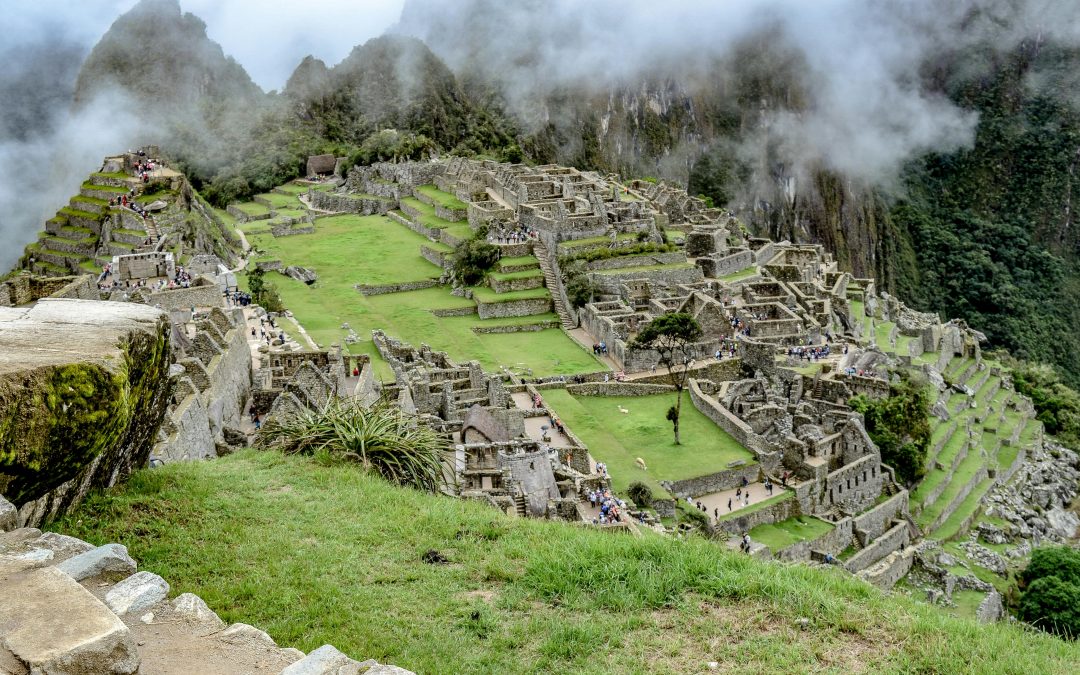
MACHU PICCHU

MACHU PICCHU

MACHU PICCHU — New Rules, Circuits, Timed Entries & Inca Trail Permits (Without the Crowds)


There’s a point on the terraces where the wind slows and the silhouettes of Huayna Picchu and the ridge line turn from jade to graphite. In that quiet, you feel exactly why people cross hemispheres to be here. In 2025, you can still have that moment—if you understand the new rules, book the right circuit at the right hour, and move through the sanctuary with intention. This is your definitive, field‑tested plan.


1) What Changed (and Why You Should Care)

Since 2024, Peru has tightened how visitors move inside Machu Picchu to protect stonework, reduce erosion on fragile paths, and smooth peak‑hour flows. For 2025, several practical realities shape your day:

  • Timed Entry + Fixed Circuits. You must enter at a specific time slot and follow a designated circuit (no switching mid‑visit). Visits typically run ~2½–4 hours depending on the route you booked.
  • Daily Capacity Bands. Expect ~4,500 daily visitors in low season and up to ~5,600 in high season, spread across circuits and entry windows. Tickets sell out early for premium morning hours and mountain add‑ons.
  • One‑Way Flow. Each circuit is a one‑direction loop. There is no re‑entry on the same ticket once you leave, so time bathrooms and snacks before you pass the entry gates.
  • Inca Trail Permits. The Classic (4‑day) Trail is limited to 500 permits per day (including staff) and closes every February for conservation. Permits sell out months in advance; the Short (2‑day) Trail has separate, smaller allocations.
  • Circuit Access for Trekkers. As of 2025, Inca Trail permits map to Circuit 1 (panoramic) by default; if you want a different path (e.g., Circuit 2 or 3), you’ll need to purchase an additional circuit ticket subject to availability (policy confirmed by reputable operators summarizing 2024–2025 changes).

Why it matters: Your experience hinges on picking the right circuit and time—and aligning that with light, crowds, and your fitness. Get this right and the site feels contemplative, not crowded.


2) The Circuits Demystified — What You’ll Actually See and Photograph

Peru’s Ministry of Culture manages Machu Picchu visits through three main circuits (with variants and mountain add‑ons). Names can differ slightly by seller, but the logic is consistent.

Circuit 1 — Panoramic/Upper Terraces (Guardian’s House Views)

  • Best for: The classic postcard panorama down onto the citadel, sweeping photos at first light, and a smooth “overview‑first” immersion.
  • Route feel: You ascend to upper terraces near or above the House of the Guardian, then descend along one‑way paths that bring you to mid‑level sectors before exiting.
  • Length & difficulty: Moderate; stairs with handrails in places.
  • Pro tip: This is the standard circuit tied to Inca Trail permits; it’s also ideal if you value the iconic angle over close studies of every quarter of the urban core.

Circuit 2 — Classic/Comprehensive Core (when offered)

  • Best for: A deeper walk through the urban heart—Main Plaza, Temple of the Three Windows, Intihuatana sector (when open), residential clusters, and masonry close‑ups.
  • Route feel: More in‑citadel time, often considered the most architecturally rich circuit if you crave intimate details and varied vantage points.
  • Length & difficulty: Moderate to long; more stairs and uneven stones; no circuit switching once you’ve started.
  • Pro tip: If you want both the panorama and the urban deep dive, you may book two circuits on different days (or on the same day if time slots permit). Availability fluctuates—check well ahead.

Circuit 3 — Lower Terraces/“Royalty” Variants

  • Best for: Shorter loops, travelers with time or energy constraints, and those pairing the citadel with a mountain add‑on in the same day.
  • Route feel: The lower agricultural terraces and adjacent urban sectors, with different angles and fewer steep ascents.
  • Length & difficulty: Shorter, easier; still stone steps and uneven footing.
  • Pro tip: Don’t dismiss this circuit—lower‑angle photos often give extraordinary depth to Huayna Picchu in the background.

Mountain Add‑ons (limited permits; must match time windows)

  • Huayna Picchu (Wayna Picchu). The sugar‑loaf peak behind the ruins; permits extremely limited. Narrow, steep switchbacks with exposed slopes; spectacular aerial views. Book months in advance.
  • Machu Picchu Mountain. Higher, longer climb with broader paths and expansive vistas; less vertigo‑inducing than Huayna but more cardio.
  • Huchuy Picchu. A shorter alternative near Huayna with lovely views; ideal if Huayna is sold out or you want a gentler climb.

Booking logic: Pick your primary circuit first (for your desired photo angles/time), then layer a mountain add‑on in the correct window. Tickets are route‑specific; you cannot swap circuits mid‑visit.


3) Capacity, Time Slots & Ticketing — Getting Your Hands on the Right Paper

Daily capacity. The Ministry uses seasonal caps of about 4,500 visitors in low season and ~5,600 in high season (June–August), divided across circuits and entry hours. The earliest entries (06:00–08:00) are the most coveted; even in shoulder months they can sell out weeks ahead.

Time slots. There are typically multiple entry waves from 06:00 through early afternoon; last entries are often after 14:00 (varies by season). Your ticket shows your slot; you must arrive on time and proceed to your circuit. There is no re‑entry if you exit.

Where to buy.

  • Official portals and the Ministry’s channels are safest for live availability, but can be quirky for international cards. Reputable Peruvian operators and licensed agencies can secure tickets on your behalf if the official gateway is fussy.
  • For Inca Trail permits, only licensed outfitters can apply; all operators draw from the same government‑managed pool updated in real time.

How far ahead.

  • Huayna Picchu and early‑morning Circuit 2 slots can vanish 2–4 months out in high season.
  • Circuit 1 morning entries usually need 1–2 months ahead for June–August, less for shoulder months.
  • Short‑notice success is most likely on afternoon entries or Circuit 3.

Important 2025 fine print.

  • Inca Trail → Circuit mapping. Trek permits default to Circuit 1 entry; if you want Circuit 2 or 3 afterward, you must add a separate circuit ticket (subject to availability). Operators noted the change in 2024–2025 updates. Confirm your route before purchase.
  • Visit duration. Expect a 2½–4‑hour window inside the sanctuary depending on your circuit; rangers will guide flows to maintain pace.

4) The Inca Trail — Permits, Closures, and Honest Expectations

Permit math (why it sells out). The government caps the Classic 4‑day trail at 500 people/dayincluding guides, porters, cooks—which means only ~200–250 trekkers per day enter at KM82. The Short 2‑day trail has a separate, smaller allocation. February is fully closed for maintenance and conservation; permits are not issued.

Lead times. For May–August, book 4–6 months ahead for the Classic Trail; 2–3 months may suffice for shoulder season, but Huayna add‑ons at the citadel can still sell out. Some agencies watch for last‑minute cancellations, but this is rare.

Trail reality check.

  • Classic Trail. 43 km over high Andean passes (Dead Woman’s Pass at 4,215 m), significant stairs, and rapid weather changes.
  • Short Trail. A scenic, lower‑impact option that still arrives via Inti Punku (Sun Gate) with the dramatic first view—great if you’re short on time or acclimatization.

Post‑trail entry (2025). Most trekkers’ sanctuaries entries align with Circuit 1 timing; if your dream is a deep urban walkthrough (Circuit 2) the next morning, buy a second entry. Tour companies can arrange this in a “trail + next‑day city” combo, but availability is key.


5) Crowd‑Smart Strategy — When to Go, How to Move, Where to Look

Seasonality (macro):

  • May–August: dry, clear, busiest.
  • April & September–October: sweet spots—shoulder crowds, often great light.
  • November–March: rain risk increases; green landscapes and softer crowds appeal to photographers; the Trail is closed in February (citadel open with rain breaks).

Time‑of‑day (micro):

  • 06:00–07:00 entries: prime for misty panoramas and the fewest people in the upper terraces.
  • 10:00–13:00: peak arrival from trains/buses; pick Circuit 2 late morning only if you’re ready for company.
  • 14:00+: quieter; warmer light on terraces; good for Circuit 3 or lower‑angle photographers. Note sunset is early in winter; check seasonal gate hours.

Llamas are not models. Rangers discourage blocking paths or baiting animals for photos. The best images are wide scenes—stone + cloud—not llama selfies.

Footing & pace. Sloped granite is polished by millions of soles. Wear grippy shoes; trekking poles are usually restricted unless rubber tips are fitted and you have a medical need.

Bathrooms. None inside the site. Restrooms sit just outside; use them before entry; bring small coins for fees. There is no re‑entry on the same ticket.


6) Getting There & Around — Trains, Buses, and the Last 400 Meters

Cusco → Aguas Calientes (Machu Picchu Pueblo).

  • Trains (PeruRail, Inca Rail) from Poroy, San Pedro, or Ollantaytambo whisk you to Aguas Calientes in 1½–3½ hours depending on origin. Ollantaytambo departures are the most frequent.
  • From Aguas Calientes, concessioned buses zig‑zag to the citadel in about 25–30 minutes; queues start before dawn. Energetic hikers can walk up (1½–2 hours; steep switchbacks).

Acclimatization. Cusco sits at ~3,400 m; Aguas Calientes is ~2,000 m. If arriving by air to Cusco, spend 1–2 nights in the Sacred Valley (Pisac, Urubamba, Ollantaytambo) to acclimatize before hiking or early starts.

Bag rules. Large backpacks are not allowed inside; daypacks below ~40×35×20 cm are the norm. Lockers available near the gate.

Guide requirement. First‑time visitors are required/recommended (per route) to enter with a licensed guide; many circuits practically enforce guided flow. Guides add context and help you optimize photo angles within the one‑way system.


7) Two Perfect‑Day Playbooks

A) The Classic First‑Timer (2 days, trains from Ollantaytambo)

Day 0 (Sacred Valley): Sleep in Ollantaytambo. Evening walk through Inca lanes, early dinner, hydrate.

Day 1:

  • Train ~06:00–07:00 to Aguas CalientesBus up.
  • Circuit 2 10:00 slot (less fog; learn the urban plan while energy is high).
  • Long lunch in Aguas Calientes; soak at local hot springs if you like.
  • Early bed; hydrate; pack light for sunrise.

Day 2:

  • Bus ~05:00–05:30 up for Circuit 1, 06:00 slot: classic Guardian’s House panorama in soft pink light.
  • Optional Huchuy Picchu or Machu Picchu Mountain (if booked) aligned with your slot.
  • Late brunch → train back to Ollantaytambo or Cusco.

B) The Trekker’s Finale (Classic 4‑day Trail + extra city time)

  • Finish Trail → Circuit 1 (as mapped on your permit).
  • Overnight Aguas Calientes.
  • Next morning Circuit 2 (separate ticket) for the deep dive you couldn’t do after a big trek day.
  • Huayna Picchu on day two if legs are fresh and you secured the permit month(s) earlier.

Pro tips: Build a weather buffer day after your must‑see slot. If rain shuts down your sunrise, you can swap circuits or return in the afternoon for golden light.


8) Respect & Preservation — How to Be a Superb Guest

Stay on the circuit. “Shortcuts” damage terraces and break the one‑way flow that rangers rely on to keep congestion tolerable.

Hands off stones. Oils hasten darkening; leaning and climbing stress mortarless joints. The best intimacy is seeing the tool marks, not touching them.

No drones/tripods inside without special permits; enforcement is real.

Waste & water. Carry in/carry out; no eating inside the citadel. Single‑use plastics add to local waste pressure—bring a filter bottle in Peru generally.

Photography ethic. If a ranger asks you to move along, move. Don’t hold angles excessively in bottleneck points (Temple of Three Windows; main plaza edges).

Context matters. The shift to fixed circuits and narrower re‑entry rules wasn’t arbitrary. It responds to years of overcrowding and stone fatigue. Knowing that, you’ll accept the choreography—and find your quiet within it.


9) Packing & Health — Avoid the Pain Points

  • Footwear: Grippy trail runners or light hikers.
  • Layers: Mornings can be cold, afternoons warm; pack a shell for mist/rain.
  • Sun & altitude: Broad‑brim hat, high‑SPF sunscreen; coca tea or your doctor‑approved regimen for mild altitude symptoms.
  • Poles: Only with rubber tips and generally only if medically justified (check current gate rules with your guide).
  • Cash & cards: Small bills for buses, bathrooms; cards widely accepted in Aguas Calientes, but network hiccups happen.

10) Price & Practicalities — What to Expect (and Where to Save)

Tickets. Prices vary by circuit and mountain add‑on; purchase through official channels or a trusted operator that guarantees the exact slot + circuit you want.

Buses. Round‑trip Aguas Calientes ↔ Sanctuary adds a fixed cost; some travelers walk down to save money and enjoy the cloud forest.

Guides. Worth it—not only for interpretation, but for navigation within one‑way flows and time management with mountain add‑ons.

Hotels. Aguas Calientes ranges from simple hostels to boutique stays with early breakfast for dawn buses. In the Sacred Valley, Ollantaytambo offers charm, Urubamba offers resorts; price swings with season.


11) Troubleshooting

Your circuit sold out? Consider another time window (earlier/later) or Circuit 3 for lower crowds and fresh angles. Many readers fall in love with Circuit 3’s lower terrace compositions.

Rain on your sunrise? Swap photo priorities: focus on stone + cloud drama; come back for a late‑afternoon slot the same day only if you purchased an additional entry—remember: no re‑entry on the same ticket.

Card failed on official portal? Use a reputable operator that purchases on your behalf; they all draw from the same Ministry inventory, but service can be worth the fee when payment gateways balk.

Trail closed (February) or permits gone? Book the Short Trail (if open) or an alternative trek (Lares, Salkantay, Choquequirao) and enter the citadel on a separate circuit ticket the next day.


12) FAQs

How many visitors can enter Machu Picchu per day in 2025?
The Ministry manages seasonal caps roughly around 4,500 (low season) and ~5,600 (high season), distributed by time slot and circuit. Tickets for prime morning windows sell out first.

Can I re‑enter Machu Picchu after exiting?
No. As of 2025, tickets are single‑entry, timed. Once you leave the gate, there’s no same‑ticket re‑entry. Use bathrooms before entering.

Which circuit is best for the classic panorama?
Circuit 1 (panoramic/upper terraces) lines you up for the Guardian’s House viewpoints and that famous citadel‑below composition—especially magical 06:00–07:30.

Is Circuit 2 better than Circuit 1?
They’re different. Circuit 2 goes deeper into the urban core for close studies of masonry and temples, but Circuit 1 gives superior overview photography. Many travelers book both on different days.

Are trekking poles allowed?
Poles are generally restricted unless you have a medical need and rubber tips; rules are enforced to protect stonework. Confirm with your guide before you queue.

When is the Inca Trail closed?
The Classic Trail is closed every February for conservation. Permits are limited to 500/day year‑round (including staff), so popular months sell out months ahead.

Do Inca Trail permits include a full city circuit?
In 2025, trail permits usually map to Circuit 1. If you want Circuit 2/3, book a separate timed entry (subject to availability).


13) Responsible Travel Checklist

  • ✅ Book timed entries and circuits early; don’t “no‑show.”
  • Arrive on time, restrooms before entry; no re‑entry.
  • ✅ Follow one‑way flows; no climbing on walls or terraces.
  • ✅ Keep hands off stone; no drones/tripods.
  • Carry out all waste; no eating inside.
  • ✅ Hire licensed local guides; tip fairly.
  • ✅ If trekking, pack in/pack out, use porters fairly, and respect altitude.

    More From This Category

    Wellness Essentials

    Wellness Essentials

    Whether you’re hiking through the Scottish Highlands, sunbathing in Bali, or navigating the dry air of a desert retreat, your skin and body respond to the environment. Travel exposes us to new climates, altitudes, and stressors—and our beauty routines need to adapt.
    A team of globetrotting experts tested hundreds of products across climates and continents. The result? A curated list of skincare, wellness, and grooming essentials that truly go the distance.
    This blog post explores how to build a climate-conscious beauty routine—one that’s portable, purposeful, and powerful. Whether you’re packing for a tropical escape or a snowy summit, we’ve got you covered.

    read more
    Wellness Essentials

    Wellness Essentials

    Whether you’re hiking through the Scottish Highlands, sunbathing in Bali, or navigating the dry air of a desert retreat, your skin and body respond to the environment. Travel exposes us to new climates, altitudes, and stressors—and our beauty routines need to adapt.
    A team of globetrotting experts tested hundreds of products across climates and continents. The result? A curated list of skincare, wellness, and grooming essentials that truly go the distance.
    This blog post explores how to build a climate-conscious beauty routine—one that’s portable, purposeful, and powerful. Whether you’re packing for a tropical escape or a snowy summit, we’ve got you covered.

    read more
    Wellness Essentials

    Wellness Essentials

    Whether you’re hiking through the Scottish Highlands, sunbathing in Bali, or navigating the dry air of a desert retreat, your skin and body respond to the environment. Travel exposes us to new climates, altitudes, and stressors—and our beauty routines need to adapt.
    A team of globetrotting experts tested hundreds of products across climates and continents. The result? A curated list of skincare, wellness, and grooming essentials that truly go the distance.
    This blog post explores how to build a climate-conscious beauty routine—one that’s portable, purposeful, and powerful. Whether you’re packing for a tropical escape or a snowy summit, we’ve got you covered.

    read more

    Comments

    Our Newsletter

    The Caribbean you think you know

    The Caribbean you think you know

    The Caribbean you think you know — and the one you’ll fall for next

    Here’s the deal

    Picture the Caribbean and your mind probably goes straight to marquee names: the mega‑resorts, celebrity beach clubs, and streets that swell with cruise‑day crowds. It’s a glorious hemisphere of sun and sea — but here’s the secret every seasoned island‑hopper learns: the most transforming trips in the Caribbean often happen just beyond the headlines.

    On the map, that might be a small cay where fishermen still haul hand‑lines at dawn and a single seaside bar hums till the moon is high. Or a rainforest island where rivers run hot and cold, where the mountain breathes through vents and the sea fizzes like champagne. Or a French‑flavoured archipelago where rhum agricole perfumes the air, hiking trails climb volcanic spines, and market ladies sell pâtés and bokit with a wink.

    This guide lays out five under‑the‑radar alternatives to the region’s biggest names — plus smart pairing ideas to help you make a twin‑centre trip sing, and grounded ways to travel lighter, support local livelihoods, and find pockets of quiet meaning along the way. Think of it as your blueprint for a Caribbean that’s richer in story, wilder in spirit, and calmer by design.


    1) St Vincent & the Grenadines

    Swap the mega‑all‑inclusive for: a slow‑island chain where boats are buses and the beaches often whisper back

    Thirty‑two islands, and most of them dots — that’s the poetry of St Vincent & the Grenadines. From the main island’s green, rumpled interior to the Grenadine outliers that barely interrupt the blue, the whole country is a string of exhale moments.

    Why it works for crowd‑free escape:

    • Multiple moods in one trip. Base on Bequia for coral‑clear swims and mellow nights; hop to Mayreau for a moon‑curve of sand and not much else; angle for Union Island when you crave a little salty bustle around the dock.
    • Barefoot‑glam on Mustique (day‑trip optional). Dip in for a long lunch and an even longer look at the life aquatic; then retreat to your quieter base.
    • Sea‑first experiences. Sailing between cays is the vibe. Even if you don’t charter, day‑boats can drop you in turquoise for turtles, conches, and sandy barbecue dreams.

    Moments that matter: At dusk on Princess Margaret Beach (Bequia), the sea turns glass‑blue and thoughts get soft around the edges. Bring nothing but time — let it spool.

    Twin‑centre idea: Fly into Barbados, decompress for a night or two, then hop to St Vincent and ferry down the chain. On the return, break your journey again in Barbados for a final market meal and a last swim.

    Travel gently: Choose reef‑safe sunscreen, avoid anchoring on coral if you charter, carry a reusable bottle, and buy direct from local fruit and snack shacks around the harbours.


    2) Dominica

    Swap iconic, crowded mountain‑meets‑sea vistas for: a rainforest republic of rivers, hot springs, and volcanic marvels

    Dominica is what you get when you ask for “the wilder version” of the Caribbean. It’s a place where rainforest rules, rivers count in the hundreds, and hikes can feel like rituals. The island’s national parks are threaded with gorges, waterfalls, fumaroles and the kind of trails that unspool both lactic acid and old stresses.

    Don’t‑miss landscapes:

    • Morne Trois Pitons National Park. A UNESCO‑listed wonderland: thick cloud forests, Titou Gorge swims, Trafalgar Falls for a two‑cascade cool‑down, and the otherworldly path to Boiling Lake for seasoned hikers.
    • Champagne Reef. Yes, like the drink: volcanic gases percolate through the sea bed so you snorkel among curtains of silvery bubbles.
    • Emerald Pool for a soft, green baptism in the middle of the forest.

    A soulful day: Rise before sunup and take the Troy–Windsor trail edges where vines drape like prayer flags and morning birdsong fills the folds of the hills. End at a hot spring; count that steam as benediction.

    Twin‑centre idea: Pair St Lucia (for a quick gateway and a splash of dining) with Dominica (for the deep nature fix). Or twin with Guadeloupe, sharing a French Caribbean thread, ferries, and hiking DNA.

    Travel gently: Hire certified local guides for Boiling Lake; stick to marked paths to protect fragile ground covers; soak, don’t soap, in wild pools.


    3) The French Antilles (Guadeloupe & Martinique, with nods to St‑Martin & St Barts)

    Swap the Bahamas’ flat blues for: dramatic volcanic silhouettes, Creole kitchens, and rhum culture

    If the Caribbean had a Francophile alter ego, it’s this quartet. Guadeloupe fans out like a butterfly: one wing mountainous and moody with La Soufrière, the other gentler and laced with mangroves. Offshore, Pigeon Island (Cousteau Reserve) drops you into waters teeming with turtles and coral gardens. Over in Martinique, the beaches are auditions for movie scenes (hello, Grand Anse des Salines), while the north’s jungly trails stitch together spice and sea views.

    Why they shine:

    • Hiking culture. Summit days to La Soufrière feel like a pilgrimage with panoramic payoff.
    • Culinary depth. From Creole marché lunches to distillery tastings, the foodways here run deep; rhum agricole carries terroir like wine.
    • Easy logistics. Euro currency, good roads, boulangeries for dawn starts — and sunsets that stretch.

    Twin‑centre idea: Split a week between Guadeloupe (hike + dive) and Martinique (beach + rhum trail), with a cheeky side jaunt to St Barts for a day of glossy‑sand glamour.

    Travel gently: Eat what’s local and in season; pack a fabric shopping sac for market days; use official moorings when boating around reserves.


    4) Grenada

    Swap big, polished resort strips for: spice‑scented hills, cacao estates, and community‑rooted kitchens

    Grenada leans into abundance: nutmeg, mace, cinnamon, cocoa — scents that seem woven into the breeze. Streets stack pastel houses above harbours shaped like a horseshoe, and beaches arc white‑gold under waving palms. But what seduces repeat travellers is the everyday intimacy: open‑air markets, Friday‑night fish fries, and a national dish so comforting it practically hums — oil down.

    What to savour:

    • Market Square (St George’s). A riot of colour — island spices, sauces, jams; make friends with a vendor and leave with recipe tips.
    • Cacao on an old estate. Trace the bean‑to‑bar path; taste the countryside in every square.
    • Waterfall mornings, beach afternoons. Grand Etang rainforest to Seven Sisters Falls, then Grand Anse for languid swims.

    Underrated art: Grenada’s kitchens. From garden‑to‑glass cocktails to lionfish ceviche (eat the invader; help the reef), this is cuisine with a conscience.

    Twin‑centre idea: Pair with Carriacou (Grenada’s sister isle) for laid‑back village life and sailing skiffs on aquamarine. Or jump via regional flights to Barbados for contrast and convenient long‑haul links.

    Travel gently: Consider a cooking class that uses invasive lionfish; it’s delicious and good stewardship. Buy spices in refillable tins you’ll actually reuse.


    5) Trinidad & Tobago

    Swap one‑note beach breaks for: a multicultural mosaic, bird‑bright wetlands, and music you can’t stand still to

    A stone’s throw from South America, Trinidad & Tobago is a confluence of African, Indian, European and Latin influences — you taste it in the food, hear it in soca and calypso, and see it in festivals that run on pageantry and pride. On Trinidad, capital Port of Spain swings from historic villas to lively food stalls; wetlands like Caroni Swamp glow at dusk when scarlet ibis pinprick the mangroves red. Over on Tobago, the pace drops another notch: nylon pool swims, fisherman lunches, and an interior stitched with rainforest trails.

    Eat your education: Doubles (curried chickpeas in baras) for breakfast, curry crab and dumpling by the beach, aloo pie in hand between street music sets. The islands’ culinary chorus is the trip.

    Twin‑centre idea: Carnival curious? Do Trinidad pre‑Lent for mas and music, then Tobago to recover — hammocks and glass‑flat sea. Birders can flip it: Tobago’s quiet first, Trinidad’s wetlands and city energy after.

    Travel gently: Book ethical wildlife tours; skip plastics; wear lightweight long sleeves at dusk to limit bug sprays near mangroves.


    How to pair islands like a pro (and keep your sanity)

    1) Anchor & orbit. Pick one island as your “anchor” (reliable flights, broader accommodation choice), then “orbit” to a smaller isle for 3–4 nights. Examples: Barbados → St Vincent & the Grenadines, Guadeloupe → Dominica, Trinidad → Tobago.

    2) Make transport part of the joy. Ferries in the Grenadines, puddle‑jumpers in the French Antilles — choose at least one sea or small‑plane transfer; you’ll feel the geography in your bones.

    3) Keep packing modular. A 35–40L soft duffel with packing cubes, quick‑dry layers, reef‑safe sunscreen, light rain shell, sandals + trail shoes. That’s it. Your body will thank you every transfer day.

    4) Travel in shoulder months. You’ll dodge peak surges and likely meet more locals than visitors. Book flexible rates; watch the forecast; embrace the odd tropical downpour as an excuse to linger over lunch.


    Sustainability that feels natural (and meaningful)

    • Flow local money locally. Street stalls, family eateries, guide‑led hikes, community rum shops. These micro‑transactions keep island economies vibrant — and the conversations are the real souvenirs.
    • Rethink “must‑see.” If the famous waterfall has a queue, ask a local to show you a river pool upstream. If the beach is busy, walk 10 minutes beyond the last cluster of loungers.
    • Carry a “leave‑no‑trace” kit. A tote, a fold‑flat water bottle, bamboo cutlery, a mini dry bag for wet swimsuits so you won’t need hotel plastic.
    • Mind the reef. No touching, no standing, no chasing turtles for photos. Go with operators who brief you properly and use established moorings.


    Sample 12‑day itinerary (Two‑island edition)

    Days 1–2: Barbados (decompress & dine). Land, beach walk, market lunch; sunset sail if you must scratch the postcard itch.
    Days 3–7: St Vincent & the Grenadines (island‑chain living). Base on Bequia; day‑sail to Mayreau & Tobago Cays; long swims; rum shop chats; a hike above Port Elizabeth for the harbour view.
    Days 8–12: Dominica (earth & steam). Fly via a regional hub; settle in the rainforest. One big hike (Boiling Lake for the fit), one soft day (Emerald Pool + Trafalgar), one coastal snorkel (Champagne Reef), and a hot‑spring lullaby.


    What this kind of trip gives you (that the glossy version rarely can)

    It’s the pause between waves when the sea is almost breathing with you. It’s the face‑to‑face exchange in a language of smiles, gestures, and the shared grammar of food. It’s the hush that falls under cathedral trees, and the warm shock of a river you didn’t know your shoulders needed. The under‑the‑radar Caribbean doesn’t shout; it invites. Show up curious and light‑footed, and it will meet you in the middle

    More From This Category

    Sailing the Inner Hebrides

    Sailing the Inner Hebrides

    There’s something timeless about sailing. The creak of wood, the hiss of wind, the rhythm of waves—it’s a language older than roads and railways. And in Scotland’s Inner Hebrides, sailing becomes more than a mode of travel. It becomes a meditation, a memory, and a love letter to nature.

    read more
    Sailing the Inner Hebrides

    Sailing the Inner Hebrides

    There’s something timeless about sailing. The creak of wood, the hiss of wind, the rhythm of waves—it’s a language older than roads and railways. And in Scotland’s Inner Hebrides, sailing becomes more than a mode of travel. It becomes a meditation, a memory, and a love letter to nature.

    read more
    Sailing the Inner Hebrides

    Sailing the Inner Hebrides

    There’s something timeless about sailing. The creak of wood, the hiss of wind, the rhythm of waves—it’s a language older than roads and railways. And in Scotland’s Inner Hebrides, sailing becomes more than a mode of travel. It becomes a meditation, a memory, and a love letter to nature.

    read more

    Comments

    Our Newsletter