Esenciales para el bienestar

Esenciales para el bienestar

Cómo crear una rutina de belleza para cada clima: Productos esenciales para el cuidado de la piel y el bienestar probados en viajes

Introducción: Belleza que viaja bien

Tanto si vas de excursión por las Highlands escocesas como si tomas el sol en Bali o navegas por el aire seco de un retiro en el desierto, tu piel y tu cuerpo responden al entorno. Los viajes nos exponen a nuevos climas, altitudes y factores de estrés, y nuestras rutinas de belleza deben adaptarse a ellos.

Un equipo de expertos trotamundos probó cientos de productos en distintos climas y continentes. ¿El resultado? Una lista de productos esenciales para el cuidado de la piel, el bienestar y el aseo personal.

Esta entrada del blog explora cómo crear una rutina de belleza respetuosa con el clima, que sea portátil, útil y potente. Tanto si haces la maleta para una escapada tropical como para una cumbre nevada, tenemos todo lo que necesitas.


1. Por qué el clima es importante para la belleza

La piel es el órgano más grande del cuerpo y es muy sensible a los cambios ambientales. Los distintos climas afectan:

  • Niveles de hidratación
  • Producción de petróleo
  • Sensibilidad e inflamación
  • Exposición al sol y daños causados por los rayos UV

Ignorar estos factores puede provocar brotes, sequedad, quemaduras solares o envejecimiento prematuro. Un viajero inteligente adapta su kit de belleza al destino.


2. La rutina del desierto: Hidratación y protección

Los climas secos y áridos, como Marruecos, Arizona o algunas zonas de Australia, eliminan la humedad de la piel. Tu rutina para el desierto debe centrarse en:

Necesidades clave:

  • Hidratación profunda
  • Reparación de barreras
  • Protección solar

Los mejores productos:

  • Dr Barbara Sturm Suero Hialurónico: Ligero pero profundamente hidratante
  • Mecca Cosmetica To Save Face SPF50+ Suero Solar Mate: No graso, sirve de imprimación
  • Mini Borrador de Manchas Omnilux: Terapia LED para la inflamación y los brotes
  • Oribe Mirror Rinse Gloss Tratamiento Capilar: Devuelve el brillo y la hidratación al cabello seco

Consejos:

  • Evitar los exfoliantes fuertes
  • Utilizar aceites faciales por la noche
  • Beber mucha agua

3. La rutina tropical: Equilibrio y Luminosidad

En climas húmedos -como Bali, Tailandia o el Caribe- la piel puede volverse grasa, congestionada y propensa a los brotes.

Necesidades clave:

  • Control del aceite
  • Hidratación ligera
  • Protección antioxidante

Los mejores productos:

  • La Roche-Posay Anthelios UVmune 400 SPF50+: Resistente al sudor e invisible
  • SkinCeuticals C E Ferulic Serum: Rico en vitamina C para aportar luminosidad y protección
  • Crema Brasileña Bum Bum Sol de Janeiro: Hidratante y de rápida absorción
  • Pinza de depilar Tweezerman Mini Slant Rosa Neón: Para retoques rápidos

Consejos:

  • Utilizar cremas hidratantes en gel
  • Limpiar dos veces al día
  • Papel secante

4. La rutina del clima frío: Nutrición y reparación

Los ambientes fríos y ventosos -como Islandia, Canadá o los Alpes- pueden provocar grietas, rojeces y deshidratación.

Necesidades clave:

  • Hidratantes ricos
  • Protección de labios y manos
  • Limpieza suave

Los mejores productos:

  • Suero Doble Clarins: Combina las fases acuosa y oleosa para nutrir en profundidad
  • Crema de Manos Karité L'Occitane: Un favorito de culto para las manos secas
  • Mascarilla facial de hidrogel Augustinus Bader: Rellena y calma
  • Maison Francis Kurkdjian Baccarat Rouge 540: Una fragancia cálida y duradera

Consejos:

  • Cuidado de la piel por capas (tónico → sérum → crema → aceite).
  • Utilizar humidificadores en las habitaciones de hotel
  • Evite las duchas largas y calientes

5. La rutina de altura: Oxígeno y defensa

A gran altitud -como en Machu Picchu, el Himalaya o las estaciones de esquí suizas-, la piel se enfrenta a escasa humedad, rayos UV intensos y oxígeno reducido.

Necesidades clave:

  • Oxigenación
  • Protección UV
  • Ayuda antienvejecimiento

Los mejores productos:

  • Neutrogena Hydro Boost Fluido Hidratante SPF50: Ligero y protector
  • Crema rejuvenecedora Life Matrix de La Prairie: Lujoso y eficaz
  • Maison Crivelli Safran Secret Extrait de Parfum: Cálido y enraizante
  • Bamford B Strong Muscle Soak: Alivia la tensión después de caminar o esquiar

Consejos:

  • Aplicar FPS incluso en días nublados
  • Utilizar cremas contorno de ojos para combatir las bolsas
  • Manténgase hidratado y evite el alcohol

6. La rutina urbana: Contaminación y defensa contra el estrés

Ciudades como Tokio, Nueva York y Londres exponen la piel a la contaminación, el estrés y la luz azul.

Necesidades clave:

  • Desintoxicación
  • Antioxidantes
  • Ingredientes calmantes

Los mejores productos:

  • Vichy Capital Soleil UV-Age SPF50+ Diario: Protege contra la contaminación y los rayos UV
  • Diptyque Orphéon Agua de perfume: Sofisticado y estimulante
  • Hero Mighty Patch Duo: Para el control urgente de las manchas
  • Ducha Hello Klean: Filtra los metales pesados y el cloro

Consejos:

  • Doble limpieza por la noche
  • Utilizar niacinamida y vitamina C
  • Descansa de las pantallas

7. La rutina del aeropuerto: Lo esencial durante el vuelo

Las cabinas de los aviones son muy secas y estresantes. Su kit de a bordo debe incluir:

Necesidades clave:

  • Hidratación
  • Confort
  • Protección contra gérmenes

Los mejores productos:

  • Antifaz para dormir Slip Wildflower Contour: Bloquea la luz y protege las pestañas
  • Aceite Facial Kama Ayurveda Kumkumadi: Rico y calmante
  • Crema de manos L'Occitane: Tamaño de viaje y eficaz
  • Parfums de Marly Valaya Exclusif: Fragancia sutil y refrescante

Consejos:

  • Evitar el alcohol y la cafeína
  • Aplicar tratamientos cada pocas horas
  • Utiliza una bruma hidratante

8. Bienestar sobre la marcha: suplementos y rituales

La belleza no es sólo superficial. Los viajes afectan a la digestión, el sueño y el estado de ánimo. Ayuda a tu cuerpo con:

Top Wellness Picks:

  • Semilla DS-01 Sinbiótico diario: Salud intestinal en un paquete de viaje
  • Vida Glow Colágeno Líquido Advance: Favorece la piel, el cabello y las uñas
  • Simon Ourian MD Ritual diario: Suplementos personalizados con inteligencia artificial
  • Agua de perfume Vyrao Mamajuju: Fragancia que mejora el estado de ánimo

Consejos:

  • Estiramientos durante las escalas
  • Meditar o llevar un diario
  • Sea constante con los suplementos

9. Cómo hacer la maleta con inteligencia: el neceser de viaje

Esenciales para incluir:

  • Productos multitarea (FPS + crema hidratante)
  • Envases de viaje
  • Almohadillas de algodón reutilizables
  • Mascarillas para la recuperación

Consejos de organización:

  • Utilice bolsas transparentes para la TSA
  • Separar cuidado de la piel, maquillaje y bienestar
  • Etiquétalo todo

No lo olvides:

  • Cortaúñas y pinzas
  • Bálsamo labial y protector solar
  • Coleteros y champú seco

10. Voces del camino: Los expertos en belleza reflexionan

Anita Bhagwandas, Directora de Belleza

“Los mejores productos son los que se adaptan. La belleza en los viajes es flexibilidad, no perfección”.”

Clara, 29 años, París

“Antes lo metía todo en la maleta. Ahora llevo cinco imprescindibles que sirven para cualquier sitio”.”

Jamal, 40 años, Ciudad del Cabo

“Mi piel cambió en Islandia. Un buen suero me salvó”.”


Conclusión: Belleza que se mueve contigo

Viajar pone a prueba tu piel, tu cuerpo y tu rutina. Pero con los productos y la mentalidad adecuados, también puede mejorar tu belleza. No se trata de perfección, sino de presencia. De sentirte bien en tu piel, estés donde estés.

Así que, tanto si estás persiguiendo puestas de sol como escalando cumbres, deja que tu rutina de belleza sea tu compañera, tu consuelo y tu confianza. Porque cuando te cuidas, el mundo se abre.

Más de esta categoría

Guía del lujo lento

Guía del lujo lento

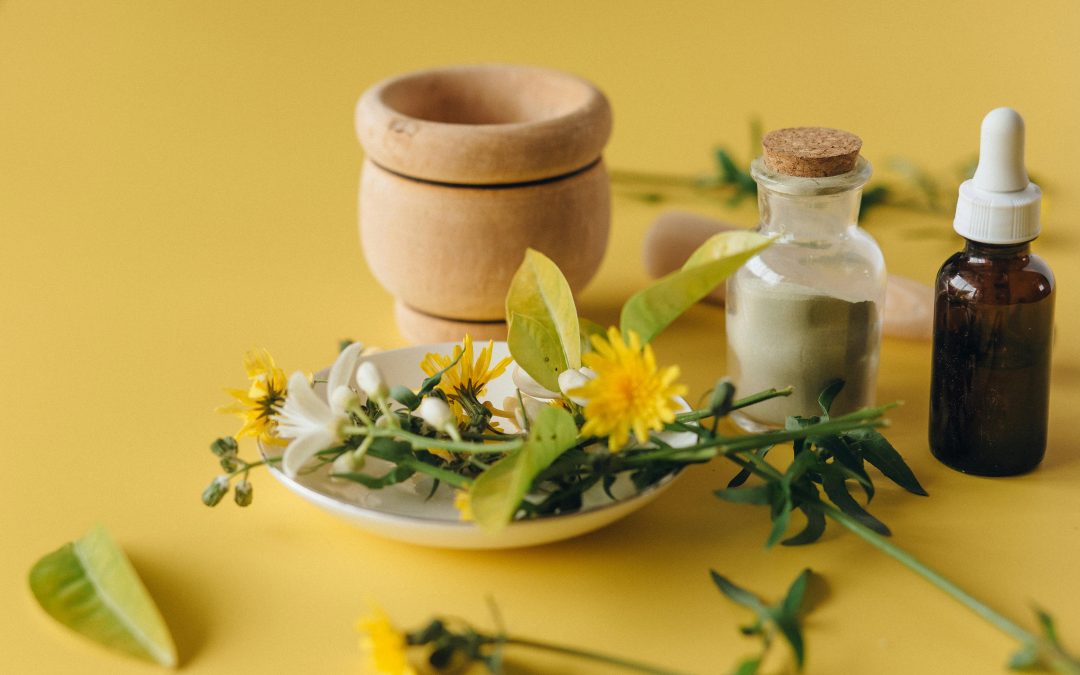
Imagine que se despierta con el canto de los pájaros, el aroma de la lavanda que se cuela por las ventanas abiertas y la luz dorada de la campiña italiana que se derrama sobre las baldosas de terracota. Así es la vida en una villa de la Toscana y Umbría, donde el lujo no es opulencia, sino espacio, silencio y alma.
leer más
Guía del lujo lento

Guía del lujo lento

Imagine que se despierta con el canto de los pájaros, el aroma de la lavanda que se cuela por las ventanas abiertas y la luz dorada de la campiña italiana que se derrama sobre las baldosas de terracota. Así es la vida en una villa de la Toscana y Umbría, donde el lujo no es opulencia, sino espacio, silencio y alma.

leer más
Guía del lujo lento

Guía del lujo lento

Imagine que se despierta con el canto de los pájaros, el aroma de la lavanda que se cuela por las ventanas abiertas y la luz dorada de la campiña italiana que se derrama sobre las baldosas de terracota. Así es la vida en una villa de la Toscana y Umbría, donde el lujo no es opulencia, sino espacio, silencio y alma.

leer más

Comentarios

Nuestro boletín

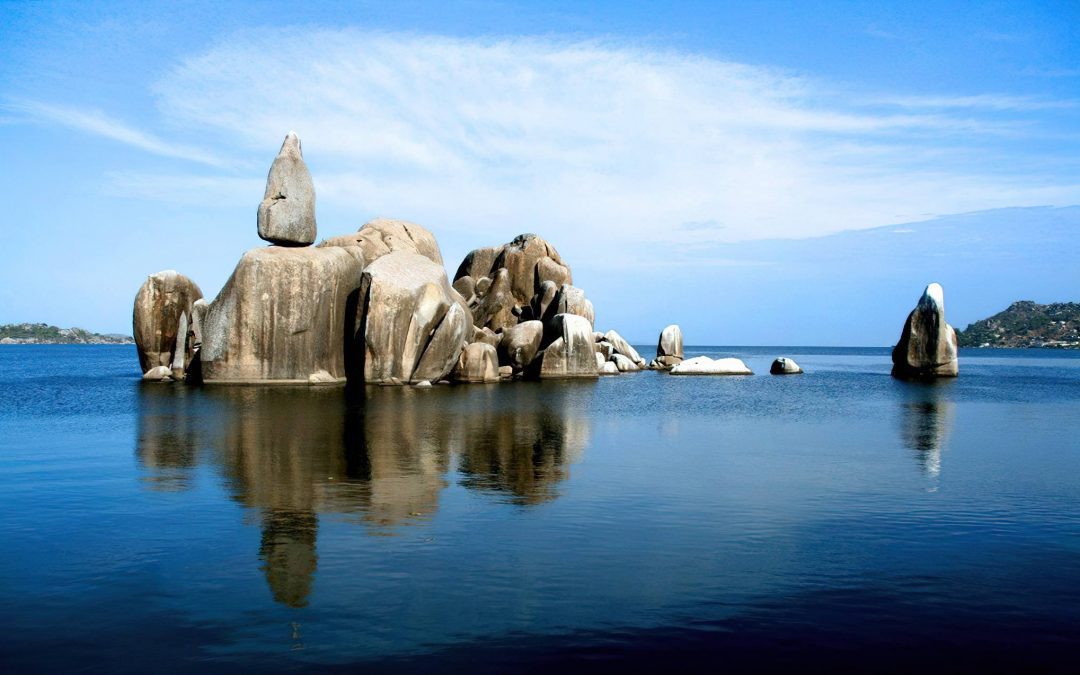
Lago Victoria

Lago Victoria

Travel as Cultural Reconnection: Reflections from Lake Victoria

Introduction: When Travel Becomes a Return

Travel is often framed as escape—a break from routine, a journey into the unknown. But for many, travel is not about leaving—it’s about returning. Returning to roots, to stories, to places that shaped us. It’s about reconnection.

The British-Kenyan swimmer and writer Rebecca Achieng Ajulu-Bushell shares a deeply personal reflection on Lago Victoria, the largest tropical lake in the world and a place that holds her family’s history, her identity, and her first love—swimming.

This blog explores how travel can be a form of cultural reconnection, using Lake Victoria as a metaphor and a mirror. Whether you’re tracing ancestral paths or rediscovering forgotten places, this is a journey into memory, meaning, and belonging.


1. The Power of Place: Why Some Destinations Feel Like Home

Not all travel is about novelty. Some places feel familiar, even if we’ve never been there. These are the places that:

  • Resonate with our heritage
  • Reflect our values
  • Stir our emotions

For Rebecca, Lake Victoria is more than a body of water—it’s a symbol of her father, her childhood, and her cultural identity.

“This lake is my father, and it is home.”


2. Lake Victoria: Geography and Spirit

Lake Victoria spans three countries:

  • Kenya
  • Uganda
  • Tanzania

It covers over 68,000 square kilometers and supports millions of lives through fishing, farming, and trade. But beyond its physical scale, Lake Victoria holds spiritual and emotional weight.

Cultural Significance:

  • Known as Nam Lolwe in Luo and Ukerewe in Swahili
  • Renamed by colonial explorers in the 19th century
  • A source of myth, music, and memory

For the Luo people, the lake is central to identity. Rebecca, who is Luo, describes herself as:

“Nyar nam: a daughter of the lake.”


3. Swimming as Reconnection

Rebecca’s relationship with water began in Lake Victoria. Before she could walk, she could swim. The lake became her first teacher, her first stage, and her first sanctuary.

Why It Matters:

  • Swimming gave her freedom and confidence
  • It connected her to her father, who never learned to swim
  • It became a metaphor for navigating life’s depths

From Lake Victoria, she went on to become a world champion swimmer. But the lake remained her emotional anchor.


4. Cultural Reconnection Through Travel

Rebecca’s story is part of a larger movement—travel as a way to reconnect with culture, ancestry, and self.

Examples:

  • African Americans visiting Ghana for “Year of Return”
  • Indigenous Australians returning to sacred sites
  • Diaspora communities exploring ancestral villages

These journeys are not about tourism—they’re about truth.


5. The Emotional Landscape of Reconnection

Traveling to a place of origin can evoke complex emotions:

  • Joy: Discovering traditions and stories
  • Grief: Confronting loss or displacement
  • Healing: Releasing trauma and reclaiming identity
  • Belonging: Feeling seen and understood

Rebecca’s visit to Lake Victoria after her father’s death was a moment of profound reflection.

“The sound of the lake was his funeral song.”


6. The Role of Family and Memory

Cultural reconnection often involves family—living or remembered. Rebecca’s father was a Pan-African scholar and activist. Though he didn’t speak of beauty, he saw it in the lake and in his daughter.

“He never talked about beauty—except when he talked about me, and the lake.”

Her uncle’s stories, her grandmother’s house, and the fishing boats all became threads in a tapestry of memory.


7. The Water as Metaphor

Water is a recurring symbol in Rebecca’s story—and in many cultures.

Water Represents:

  • Life and birth
  • Movement and change
  • Depth and mystery
  • Cleansing and renewal

Floating in Lake Victoria, Rebecca hears the world beneath her:

“Clicks, small vibrations, and dull thuds from shifting stones and fish.”

It’s a reminder that travel can be both surface and depth.


8. Barriers to Reconnection

Not everyone can easily return to ancestral places. Barriers include:

  • Cost and logistics
  • Political instability
  • Loss of records or land
  • Emotional resistance

Rebecca notes that many Black communities fear water due to historical trauma and lack of access.

“When parents say the water is scary, learning to swim is improbable.”

Reconnection requires courage, resources, and support.


9. How to Travel for Reconnection

If you’re considering a journey of cultural reconnection, here are some tips:

A. Do Your Research

  • Learn about your ancestry, language, and traditions
  • Connect with local historians or elders

B. Travel Slowly

  • Spend time in one place
  • Engage with community events and rituals

C. Be Respectful

  • Honor local customs
  • Ask permission before photographing or sharing stories

D. Reflect and Record

  • Keep a journal
  • Write letters to ancestors or future generations

E. Share the Experience

  • Bring family or friends
  • Create art, essays, or documentaries

Reconnection is personal—but it can also be communal.


10. Lake Victoria Today: Challenges and Hope

Lake Victoria faces environmental and social challenges:

  • Pollution and overfishing
  • Climate change
  • Economic inequality

But it also holds hope:

  • Community-led conservation
  • Cultural tourism
  • Youth empowerment through sport and education

Rebecca’s story is part of that hope—a reminder that the lake is not just history, but future.


11. Voices from the Lake: Reflections from Locals

Uncle Otieno, Fisherman

“The lake gives and takes. It teaches us to listen.”

Mama Achieng, Grandmother

“The water remembers. It carries our stories.”

Rebecca, Swimmer and Writer

“Now the lake swims in me.”

These voices echo across generations, across waves.


12. What to Pack for a Journey of Reconnection

  • Comfortable clothes for walking and swimming
  • A journal or sketchbook
  • A photo or memento of your ancestors
  • An open heart and curious mind

This is not a vacation—it’s a pilgrimage.


13. Where to Stay Near Lake Victoria

If you’re planning a visit, consider:

  • Kisumu: Vibrant city with cultural centers and lake access
  • Mbita Point: Quiet town with views of Rusinga Island
  • Lodges and homestays: Support local families and learn firsthand

Stay close to the water. Let it speak to you.


Conclusion: The Journey Within

Travel as cultural reconnection is not about ticking boxes—it’s about opening doors. To memory, to meaning, to self. Whether you’re swimming in Lake Victoria or walking ancestral paths, the journey is sacred.

Rebecca’s story reminds us that the places we come from never leave us. They live in our bodies, our dreams, our stories. And sometimes, the best way to move forward is to go back.

So if you feel the pull of a place, a name, a story—follow it. The lake is waiting.

Escrito por Kariss

Más de esta categoría
CATARATAS NACHTIGAL

CATARATAS NACHTIGAL

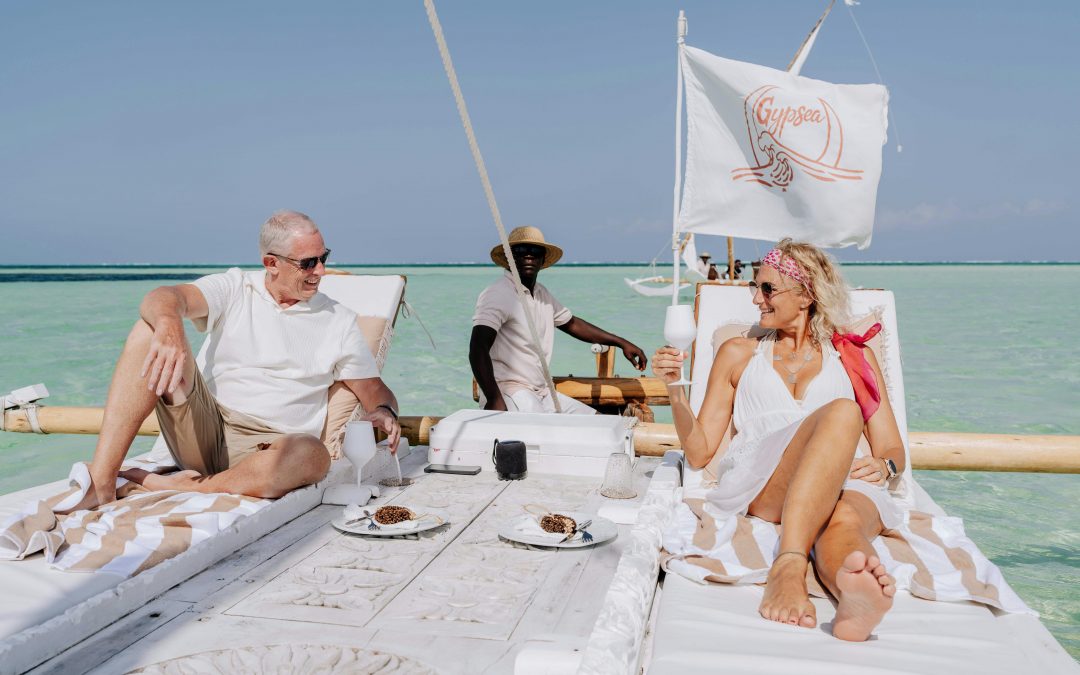
The Sanaga River doesn’t pose for pictures; it moves, insists, revises. An hour northeast of Yaoundé, where the road loosens its shoulders and the forest steps closer, the Sanaga rushes itself into a fanned‑out fury people call Nachtigal Falls—not a single plunge, really, but a series of wide rapids shouldering around basalt and islands, a loud conversation between water and rock. [ebubeleni.com], [elephantherd.co.za]

leer más
CATARATAS NACHTIGAL

CATARATAS NACHTIGAL

The Sanaga River doesn’t pose for pictures; it moves, insists, revises. An hour northeast of Yaoundé, where the road loosens its shoulders and the forest steps closer, the Sanaga rushes itself into a fanned‑out fury people call Nachtigal Falls—not a single plunge, really, but a series of wide rapids shouldering around basalt and islands, a loud conversation between water and rock. [ebubeleni.com], [elephantherd.co.za]

leer más
CATARATAS NACHTIGAL

CATARATAS NACHTIGAL

The Sanaga River doesn’t pose for pictures; it moves, insists, revises. An hour northeast of Yaoundé, where the road loosens its shoulders and the forest steps closer, the Sanaga rushes itself into a fanned‑out fury people call Nachtigal Falls—not a single plunge, really, but a series of wide rapids shouldering around basalt and islands, a loud conversation between water and rock. [ebubeleni.com], [elephantherd.co.za]

leer más

Comentarios

Nuestro boletín

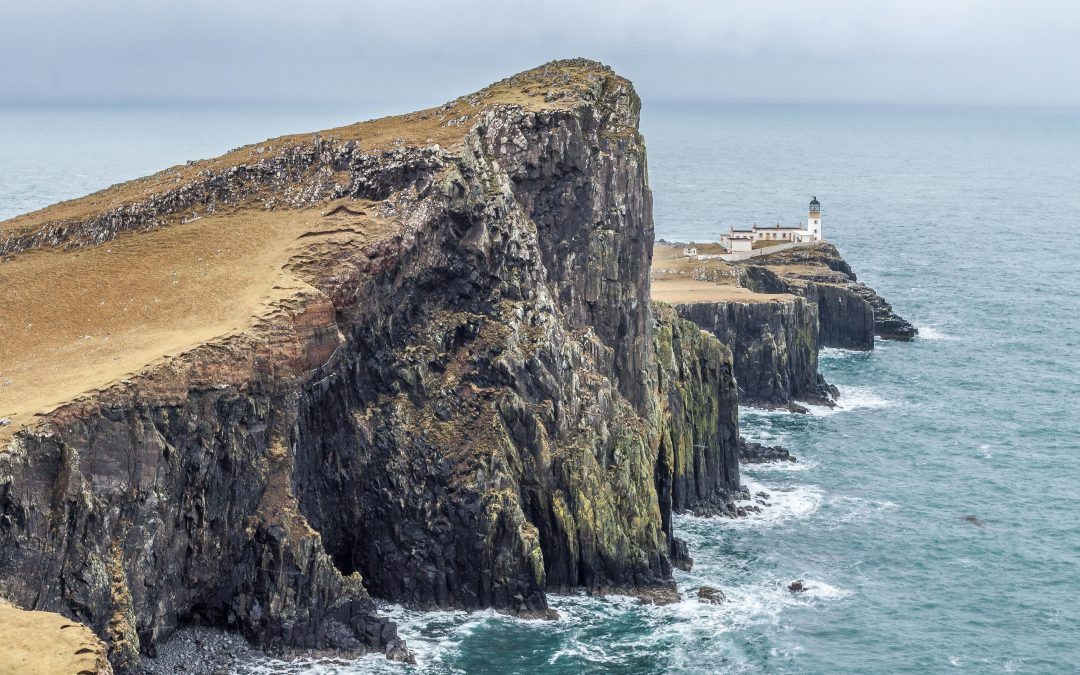
Navegar por las Hébridas Interiores

Navegar por las Hébridas Interiores

Sailing the Inner Hebrides: A Romantic Staycation in Scotland’s Wild Waters

Introduction: Where the Sea Meets the Soul

There’s something timeless about sailing. The creak of wood, the hiss of wind, the rhythm of waves—it’s a language older than roads and railways. And in Scotland’s Inner Hebrides, sailing becomes more than a mode of travel. It becomes a meditation, a memory, and a love letter to nature.

The voyage aboard the Eda Frandsen, a 1938 Danish gaff cutter, offers travelers a rare kind of staycation—one that’s romantic, rugged, and deeply restorative. In this blog, we’ll chart the course of this unforgettable journey and explore why sailing the Hebrides is one of the most soulful ways to experience Scotland.


1. The Vessel: Eda Frandsen’s Storied Charm

Built in Denmark in 1938, the Eda Frandsen is a classic wooden sailing boat with:

  • A cozy galley
  • Candlelit dining
  • Wood-paneled cabins
  • A sense of history in every plank

Owned and operated by Mungo Watson y Stella Marina, the boat is more than a vessel—it’s a floating home, a culinary haven, and a gateway to the wild.


2. The Route: A Sail Through the Inner Hebrides

The journey begins in Mallaig, a small port town on Scotland’s west coast. From there, the Eda Frandsen sails through:

  • Eigg: Green hills, puffins, and poetic sunsets
  • Rum: Volcanic peaks and the haunting Kinloch Castle
  • Canna: Remote beauty and Café Canna’s legendary seafood
  • Loch Moidart: Glassy waters and seal sightings
  • Knoydart Peninsula: Home to Britain’s most remote pub
  • Skye: Dramatic landscapes and mystical lochs

Each stop is chosen not for convenience, but for magic.


3. Life Onboard: Simplicity and Connection

Sailing the Hebrides is not about luxury—it’s about intimacy. Onboard life includes:

  • Shared meals around a wooden table
  • Fresh seafood cooked by Stella, a former superyacht chef
  • Stargazing from deck
  • Morning swims in icy lochs
  • Conversations that stretch into the night

There’s no Wi-Fi, no itinerary, and no rush. Just wind, water, and wonder.


4. The Food: Sea-to-Table Perfection

Meals aboard the Eda Frandsen are a highlight. Stella’s cooking blends comfort and creativity, using:

  • Langoustines and mussels from local waters
  • Farm-fresh vegetables
  • Homemade bread and desserts
  • Chilled rosé and single malt whisky

Dining is communal, candlelit, and deeply satisfying.


5. The Crew: Guides, Hosts, and Storytellers

Mungo and Stella are more than sailors—they’re stewards of experience. Their roles include:

  • Navigating the boat with skill and calm
  • Sharing stories of the sea and land
  • Teaching guests to hoist sails and read the wind
  • Creating a space of safety, warmth, and joy

Their presence transforms the trip from a tour into a journey.


6. The Hebrides: Islands of Myth and Majesty

The Inner Hebrides are a chain of islands off Scotland’s west coast. They include:

  • Skye: Famous for its Cuillin mountains and fairy pools
  • Mull: Home to Sgriob-ruadh Farm and the Glass Barn café
  • Eigg and Rum: Small isles with big personalities
  • Canna: A haven for wildlife and solitude

These islands are rich in:

  • Gaelic culture
  • Viking history
  • Wildlife (seals, dolphins, puffins)
  • Landscapes that shift with the light

Sailing allows you to experience them as they were meant to be seen—from the water.


7. Highlights of the Voyage

A. Café Canna

  • Tiny restaurant on the island of Canna
  • Known for lobster, crab, and langoustine platters
  • A must-stop for sailors and seafood lovers

B. Kinloch Castle, Rum

  • Edwardian mansion frozen in time
  • A glimpse into Scotland’s aristocratic past
  • Eerie, beautiful, and unforgettable

C. Loch Coruisk, Skye

  • One of Scotland’s most dramatic anchorages
  • Surrounded by steep mountains and white streams
  • Accessible only by boat or a challenging hike

D. The Old Forge, Knoydart

  • Britain’s most remote pub
  • Reachable only by boat or multi-day hike
  • Serves local ale and hearty meals

These moments make the voyage feel like a dream.


8. Wellness at Sea: The Healing Power of Sailing

Sailing is a form of wellness. It offers:

  • Digital detox: No screens, just sky
  • Physical movement: Hoisting sails, swimming, hiking
  • Mental clarity: The rhythm of the sea calms the mind
  • Emotional connection: Shared experiences build bonds

Guests often report feeling:

  • More present
  • More creative
  • More alive

It’s not just a trip—it’s a reset.


9. Sustainability: Low-Impact Travel

Sailing is one of the most sustainable ways to travel. The Eda Frandsen uses:

  • Wind power
  • Minimal fuel
  • Local sourcing for food
  • Reusable materials onboard

Guests are encouraged to:

  • Respect wildlife
  • Leave no trace
  • Support island communities

It’s travel that treads lightly and gives back.


10. When to Go: Seasonal Sailing

Primavera (abril-mayo):

  • Puffins arrive
  • Wildflowers bloom
  • Fewer tourists

Verano (junio-agosto):

  • Long days and golden light
  • Warmest water for swimming
  • Peak sailing season

Autumn (September):

  • Crisp air and dramatic skies
  • Quiet anchorages
  • Ideal for reflection

Each season offers a different kind of magic.


11. How to Book: Planning Your Voyage

Eda Frandsen Details:

  • Website: eda-frandsen.co.uk
  • Duration: 6-night voyages
  • Cost: From £1,440 per person (includes all meals)
  • Experience: No sailing experience required

What to Pack:

  • Waterproof jacket and warm layers
  • Swimwear and hiking boots
  • A journal or book
  • A sense of adventure

Booking early is recommended—spaces are limited and demand is high.


12. Voices from the Sea: Guest Reflections

David, 58, London

“I came for the sailing. I left with new friends, new stories, and a new sense of peace.”

Clara, 34, Edinburgh

“Jumping into Loch Moidart at sunset was the most alive I’ve ever felt.”

Tom, 41, Bristol

“The food, the silence, the stars—it was like stepping into another world.”


13. Beyond the Boat: Where to Stay Ashore

If you want to extend your Hebridean adventure, consider:

  • Pennygate Lodge, Mull: Georgian guesthouse with gourmet dining
  • Kinloch Lodge, Skye: Historic hotel with loch views and creative cuisine
  • Inverlonan Bothies, Oban: Off-grid cabins with fire-cooked meals
  • Eilean Shona, Loch Moidart: Private island with Nordic-style lodgings

These places offer land-based luxury with a wild heart.


Conclusion: A Journey Worth Taking

Sailing the Inner Hebrides is not about ticking boxes—it’s about opening doors. To nature, to history, to yourself. It’s about feeling the wind in your hair and the salt on your skin. It’s about slowing down, looking up, and letting go.

So if you’re ready for a staycation that feels like a pilgrimage, the Eda Frandsen is waiting. Step aboard, hoist the sails, and let Scotland’s wild waters carry you home.

Más de esta categoría

Guía del lujo lento

Guía del lujo lento

Imagine que se despierta con el canto de los pájaros, el aroma de la lavanda que se cuela por las ventanas abiertas y la luz dorada de la campiña italiana que se derrama sobre las baldosas de terracota. Así es la vida en una villa de la Toscana y Umbría, donde el lujo no es opulencia, sino espacio, silencio y alma.

leer más
Guía del lujo lento

Guía del lujo lento

Imagine que se despierta con el canto de los pájaros, el aroma de la lavanda que se cuela por las ventanas abiertas y la luz dorada de la campiña italiana que se derrama sobre las baldosas de terracota. Así es la vida en una villa de la Toscana y Umbría, donde el lujo no es opulencia, sino espacio, silencio y alma.

leer más
Guía del lujo lento

Guía del lujo lento

Imagine que se despierta con el canto de los pájaros, el aroma de la lavanda que se cuela por las ventanas abiertas y la luz dorada de la campiña italiana que se derrama sobre las baldosas de terracota. Así es la vida en una villa de la Toscana y Umbría, donde el lujo no es opulencia, sino espacio, silencio y alma.

leer más

Comentarios

Nuestro boletín

Cap Hurón

Cap Hurón

Cap Ferret: France’s Untamed Peninsula of Wild Luxury

Introduction: Where Simplicity Meets Sophistication

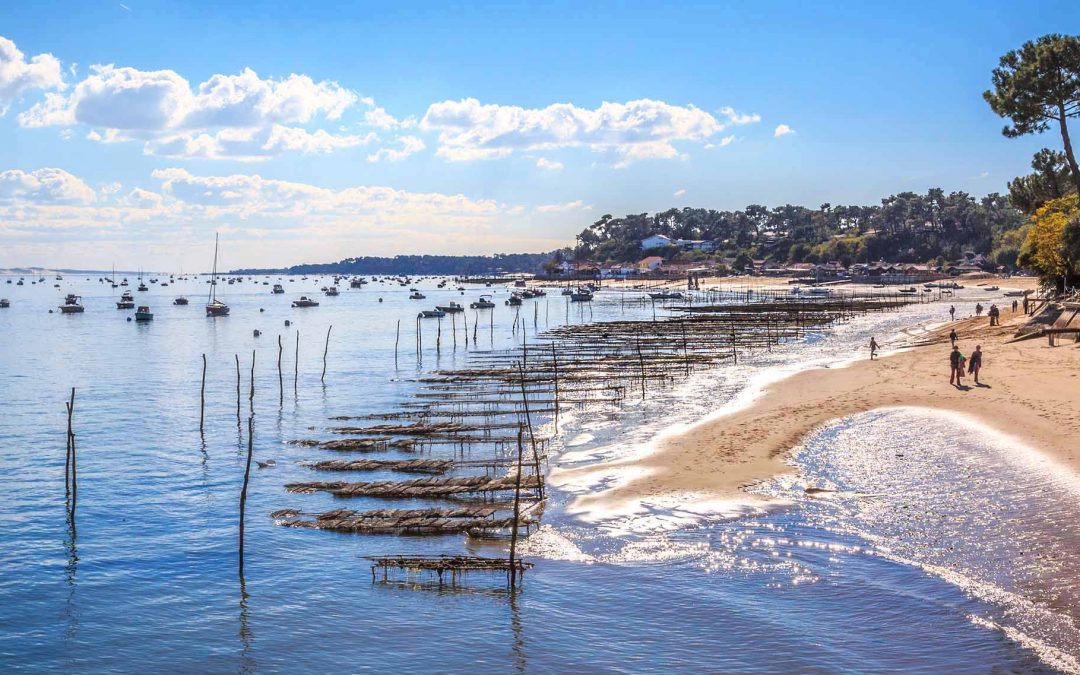
Tucked between the Atlantic Ocean and Arcachon Bay, Cap Hurón is often called the “French Hamptons.” But that nickname barely scratches the surface. Unlike its glitzy Côte d’Azur cousins, Cap Ferret is a place where luxury is quiet, nature is king, and time slows to a pine-scented breeze.

Cap Ferret is a study in contrasts: oyster shacks and designer villas, surf beaches and pine forests, barefoot cafés and Michelin-starred menus. In this blog, we’ll explore how Cap Ferret offers a rare kind of travel—one that’s wild, elegant, and deeply French.


1. The Geography: A Peninsula of Possibilities

Cap Ferret is a narrow strip of land that separates Arcachon Bay from the Atlantic Ocean. This unique geography creates two distinct coastlines:

  • Bay Side: Calm waters, oyster farms, colorful fishing villages
  • Ocean Side: Wild beaches, crashing waves, surf culture

The peninsula stretches for about 25 kilometers, with pine forests, sand dunes, and hidden trails connecting its many moods.


2. Arrival: The Journey Is Part of the Magic

Getting to Cap Ferret is part of the experience. Most travelers arrive via:

  • Boat from Arcachon, crossing the bay in 20 minutes
  • Drive from Bordeaux, winding through pine forests

As you approach, the landscape shifts—less urban, more elemental. The scent of pine and salt fills the air, and the sky opens wide.


3. The Vibe: Understated Elegance

Cap Ferret is not about flash—it’s about feeling. Locals and regulars embrace a kind of “barefoot luxury” that values authenticity over appearance.

What You’ll See:

  • Families biking to the beach
  • Artists sketching in cafés
  • Locals sipping rosé at oyster shacks
  • Surfers waxing boards at sunrise

It’s a place where everyone is 10 minutes late, and no one minds.


4. Where to Stay: Villas, Shacks, and Hidden Gems

Villa de la Pointe

  • Ubicación: Near La Pointe, the peninsula’s tip
  • Estilo: White cabane-style villa with rattan furniture, tiled floors, and a pétanque court
  • Vibe: Stylish, secluded, and deeply relaxed

Villa Cacciarella

  • Ubicación: Monte Argentario cliffs
  • Estilo: 1970s nostalgia with marble kitchens and bamboo beds
  • Vibe: Glamorous, vintage, and ocean-facing

Hôtel de la Plage, L’Herbe

  • Estilo: Restored 19th-century dormitory with red-and-cream gables
  • Vibe: Cozy, communal, and close to oyster farms

La Coorniche, Pyla-sur-Mer

  • Estilo: Philippe Starck-designed lodge with infinity pool and dune views
  • Vibe: Chic, cinematic, and perfect for sunset cocktails

Cap Ferret’s accommodations reflect its soul—elegant, earthy, and full of character.


5. The Food: Oysters, Wine, and Simple Pleasures

Cap Ferret is a paradise for food lovers, especially those who appreciate simplicity.

Oyster Shacks in L’Herbe

  • Wooden cabins with colorful shutters
  • Menus: oysters, shrimp, pâté, white wine
  • Vibe: Casual, communal, and delicious

La Cabane D’Hortense

  • Run by Khalid Zamrani, a local legend
  • Known for its “zen space” and warm hospitality
  • Oysters served with crisp rosé and laughter

Chez Hortense

  • Iconic restaurant near La Pointe
  • Famous for moules frites and seafood platters
  • Terrace with panoramic bay views

Frédélian Café

  • Art deco café at the heart of Cap Ferret
  • Serves eggs Benedict, pastries, and dune blanche (local cream-filled pastry)

Food here is not about complexity—it’s about quality, freshness, and joy.


6. The Beaches: Wild, Windswept, and Wonderful

Cap Ferret’s beaches are among the most beautiful in France.

Plage du Truc Vert

  • Vast, wild, and perfect for surfing
  • Backed by dunes and pine forests
  • Often empty, even in summer

La Pointe

  • Where the ocean meets the bay
  • Ideal for long walks, shell collecting, and sunset watching

Conche du Mimbeau

  • Calm waters and oyster beds
  • Great for swimming and kayaking

Whether you want waves or stillness, Cap Ferret has a beach for you.


7. Nature and Adventure: The Call of the Wild

Cap Ferret is a haven for outdoor lovers.

Cycling

  • Bike paths crisscross the peninsula
  • Rent a vintage vélo and explore at your own pace

Surfing

  • Lessons available for all levels
  • Best spots: Truc Vert and Horizon Beach

Hiking

  • Trails through pine forests and dunes
  • Views of Arcachon Bay and the Atlantic

Boating

  • Sail to the Banc d’Arguin sandbank
  • Explore hidden coves and oyster farms

Nature here is not curated—it’s raw, real, and ready.


8. Culture and Community: A Place of Stories

Cap Ferret is full of characters and stories.

Benoît Bartherotte

  • Local icon who saved La Pointe from erosion
  • Lives in a beach shack filled with drawings and memories
  • Known for his eccentric charm and deep love of the land

Khalid Zamrani

  • Started as a dishwasher, now runs one of the most beloved oyster shacks
  • Creates a space where everyone feels welcome
  • Proof that Cap Ferret is about people, not pedigree

These stories make Cap Ferret more than a destination—they make it a community.


9. When to Go: Seasonal Magic

Primavera (abril-mayo):

  • Wildflowers bloom
  • Fewer crowds
  • Ideal for hiking and cycling

Verano (junio-agosto):

  • Warm waters
  • Vibrant beach life
  • Village fête in August

Otoño (septiembre-octubre):

  • Golden light
  • Oyster season begins
  • Peaceful and poetic

Avoid winter unless you crave solitude and stormy seas.


10. How to Travel Sustainably in Cap Ferret

Cap Ferret’s beauty is fragile. Here’s how to protect it:

  • Use bikes or walk instead of driving
  • Support local businesses and artisans
  • Avoid single-use plastics
  • Respect dunes and wildlife
  • Travel off-season to reduce pressure on infrastructure

Sustainable travel here is not a trend—it’s a responsibility.


11. Voices from Cap Ferret: Reflections from the Peninsula

Camille, 32, Paris

“Cap Ferret is where I go to breathe. It’s elegant without trying, wild without apology.”

Julien, 45, Bordeaux

“I’ve traveled the world, but nothing compares to oysters at sunset in L’Herbe.”

Nina, 28, London

“It’s the only place I’ve found where luxury feels like freedom.”


12. What to Pack for Cap Ferret

  • Linen shirts and swimsuits
  • A bike lock and sunhat
  • A sketchbook or camera
  • A good book and open heart

Cap Ferret is not about what you wear—it’s about how you feel.


Conclusion: The Luxury of Letting Go

Cap Ferret is a rare kind of place. It doesn’t demand attention—it earns it. It doesn’t shout—it whispers. And in that whisper, travelers find something precious: peace, presence, and a deeper kind of luxury.

So if you’re ready to trade noise for nature, glitter for grace, and speed for stillness, Cap Ferret is waiting. Come for the oysters, stay for the soul.

Escrito por Kariss

Más de esta categoría

SANTORINI

SANTORINI

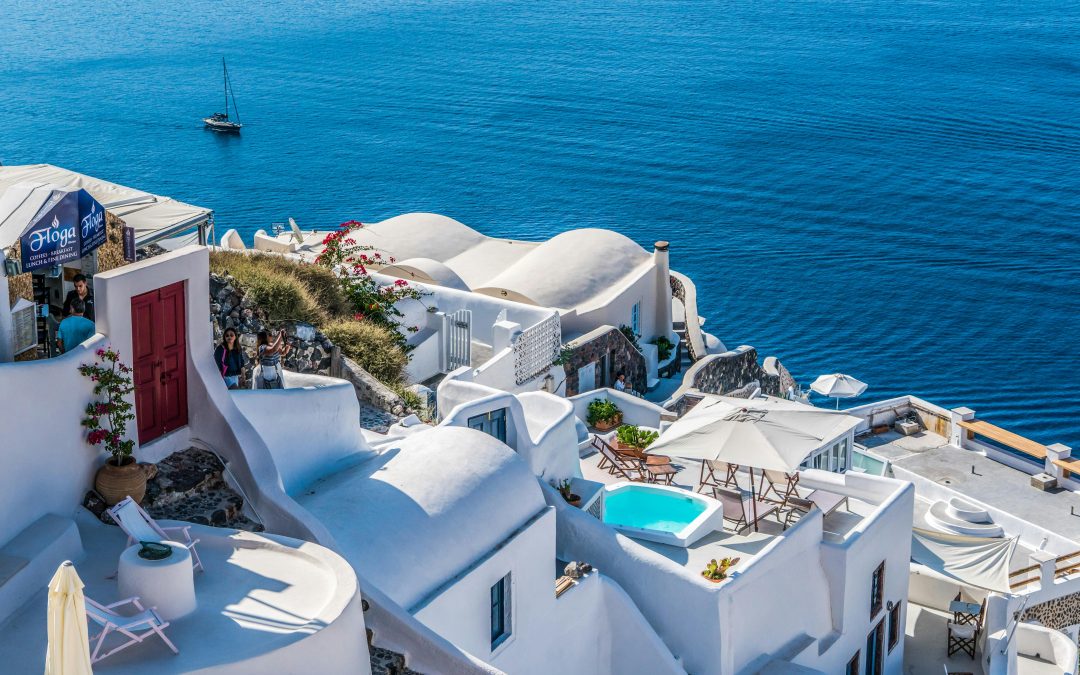
La caldera de Santorini es una media luna de acantilados de obsidiana enamorados de la luz. Pero también es un laboratorio para el futuro del turismo, donde Grecia está probando tasas, límites y una gestión más inteligente de las multitudes para mantener una isla frágil, a la vez habitable y mágica. Si está pensando en visitar Santorini en 2025, este artículo le mostrará exactamente cómo sortear las nuevas normas, evitar las colas y encontrar sus propios rincones tranquilos de azul y blanco.

leer más
SANTORINI

SANTORINI

La caldera de Santorini es una media luna de acantilados de obsidiana enamorados de la luz. Pero también es un laboratorio para el futuro del turismo, donde Grecia está probando tasas, límites y una gestión más inteligente de las multitudes para mantener una isla frágil, a la vez habitable y mágica. Si está pensando en visitar Santorini en 2025, este artículo le mostrará exactamente cómo sortear las nuevas normas, evitar las colas y encontrar sus propios rincones tranquilos de azul y blanco.

leer más
SANTORINI

SANTORINI

La caldera de Santorini es una media luna de acantilados de obsidiana enamorados de la luz. Pero también es un laboratorio para el futuro del turismo, donde Grecia está probando tasas, límites y una gestión más inteligente de las multitudes para mantener una isla frágil, a la vez habitable y mágica. Si está pensando en visitar Santorini en 2025, este artículo le mostrará exactamente cómo sortear las nuevas normas, evitar las colas y encontrar sus propios rincones tranquilos de azul y blanco.

leer más

Comentarios

Nuestro boletín

Lesbos

Lesbos

Lesbos: Redescubrir la antigua Grecia a través del mito, la naturaleza y la belleza silenciosa

Introducción: Una isla griega como ninguna otra

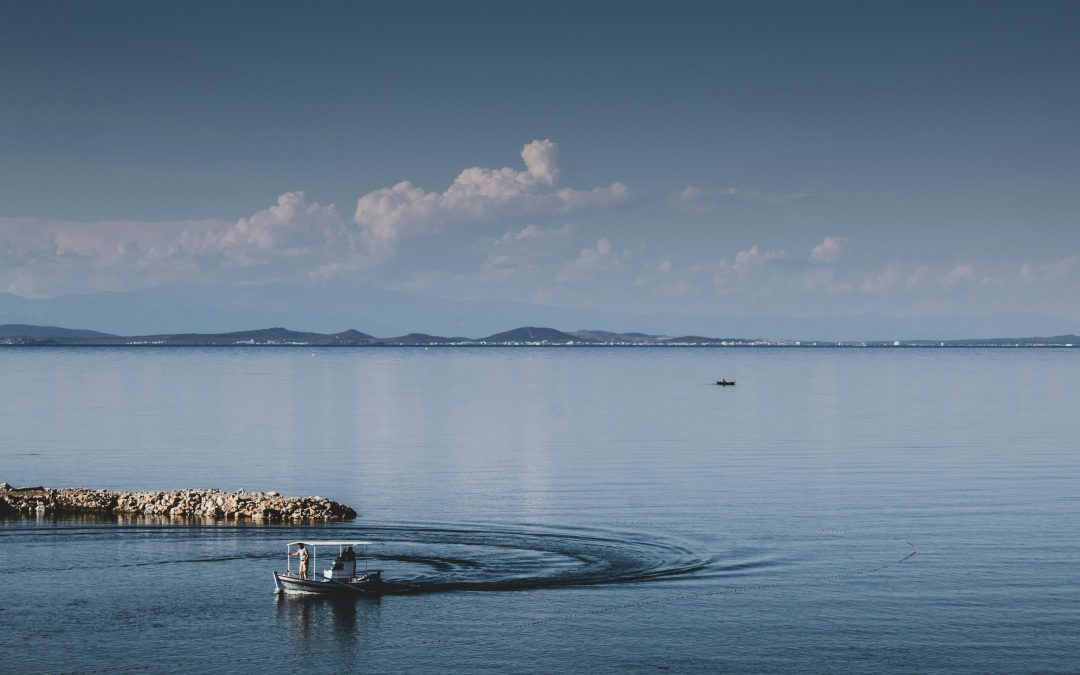
Cuando los viajeros piensan en las islas griegas, suelen imaginarse los acantilados encalados de Santorini o las playas de fiesta de Mykonos. Pero escondidas en el noreste del mar Egeo se encuentran Lesbos-un lugar donde el mito y la realidad se mezclan bajo los olivos, y las historias antiguas resuenan en las aldeas tranquilas.

Lesbos no es sólo un destino, es una revelación. Es el lugar donde Safo escribió su poesía, donde los flamencos anidan en las salinas y donde los viajeros pueden experimentar Grecia tal y como era antaño: salvaje, espiritual y profundamente humana.

En este blog exploraremos cómo Lesbos ofrece una perspectiva única de la Grecia antigua, la resistencia moderna y el tipo de viaje que alimenta el alma.


1. Las raíces míticas de Lesbos

Lesbos ha estado habitada desde la Edad de Bronce y antaño era conocida como Imerti, que significa “amada”. Más tarde, en el siglo XIX, el explorador John Hanning Speke le cambió el nombre en honor de la reina Victoria.

Pero mucho antes del cambio de nombre colonial, Lesbos era tierra sagrada:

  • Safo, la hija más famosa de la isla, escribió poesía lírica que celebraba el amor, la naturaleza y el deseo femenino.
  • Hera, Zeus y Dionisio se veneraban en el Santuario de Mesón, un lugar espiritual que aún se puede visitar.
  • Cibeles, La diosa madre de Anatolia tenía templos aquí, donde se mezclaban las tradiciones orientales y occidentales.

Lesbos es un lugar donde la mitología no sólo se recuerda, sino que se vive.


2. El paisaje: Un mosaico de naturaleza y espíritu

Lesbos es enorme -más de 630 kilómetros cuadrados- e increíblemente diversa. A menudo se la describe como “todas las islas griegas en una”. He aquí por qué:

A. Olivares y bosques

  • En 11 millones de olivos cubren la isla.
  • El macizo central está repleto de castaños, laureles y raras orquídeas.

B. Salinas y flamencos

  • En Golfo de Kalloni alberga salinas que atraen a flamencos, ibis y otras aves migratorias.

C. Bosques fosilizados

  • En el oeste, las erupciones volcánicas han convertido antiguos bosques en esculturas de cuarzo.

D. Fuentes geotérmicas

  • Lesbos cuenta con algunos de los manantiales naturales más cálidos de Europa, perfectos para curarse y relajarse.

Esta riqueza paisajística hace de Lesbos un lugar ideal para el senderismo, la observación de aves y los retiros espirituales.


3. Mitilene: El corazón cultural de la isla

La capital, Mitilene, es una mezcla de arquitectura otomana, veneciana y neoclásica. Destacan:

  • Mansiones del siglo XIX, muchos siguen habitados o convertidos en hoteles boutique.
  • Distrito de Ladadika, antaño industrial, ahora alberga cafés, galerías y locales de música.
  • Mezquitas, iglesias y santuarios, a menudo uno al lado del otro, reflejando siglos de coexistencia.

Mitilene es una ciudad de capas: cada calle cuenta una historia, cada edificio guarda un recuerdo.


4. Eressos: Lugar de nacimiento de Safo y refugio bohemio

En la costa occidental de la isla se encuentra Eressos, Una ciudad costera de ambiente bohemio y profundas raíces históricas.

¿Por qué visitar Eressos?

  • Es la cuna de Safo, cuyo legado perdura en la poesía y el orgullo.
  • La playa está bordeada de cafés sobre pilotes, que sirve marisco fresco y ouzo.
  • El ambiente es integrador, artístico y relajado.

Eressos es perfecto para los viajeros que buscan inspiración, comunidad y alegría tranquila.


5. Lugares espirituales y espacios sagrados

Lesbos está llena de lugares que invitan a la reflexión y a la reverencia.

Santuario de Messon

  • Situado en las estribaciones de Lepetymnos
  • Dedicado a Hera, Zeus y Dioniso
  • Los visitantes suelen dejar ofrendas de distintas religiones: estatuas de Buda, imágenes de Shiva e iconos cristianos.

Monasterio de Taxiarches

  • Hogar de una misteriosa efigie del Arcángel Miguel
  • Se dice que está hecho con la sangre de monjes asesinados.
  • Se cree que refleja el alma del espectador

Estos sitios nos recuerdan que Lesbos no es sólo un lugar, es un portal.


6. El agua: Curación, natación y simbolismo

Lesbos está rodeada de agua, pero es la relación con el agua que lo hace especial.

Conexión Lago Victoria

En Condé Nast Traveller, la nadadora británico-keniana Rebecca Achieng Ajulu-Bushell reflexiona sobre su infancia nadando en el lago Victoria y cómo el agua forjó su identidad. Lesbos ofrece una experiencia similar:

  • Aguas termales en Krifti, accesible sólo en barco o a pie
  • Piscinas naturales talladas en acantilados de pizarra
  • Playas tranquilas como Skala Sikamineas, donde una capilla presenta una Virgen con cola de sirena

Aquí el agua no es sólo para nadar, es para transformarse.


7. Gastronomía y vino: El sabor de la isla

Lesbos es conocida por su aceite de oliva denso, que se utilizaba en la fabricación de jabón en toda Europa. Hoy, su escena culinaria está arraigada en la tradición y el terruño.

Platos imprescindibles:

  • Queso ladotyri a la plancha conservado en aceite de oliva
  • Loukoumades con miel (bolas de masa frita)
  • Sardinas y anchoas frescas, a menudo servido con limón y hierbas

La cultura del ouzo:

  • Lesbos es la cuna de ouzo, la icónica bebida espirituosa anisada de Grecia.
  • Cada destilería tiene su propia receta, transmitida oralmente.
  • Los lugareños lo beben con agua, hielo o directamente, siempre con conversación.

La comida aquí es lenta, conmovedora y compartida.


8. Arte y arquitectura: Un museo vivo

Lesbos es un festín para la vista y la imaginación.

Lo más destacado:

  • Frisos de estuco con pulpos, músicos y caballos
  • Encajeras y ceramistas trabajar en estudios abiertos
  • Villas restauradas con bombachos eduardianos todavía en los armarios

Cada esquina es un lienzo, cada casa una galería.


9. Refugio y resistencia: Una historia moderna

En 2015, Lesbos se convirtió en un foco de la crisis de refugiados, con miles de personas que llegaban a diario desde Siria y otros países. La isla respondió con compasión y pragmatismo.

Por qué es importante:

  • Lesbos siempre ha sido una encrucijada de culturas.
  • La mayoría son descendientes de inmigrantes, desde marineros genoveses a refugiados de Asia Menor.
  • La respuesta de la isla refleja su profunda humanidad y su memoria histórica.

Viajar aquí es una oportunidad para ser testigo de la resistencia y ofrecer respeto.


10. Cómo viajar a Lesbos

Cómo llegar:

  • Vuelos desde Atenas o Salónica
  • Ferries desde El Pireo (14 horas) o las islas cercanas

Dónde alojarse:

  • Lesbos Sam: Villa restaurada con piscina y jardín
  • Viaje de ensueño de Cinco Olivos: Cabañas ecológicas cerca de Plomari
  • Notre Ntam: Villa boutique con vistas al mar y estilo artístico

Cuándo ir:

  • Primavera (abril-mayo): Flores silvestres y buen tiempo
  • Otoño (septiembre-octubre): Mares cálidos y menos turistas

Evite agosto si prefiere tranquilidad y autenticidad.


11. Voces de Lesbos: Los viajeros reflexionan

Elsa, 47 años, Atenas

“Lesbos es un mosaico. No es sólo bonito, es profundo”.”

Kalli, 35 años, Mitilene

“Ouzo es más que una bebida: es un ritual. Une a la gente”.”

Rafail, 60 años, Pescador

“El mar es nuestra historia. Da, toma, enseña”.”


12. Qué llevar a Lesbos

  • Calzado cómodo para caminar
  • Bañadores para aguas termales y playas
  • Un diario o bloc de dibujo
  • Sentido de la curiosidad

Lesbos no se trata de lo que llevas puesto, sino de lo que sientes.


Conclusión: Un viaje al alma de Grecia

Lesbos no es para todo el mundo, y ahí reside su magia. Es para viajeros que buscan profundidad frente a deslumbramiento, significado frente a marketing. Es para los que quieren seguir las huellas de los poetas, bañarse en aguas sagradas y escuchar el silencio entre las olas.

Así que si está listo para redescubrir Grecia, no como turista, sino como peregrino, Lesbos le espera. Venga con los ojos abiertos, las manos abiertas y el corazón abierto.

Más de esta categoría

SANTORINI

SANTORINI

La caldera de Santorini es una media luna de acantilados de obsidiana enamorados de la luz. Pero también es un laboratorio para el futuro del turismo, donde Grecia está probando tasas, límites y una gestión más inteligente de las multitudes para mantener una isla frágil, a la vez habitable y mágica. Si está pensando en visitar Santorini en 2025, este artículo le mostrará exactamente cómo sortear las nuevas normas, evitar las colas y encontrar sus propios rincones tranquilos de azul y blanco.

leer más
SANTORINI

SANTORINI

La caldera de Santorini es una media luna de acantilados de obsidiana enamorados de la luz. Pero también es un laboratorio para el futuro del turismo, donde Grecia está probando tasas, límites y una gestión más inteligente de las multitudes para mantener una isla frágil, a la vez habitable y mágica. Si está pensando en visitar Santorini en 2025, este artículo le mostrará exactamente cómo sortear las nuevas normas, evitar las colas y encontrar sus propios rincones tranquilos de azul y blanco.

leer más
SANTORINI

SANTORINI

La caldera de Santorini es una media luna de acantilados de obsidiana enamorados de la luz. Pero también es un laboratorio para el futuro del turismo, donde Grecia está probando tasas, límites y una gestión más inteligente de las multitudes para mantener una isla frágil, a la vez habitable y mágica. Si está pensando en visitar Santorini en 2025, este artículo le mostrará exactamente cómo sortear las nuevas normas, evitar las colas y encontrar sus propios rincones tranquilos de azul y blanco.

leer más

Comentarios

Nuestro boletín