Oceania Unveiled

Oceania Unveiled

Oceania Unveiled: Wild Shores, Deep Culture, and the Spirit of the Pacific

Introduction: The Edge of the World, the Heart of the Earth

Oceania is not just a region—it’s a revelation. Comprising Australia, New Zealand, and the Pacific Islands, it stretches across the world’s largest ocean, offering travelers a tapestry of wild landscapes, ancient cultures, and soulful simplicity.

From the surf-swept beaches of Byron Bay to the fjords of New Zealand and the coral gardens of Fiji, Oceania invites you to explore not just places, but philosophies. It’s where nature speaks loudly, communities live slowly, and travel becomes transformation.

In this blog, we’ll journey through Oceania’s most compelling destinations, uncovering the stories, rituals, and rhythms that make this region one of the most enriching on Earth.


1. Australia: Land of Contrast and Connection

Byron Bay: Surf, Spirit, and Sustainability

Byron Bay, on Australia’s east coast, is often described as a spiritual surf town. With its golden beaches, lush hinterland, and bohemian vibe, it’s a place where wellness and wilderness meet.

Why Visit Byron Bay?

  • Surf at The Pass or Wategos Beach
  • Hike to Cape Byron Lighthouse for sunrise
  • Explore Crystal Castle and Shambhala Gardens
  • Attend local farmers’ markets and wellness festivals

Byron Bay’s ethos is rooted in sustainability, community, and creativity. It’s a place to slow down, breathe deeply, and reconnect.

Tasmania: Wilderness and Wonder

Tasmania, Australia’s island state, is a haven for nature lovers and solitude seekers.

Highlights:

  • Cradle Mountain-Lake St Clair National Park
  • MONA (Museum of Old and New Art) in Hobart
  • Bruny Island’s gourmet food and wildlife
  • Bay of Fires’ orange-laced granite beaches

Tasmania offers a raw, elemental experience—perfect for hiking, kayaking, and introspection.

The Red Centre: Sacred Landscapes

Uluru (Ayers Rock) is more than a landmark—it’s a living cultural site for the Anangu people.

Experiences:

  • Walk the base of Uluru with an Indigenous guide
  • Visit Kata Tjuta’s domes
  • Stargaze in the desert
  • Learn about Tjukurpa (Anangu law and storytelling)

The Red Centre teaches travelers about respect, resilience, and the sacredness of land.


2. New Zealand: Aotearoa’s Dual Soul

New Zealand, or Aotearoa, is a land of duality—mountains and beaches, Maori and Pākehā (European), adventure and serenity.

South Island: Drama and Depth

Must-See Destinations:

  • Fiordland National Park: Milford and Doubtful Sound
  • Queenstown: Adventure capital with bungee, skiing, and jet boating
  • Wanaka: Lakeside calm and hiking trails
  • Kaikōura: Whale watching and seafood

South Island is cinematic, spiritual, and endlessly photogenic.

North Island: Culture and Community

Highlights:

  • Rotorua: Geothermal wonders and Maori culture
  • Wellington: Artsy capital with great coffee and museums
  • Bay of Islands: Sailing, snorkeling, and history
  • Waitomo Caves: Glowworms and underground rivers

North Island offers warmth, storytelling, and connection.

Maori Culture: A Living Legacy

To travel in New Zealand is to engage with Te Ao Māori—the Māori worldview.

Cultural Experiences:

  • Attend a pōwhiri (welcome ceremony)
  • Learn haka and waiata (songs)
  • Visit marae (meeting grounds)
  • Hear legends of Tāne Mahuta and Māui

Respect, reciprocity, and kaitiakitanga (guardianship of nature) are central to Māori values—and to meaningful travel.


3. The Pacific Islands: Blue Worlds and Deep Traditions

Oceania’s island nations—Fiji, Samoa, Tonga, Vanuatu, and others—offer travelers a chance to experience life shaped by the ocean.

Fiji: Coral, Culture, and Community

Fiji is famous for its turquoise waters and warm hospitality. But beyond the resorts lies a rich cultural tapestry.

What to Do:

  • Snorkel in the Yasawa Islands
  • Visit a traditional Fijian village
  • Participate in a kava ceremony
  • Hike in Bouma National Heritage Park

Fiji’s concept of “bula spirit”—joy, welcome, and connection—is palpable.

Samoa: Fa’a Samoa and Sacred Sites

Samoa’s culture, known as Fa’a Samoa, emphasizes family, respect, and tradition.

Highlights:

  • Swim in To Sua Ocean Trench
  • Explore lava fields and waterfalls
  • Attend a fiafia night (dance and feast)
  • Visit Robert Louis Stevenson’s home

Samoa offers travelers a chance to witness living heritage and natural beauty.

Tonga: The Kingdom of the Pacific

Tonga is one of the few remaining monarchies in the Pacific, with a strong sense of identity and pride.

Experiences:

  • Watch humpback whales in Vava’u
  • Visit Ha’amonga ‘a Maui Trilithon
  • Explore uninhabited islands by kayak
  • Learn about Tongan tapa cloth and storytelling

Tonga is quiet, authentic, and deeply rooted in tradition.


4. Oceania’s Climate Zones: Packing and Planning

Oceania spans multiple climate zones:

  • Tropical (Fiji, Samoa): Hot and humid year-round
  • Temperate (New Zealand): Four seasons, variable weather
  • Arid (Central Australia): Hot days, cold nights
  • Alpine (NZ South Island): Snow in winter, cool summers

Packing Tips:

  • Lightweight layers for tropical zones
  • Waterproof gear for New Zealand
  • Sunscreen and hydration for deserts
  • Respectful clothing for cultural visits

Always check local customs and weather before you go.


5. Sustainability in Oceania: Travel That Gives Back

Oceania’s ecosystems are fragile and sacred. Travelers can help protect them by:

A. Supporting Local Businesses

  • Stay in family-run lodges
  • Buy crafts from Indigenous artisans
  • Eat locally sourced food

B. Respecting Nature

  • Follow Leave No Trace principles
  • Avoid touching coral or wildlife
  • Use reef-safe sunscreen

C. Learning and Listening

  • Attend cultural workshops
  • Ask questions with humility
  • Share stories responsibly

Sustainable travel in Oceania is about reciprocity—not just taking, but giving.


6. Wellness and Rewilding in Oceania

Oceania is a natural wellness destination. Here’s how to rewild your body and soul:

Australia: Byron Bay and Tasmania

  • Yoga on the beach
  • Forest bathing in eucalyptus groves
  • Surf therapy and breathwork

New Zealand: Wanaka and Rotorua

  • Hot springs and mud baths
  • Hiking and meditation retreats
  • Maori healing traditions

Pacific Islands: Fiji and Samoa

  • Ocean swims and coral snorkeling
  • Traditional massage and herbal remedies
  • Coconut oil rituals and kava ceremonies

Wellness here is not manufactured—it’s inherited, intuitive, and immersive.


7. Voices from Oceania: Travelers Reflect

Lily, 33, Vancouver

“In New Zealand, I felt like the land was speaking to me. The Māori guides didn’t just show us places—they shared stories that changed how I see the world.”

Tane, 45, Rotorua

“Our ancestors taught us to care for the land. When travelers come with respect, they become part of that story.”

Maya, 29, London

“Swimming in Fiji was like returning to something ancient. The coral, the colors, the silence—it was healing.”


8. How to Plan Your Oceania Journey

Step 1: Choose Your Focus

  • Adventure (NZ, Australia)
  • Culture (Samoa, Tonga)
  • Wellness (Byron Bay, Fiji)
  • Nature (Tasmania, Vanuatu)

Step 2: Build a Slow Itinerary

  • Spend at least 2–3 nights per location
  • Include cultural experiences and nature time
  • Leave space for spontaneity

Step 3: Travel Mindfully

  • Offset your carbon footprint
  • Learn basic local phrases
  • Respect sacred sites and customs

Oceania rewards travelers who move with intention.


Conclusion: Oceania as a Way of Being

Oceania is not just a place—it’s a way of being. It teaches us to listen to the land, honor the ocean, and live with heart. It invites us to slow down, to connect, and to remember that travel is not about consumption—it’s about communion.

So whether you’re surfing in Byron Bay, hiking in Fiordland, or sharing kava in Fiji, let Oceania change you. Let it remind you that the edge of the world is often where the deepest truths reside

More From This Category

The Caribbean you think you know

The Caribbean you think you know

Picture the Caribbean and your mind probably goes straight to marquee names: the mega‑resorts, celebrity beach clubs, and streets that swell with cruise‑day crowds. It’s a glorious hemisphere of sun and sea — but here’s the secret every seasoned island‑hopper learns: the most transforming trips in the Caribbean often happen just beyond the headlines.

read more
The Caribbean you think you know

The Caribbean you think you know

Picture the Caribbean and your mind probably goes straight to marquee names: the mega‑resorts, celebrity beach clubs, and streets that swell with cruise‑day crowds. It’s a glorious hemisphere of sun and sea — but here’s the secret every seasoned island‑hopper learns: the most transforming trips in the Caribbean often happen just beyond the headlines.

read more
The Caribbean you think you know

The Caribbean you think you know

Picture the Caribbean and your mind probably goes straight to marquee names: the mega‑resorts, celebrity beach clubs, and streets that swell with cruise‑day crowds. It’s a glorious hemisphere of sun and sea — but here’s the secret every seasoned island‑hopper learns: the most transforming trips in the Caribbean often happen just beyond the headlines.

read more

Comments

Our Newsletter

Wellness Essentials

Wellness Essentials

How to Curate a Beauty Routine for Every Climate: Travel-Tested Skincare and Wellness Essentials

Introduction: Beauty That Travels Well

Whether you’re hiking through the Scottish Highlands, sunbathing in Bali, or navigating the dry air of a desert retreat, your skin and body respond to the environment. Travel exposes us to new climates, altitudes, and stressors—and our beauty routines need to adapt.

A team of globetrotting experts tested hundreds of products across climates and continents. The result? A curated list of skincare, wellness, and grooming essentials that truly go the distance.

This blog post explores how to build a climate-conscious beauty routine—one that’s portable, purposeful, and powerful. Whether you’re packing for a tropical escape or a snowy summit, we’ve got you covered.


1. Why Climate Matters in Beauty

Your skin is your largest organ—and it’s highly reactive to environmental changes. Different climates affect:

  • Hydration levels
  • Oil production
  • Sensitivity and inflammation
  • Sun exposure and UV damage

Ignoring these factors can lead to breakouts, dryness, sunburn, or premature aging. A smart traveler tailors their beauty kit to the destination.


2. The Desert Routine: Hydration and Protection

Dry, arid climates—like Morocco, Arizona, or parts of Australia—strip moisture from the skin. Your desert routine should focus on:

Key Needs:

  • Deep hydration
  • Barrier repair
  • Sun protection

Top Products:

  • Dr Barbara Sturm Hyaluronic Serum: Lightweight but deeply hydrating
  • Mecca Cosmetica To Save Face SPF50+ Matte Sun Serum: Non-greasy, doubles as a primer
  • Omnilux Mini Blemish Eraser: LED therapy for inflammation and breakouts
  • Oribe Mirror Rinse Gloss Hair Treatment: Restores shine and moisture to dry hair

Tips:

  • Avoid harsh exfoliants
  • Use facial oils at night
  • Drink plenty of water

3. The Tropical Routine: Balance and Brightness

In humid climates—like Bali, Thailand, or the Caribbean—skin can become oily, congested, and prone to breakouts.

Key Needs:

  • Oil control
  • Lightweight hydration
  • Antioxidant protection

Top Products:

  • La Roche-Posay Anthelios UVmune 400 SPF50+: Sweat-resistant and invisible
  • SkinCeuticals C E Ferulic Serum: Vitamin C-rich for brightening and protection
  • Sol de Janeiro Brazilian Bum Bum Cream: Hydrating and fast-absorbing
  • Tweezerman Neon Pink Mini Slant Tweezer: For quick touch-ups

Tips:

  • Use gel-based moisturizers
  • Cleanse twice daily
  • Pack blotting papers

4. The Cold Climate Routine: Nourishment and Repair

Cold, windy environments—like Iceland, Canada, or the Alps—can cause chapping, redness, and dehydration.

Key Needs:

  • Rich moisturizers
  • Lip and hand protection
  • Gentle cleansing

Top Products:

  • Clarins Double Serum: Combines water and oil phases for deep nourishment
  • L’Occitane Shea Butter Hand Cream: A cult favorite for dry hands
  • Augustinus Bader Hydrogel Face Mask: Plumps and soothes
  • Maison Francis Kurkdjian Baccarat Rouge 540: A warm, long-lasting fragrance

Tips:

  • Layer skincare (toner → serum → cream → oil)
  • Use humidifiers in hotel rooms
  • Avoid long, hot showers

5. The High-Altitude Routine: Oxygen and Defense

At high altitudes—like Machu Picchu, the Himalayas, or Swiss ski resorts—skin faces low humidity, intense UV rays, and reduced oxygen.

Key Needs:

  • Oxygenation
  • UV protection
  • Anti-aging support

Top Products:

  • Neutrogena Hydro Boost Hydrating Fluid SPF50: Lightweight and protective
  • La Prairie Life Matrix Haute Rejuvenation Cream: Luxurious and effective
  • Maison Crivelli Safran Secret Extrait de Parfum: Warm and grounding
  • Bamford B Strong Muscle Soak: Eases tension after hikes or skiing

Tips:

  • Apply SPF even on cloudy days
  • Use eye creams to combat puffiness
  • Stay hydrated and avoid alcohol

6. The Urban Routine: Pollution and Stress Defense

Cities like Tokyo, New York, and London expose skin to pollution, stress, and blue light.

Key Needs:

  • Detoxification
  • Antioxidants
  • Calming ingredients

Top Products:

  • Vichy Capital Soleil UV-Age Daily SPF50+: Protects against pollution and UV
  • Diptyque Orphéon Eau de Parfum: Sophisticated and mood-lifting
  • Hero Mighty Patch Duo: For emergency blemish control
  • Hello Klean Shower Head: Filters heavy metals and chlorine

Tips:

  • Double cleanse at night
  • Use niacinamide and vitamin C
  • Take breaks from screens

7. The Airport Routine: In-Flight Essentials

Airplane cabins are notoriously dry and stressful. Your in-flight kit should include:

Key Needs:

  • Hydration
  • Comfort
  • Germ protection

Top Products:

  • Slip Wildflower Contour Sleep Mask: Blocks light and protects lashes
  • Kama Ayurveda Kumkumadi Facial Oil: Rich and calming
  • L’Occitane Hand Cream: Travel-sized and effective
  • Parfums de Marly Valaya Exclusif: Subtle and refreshing scent

Tips:

  • Avoid alcohol and caffeine
  • Apply skincare every few hours
  • Use a hydrating mist

8. Wellness on the Go: Supplements and Rituals

Beauty isn’t just skin-deep. Travel affects digestion, sleep, and mood. Support your body with:

Top Wellness Picks:

  • Seed DS-01 Daily Synbiotic: Gut health in a travel-friendly pod
  • Vida Glow Collagen Liquid Advance: Supports skin, hair, and nails
  • Simon Ourian MD Daily Ritual: AI-personalized supplements
  • Vyrao Mamajuju Eau de Parfum: Mood-enhancing fragrance

Tips:

  • Stretch during layovers
  • Meditate or journal
  • Stay consistent with supplements

9. Packing Smart: Building Your Travel Beauty Kit

Essentials to Include:

  • Multi-tasking products (SPF + moisturizer)
  • Travel-sized containers
  • Reusable cotton pads
  • Sheet masks for recovery

Organizing Tips:

  • Use clear pouches for TSA
  • Separate skincare, makeup, and wellness
  • Label everything

Don’t Forget:

  • Nail clippers and tweezers
  • Lip balm and sunscreen
  • Hair ties and dry shampoo

10. Voices from the Road: Beauty Experts Reflect

Anita Bhagwandas, Beauty Director

“The best products are those that adapt. Travel beauty is about flexibility, not perfection.”

Clara, 29, Paris

“I used to pack everything. Now I bring five essentials that work anywhere.”

Jamal, 40, Cape Town

“My skin changed in Iceland. A good serum saved me.”


Conclusion: Beauty That Moves With You

Travel challenges your skin, your body, and your routine. But with the right products and mindset, it can also elevate your beauty game. It’s not about perfection—it’s about presence. About feeling good in your skin, wherever you are.

So whether you’re chasing sunsets or climbing peaks, let your beauty routine be your companion, your comfort, and your confidence. Because when you care for yourself, the world opens up.

More From This Category

A Guide to Slow Luxury

A Guide to Slow Luxury

Imagine waking up to the sound of birdsong, the scent of lavender drifting through open windows, and the golden light of the Italian countryside spilling across terracotta tiles. This is villa life in Tuscany and Umbria—where luxury is not about opulence, but about space, silence, and soul.

read more
A Guide to Slow Luxury

A Guide to Slow Luxury

Imagine waking up to the sound of birdsong, the scent of lavender drifting through open windows, and the golden light of the Italian countryside spilling across terracotta tiles. This is villa life in Tuscany and Umbria—where luxury is not about opulence, but about space, silence, and soul.

read more
A Guide to Slow Luxury

A Guide to Slow Luxury

Imagine waking up to the sound of birdsong, the scent of lavender drifting through open windows, and the golden light of the Italian countryside spilling across terracotta tiles. This is villa life in Tuscany and Umbria—where luxury is not about opulence, but about space, silence, and soul.

read more

Comments

Our Newsletter

Lake Victoria

Lake Victoria

Travel as Cultural Reconnection: Reflections from Lake Victoria

Introduction: When Travel Becomes a Return

Travel is often framed as escape—a break from routine, a journey into the unknown. But for many, travel is not about leaving—it’s about returning. Returning to roots, to stories, to places that shaped us. It’s about reconnection.

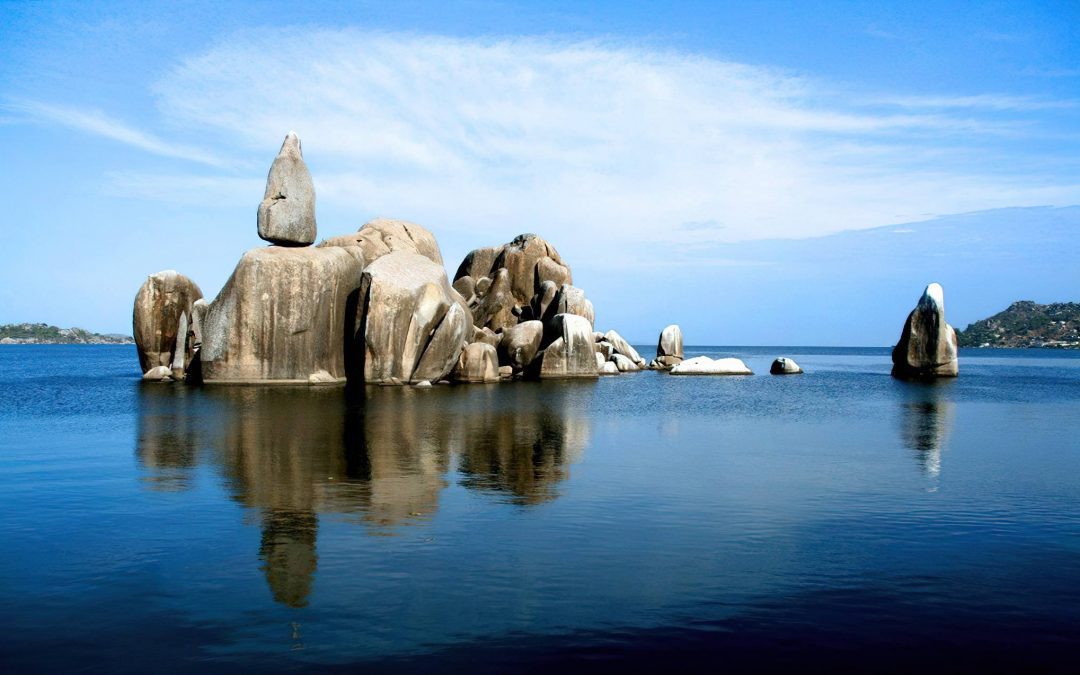
The British-Kenyan swimmer and writer Rebecca Achieng Ajulu-Bushell shares a deeply personal reflection on Lake Victoria, the largest tropical lake in the world and a place that holds her family’s history, her identity, and her first love—swimming.

This blog explores how travel can be a form of cultural reconnection, using Lake Victoria as a metaphor and a mirror. Whether you’re tracing ancestral paths or rediscovering forgotten places, this is a journey into memory, meaning, and belonging.


1. The Power of Place: Why Some Destinations Feel Like Home

Not all travel is about novelty. Some places feel familiar, even if we’ve never been there. These are the places that:

  • Resonate with our heritage
  • Reflect our values
  • Stir our emotions

For Rebecca, Lake Victoria is more than a body of water—it’s a symbol of her father, her childhood, and her cultural identity.

“This lake is my father, and it is home.”


2. Lake Victoria: Geography and Spirit

Lake Victoria spans three countries:

  • Kenya
  • Uganda
  • Tanzania

It covers over 68,000 square kilometers and supports millions of lives through fishing, farming, and trade. But beyond its physical scale, Lake Victoria holds spiritual and emotional weight.

Cultural Significance:

  • Known as Nam Lolwe in Luo and Ukerewe in Swahili
  • Renamed by colonial explorers in the 19th century
  • A source of myth, music, and memory

For the Luo people, the lake is central to identity. Rebecca, who is Luo, describes herself as:

“Nyar nam: a daughter of the lake.”


3. Swimming as Reconnection

Rebecca’s relationship with water began in Lake Victoria. Before she could walk, she could swim. The lake became her first teacher, her first stage, and her first sanctuary.

Why It Matters:

  • Swimming gave her freedom and confidence
  • It connected her to her father, who never learned to swim
  • It became a metaphor for navigating life’s depths

From Lake Victoria, she went on to become a world champion swimmer. But the lake remained her emotional anchor.


4. Cultural Reconnection Through Travel

Rebecca’s story is part of a larger movement—travel as a way to reconnect with culture, ancestry, and self.

Examples:

  • African Americans visiting Ghana for “Year of Return”
  • Indigenous Australians returning to sacred sites
  • Diaspora communities exploring ancestral villages

These journeys are not about tourism—they’re about truth.


5. The Emotional Landscape of Reconnection

Traveling to a place of origin can evoke complex emotions:

  • Joy: Discovering traditions and stories
  • Grief: Confronting loss or displacement
  • Healing: Releasing trauma and reclaiming identity
  • Belonging: Feeling seen and understood

Rebecca’s visit to Lake Victoria after her father’s death was a moment of profound reflection.

“The sound of the lake was his funeral song.”


6. The Role of Family and Memory

Cultural reconnection often involves family—living or remembered. Rebecca’s father was a Pan-African scholar and activist. Though he didn’t speak of beauty, he saw it in the lake and in his daughter.

“He never talked about beauty—except when he talked about me, and the lake.”

Her uncle’s stories, her grandmother’s house, and the fishing boats all became threads in a tapestry of memory.


7. The Water as Metaphor

Water is a recurring symbol in Rebecca’s story—and in many cultures.

Water Represents:

  • Life and birth
  • Movement and change
  • Depth and mystery
  • Cleansing and renewal

Floating in Lake Victoria, Rebecca hears the world beneath her:

“Clicks, small vibrations, and dull thuds from shifting stones and fish.”

It’s a reminder that travel can be both surface and depth.


8. Barriers to Reconnection

Not everyone can easily return to ancestral places. Barriers include:

  • Cost and logistics
  • Political instability
  • Loss of records or land
  • Emotional resistance

Rebecca notes that many Black communities fear water due to historical trauma and lack of access.

“When parents say the water is scary, learning to swim is improbable.”

Reconnection requires courage, resources, and support.


9. How to Travel for Reconnection

If you’re considering a journey of cultural reconnection, here are some tips:

A. Do Your Research

  • Learn about your ancestry, language, and traditions
  • Connect with local historians or elders

B. Travel Slowly

  • Spend time in one place
  • Engage with community events and rituals

C. Be Respectful

  • Honor local customs
  • Ask permission before photographing or sharing stories

D. Reflect and Record

  • Keep a journal
  • Write letters to ancestors or future generations

E. Share the Experience

  • Bring family or friends
  • Create art, essays, or documentaries

Reconnection is personal—but it can also be communal.


10. Lake Victoria Today: Challenges and Hope

Lake Victoria faces environmental and social challenges:

  • Pollution and overfishing
  • Climate change
  • Economic inequality

But it also holds hope:

  • Community-led conservation
  • Cultural tourism
  • Youth empowerment through sport and education

Rebecca’s story is part of that hope—a reminder that the lake is not just history, but future.


11. Voices from the Lake: Reflections from Locals

Uncle Otieno, Fisherman

“The lake gives and takes. It teaches us to listen.”

Mama Achieng, Grandmother

“The water remembers. It carries our stories.”

Rebecca, Swimmer and Writer

“Now the lake swims in me.”

These voices echo across generations, across waves.


12. What to Pack for a Journey of Reconnection

  • Comfortable clothes for walking and swimming
  • A journal or sketchbook
  • A photo or memento of your ancestors
  • An open heart and curious mind

This is not a vacation—it’s a pilgrimage.


13. Where to Stay Near Lake Victoria

If you’re planning a visit, consider:

  • Kisumu: Vibrant city with cultural centers and lake access
  • Mbita Point: Quiet town with views of Rusinga Island
  • Lodges and homestays: Support local families and learn firsthand

Stay close to the water. Let it speak to you.


Conclusion: The Journey Within

Travel as cultural reconnection is not about ticking boxes—it’s about opening doors. To memory, to meaning, to self. Whether you’re swimming in Lake Victoria or walking ancestral paths, the journey is sacred.

Rebecca’s story reminds us that the places we come from never leave us. They live in our bodies, our dreams, our stories. And sometimes, the best way to move forward is to go back.

So if you feel the pull of a place, a name, a story—follow it. The lake is waiting.

Written by Kariss

More From This Category
NACHTIGAL FALLS

NACHTIGAL FALLS

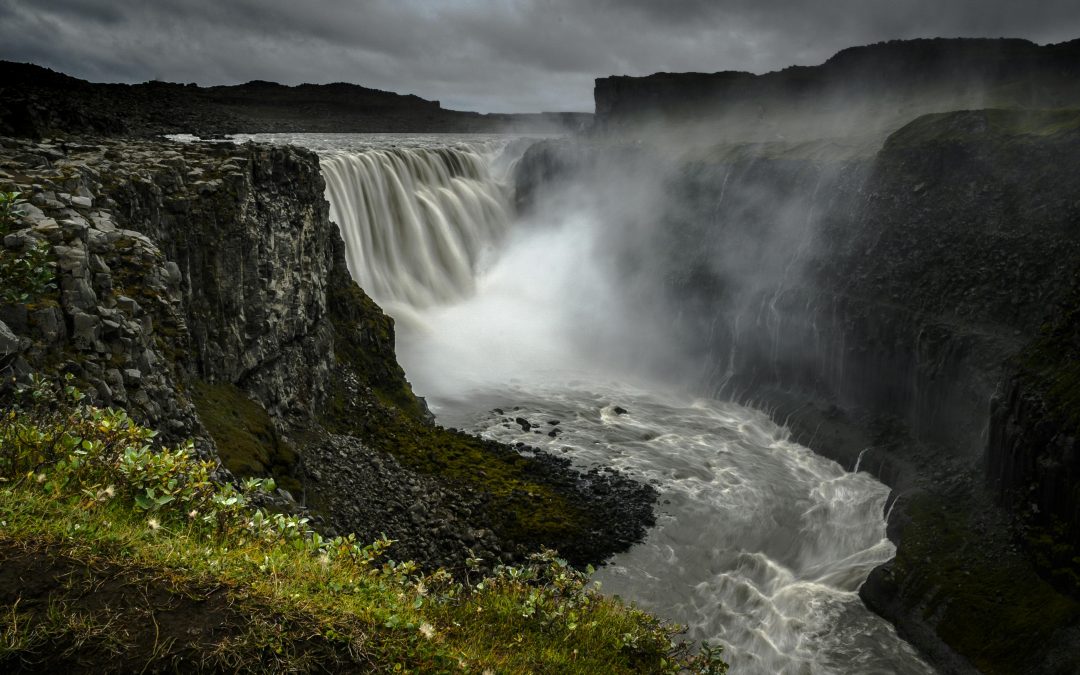
The Sanaga River doesn’t pose for pictures; it moves, insists, revises. An hour northeast of Yaoundé, where the road loosens its shoulders and the forest steps closer, the Sanaga rushes itself into a fanned‑out fury people call Nachtigal Falls—not a single plunge, really, but a series of wide rapids shouldering around basalt and islands, a loud conversation between water and rock. [ebubeleni.com], [elephantherd.co.za]

read more
NACHTIGAL FALLS

NACHTIGAL FALLS

The Sanaga River doesn’t pose for pictures; it moves, insists, revises. An hour northeast of Yaoundé, where the road loosens its shoulders and the forest steps closer, the Sanaga rushes itself into a fanned‑out fury people call Nachtigal Falls—not a single plunge, really, but a series of wide rapids shouldering around basalt and islands, a loud conversation between water and rock. [ebubeleni.com], [elephantherd.co.za]

read more
NACHTIGAL FALLS

NACHTIGAL FALLS

The Sanaga River doesn’t pose for pictures; it moves, insists, revises. An hour northeast of Yaoundé, where the road loosens its shoulders and the forest steps closer, the Sanaga rushes itself into a fanned‑out fury people call Nachtigal Falls—not a single plunge, really, but a series of wide rapids shouldering around basalt and islands, a loud conversation between water and rock. [ebubeleni.com], [elephantherd.co.za]

read more

Comments

Our Newsletter

Sailing the Inner Hebrides

Sailing the Inner Hebrides

Sailing the Inner Hebrides: A Romantic Staycation in Scotland’s Wild Waters

Introduction: Where the Sea Meets the Soul

There’s something timeless about sailing. The creak of wood, the hiss of wind, the rhythm of waves—it’s a language older than roads and railways. And in Scotland’s Inner Hebrides, sailing becomes more than a mode of travel. It becomes a meditation, a memory, and a love letter to nature.

The voyage aboard the Eda Frandsen, a 1938 Danish gaff cutter, offers travelers a rare kind of staycation—one that’s romantic, rugged, and deeply restorative. In this blog, we’ll chart the course of this unforgettable journey and explore why sailing the Hebrides is one of the most soulful ways to experience Scotland.


1. The Vessel: Eda Frandsen’s Storied Charm

Built in Denmark in 1938, the Eda Frandsen is a classic wooden sailing boat with:

  • A cozy galley
  • Candlelit dining
  • Wood-paneled cabins
  • A sense of history in every plank

Owned and operated by Mungo Watson and Stella Marina, the boat is more than a vessel—it’s a floating home, a culinary haven, and a gateway to the wild.


2. The Route: A Sail Through the Inner Hebrides

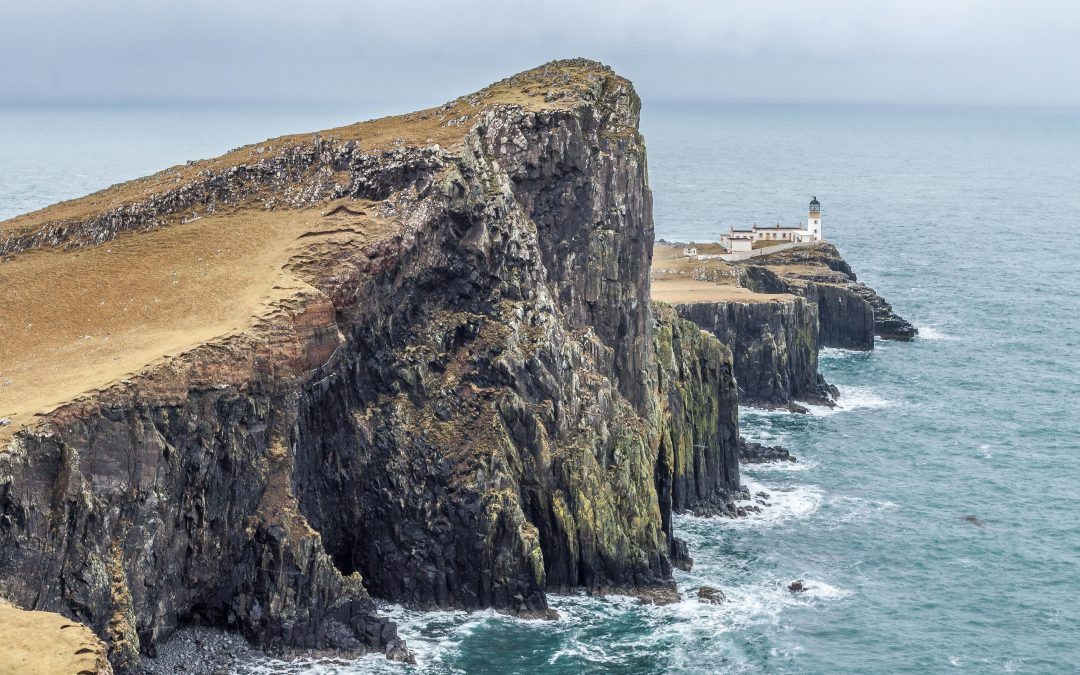
The journey begins in Mallaig, a small port town on Scotland’s west coast. From there, the Eda Frandsen sails through:

  • Eigg: Green hills, puffins, and poetic sunsets
  • Rum: Volcanic peaks and the haunting Kinloch Castle
  • Canna: Remote beauty and Café Canna’s legendary seafood
  • Loch Moidart: Glassy waters and seal sightings
  • Knoydart Peninsula: Home to Britain’s most remote pub
  • Skye: Dramatic landscapes and mystical lochs

Each stop is chosen not for convenience, but for magic.


3. Life Onboard: Simplicity and Connection

Sailing the Hebrides is not about luxury—it’s about intimacy. Onboard life includes:

  • Shared meals around a wooden table
  • Fresh seafood cooked by Stella, a former superyacht chef
  • Stargazing from deck
  • Morning swims in icy lochs
  • Conversations that stretch into the night

There’s no Wi-Fi, no itinerary, and no rush. Just wind, water, and wonder.


4. The Food: Sea-to-Table Perfection

Meals aboard the Eda Frandsen are a highlight. Stella’s cooking blends comfort and creativity, using:

  • Langoustines and mussels from local waters
  • Farm-fresh vegetables
  • Homemade bread and desserts
  • Chilled rosé and single malt whisky

Dining is communal, candlelit, and deeply satisfying.


5. The Crew: Guides, Hosts, and Storytellers

Mungo and Stella are more than sailors—they’re stewards of experience. Their roles include:

  • Navigating the boat with skill and calm
  • Sharing stories of the sea and land
  • Teaching guests to hoist sails and read the wind
  • Creating a space of safety, warmth, and joy

Their presence transforms the trip from a tour into a journey.


6. The Hebrides: Islands of Myth and Majesty

The Inner Hebrides are a chain of islands off Scotland’s west coast. They include:

  • Skye: Famous for its Cuillin mountains and fairy pools
  • Mull: Home to Sgriob-ruadh Farm and the Glass Barn café
  • Eigg and Rum: Small isles with big personalities
  • Canna: A haven for wildlife and solitude

These islands are rich in:

  • Gaelic culture
  • Viking history
  • Wildlife (seals, dolphins, puffins)
  • Landscapes that shift with the light

Sailing allows you to experience them as they were meant to be seen—from the water.


7. Highlights of the Voyage

A. Café Canna

  • Tiny restaurant on the island of Canna
  • Known for lobster, crab, and langoustine platters
  • A must-stop for sailors and seafood lovers

B. Kinloch Castle, Rum

  • Edwardian mansion frozen in time
  • A glimpse into Scotland’s aristocratic past
  • Eerie, beautiful, and unforgettable

C. Loch Coruisk, Skye

  • One of Scotland’s most dramatic anchorages
  • Surrounded by steep mountains and white streams
  • Accessible only by boat or a challenging hike

D. The Old Forge, Knoydart

  • Britain’s most remote pub
  • Reachable only by boat or multi-day hike
  • Serves local ale and hearty meals

These moments make the voyage feel like a dream.


8. Wellness at Sea: The Healing Power of Sailing

Sailing is a form of wellness. It offers:

  • Digital detox: No screens, just sky
  • Physical movement: Hoisting sails, swimming, hiking
  • Mental clarity: The rhythm of the sea calms the mind
  • Emotional connection: Shared experiences build bonds

Guests often report feeling:

  • More present
  • More creative
  • More alive

It’s not just a trip—it’s a reset.


9. Sustainability: Low-Impact Travel

Sailing is one of the most sustainable ways to travel. The Eda Frandsen uses:

  • Wind power
  • Minimal fuel
  • Local sourcing for food
  • Reusable materials onboard

Guests are encouraged to:

  • Respect wildlife
  • Leave no trace
  • Support island communities

It’s travel that treads lightly and gives back.


10. When to Go: Seasonal Sailing

Spring (April–May):

  • Puffins arrive
  • Wildflowers bloom
  • Fewer tourists

Summer (June–August):

  • Long days and golden light
  • Warmest water for swimming
  • Peak sailing season

Autumn (September):

  • Crisp air and dramatic skies
  • Quiet anchorages
  • Ideal for reflection

Each season offers a different kind of magic.


11. How to Book: Planning Your Voyage

Eda Frandsen Details:

  • Website: eda-frandsen.co.uk
  • Duration: 6-night voyages
  • Cost: From £1,440 per person (includes all meals)
  • Experience: No sailing experience required

What to Pack:

  • Waterproof jacket and warm layers
  • Swimwear and hiking boots
  • A journal or book
  • A sense of adventure

Booking early is recommended—spaces are limited and demand is high.


12. Voices from the Sea: Guest Reflections

David, 58, London

“I came for the sailing. I left with new friends, new stories, and a new sense of peace.”

Clara, 34, Edinburgh

“Jumping into Loch Moidart at sunset was the most alive I’ve ever felt.”

Tom, 41, Bristol

“The food, the silence, the stars—it was like stepping into another world.”


13. Beyond the Boat: Where to Stay Ashore

If you want to extend your Hebridean adventure, consider:

  • Pennygate Lodge, Mull: Georgian guesthouse with gourmet dining
  • Kinloch Lodge, Skye: Historic hotel with loch views and creative cuisine
  • Inverlonan Bothies, Oban: Off-grid cabins with fire-cooked meals
  • Eilean Shona, Loch Moidart: Private island with Nordic-style lodgings

These places offer land-based luxury with a wild heart.


Conclusion: A Journey Worth Taking

Sailing the Inner Hebrides is not about ticking boxes—it’s about opening doors. To nature, to history, to yourself. It’s about feeling the wind in your hair and the salt on your skin. It’s about slowing down, looking up, and letting go.

So if you’re ready for a staycation that feels like a pilgrimage, the Eda Frandsen is waiting. Step aboard, hoist the sails, and let Scotland’s wild waters carry you home.

More From This Category

A Guide to Slow Luxury

A Guide to Slow Luxury

Imagine waking up to the sound of birdsong, the scent of lavender drifting through open windows, and the golden light of the Italian countryside spilling across terracotta tiles. This is villa life in Tuscany and Umbria—where luxury is not about opulence, but about space, silence, and soul.

read more
A Guide to Slow Luxury

A Guide to Slow Luxury

Imagine waking up to the sound of birdsong, the scent of lavender drifting through open windows, and the golden light of the Italian countryside spilling across terracotta tiles. This is villa life in Tuscany and Umbria—where luxury is not about opulence, but about space, silence, and soul.

read more
A Guide to Slow Luxury

A Guide to Slow Luxury

Imagine waking up to the sound of birdsong, the scent of lavender drifting through open windows, and the golden light of the Italian countryside spilling across terracotta tiles. This is villa life in Tuscany and Umbria—where luxury is not about opulence, but about space, silence, and soul.

read more

Comments

Our Newsletter

Cap Ferret

Cap Ferret

Cap Ferret: France’s Untamed Peninsula of Wild Luxury

Introduction: Where Simplicity Meets Sophistication

Tucked between the Atlantic Ocean and Arcachon Bay, Cap Ferret is often called the “French Hamptons.” But that nickname barely scratches the surface. Unlike its glitzy Côte d’Azur cousins, Cap Ferret is a place where luxury is quiet, nature is king, and time slows to a pine-scented breeze.

Cap Ferret is a study in contrasts: oyster shacks and designer villas, surf beaches and pine forests, barefoot cafés and Michelin-starred menus. In this blog, we’ll explore how Cap Ferret offers a rare kind of travel—one that’s wild, elegant, and deeply French.


1. The Geography: A Peninsula of Possibilities

Cap Ferret is a narrow strip of land that separates Arcachon Bay from the Atlantic Ocean. This unique geography creates two distinct coastlines:

  • Bay Side: Calm waters, oyster farms, colorful fishing villages
  • Ocean Side: Wild beaches, crashing waves, surf culture

The peninsula stretches for about 25 kilometers, with pine forests, sand dunes, and hidden trails connecting its many moods.


2. Arrival: The Journey Is Part of the Magic

Getting to Cap Ferret is part of the experience. Most travelers arrive via:

  • Boat from Arcachon, crossing the bay in 20 minutes
  • Drive from Bordeaux, winding through pine forests

As you approach, the landscape shifts—less urban, more elemental. The scent of pine and salt fills the air, and the sky opens wide.


3. The Vibe: Understated Elegance

Cap Ferret is not about flash—it’s about feeling. Locals and regulars embrace a kind of “barefoot luxury” that values authenticity over appearance.

What You’ll See:

  • Families biking to the beach
  • Artists sketching in cafés
  • Locals sipping rosé at oyster shacks
  • Surfers waxing boards at sunrise

It’s a place where everyone is 10 minutes late, and no one minds.


4. Where to Stay: Villas, Shacks, and Hidden Gems

Villa de la Pointe

  • Location: Near La Pointe, the peninsula’s tip
  • Style: White cabane-style villa with rattan furniture, tiled floors, and a pétanque court
  • Vibe: Stylish, secluded, and deeply relaxed

Villa Cacciarella

  • Location: Monte Argentario cliffs
  • Style: 1970s nostalgia with marble kitchens and bamboo beds
  • Vibe: Glamorous, vintage, and ocean-facing

Hôtel de la Plage, L’Herbe

  • Style: Restored 19th-century dormitory with red-and-cream gables
  • Vibe: Cozy, communal, and close to oyster farms

La Coorniche, Pyla-sur-Mer

  • Style: Philippe Starck-designed lodge with infinity pool and dune views
  • Vibe: Chic, cinematic, and perfect for sunset cocktails

Cap Ferret’s accommodations reflect its soul—elegant, earthy, and full of character.


5. The Food: Oysters, Wine, and Simple Pleasures

Cap Ferret is a paradise for food lovers, especially those who appreciate simplicity.

Oyster Shacks in L’Herbe

  • Wooden cabins with colorful shutters
  • Menus: oysters, shrimp, pâté, white wine
  • Vibe: Casual, communal, and delicious

La Cabane D’Hortense

  • Run by Khalid Zamrani, a local legend
  • Known for its “zen space” and warm hospitality
  • Oysters served with crisp rosé and laughter

Chez Hortense

  • Iconic restaurant near La Pointe
  • Famous for moules frites and seafood platters
  • Terrace with panoramic bay views

Frédélian Café

  • Art deco café at the heart of Cap Ferret
  • Serves eggs Benedict, pastries, and dune blanche (local cream-filled pastry)

Food here is not about complexity—it’s about quality, freshness, and joy.


6. The Beaches: Wild, Windswept, and Wonderful

Cap Ferret’s beaches are among the most beautiful in France.

Plage du Truc Vert

  • Vast, wild, and perfect for surfing
  • Backed by dunes and pine forests
  • Often empty, even in summer

La Pointe

  • Where the ocean meets the bay
  • Ideal for long walks, shell collecting, and sunset watching

Conche du Mimbeau

  • Calm waters and oyster beds
  • Great for swimming and kayaking

Whether you want waves or stillness, Cap Ferret has a beach for you.


7. Nature and Adventure: The Call of the Wild

Cap Ferret is a haven for outdoor lovers.

Cycling

  • Bike paths crisscross the peninsula
  • Rent a vintage vélo and explore at your own pace

Surfing

  • Lessons available for all levels
  • Best spots: Truc Vert and Horizon Beach

Hiking

  • Trails through pine forests and dunes
  • Views of Arcachon Bay and the Atlantic

Boating

  • Sail to the Banc d’Arguin sandbank
  • Explore hidden coves and oyster farms

Nature here is not curated—it’s raw, real, and ready.


8. Culture and Community: A Place of Stories

Cap Ferret is full of characters and stories.

Benoît Bartherotte

  • Local icon who saved La Pointe from erosion
  • Lives in a beach shack filled with drawings and memories
  • Known for his eccentric charm and deep love of the land

Khalid Zamrani

  • Started as a dishwasher, now runs one of the most beloved oyster shacks
  • Creates a space where everyone feels welcome
  • Proof that Cap Ferret is about people, not pedigree

These stories make Cap Ferret more than a destination—they make it a community.


9. When to Go: Seasonal Magic

Spring (April–May):

  • Wildflowers bloom
  • Fewer crowds
  • Ideal for hiking and cycling

Summer (June–August):

  • Warm waters
  • Vibrant beach life
  • Village fête in August

Autumn (September–October):

  • Golden light
  • Oyster season begins
  • Peaceful and poetic

Avoid winter unless you crave solitude and stormy seas.


10. How to Travel Sustainably in Cap Ferret

Cap Ferret’s beauty is fragile. Here’s how to protect it:

  • Use bikes or walk instead of driving
  • Support local businesses and artisans
  • Avoid single-use plastics
  • Respect dunes and wildlife
  • Travel off-season to reduce pressure on infrastructure

Sustainable travel here is not a trend—it’s a responsibility.


11. Voices from Cap Ferret: Reflections from the Peninsula

Camille, 32, Paris

“Cap Ferret is where I go to breathe. It’s elegant without trying, wild without apology.”

Julien, 45, Bordeaux

“I’ve traveled the world, but nothing compares to oysters at sunset in L’Herbe.”

Nina, 28, London

“It’s the only place I’ve found where luxury feels like freedom.”


12. What to Pack for Cap Ferret

  • Linen shirts and swimsuits
  • A bike lock and sunhat
  • A sketchbook or camera
  • A good book and open heart

Cap Ferret is not about what you wear—it’s about how you feel.


Conclusion: The Luxury of Letting Go

Cap Ferret is a rare kind of place. It doesn’t demand attention—it earns it. It doesn’t shout—it whispers. And in that whisper, travelers find something precious: peace, presence, and a deeper kind of luxury.

So if you’re ready to trade noise for nature, glitter for grace, and speed for stillness, Cap Ferret is waiting. Come for the oysters, stay for the soul.

More From This Category

Slow Travel in Sardinia

Slow Travel in Sardinia

In a world obsessed with speed, slow travel is a radical act. It’s not just about taking your time—it’s about transforming how you experience a place. Sardinia, particularly its capital Cagliari, offers a masterclass in this philosophy. With its Blue Zone lifestyle, Mediterranean rhythms, and timeless charm, Cagliari invites travelers to pause, breathe, and connect.

read more
Slow Travel in Sardinia

Slow Travel in Sardinia

In a world obsessed with speed, slow travel is a radical act. It’s not just about taking your time—it’s about transforming how you experience a place. Sardinia, particularly its capital Cagliari, offers a masterclass in this philosophy. With its Blue Zone lifestyle, Mediterranean rhythms, and timeless charm, Cagliari invites travelers to pause, breathe, and connect.

read more
Slow Travel in Sardinia

Slow Travel in Sardinia

In a world obsessed with speed, slow travel is a radical act. It’s not just about taking your time—it’s about transforming how you experience a place. Sardinia, particularly its capital Cagliari, offers a masterclass in this philosophy. With its Blue Zone lifestyle, Mediterranean rhythms, and timeless charm, Cagliari invites travelers to pause, breathe, and connect.

read more

Comments

Our Newsletter