El Caribe que crees conocer

El Caribe que crees conocer

El Caribe que crees conocer y del que te enamorarás después

Este es el trato

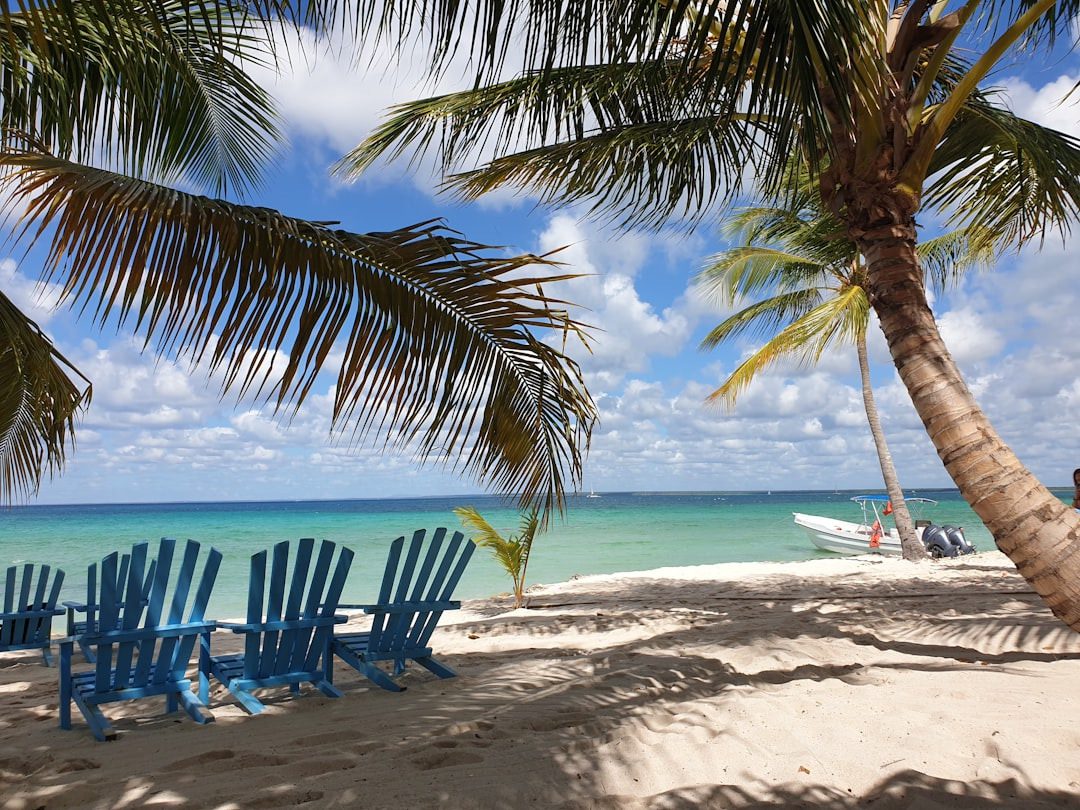
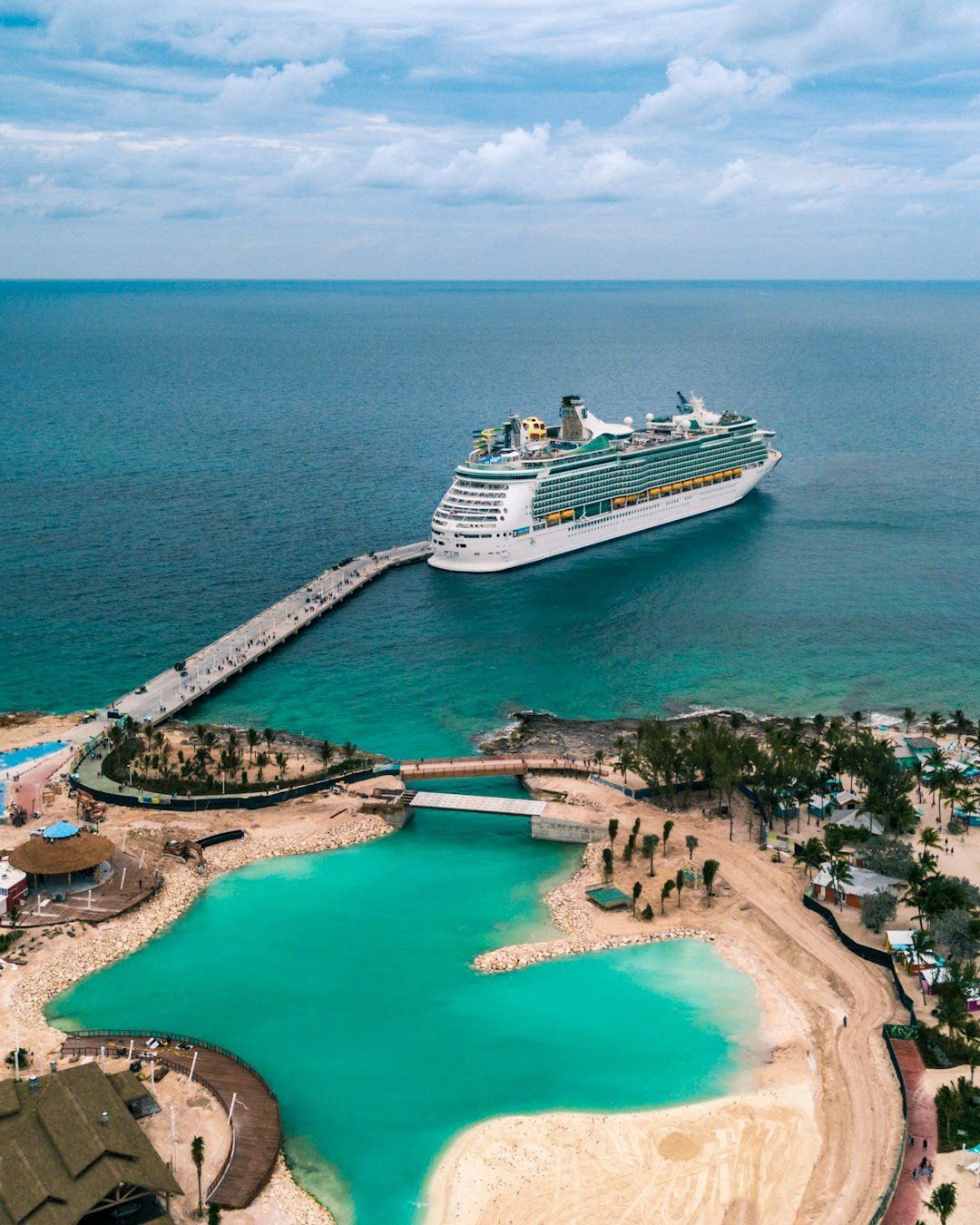
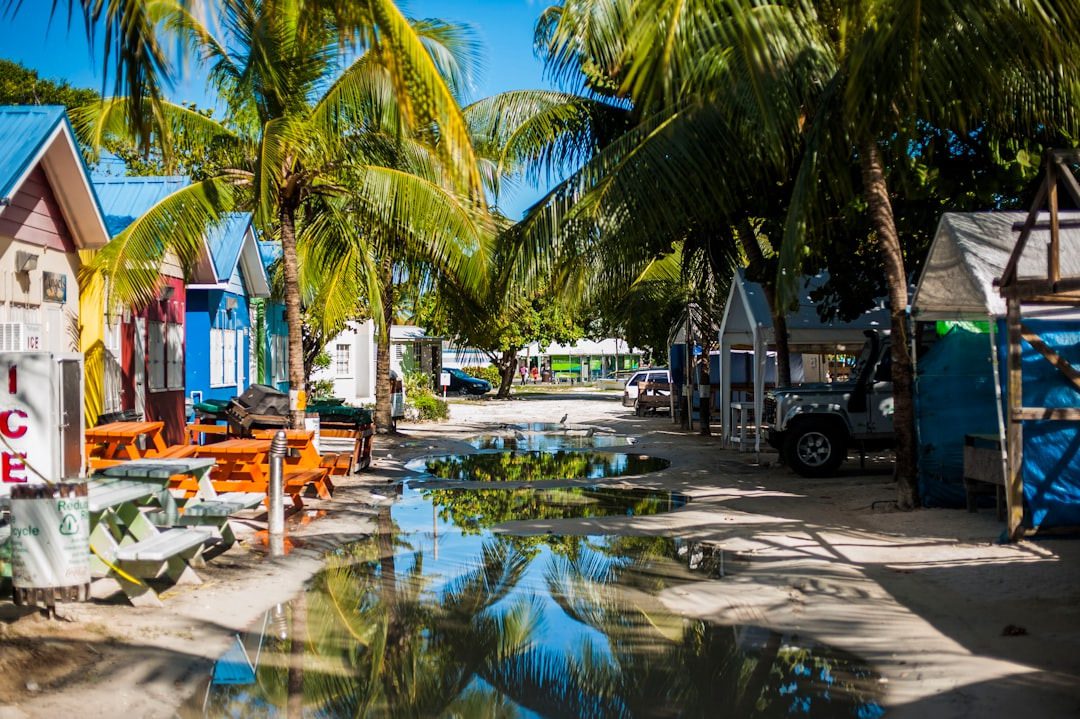
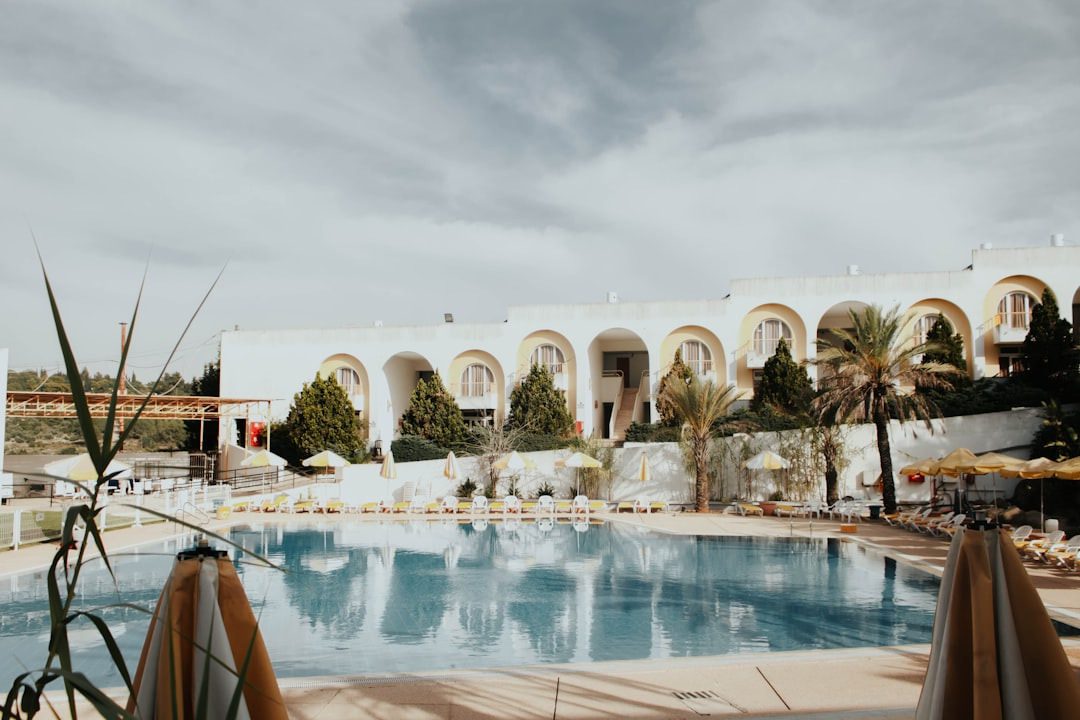
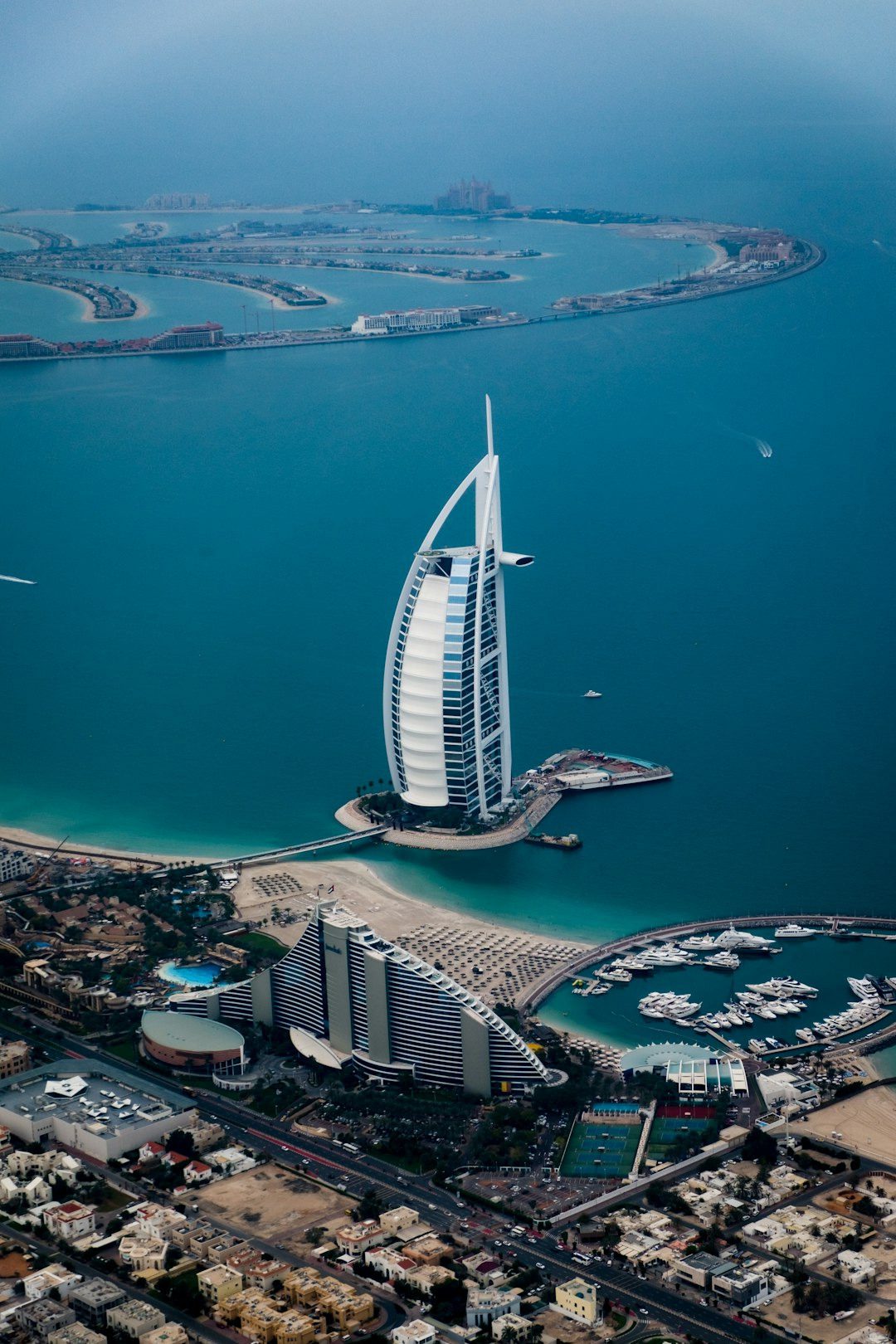
Imagínese el Caribe y probablemente se le vendrán a la cabeza los nombres más conocidos: los megaresorts, los clubes de playa de famosos y las calles abarrotadas de gente en los días de crucero. Es un glorioso hemisferio de sol y mar, pero aquí está el secreto que todo avezado isleño aprende: los viajes más transformadores en el Caribe suelen ocurrir más allá de los titulares.

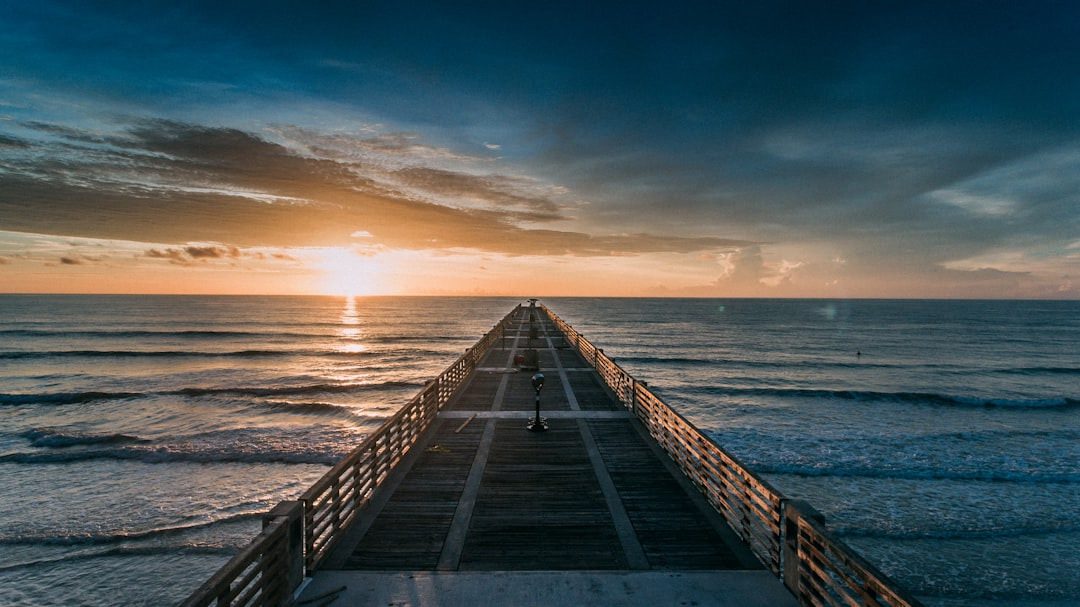
En el mapa, puede tratarse de un pequeño cayo donde los pescadores aún tiran de la caña al amanecer y un único bar costero zumba hasta que sale la luna. O una isla selvática donde los ríos corren fríos y calientes, donde la montaña respira a través de respiraderos y el mar burbujea como el champán. O un archipiélago con sabor francés donde el rhum agricole perfuma el aire, las rutas de senderismo escalan espinas volcánicas y las vendedoras de patés y bokit guiñan un ojo.

Esta guía presenta cinco alternativas poco conocidas a los grandes nombres de la región, y además ideas de emparejamiento inteligente para ayudarle a realizar un viaje de dos centros, y formas de viajar más ligeras, Apoye los medios de subsistencia locales y encuentre por el camino rincones llenos de significado. Considérelo su plan para un Caribe más rico en historias, más salvaje en espíritu y más tranquilo por diseño.


1) San Vicente y las Granadinas

Cambia el mega todo incluido por: una cadena de islas lentas donde los barcos son autobuses y las playas a menudo susurran de vuelta

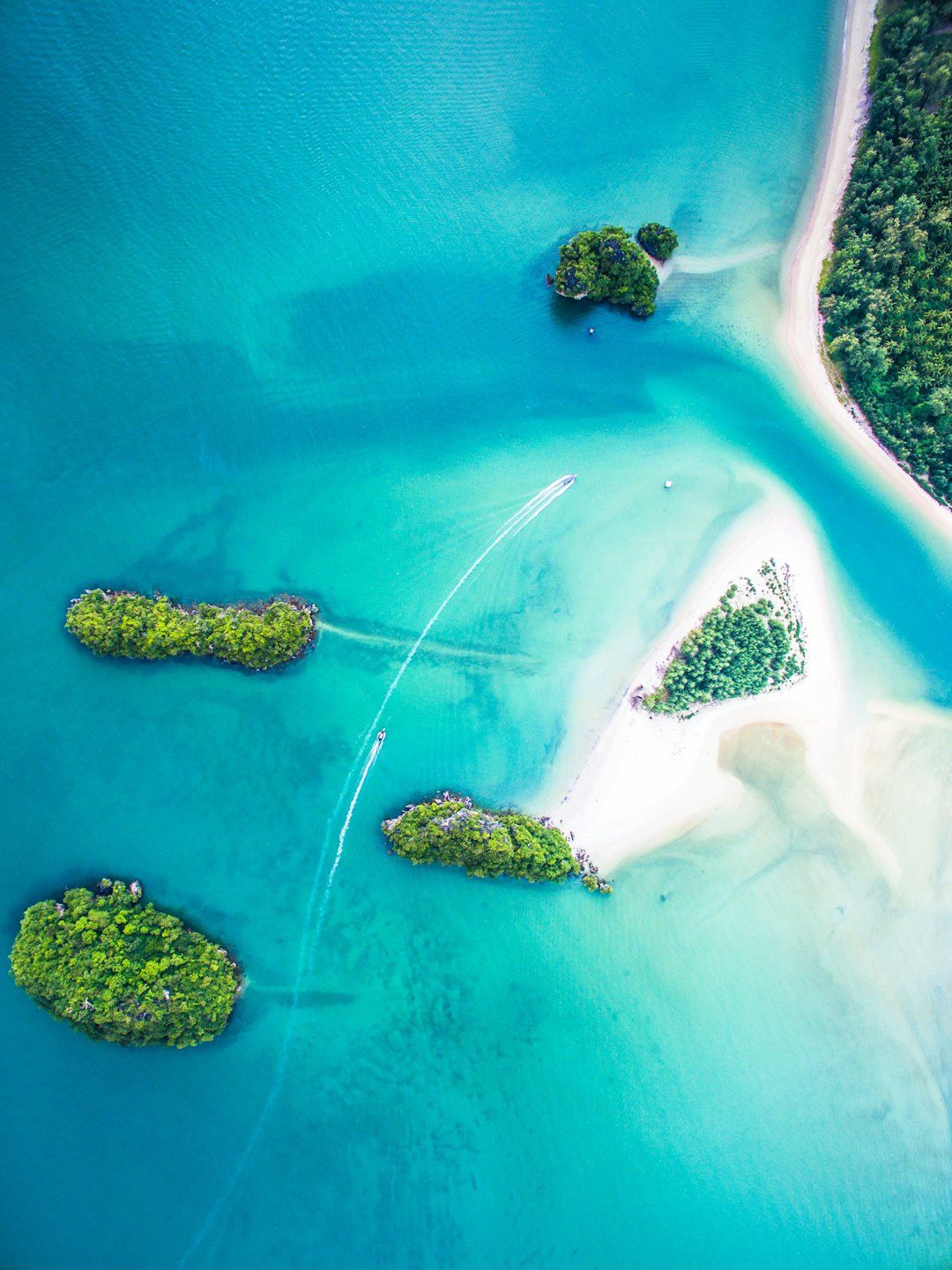
Treinta y dos islas, y la mayoría de ellas punteadas - esa es la poesía de San Vicente y las Granadinas. Desde el interior verde y desordenado de la isla principal hasta los extremos granadinos que apenas interrumpen el azul, todo el país es una sucesión de momentos de exhalación.

Por qué funciona para escapar sin multitudes:

  • Múltiples estados de ánimo en un solo viaje. Basado en Bequia para nadar en aguas cristalinas y disfrutar de noches tranquilas. Mayreau para una curva lunar de arena y no mucho más; ángulo para Isla de la Unión cuando te apetezca un poco de bullicio salado en el muelle.
  • Descalzo en Mustique (excursión opcional). Sumérjase para un largo almuerzo y una mirada aún más larga a la vida acuática; luego retírese a su base más tranquila.
  • Primeras experiencias en el mar. Navegar entre cayos es el ambiente. Incluso si no se alquila un barco, las embarcaciones de un día pueden dejarle en aguas turquesas en busca de tortugas, caracolas y barbacoas de arena.

Momentos que importan: Al anochecer del Playa Princesa Margarita (Bequia), el mar se vuelve azul cristalino y los pensamientos se ablandan en los bordes. No traiga nada más que tiempo, déjelo girar.

Idea de doble centro: Vuela a Barbados, descomprimir durante una noche o dos, entonces saltar a San Vicente y ferry por la cadena. A la vuelta, interrumpa su viaje de nuevo en Barbados para una última comida de mercado y un último baño.

Viaja con cuidado: Elija un protector solar que no dañe los arrecifes, evite fondear sobre corales si fleta, lleve una botella reutilizable y compre directamente en los puestos de fruta y aperitivos de los puertos.


2) Dominica

Cambie las emblemáticas y abarrotadas vistas de montañas y mares por..: una república selvática de ríos, aguas termales y maravillas volcánicas

Dominica es lo que se obtiene cuando se pide “la versión más salvaje” del Caribe. Es un lugar donde reina la selva tropical, los ríos se cuentan por cientos y las excursiones pueden parecer rituales. Los parques nacionales de la isla están enhebrados con gargantas, cascadas, fumarolas y el tipo de senderos que desatan tanto el ácido láctico como las viejas tensiones.

Paisajes imperdibles:

  • Parque Nacional de Morne Trois Pitons. Un país de las maravillas declarado Patrimonio de la Humanidad por la UNESCO: espesos bosques nubosos, Garganta de Titou nada, Cataratas de Trafalgar para un enfriamiento en dos cascadas, y el camino de otro mundo a Lago Hirviente para excursionistas experimentados.
  • Arrecife Champagne. Sí, como la bebida: los gases volcánicos se filtran por el fondo marino, así que se bucea entre cortinas de burbujas plateadas.
  • Piscina Esmeralda por un suave y verde bautismo en medio del bosque.

Un día conmovedor: Levántate antes del amanecer y toma el Troy-Windsor donde las enredaderas cuelgan como banderas de oración y el canto de los pájaros mañaneros llena los pliegues de las colinas. Termina en una fuente termal; cuenta ese vapor como una bendición.

Idea de doble centro: Par Santa Lucía (para una entrada rápida y un toque de comedor) con Dominica (para disfrutar de la naturaleza en estado puro). O combínelo con Guadalupe, compartiendo el hilo conductor del Caribe francés, los transbordadores y el ADN del senderismo.

Viaja con cuidado: Contrate guías locales titulados para el Lago Hirviente; siga los senderos señalizados para proteger la frágil cubierta vegetal; sumérjase, no se enjabone, en las pozas salvajes.


3) Las Antillas francesas (Guadalupe y Martinica, con guiños a San Martín y San Bartolomé).

Cambia los azules planos de las Bahamas por: dramáticas siluetas volcánicas, cocinas criollas y cultura del ron

Si el Caribe tuviera un alter ego francófilo, sería este cuarteto. Guadalupe se despliega como una mariposa: un ala montañosa y malhumorada con La Soufrière, La otra es más suave y está salpicada de manglares. Mar adentro, Isla de las Palomas (Reserva Cousteau) le sumerge en aguas rebosantes de tortugas y jardines de coral. En Martinica, las playas son audiciones para escenas de películas (hola, Grand Anse des Salines), mientras que los senderos selváticos del norte cosen especias y vistas al mar.

Por qué brillan:

  • Cultura de senderismo. Días de cumbre a La Soufrière parece una peregrinación con recompensa panorámica.
  • Profundidad culinaria. Desde almuerzos en un marché criollo hasta degustaciones en destilerías, la gastronomía de la zona es muy variada; rhum agricole lleva el terroir como el vino.
  • Logística sencilla. Moneda en euros, buenas carreteras, boulangeries para amaneceres... y atardeceres que se alargan.

Idea de doble centro: Dividir una semana entre Guadalupe (senderismo + buceo) y Martinica (playa + ruta del ron), con una excursión lateral a San Bartolomé para un día de glamour en la arena brillante.

Viaja con cuidado: Coma lo local y de temporada; lleve una bolsa de tela para los días de mercado; utilice los amarres oficiales cuando navegue por las reservas.


4) Granada

Cambia las grandes y pulidas tiras de resort por: colinas perfumadas de especias, fincas de cacao y cocinas comunitarias

Granada se inclina hacia la abundancia: nuez moscada, macis, canela, cacao - aromas que parecen entretejidos en la brisa. Las calles apilan casas de colores pastel sobre puertos en forma de herradura, y las playas se arquean doradas bajo palmeras ondulantes. Pero lo que seduce a los viajeros habituales es la intimidad cotidiana: mercados al aire libre, pescado frito los viernes por la noche y un plato nacional tan reconfortante que prácticamente zumba... aceite abajo.

Qué saborear:

  • Plaza del Mercado (San Jorge). Un derroche de color: especias isleñas, salsas, mermeladas... Hazte amigo de un vendedor y vete con consejos sobre recetas.
  • Cacao en una antigua finca. Recorra el camino de la alubia al bar; saboree el campo en cada plaza.
  • Mañanas de cascada, tardes de playa. Grand Etang selva tropical a Cascadas de las Siete Hermanas, entonces Grand Anse para nadar lánguidamente.

Arte infravalorado: Las cocinas de Granada. Desde cócteles del jardín al vaso hasta ceviche de pez león (cómete al invasor; ayuda al arrecife), ésta es cocina con conciencia.

Idea de doble centro: Emparejar con Carriacou (isla hermana de Granada) para disfrutar de la vida relajada de sus pueblos y navegar en veleros sobre el mar de color aguamarina. O viaje en vuelos regionales a Barbados para contrastar y facilitar los enlaces de larga distancia.

Viaja con cuidado: Considere la posibilidad de una clase de cocina pez león; es delicioso y una buena gestión. Compra especias en latas rellenables que puedas reutilizar.


5) Trinidad y Tobago

Cambia los descansos playeros de una sola nota por: un mosaico multicultural, humedales repletos de aves y una música que no podrás dejar de escuchar

A tiro de piedra de Sudamérica, Trinidad y Tobago es una confluencia de influencias africanas, indias, europeas y latinas. soca y calipso, y lo vemos en festivales que se basan en la pompa y el orgullo. En Trinidad, capital Puerto España oscila entre villas históricas y animados puestos de comida; humedales como Pantano de Caroni brillan al anochecer cuando ibis escarlata pinchar los manglares de rojo. Sobre Tobago, el ritmo baja otro peldaño: piscina de nylon baños, almuerzos de pescadores y un interior cosido con senderos de selva tropical.

Cómete tu educación: Dobles (garbanzos al curry en baras) para desayunar, cangrejo al curry y albóndigas en la playa, pastel aloo de la mano entre sets de música callejera. El coro culinario de las islas es el viaje.

Idea de doble centro: ¿Curiosidad carnavalesca? Visite Trinidad pre-cuaresma para mas y música, entonces Tobago recuperar: hamacas y mar de cristal. Los observadores de aves pueden darle la vuelta: La tranquilidad de Tobago primero, los humedales de Trinidad y la energía de la ciudad después.

Viaja con cuidado: Reservar excursiones éticas; prescindir de los plásticos; llevar manga larga ligera al atardecer para limitar los insecticidas cerca de los manglares.


Cómo emparejar islas como un profesional (y mantener la cordura)

1) Ancla y órbita. Elija una isla como “ancla” (vuelos fiables, mayor oferta de alojamiento), y luego “orbite” a una isla más pequeña durante 3-4 noches. Por ejemplo: Barbados → San Vicente y las Granadinas, Guadalupe → Dominica, Trinidad → Tobago.

2) Haga que el transporte forme parte de la alegría. Transbordadores en las Granadinas, saltos de charco en las Antillas Francesas: elija al menos un traslado por mar o en avioneta; sentirá la geografía en los huesos.

3) Mantén el embalaje modular. Una bolsa blanda de 35-40 litros con cubos de embalaje, capas de secado rápido, crema solar segura para los arrecifes, un chubasquero ligero, sandalias y calzado de montaña. Eso es todo. Tu cuerpo te lo agradecerá cada día.

4) Viaje en los meses de vacaciones. Evitará las mareas altas y es probable que conozca a más lugareños que visitantes. Reserve tarifas flexibles, esté atento a las previsiones y acepte algún chaparrón tropical como excusa para quedarse a comer.


Sostenibilidad natural (y significativa)

  • Que el dinero local fluya localmente. Puestos callejeros, restaurantes familiares, excursiones guiadas, ronerías comunitarias. Estas microtransacciones mantienen vivas las economías isleñas, y las conversaciones son los verdaderos recuerdos.
  • Replantearse lo de “imprescindible”.” Si la famosa cascada tiene cola, pida a un lugareño que le muestre una poza río arriba. Si la playa está llena, camina 10 minutos más allá del último grupo de tumbonas.
  • Lleva un kit “no dejar rastro”. Una tote, una botella de agua plegable, cubiertos de bambú, una mini bolsa seca para los bañadores mojados, así no necesitarás el plástico del hotel.
  • Cuidado con el arrecife. No tocar, no pararse, no perseguir tortugas para hacer fotos. Vaya con operadores que le informen adecuadamente y utilice amarres establecidos.


Ejemplo de itinerario de 12 días (Edición de dos islas)

Días 1-2: Barbados (descomprimir y cenar). Tierra, paseo por la playa, almuerzo en el mercado; vela al atardecer si hay que rascarse el gusanillo de las postales.
Días 3-7: San Vicente y las Granadinas (vida en cadena). Base en Bequia; navegación de un día a Mayreau y Tobago Cays; largos baños; charlas en tiendas de ron; una caminata por encima de Port Elizabeth para contemplar el puerto.
Días 8-12: Dominica (tierra y vapor). Volar a través de un centro regional; instalarse en la selva tropical. Una gran caminata (Lago Hirviente para el ajuste), un día suave (Piscina Esmeralda + Trafalgar), un snorkel costero (Arrecife Champagne), y una nana de aguas termales.


Lo que este tipo de viaje te da (que la versión brillante rara vez puede)

Es la pausa entre las olas cuando el mar casi respira contigo. Es el intercambio cara a cara en un idioma de sonrisas, gestos y la gramática compartida de la comida. Es el silencio que cae bajo los árboles catedralicios, y la cálida sacudida de un río que no sabías que tus hombros necesitaban. El Caribe que pasa desapercibido no grita. invita a. Muéstrate curioso y ligero de pies, y te encontrará en el medio

Más de esta categoría

Golden Residencies: 10 Back‑Pocket Residence Permits That Buy You Freedom, Time, and Options

Golden Residencies: 10 Back‑Pocket Residence Permits That Buy You Freedom, Time, and Options

Don’t move today—be able to move tomorrow. This expanded guide reworks your original article into a 10‑country portfolio of “back‑pocket” residencies: permits you can secure now, keep on ice, and only use if/when you want lower taxes, calmer living, or a fast exit from local turbulence. We’ve also shuffled the order for a fresher read and folded in three extra countries with up‑to‑date policy notes and official references.
leer más
Golden Residencies: 10 Back‑Pocket Residence Permits That Buy You Freedom, Time, and Options

Golden Residencies: 10 Back‑Pocket Residence Permits That Buy You Freedom, Time, and Options

Don’t move today—be able to move tomorrow. This expanded guide reworks your original article into a 10‑country portfolio of “back‑pocket” residencies: permits you can secure now, keep on ice, and only use if/when you want lower taxes, calmer living, or a fast exit from local turbulence. We’ve also shuffled the order for a fresher read and folded in three extra countries with up‑to‑date policy notes and official references.

leer más
Golden Residencies: 10 Back‑Pocket Residence Permits That Buy You Freedom, Time, and Options

Golden Residencies: 10 Back‑Pocket Residence Permits That Buy You Freedom, Time, and Options

Don’t move today—be able to move tomorrow. This expanded guide reworks your original article into a 10‑country portfolio of “back‑pocket” residencies: permits you can secure now, keep on ice, and only use if/when you want lower taxes, calmer living, or a fast exit from local turbulence. We’ve also shuffled the order for a fresher read and folded in three extra countries with up‑to‑date policy notes and official references.

leer más

Comentarios

Nuestro boletín

Por qué la naturaleza salvaje es el secreto mejor guardado del Caribe

Por qué la naturaleza salvaje es el secreto mejor guardado del Caribe

Por qué la naturaleza salvaje es el secreto mejor guardado del Caribe

Este es el trato

So many travellers arrive in the Caribbean for the sea and leave talking about the living world they met along the way. The hush of a rainforest that opens like a chapel. A dusk sky stippled in red as ibises settle to roost. The slow blink of an iguana, older than the limestone it lounges on. These encounters don’t shout; they recalibrate—how we pay attention, how we move through nature, how we carry responsibility home.

This guide brings you to six emblematic species—and the islands where your chances of seeing them (respectfully) are good. It pairs on‑the‑ground know‑how with a simple ethic: take nothing but photos (taken at a distance), leave nothing but lightened shoulders and a tiny donation for the people safeguarding these places.

The six “stars” you’ll meet:

  1. Mona monkey (Grenada)
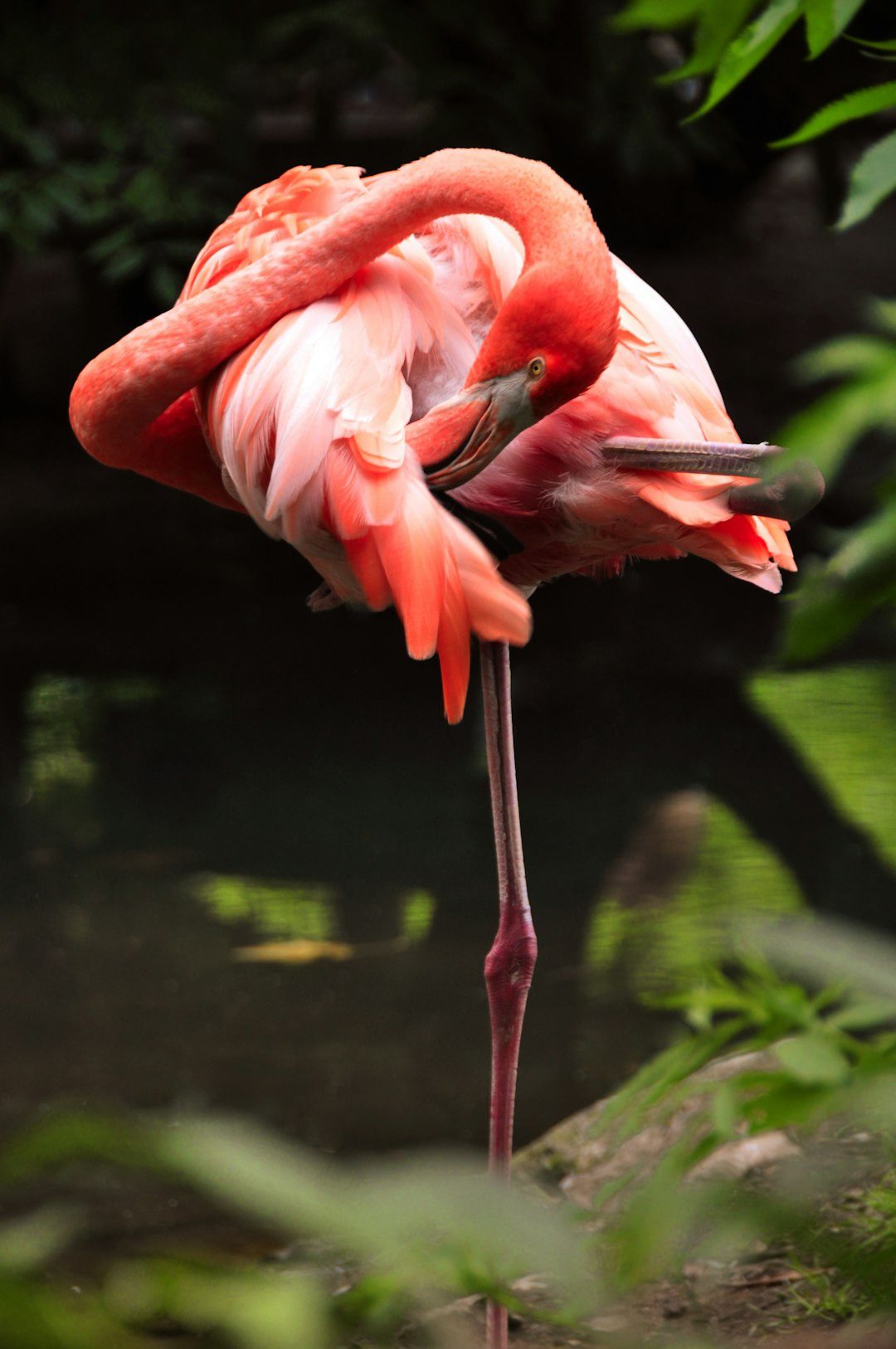
  2. American flamingo (Bonaire)
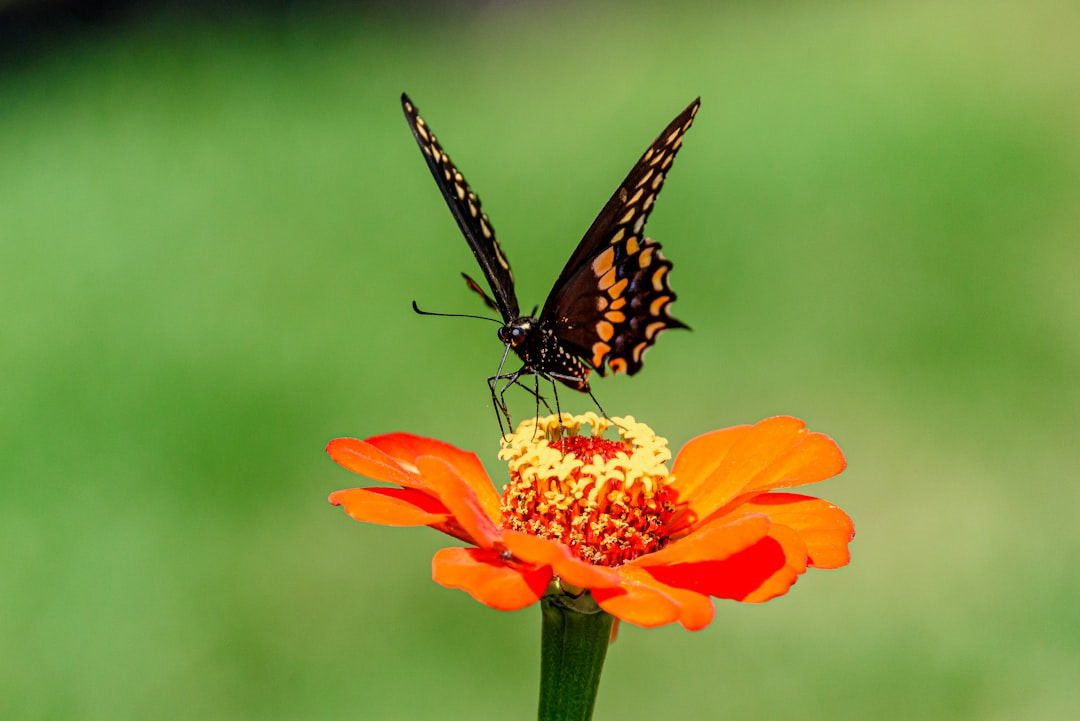
  3. Jamaican/Homerus giant swallowtail (Jamaica)
  4. Bahamian rock iguana (The Bahamas)
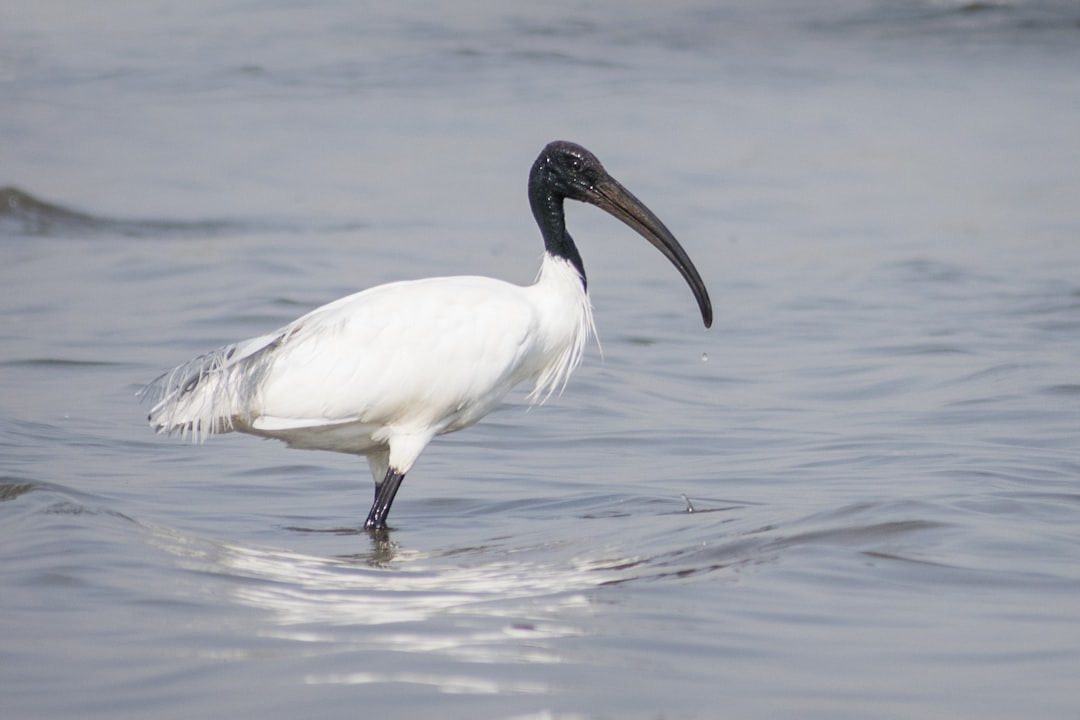
  5. Scarlet ibis (Trinidad & Tobago)
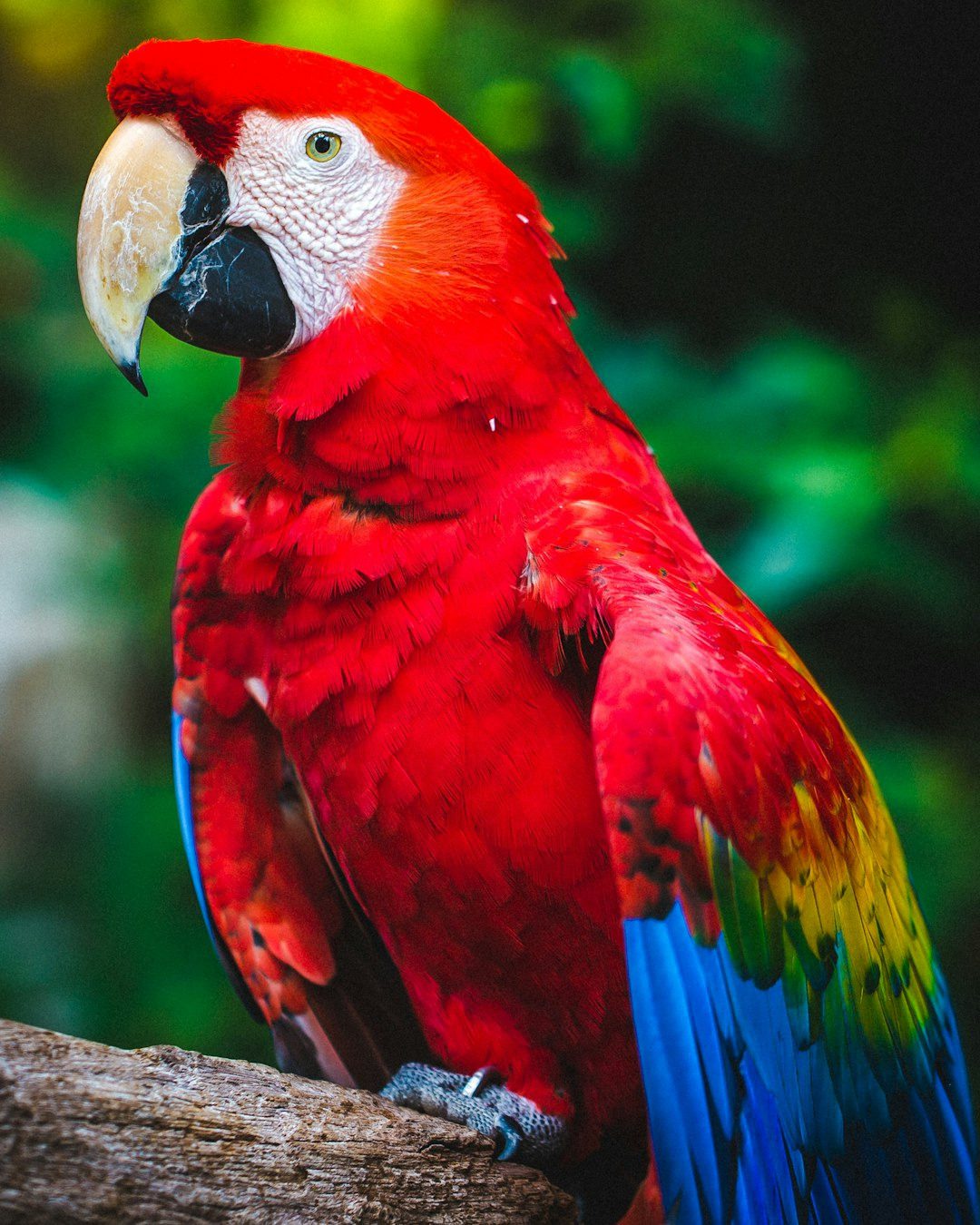
  6. St Vincent parrot (St Vincent & the Grenadines)

Source & alignment: Species, locations and on‑island pointers are inspired by the National Geographic Traveller — Caribbean Collection 2025 you shared, particularly the “Rare Residents” feature (pp. 16–19). I’ve re‑worked the material into a fresh, long‑form guide with added ethics, logistics and reflective moments.


How to travel like a wildlife person (even if you don’t own binoculars)

  • Let your guide lead. Local guides carry decades of field knowledge—and tight relationships with rangers. You’ll see more, disturb less, and keep your footprint small.
  • Build in buffer time. Wildlife moves when it wants; give yourself a second morning in key hotspots.
  • Carry the “four”: lightweight binoculars (8×32), a dry bag, reef‑safe sunscreen and a reusable bottle.
  • Follow the triangle rule for photos: your subject should always have space to move away from you—don’t corner, don’t bait, don’t block.
  • Give back, right there. Many parks and trusts accept small same‑day donations; five minutes and $10 here does more than a social post later.


1) Grenada’s Mona Monkeys: Forest acrobats with a flair for theatre

Where: Grand Etang National Park & Forest Reserve, Grenada’s lush interior, a 3,000‑acre mass of montane forest wrapped around a volcanic crater lake.
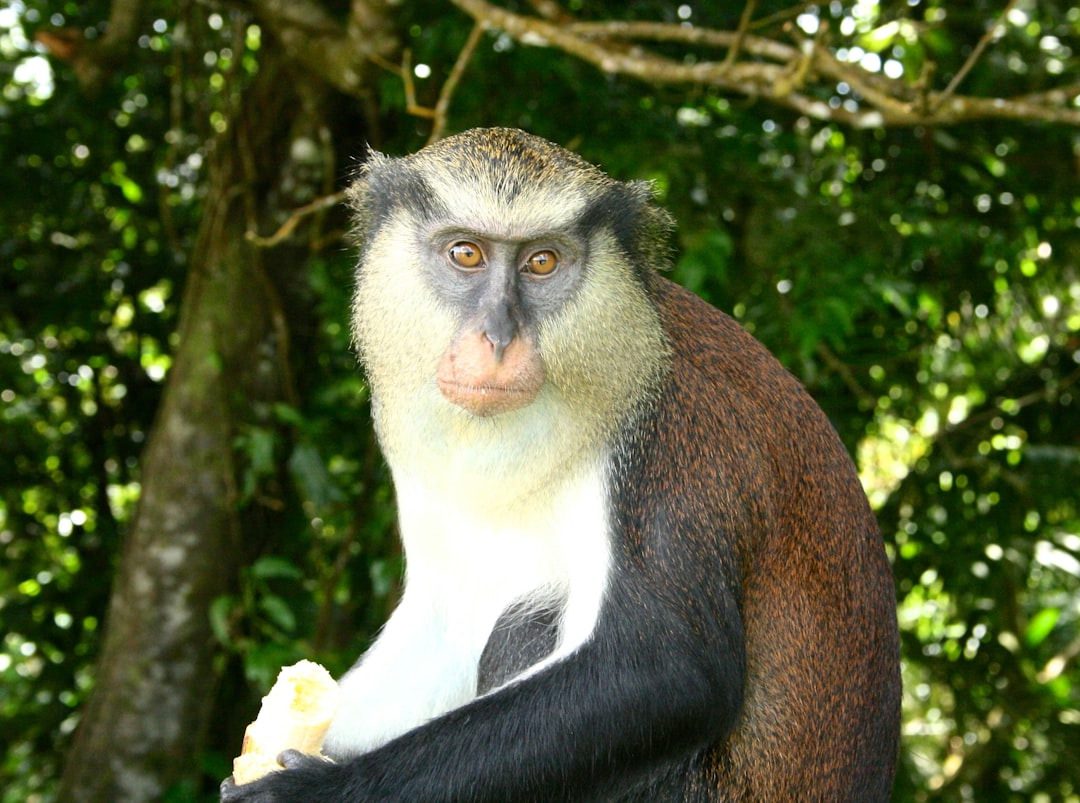
Who: En mona monkey (Cercopithecus mona)—West Africa’s traveller turned islander, probably arriving via 18th‑century ships. Expressive faces, white beards, and a vocabulary that will make you look up from the trail.

How to meet them well
Start early (pre‑9am) when the forest is still cool. Follow designated trails that skirt Grand Etang Lake and fan out towards waterfalls. Guides will tune your ear to the “booms” and branch‑rustle that reveal a troop. Monas are opportunistic; snacks on show teach bad habits and harm troops. Keep food zipped away; let curiosity—not calories—draw them near.

Quiet moment: Stand under the canopy and watch beams of light stack the understory like organ pipes. If a troop passes, notice how your breathing slows to their rhythm—curiosity first, then acceptance.

Practical: Light rain layer, grippy soles, insect protection (long sleeves help), sin alimentación. Park entry is modest; consider tipping your guide and supporting local conservation volunteers.
Bonus: Grenada is “spice island.” Wrap your forest morning with a cacao or nutmeg visit—a sensory bridge between people and place.


2) Bonaire’s Flamingos: A living ribbon of pink on salt‑rimmed water

Where: Washington Slagbaai National Park, Bonaire. The park occupies a hefty slice of the island’s northwest—rocky coves, dusty tracks, and salinas (salt ponds) like Gotomeer, where flamingos feed.
Who: En American flamingo (Phoenicopterus ruber), among the largest and brightest of their kin. Their colour comes from carotenoid‑rich diets—tiny crustaceans and algae.

How to meet them well
Arrive mid‑morning as birds wade and sieve the shallows. Bring binoculars; keep to roadsides and viewing points to avoid flushing the flock (watch for heads raised in unison—that’s your cue to back off). Flamingos often work in small gaggles; the choreography is half the joy.

Quiet moment: Stand downwind and listen. Beyond the distant squawks is the soft ticking of shore life—fiddler crabs, wind through saline grasses, a sun that seems to hum.

Practical: Park passes are purchased before entry; road loops can be rugged—high‑clearance vehicle recommended. The sea here can run rough; swim at marked coves on calm days only.
Bonus: Bonaire is shore‑diving heaven. Add a mask‑and‑fins afternoon: turtle grass, schools of blue tang, and—if the sea’s friendly—parrotfish sculpting tomorrow’s beaches, grain by grain.


3) Jamaica’s Giant Swallowtail: A six‑inch brushstroke in a green cathedral

Where: Cockpit Country—karst hills and deep, hidden valleys in north‑west Jamaica; also around Windsor estates and trails where forest edge meets limestone.
Who: En Jamaican/Homerus giant swallowtail (Papilio homerus)—one of the largest butterflies in the Americas. Yellow and black with touches of orange; wingspans near 15 cm (6 in); intensively protected.

How to meet it well
This is a species for guided days, both for safety (karst terrain, sinkholes) and legality (protected zones). Butterflies favour sun‑splashed clearings on warm, wind‑soft mornings. Move slow; scan the layer where shade meets light. If you’re blessed with a pass‑by, hold your position and let the arc happen. No nets, no chases, no off‑trail shortcuts. Your guide may also point out endemic plants and cave entrances that anchor the wider ecosystem.

Quiet moment: In the silence after wings, put a hand on the bark beside you and feel temperature gradients the forest makes—cool here, warm there. Realise how many micro‑worlds a single glade holds.

Practical: Long pants, ankle support, plenty of water. Ask your guide about community projects—the best will funnel your fee into trail upkeep, cave protection and youth ranger programs.
Bonus: End the day in a jerk yard where the smoke is sweet and the lime is generous. Conservation feels even better with community.


4) Bahamas’ Rock Iguanas: Time travellers on a sun‑polished cay

Where: The Exumas y Andros among others—the iguanas live on dry, low islands where scrub meets sand. Day trips run from Nassau and Exuma bases to cays with distinct subspecies (e.g., Allen Cay).
Who: En Bahamian rock iguana (Cyclura spp.), a set of endangered, colour‑tinted reptiles that bask, sprint and, if pressured, bolt for burrows between root and rock.

How to meet them well
Land gently—no running, no “treat trails.” Human feeding flips behaviour, wrecks diets and sets up conflicts. Watch how iguanas choose temperature: open bask, partial shade, then limestone cool-downs. Photograph from knee height for a respectful angle that also reads the animal’s line of retreat.

Quiet moment: Sit on the lee side of a scrub and count breaths until the first iguana resumes what it was doing before your boat arrived. There’s humility in waiting to be re‑accepted by a place.

Practical: Sun protection is everything; bring a wide‑brim hat and sleeves. Choose operators with leave‑no‑trace briefings and sin alimentación policies.
Bonus: Many Bahamas day trips pair iguanas with a reef stop. Look for shallow coral heads where juvenile fish hold—miniature cities that teach reef etiquette quickly.


5) Trinidad’s Scarlet Ibis: A dusk chorus stitched in red

Where: Pantano de Caroni, on Trinidad’s west coast. A 40‑sq‑mile mangrove world of sinuous channels and islets—the national bird’s preferred roosting grounds.
Who: En ibis escarlata (Eudocimus ruber), a wader whose plumage turns fire‑red on a diet rich in crustaceans. They arrive to roost in waves that look like brushstrokes across the canopy.

How to meet them well
Book a small‑boat, late‑afternoon excursion with a licensed eco‑operator. Bring binoculars; sit still as the light goes bronze and hundreds of birds drift in. The hush that settles over the boat is half awe, half collective gentleness. Watch for boas curled on branches, night herons ghosting the edges, and the red dotting of ibises growing denser until the mangroves glow.

Quiet moment: As twilight shifts to indigo, listen for the change in sound—wingbeats giving way to roost murmur, water to insect chorus. Then mirror the quiet with your own stillness.

Practical: Wear neutral clothing; motion and colour matter in low light. Protect against mosquitoes at dusk with loose long layers rather than heavy sprays in sensitive wetlands.
Bonus: Trinidad’s culinary mix is a whole journey: try doubles for breakfast, curry crab and dumpling by the waterfront, and a spoon of kuchela if you love heat and mango tang.


6) St Vincent’s Parrot: A rainbow flash in a green amphitheatre

Where: Vermont Nature Trail, west of Kingstown in Buccament Valley—a 1.6‑mile loop that crosses creeks and climbs to a vantage above a tapestry of rainforest.
Who: En St Vincent parrot (Amazona guildingii)—emerald, gold and blue; endemic and carefully monitored (numbers hover under a thousand in the wild). Loud, yes—but hearing and seeing are two different arts.

How to meet it well
Mid‑morning or late afternoon, stand quietly at the viewing platform and scan the sky’s margins where canopy meets cloud. Listen for the rolling squawk, then track the movement with binoculars—bursts of colour, then camouflage. Stay with the moment even after the bird slips; guides often pick up a second pass. No drone, no playback calls, no off‑trail bushwhacking.

Quiet moment: When you’re alone on the platform, notice how the valley holds sound—a deep green bowl that amplifies rain on leaf, creek on stone. It’s a good place to feel small in an expansive way.

Practical: Trails can be slick; wear lugged soles. Weather shifts quickly; a packable poncho helps. Local guides not only spot birds; they carry the valley’s memory—storms, nest sites, the day the first chick fledged in a given grove.
Bonus: St Vincent & the Grenadines is an archipelago—consider pairing your parrot morning with a Bequia beach or a day sail to Mayreau for a salty, silent exhale.


Planning a “Rare Residents” route (modular, 12–14 days)

You can chase all six in a single epic, but smarter (and gentler) is to pair clusters. Below is a modular plan using common air routes and ferries.

Option A — Southern Arc (10–12 days)

Grenada → St Vincent & the Grenadines → Trinidad

  • Days 1–3: Grenada (Grand Etang, mona monkeys). Fly into Grenada. One early morning in the park, one waterfall afternoon, one spice/cacao day.
  • Days 4–6: St Vincent (Vermont Nature Trail). Quick hop to St Vincent, base near Kingstown, and aim for two parrot windows (evening and next morning).
  • Days 7–10: Trinidad (Caroni Swamp, scarlet ibis). Fly to Trinidad, book the sunset swamp boat, and add a day for the Northern Range or city food explorations.

Option B — Salt & Blue Arc (7–9 days)

Bonaire → The Bahamas

  • Days 1–4: Bonaire (flamingos + shore diving/snorkelling). Road loops, salina stops and one lazy afternoon at a calm cove.
  • Days 5–8/9: Exumas or Andros (rock iguanas + reef stop). Base yourself where day boats get you to iguana cays with strict no‑feeding ethics; add a shallow reef for contrast.

Option C — Jamaica Focus (5–6 days)

Cockpit Country (giant swallowtail) + coast

  • Days 1–2: Base near Windsor/Cockpit Country for early starts with a licensed guide.
  • Days 3–6: Mix coastal decompression (jerk, music, sea) with a second inland window for weather insurance.

Consejo: Build weather flex into every plan. Two windows for each target species reduce pressure on you and wildlife alike.


Ethical fieldcraft in a nutshell (print, pocket, practice)

Distance: If your presence changes behaviour, you’re too close. Back off until the animal resumes what it was doing.
Silence: Voices carry in forests and over water. Whisper and close car doors softly in roost areas.
Light: No flash after dusk around birds/bats; red‑filtered headlamps in cave ecotours if allowed.
Speed: Boat wakes and drone buzzes can collapse roosts and flush feeding birds. Choose stillness over “more content.”
Hands: No touching, no feeding, no collecting. Always.
Feet: Stay on designated paths/boardwalks—especially in mangroves and dune systems.
Data: Post locations thoughtfully. For sensitive nests or roosts, share the experience, not the GPS.


Gear that keeps you nimble and present

  • Binoculars: 8×32 (bright, compact). For seabirds, a 10× is fine if your hands are steady.
  • Calzado: Lightweight hikers with grip; amphibious sandals for mangrove/kayak days.
  • Clothing: Long, breathable layers in neutral colours; a packable rain shell; wide‑brim hat.
  • Water & sun: Refillable bottle (freeze the night before), reef‑safe mineral sunscreen, UPF neck gaiter.
  • Camera: If you don’t own a long lens, embrace landscape + context images and add some tight shots via guide‑shared scopes/phonescopes.
  • Small extras: Field notebook, pencil, lens cloth, dry bag, mini first‑aid.


Food, culture & the human web that makes wild places possible

Wildlife isn’t separate from community; it’s held by it. Let your days trace that web:

  • Markets & cookshops near parks keep your spend local—seasonal fruit in Grenada, bokit and accras in the French Antilles (if you route via Guadeloupe), doubles in Trinidad, conch done respectfully where permitted in the Bahamas.
  • Craft & story: Straw work in the Bahamas, woodcarving and spice blends in Grenada, small rum shops with four generations of memory behind the counter.
  • Give back on‑island: Consider small park trust donations or ask guides about school projects needing field notebooks or binoculars.


FAQ: quick answers that save you scrolling

Best time to see scarlet ibis in Caroni Swamp?
Puesta de sol departures are gold; dry‑season evenings tend to be clearer, but roosting is a year‑round spectacle.

Can I see flamingos on Bonaire without entering a park?
Often yes—there are roadside lookouts near salt ponds. But Washington Slagbaai adds habitat diversity and turns a sighting into a full nature day.

Are mona monkeys aggressive?
They’re confident, not aggressive—problems arise when people feed them. Keep food sealed and distance respectful; let your guide set the tone.

How close can I get to Bahamian iguanas?
Let the iguana decide. If it changes posture (stands taller, head bobs, tail twitches), you’re too close. Kneel, slow down, back off.

Can I visit St Vincent’s parrot habitat on my own?
Trails like Vermont Nature Trail are open to independent hikers, but your chances of actual sightings go up with a guide who knows calls and flyways.


A few reflective prompts to carry in your pocket

  • At least once, put the camera down and count five full breaths while you watch an animal just be.
  • Ask a guide to share a childhood memory of these places; write three lines about what’s changed, and why it matters.
  • After a trip, make one small home habit that honours what you saw (less plastic, more citizen science, a monthly micro‑donation).


Más de esta categoría

Golden Residencies: 10 Back‑Pocket Residence Permits That Buy You Freedom, Time, and Options

Golden Residencies: 10 Back‑Pocket Residence Permits That Buy You Freedom, Time, and Options

Don’t move today—be able to move tomorrow. This expanded guide reworks your original article into a 10‑country portfolio of “back‑pocket” residencies: permits you can secure now, keep on ice, and only use if/when you want lower taxes, calmer living, or a fast exit from local turbulence. We’ve also shuffled the order for a fresher read and folded in three extra countries with up‑to‑date policy notes and official references.

leer más
Golden Residencies: 10 Back‑Pocket Residence Permits That Buy You Freedom, Time, and Options

Golden Residencies: 10 Back‑Pocket Residence Permits That Buy You Freedom, Time, and Options

Don’t move today—be able to move tomorrow. This expanded guide reworks your original article into a 10‑country portfolio of “back‑pocket” residencies: permits you can secure now, keep on ice, and only use if/when you want lower taxes, calmer living, or a fast exit from local turbulence. We’ve also shuffled the order for a fresher read and folded in three extra countries with up‑to‑date policy notes and official references.

leer más
Golden Residencies: 10 Back‑Pocket Residence Permits That Buy You Freedom, Time, and Options

Golden Residencies: 10 Back‑Pocket Residence Permits That Buy You Freedom, Time, and Options

Don’t move today—be able to move tomorrow. This expanded guide reworks your original article into a 10‑country portfolio of “back‑pocket” residencies: permits you can secure now, keep on ice, and only use if/when you want lower taxes, calmer living, or a fast exit from local turbulence. We’ve also shuffled the order for a fresher read and folded in three extra countries with up‑to‑date policy notes and official references.

leer más

Comentarios

Nuestro boletín

Directorio del Caribe

Directorio del Caribe

Directorio del Caribe: Cómo elegir complejos turísticos, villas y estancias ecológicas que cumplan lo que prometen

El Caribe está repleto de “promesas ”de lujo-Pero no todo el lujo es igual. Algunas propiedades arrasan dunas para construir piscinas infinitas; otras construyen pasarelas para proteger los nidos de tortugas. Algunas lo importan todo; otras abastecerse localmente, contratar localmente y devolver. Este post es su brújula de decisiónCómo leer entre las líneas de los folletos y reservar una estancia que le haga sentirse bien en todos los sentidos.


Los 5 pilares de una estancia caribeña consciente

  1. Ubicación con lógica
    • Construido sobre terrenos previamente alterados, no manglares recién cortados.
    • Amortiguadores naturales (dunas, vegetación) intactas para resistir a las tormentas.
  2. Sabiduría del agua
    • Recogida de aguas pluviales, reutilización de aguas grises para jardines.
    • Aparatos de bajo caudal y políticas de reutilización de ropa que no sean de boquilla.
  3. Sentido de la energía
    • Sistemas solares o híbridos; generadores de reserva sólo para lo esencial.
    • Refrigeración inteligente: ventilación cruzada, ventiladores de techo, acristalamiento sombreado.
  4. Conexión comunitaria
    • 80%+ personal local, salarios justos, programas de formación.
    • Asociaciones con agricultores, pescadores y artesanos locales.
  5. La naturaleza es lo primero
    • Paseos por las dunas, luces de protección durante la temporada de tortugas.
    • Paisajismo autóctono; sin plantas ornamentales invasoras.


Cómo descifrar el marketing

  • “Ecológico” ≠ prueba. Pregunta por certificaciones (Green Globe, EarthCheck) o detalles (kWh de energía solar, % de contratación local).
  • “De la granja a la mesa”: ¿La granja de quién? Pregunte qué platos presentan productos de la isla.
  • “Acceso marítimo”: ¿Financian amarres en arrecifes o anclan en corales?
  • “Bienestar”: ¿Es yoga en un acantilado arrasado o un pabellón construido sin voladuras de roca?


Tres estilos de estancia bien hechos

Boutique de lujo para pies descalzos

Piense en villas sobre el agua en Aruba que utilicen madera recuperada y sistemas de agua de lluvia; o alojamientos ecológicos en Dominica funcionando con energía solar y eólica.
Por qué funciona: Pequeña huella, gran alma.

Todo incluido para familias

Sí, puede ser ético: busque complejos con tasas de protección de arrecifes, prohibiciones del plástico, y abastecimiento local para menús infantiles.

Villas privadas

Ideal para grupos, si se eligen jardines de aguas grises, piscinas solares, y chefs comunitarios en lugar de equipos de catering importados.


Cómo hacer reservas para mover la aguja

  • Haga tres preguntas antes de pagar:
    1. ¿Cómo se gestiona el agua?
    2. ¿Qué proporción de su equipo es local?
    3. ¿Cuál fue su mayor logro en materia de sostenibilidad el año pasado?
  • Reservar en temporada baja: Reduce el estrés del turismo excesivo y, a menudo, la tarifa a la mitad.
  • Experiencias combinadas: Una villa + chef local + excursión por los arrecifes mantiene el dinero en la isla.


La “lista de control de impacto” (impresión o captura de pantalla)

Retribución a la comunidad (escuela, arrecife, cultura)

Energía solar o híbrida

Recogida de aguas pluviales

Contratación local >80%

Plan de residuos (compostaje/reciclado)

Política de protección solar segura para los arrecifes

Más de esta categoría

Golden Residencies: 10 Back‑Pocket Residence Permits That Buy You Freedom, Time, and Options

Golden Residencies: 10 Back‑Pocket Residence Permits That Buy You Freedom, Time, and Options

Don’t move today—be able to move tomorrow. This expanded guide reworks your original article into a 10‑country portfolio of “back‑pocket” residencies: permits you can secure now, keep on ice, and only use if/when you want lower taxes, calmer living, or a fast exit from local turbulence. We’ve also shuffled the order for a fresher read and folded in three extra countries with up‑to‑date policy notes and official references.

leer más
Golden Residencies: 10 Back‑Pocket Residence Permits That Buy You Freedom, Time, and Options

Golden Residencies: 10 Back‑Pocket Residence Permits That Buy You Freedom, Time, and Options

Don’t move today—be able to move tomorrow. This expanded guide reworks your original article into a 10‑country portfolio of “back‑pocket” residencies: permits you can secure now, keep on ice, and only use if/when you want lower taxes, calmer living, or a fast exit from local turbulence. We’ve also shuffled the order for a fresher read and folded in three extra countries with up‑to‑date policy notes and official references.

leer más
Golden Residencies: 10 Back‑Pocket Residence Permits That Buy You Freedom, Time, and Options

Golden Residencies: 10 Back‑Pocket Residence Permits That Buy You Freedom, Time, and Options

Don’t move today—be able to move tomorrow. This expanded guide reworks your original article into a 10‑country portfolio of “back‑pocket” residencies: permits you can secure now, keep on ice, and only use if/when you want lower taxes, calmer living, or a fast exit from local turbulence. We’ve also shuffled the order for a fresher read and folded in three extra countries with up‑to‑date policy notes and official references.

leer más

Comentarios

Nuestro boletín
Golden Residencies: 10 Back‑Pocket Residence Permits That Buy You Freedom, Time, and Options

Golden Residencies: 10 Back‑Pocket Residence Permits That Buy You Freedom, Time, and Options

Golden Residencies: 10 Back‑Pocket Residence Permits That Buy You Freedom, Time, and Options

Este es el trato

Don’t move today—be able to move tomorrow. This expanded guide reworks your original article into a 10‑country portfolio of “back‑pocket” residencies: permits you can secure now, keep on ice, and only use if/when you want lower taxes, calmer living, or a fast exit from local turbulence. We’ve also shuffled the order for a fresher read and folded in three extra countries with up‑to‑date policy notes and official references.

What’s a back‑pocket residence? A legal right to live in a country that you don’t have to exercise immediately. You lock in a long‑valid permit, lightly maintain it, get familiar with the place during occasional visits—then keep the option in reserve until life (or policy) makes it valuable. The original document emphasized optionality without obligation, diversification across currencies/systems, and the psychology of already knowing where you’d go if you ever needed to go.


Why do this now (not “someday”)?

  • Programs change or get pricier. Over the last few years, multiple countries tightened golden‑visa rules or raised thresholds. Getting a long‑valid card today is a hedge against tomorrow’s price/eligibility curve.
  • You lower decision stress in a crisis. If disruption hits (political, economic, personal), the exit path is already paved: you have the card, you’ve visited before, you know neighborhoods, banks, SIMs, and short‑term rentals. That familiarity matters.
  • Tax note: Simply holding a residence permit usually doesn’t put you in a new tax net unless you meet that country’s tax‑residency tests (days, ties). The notable outlier is the U.S. (green card/citizenship = worldwide taxation).


The 10 back‑pocket residencies to consider

Below you’ll find ten options, each with: how it works, why it’s back‑pocket friendly, what’s changed lately (where relevant), and portfolio fit. When the information comes from your source document, we mark it; where we add 2024–2025 updates or three new countries, we link to current references.

Important: Figures and rules evolve; treat amounts as directional and re‑verify before money moves.


1) United Arab Emirates — 10‑Year Golden Visa via Bank Deposit

How it works (deposit route): Place AED 2,000,000 (~US$545k) in a fixed deposit with a UAE bank (commonly 2‑year lock). In return, you (and family) get a renewable 10‑year residence with the right to live, work, and study without a local sponsor. It’s increasingly popular among freelancers, retirees, and passive investors who prefer not to buy property.

Why it’s back‑pocket friendly: Once issued, the 10‑year permit is low‑maintenance—a classic “park‑and‑forget” access card to a world‑class hub with strong banking and air connectivity.

Portfolio fit: A “global launchpad” with highly predictable admin; think of it as your airport‑hub card that also diversifies your financial system exposure. (Your original document framed Dubai/UAE as a sound optional base; the bank‑deposit path keeps the spirit while minimizing moving parts.)


2) Portugal — Schengen Access with a Path to Citizenship (No Real Estate Route)

How it works now: Portugal’s Golden Visa remains active—but real estate no longer qualifies (phased out in 2023). The common route in 2025 is a €500,000 subscription to an eligible investment fund (regulated by the CMVM), with alternatives like cultural donation (€250,000, o €200,000 in low‑density areas) and specific job‑creation/company‑capitalization paths. Processing moved to AIMA (replacing SEF).

Presence & citizenship: A hallmark feature has been low presence (often cited as ~7 days/year) plus the ability to apply for nationality after five years if you maintain the investment—though a draft 2025 nationality law proposed extending residency for citizenship to 10 years (debate ongoing; investors should watch this closely).

Portfolio fit: Europe anchor + Schengen mobility + an EU passport potential in time (policy‑dependent). Your original text highlighted Portugal’s minimal presence model and fund/donation routes; the 2025 sources confirm the post‑real‑estate regime.


3) Thailand — “Thai Privilege” (formerly Thai Elite)

How it works: The entry‑tier Bronze membership offers a 5‑year multi‑entry stay right for THB 650,000 (≈US$18k–$20k), with VIP airport services, 90‑day reporting facilitation, and other conveniences. Higher tiers run longer and allow dependents.

Why it’s back‑pocket friendly: It’s a fee‑for‑access residence—no job, no business, no big deposit. You don’t have to live there, but you can return yearly to stay familiar (the original piece stresses comfort with your “back‑up” home so it never feels foreign).

Portfolio fit: An easy Asia base when you value lifestyle, healthcare, and flight links, without complex investment structures.


4) Mexico — Income‑Based Temporary Residency (Americas Anchor)

How it works: Mexico’s Temporary Resident Visa is typically granted by financial solvency—but amounts vary by consulate (one of the quirks of Mexico’s system). As a real example, the Mexican Consulate in Calexico (2025) lists US$4,078/month income for 6 months o ~US$67,967 in 12‑month average savings/investments; other consulates post similar, slightly different thresholds.

Why it’s back‑pocket friendly: You don’t have to move immediately, and you can upgrade paths later. The original document notes you can “start the clock” toward citizenship early—practice varies, so confirm the rules you’ll rely on with counsel and your chosen consulate.

Portfolio fit: A pragmatic Western Hemisphere base with excellent air links and a useful passport outcome if you later decide to reside long‑term.


5) Greece — Golden Visa (Tiered Thresholds + Schengen)

How it works today: Since September 2024, Greece applies a tiered property threshold: €800k in prime areas (Attica incl. Athens, central Thessaloniki, and many populated islands), €400k in other areas, plus €250k para specific cases such as commercial‑to‑residential conversions or restoration of listed buildings (with conditions). Short‑term rentals are restricted for qualifying properties, and a minimum 120m² single property rule applies in the main tiers.

Why it’s back‑pocket friendly: Once issued, you can reside when you want, and enjoy Schengen mobility for longer stints across much of continental Europe. Your original doc mentioned Greece as an under‑praised option, including bank deposits and lower‑cost restoration routes; the 2024–2025 tier update is the current overlay.

Portfolio fit: Mediterranean lifestyle + EU movement certainty; pair with a non‑EU hub (UAE/Thailand) for global balance.


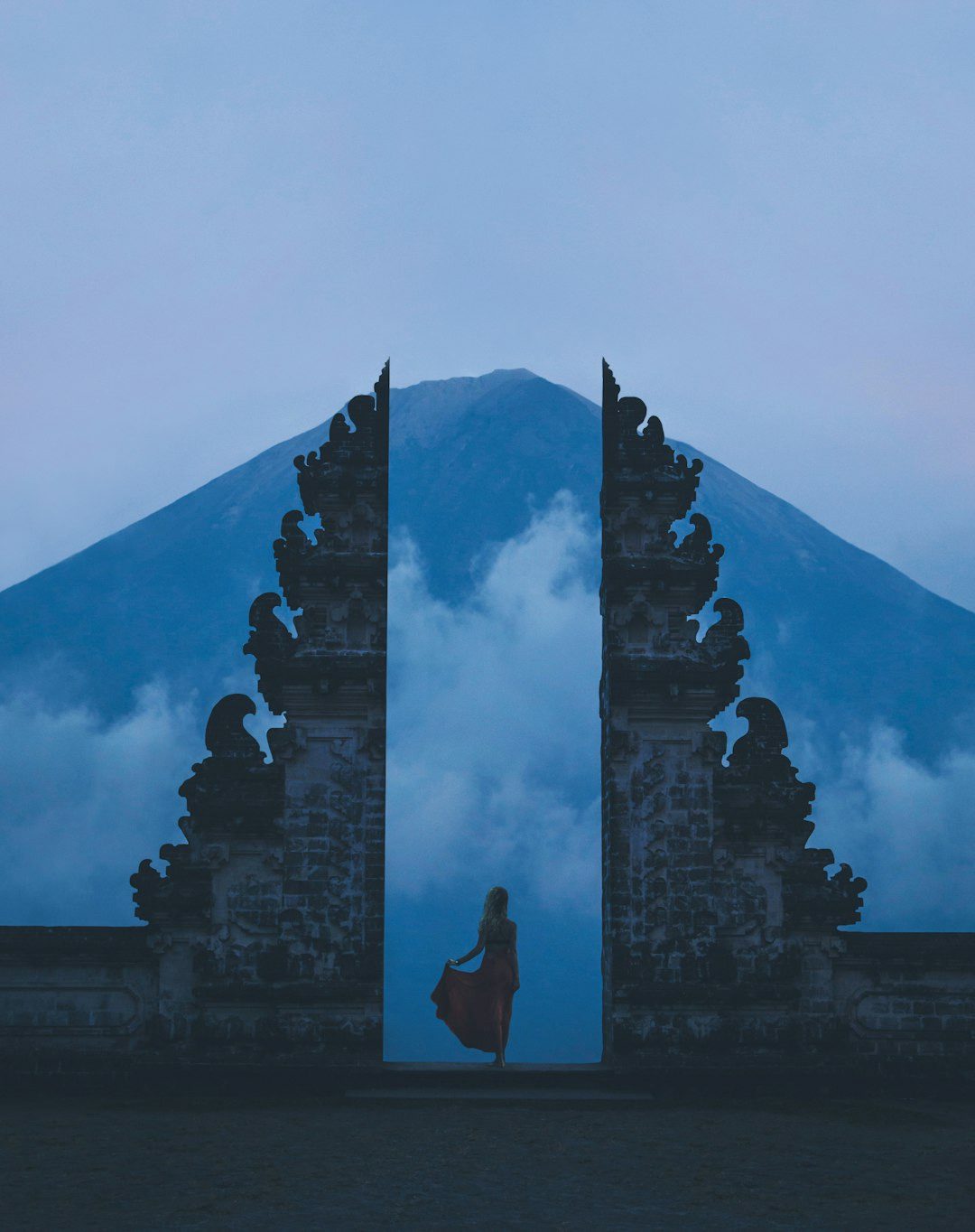
6) Indonesia — Deposit/Investment‑Based Long Stays (Bali Included)

How it works (as framed in your source): A deposit placed with a state‑linked bank—the document cites approx US$129,000—could unlock a multi‑year residence that lets you live in Indonesia (incl. Bali) as desired. The core idea: a set‑and‑hold structure that keeps access as long as funds remain.

What’s changed (official Golden Visa): En 2023–2024, Indonesia formalized a Golden Visa with new thresholds: for non‑founder individual investors not establishing a company, US$350,000 placed in government bonds/public shares/deposits buys 5 years; US$700,000 buys 10 years. Founders who establish companies face higher investment floors (US$2.5m–US$5m). Benefits include simplified long‑stay rights and fewer renewals.

Portfolio fit: Si Bali or Indonesian markets are in your life plan, this is your on‑demand key.


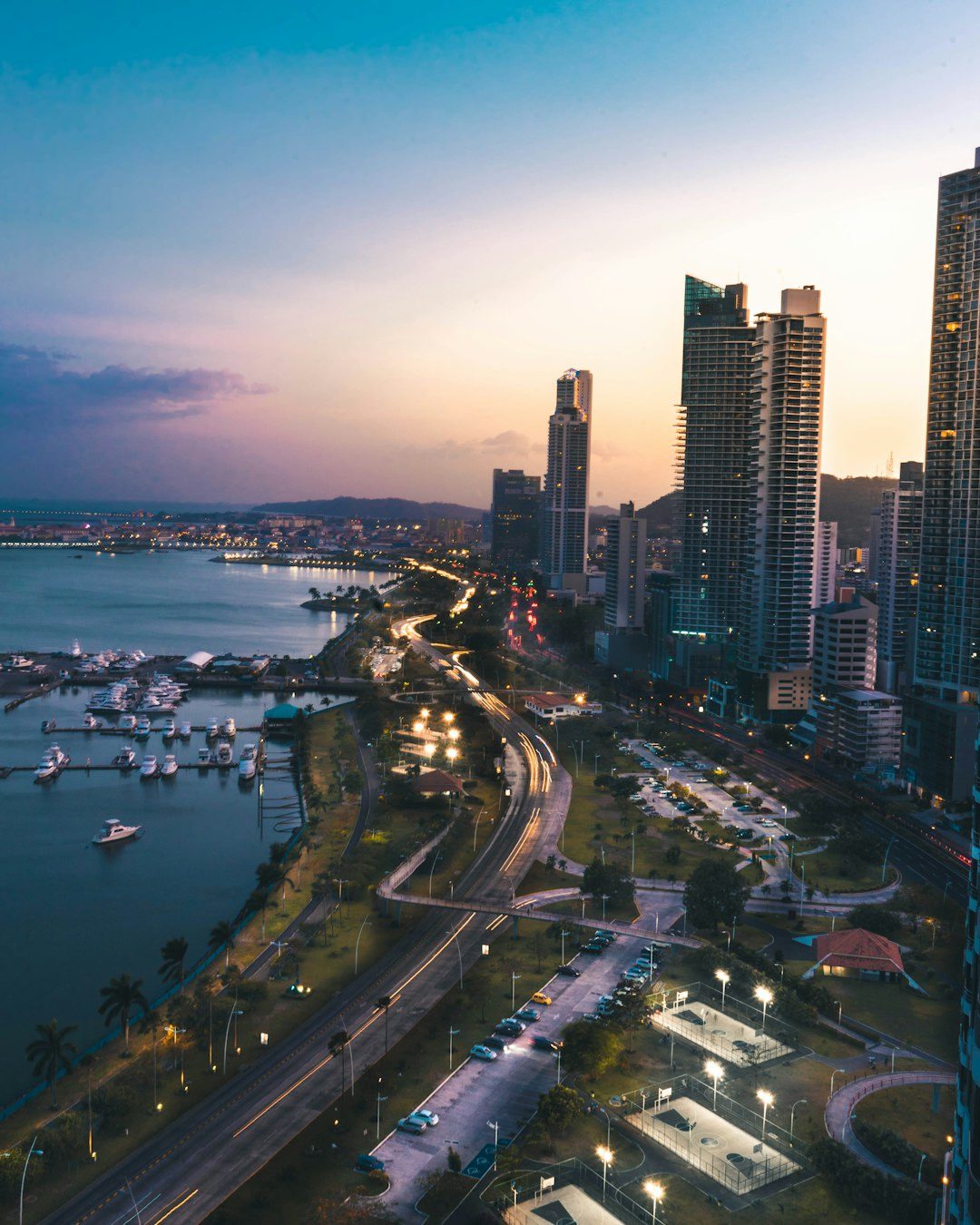
7) Panama — Friendly Nations (Company/Investment) or Deposit/Property

How it works now: En Friendly Nations route (for ~50 nationalities) commonly uses either a US$200,000 property purchase o a US$200,000 fixed‑term bank deposit to obtain a 2‑year provisional residence that can become permanent when you maintain the investment. There are other Panama categories too (e.g., Self‑Economic Solvency at US$300,000 mix of real estate/deposits).

Why it’s back‑pocket friendly: Dollarized economy, good air links, multiple paths to permanence, and a credible on‑ramp to naturalization if you actually reside later. Your original piece highlighted Panama’s flexibility (company route, deposits/property, pensionado) and the ability to “graduate” to permanence.

Portfolio fit: A América Latina anchor that’s pragmatic for entrepreneurs and investors.


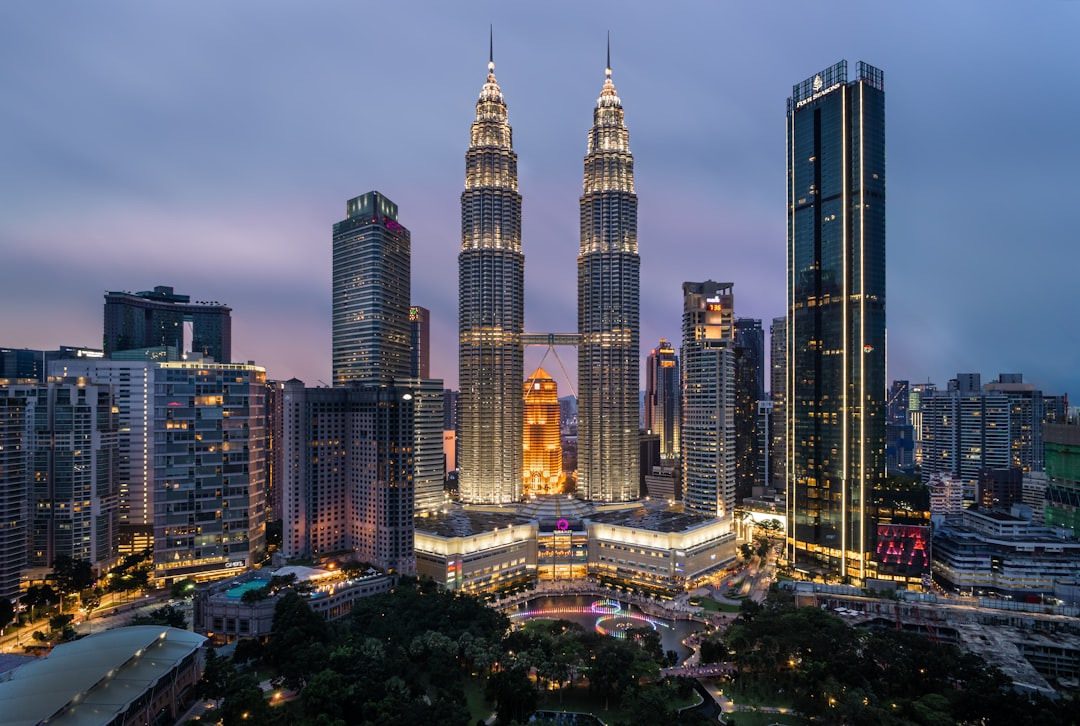
8) Malaysia — PVIP (Premium Visa Programme, 20‑Year Long Stay)

How it works: PVIP is a 20‑year (renewable) long‑term visa that allows participants to live, work, do business, and study in Malaysia with no minimum stay requirement. Core criteria include RM 1,000,000 fixed deposit (with partial withdrawal options after one year, subject to maintaining a floor), offshore income of RM 40,000/month, y un government participation fee (RM 200,000 principal; RM 100,000 per dependent). Dependents may include spouse, children, parents, and even a foreign domestic helper.

Why it’s back‑pocket friendly: Ultra‑light presence (explicitly no minimum stay), very long validity, and broad activity permissions. An elegant way to keep Southeast Asia on permanent standby.

Portfolio fit: A long‑duration Asia option that complements Thailand/Indonesia but with a work‑invest‑study allowance baked‑in.


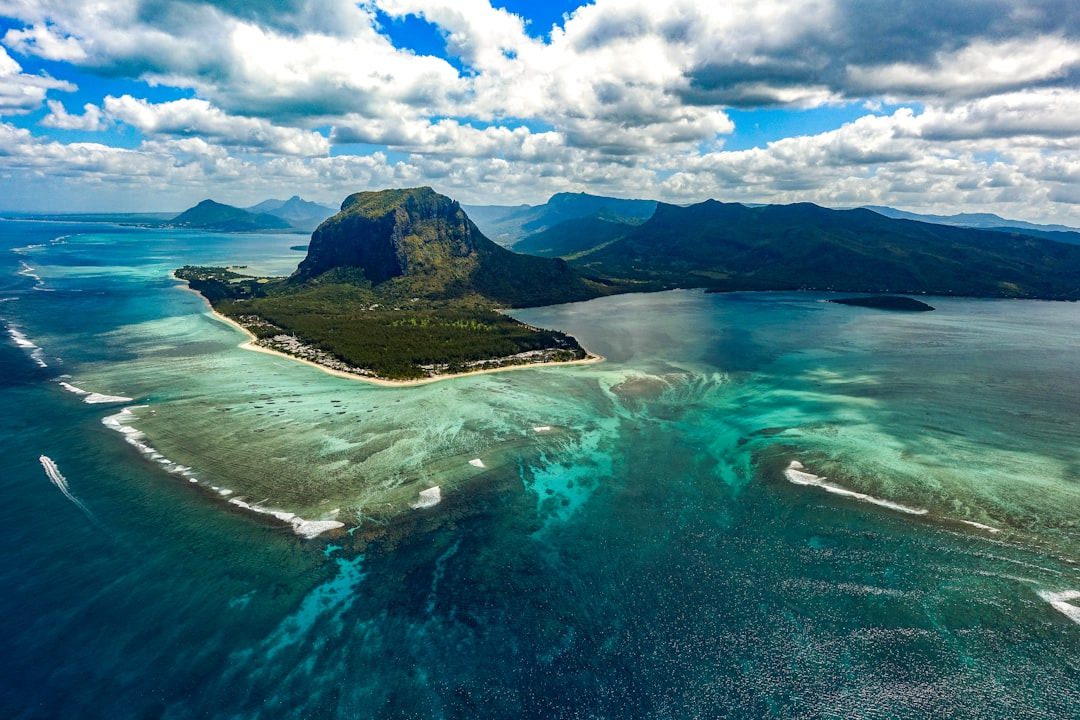
9) Mauritius — Residence by Property Investment (US$375k+)

How it works (official framework): Foreigners who purchase qualifying property under schemes such as IRS/RES/PDS/SCS (or an approved condominium) at ≥ US$375,000 are eligible for a residence permit for as long as they own the property (application via the Economic Development Board).

Why it’s back‑pocket friendly: Once granted, the residency is tied to ownership, not annual presence. You gain a stable, English‑French bilingual base with strong lifestyle and tax appeal, ready for slow seasons or a permanent shift later.

Portfolio fit: A safe‑harbor island in the Indian Ocean—pair it with an EU or Gulf hub for a truly global spread.


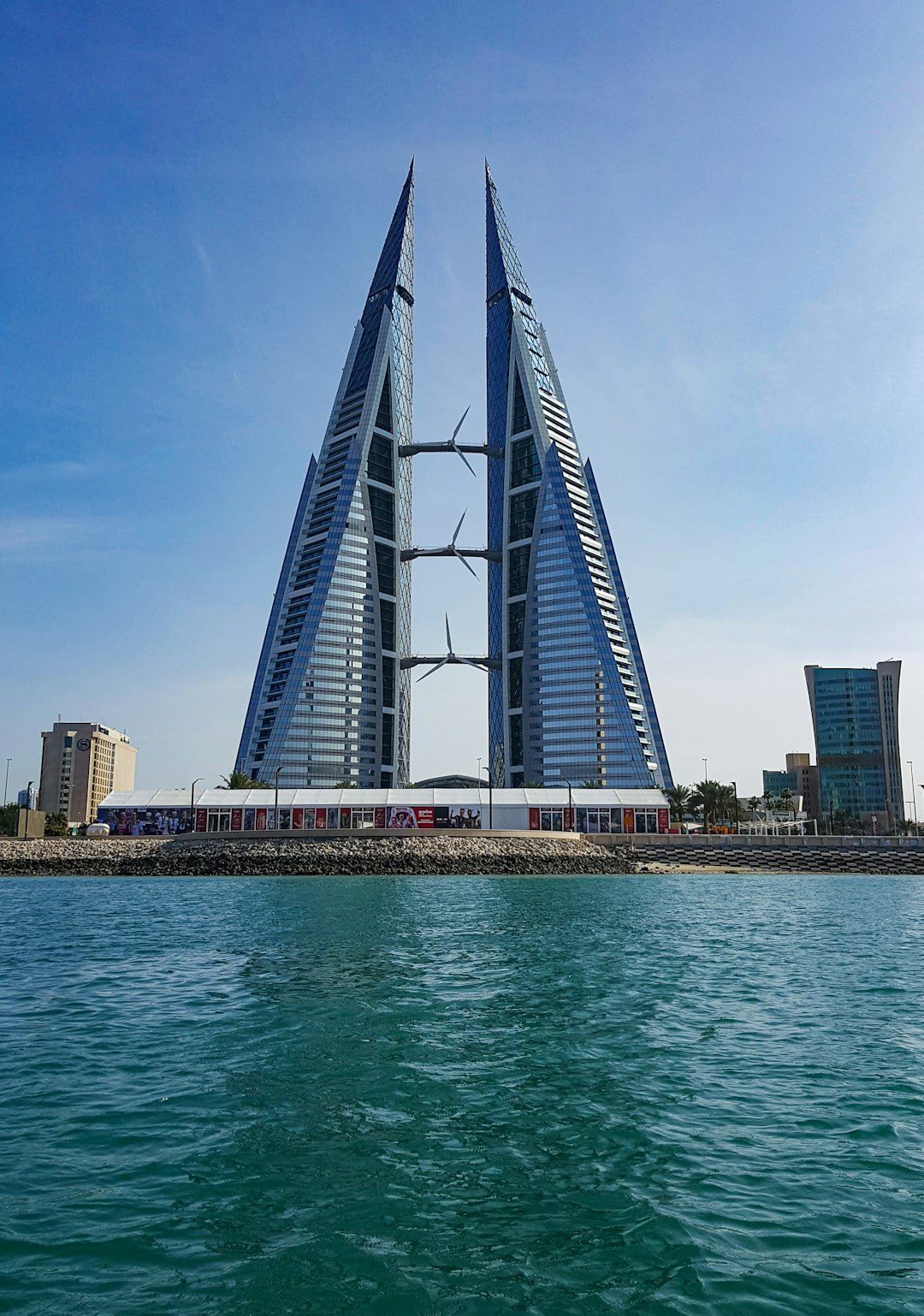
10) Bahrain — Golden Residency (Long‑Term Stay in a Gulf “Small Big” Hub)

How it works: Bahrain’s Golden Residency offers permanent‑style residency (with family inclusion) for profiles such as professionals, retirees, property investors, and high‑talent individuals. Applications and management run through official government portals; criteria include income, property, or other qualifying ties (exact pathways and thresholds are set out within the government’s Golden Residency ecosystem).

Why it’s back‑pocket friendly: A strategically placed, English‑friendly GCC hub that’s often lower‑friction than bigger neighbors yet plugged into the same regional opportunity set. Consider it a companion Gulf card alongside (or instead of) UAE.


Taxes, presence, and “not a trap” reminders

  • Residency ≠ tax residency by default. Unless you meet presence/ties, a back‑pocket card typically doesn’t move your tax home. The U.S. remains the big exception (citizens & green‑card holders taxed on worldwide income).
  • Presence rules differ. Company‑linked visas sometimes require check‑ins (e.g., every 180 days in certain setups). Deposit/property routes generally mean fewer touchpoints. As the original text put it: the more you invest, the more flexibility you buy.
  • Policy moves happen. En Malaysia a Panamá and across Europa, thresholds and categories have shifted in recent years—another reason to lock in the decade‑long or 20‑year cards when the terms make sense.


Snapshot table (indicative; re‑verify before applying)

Country Typical Mechanism Headline Amount (as referenced) Presence/Notes
UAE Bank deposit → 10‑yr Golden Visa AED 2,000,000 (≈US$545k) Low admin; family eligible; strong hub. 3
Portugal €500k fund (post‑real‑estate) €500,000 (fund) Low presence; citizenship path under debate. 45
Thailand Thai Privilege 5‑yr membership THB 650,000 (Bronze) Easiest Asia access; lifestyle perks. 6
México Income/savings (by consulate) e.g., US$4,078/mo o US$67,967 savings (Calexico example) Requirements vary by consulate. 89
Greece Property (tiered) €800k, €400k, o €250k (special cases) Schengen; conversion/restoration routes exist. 10
Indonesia Golden Visa (non‑founder) US$350k (5y) / US$700k (10y) Bali included; earlier deposit pathways exist in practice. 121
Panamá Friendly Nations (property/deposit) US$200k (prop or bank FD) 2y provisional → permanent; dollarized. 14
Malaysia PVIP 20‑year long stay RM 1,000,000 FD + RM 40,000/mo income + fees No minimum stay; can work/do business. 16
Mauritius Property (IRS/RES/PDS/SCS/condo) US$375,000+ Residency valid while you own the asset. 18
Bahréin Golden Residency (various criteria) Income/property criteria per category Government e‑portal process; Gulf alternative. 19

The amounts above are indicative and often category‑specific. Always confirm the current statute and implementing regulations when you’re ready to apply.

Más de esta categoría

Golden Residencies: 10 Back‑Pocket Residence Permits That Buy You Freedom, Time, and Options

Golden Residencies: 10 Back‑Pocket Residence Permits That Buy You Freedom, Time, and Options

Don’t move today—be able to move tomorrow. This expanded guide reworks your original article into a 10‑country portfolio of “back‑pocket” residencies: permits you can secure now, keep on ice, and only use if/when you want lower taxes, calmer living, or a fast exit from local turbulence. We’ve also shuffled the order for a fresher read and folded in three extra countries with up‑to‑date policy notes and official references.

leer más
Golden Residencies: 10 Back‑Pocket Residence Permits That Buy You Freedom, Time, and Options

Golden Residencies: 10 Back‑Pocket Residence Permits That Buy You Freedom, Time, and Options

Don’t move today—be able to move tomorrow. This expanded guide reworks your original article into a 10‑country portfolio of “back‑pocket” residencies: permits you can secure now, keep on ice, and only use if/when you want lower taxes, calmer living, or a fast exit from local turbulence. We’ve also shuffled the order for a fresher read and folded in three extra countries with up‑to‑date policy notes and official references.

leer más
Golden Residencies: 10 Back‑Pocket Residence Permits That Buy You Freedom, Time, and Options

Golden Residencies: 10 Back‑Pocket Residence Permits That Buy You Freedom, Time, and Options

Don’t move today—be able to move tomorrow. This expanded guide reworks your original article into a 10‑country portfolio of “back‑pocket” residencies: permits you can secure now, keep on ice, and only use if/when you want lower taxes, calmer living, or a fast exit from local turbulence. We’ve also shuffled the order for a fresher read and folded in three extra countries with up‑to‑date policy notes and official references.

leer más

Comentarios

Nuestro boletín
Beyond Airbnb

Beyond Airbnb

Beyond Airbnb

The vacation rental landscape has dramatically evolved beyond Airbnb’s dominance. In 2025, numerous alternatives offer better prices, unique features, and specialized services. Vrbo stands as the strongest competitor, focusing exclusively on entire homes perfect for families and groups, while Booking.com has expanded from hotels to include over 28 million listings including apartments and vacation rentals NerdWallet

Top Alternatives to Consider:

Vrbo (Vacation Rentals by Owner) leads as the best overall alternative, featuring over 2 million properties worldwide with a loyalty program called One Key that lets you accumulate points and receive One Key Cash on your first stay. Unlike Airbnb, Vrbo focuses solely on entire properties, making it ideal for families seeking privacy LOCALS Insider

Vacasa takes a different approach as both a booking platform and full-service vacation rental management company, offering over 40,000 professionally managed properties with rigorous inspections and strict cleaning protocols. This ensures consistent quality and local expertise Best Vacation Rental Apps for 2025: From Airbnb to Luxury StayOne Degree

Plum Guide caters to luxury travelers with a curated collection of properties that undergo strict vetting – only accepting the top-tier homes that meet high standards in design, comfort, and experience. Each property is personally vetted by hospitality experts

Budget-Conscious Options:

HomeToGo operates as a search aggregator, comparing over 17 million accommodations from hundreds of providers including Airbnb, Booking.com, and TripAdvisor, virtually guaranteeing the best price for budget travelers 20 Airbnb Alternatives: Best Sites Like Airbnb in 2025

Hipcamp specializes in outdoor accommodations, offering everything from tent camping to glamping venues and RV rentals. Users can earn “Hipcash” through recommendations for future bookings Best Vacation Rental Apps for 2025: From Airbnb to Luxury StayOne Degree

Luxury and Specialty Platforms:

Stay One Degree targets ultra-luxury travel, offering access to the finest 1% of holiday homes globally through a verified community ensuring trust, privacy, and exceptional quality. Their portfolio includes over 4,000 curated homes in 70 countries, vetted through a 300-point quality checklist

Money-Saving Tips:

  • Compare prices across multiple platforms before booking
  • Look for platforms with favorable cancellation policies – Vrbo and Booking.com often offer more flexibility than Airbnb 25 Apps Like Airbnb – Top Airbnb Alternatives for 2025
    • Consider loyalty programs for frequent travelers
    • Book directly through hotel chains for potential upgrades and perks
    • Use aggregators like HomeToGo to ensure you’re getting the best deal

    Platform-Specific Benefits:

    • Booking.com: Often includes free cancellation and “book now, pay later” options
    • Vrbo: Child-inclusive pricing on many properties
    • Vacasa: 24/7 local support and guaranteed quality standards
    • Plum Guide: Exclusive access to unique, high-quality properties

    The key to finding the perfect accommodation in 2025 is diversifying your search beyond Airbnb and matching the platform to your specific needs, whether that’s budget travel, luxury experiences, or family-friendly entire homes.


Más de esta categoría

Golden Residencies: 10 Back‑Pocket Residence Permits That Buy You Freedom, Time, and Options

Golden Residencies: 10 Back‑Pocket Residence Permits That Buy You Freedom, Time, and Options

Don’t move today—be able to move tomorrow. This expanded guide reworks your original article into a 10‑country portfolio of “back‑pocket” residencies: permits you can secure now, keep on ice, and only use if/when you want lower taxes, calmer living, or a fast exit from local turbulence. We’ve also shuffled the order for a fresher read and folded in three extra countries with up‑to‑date policy notes and official references.

leer más
Golden Residencies: 10 Back‑Pocket Residence Permits That Buy You Freedom, Time, and Options

Golden Residencies: 10 Back‑Pocket Residence Permits That Buy You Freedom, Time, and Options

Don’t move today—be able to move tomorrow. This expanded guide reworks your original article into a 10‑country portfolio of “back‑pocket” residencies: permits you can secure now, keep on ice, and only use if/when you want lower taxes, calmer living, or a fast exit from local turbulence. We’ve also shuffled the order for a fresher read and folded in three extra countries with up‑to‑date policy notes and official references.

leer más
Golden Residencies: 10 Back‑Pocket Residence Permits That Buy You Freedom, Time, and Options

Golden Residencies: 10 Back‑Pocket Residence Permits That Buy You Freedom, Time, and Options

Don’t move today—be able to move tomorrow. This expanded guide reworks your original article into a 10‑country portfolio of “back‑pocket” residencies: permits you can secure now, keep on ice, and only use if/when you want lower taxes, calmer living, or a fast exit from local turbulence. We’ve also shuffled the order for a fresher read and folded in three extra countries with up‑to‑date policy notes and official references.

leer más

Comentarios

Nuestro boletín