No Results Found
The page you requested could not be found. Try refining your search, or use the navigation above to locate the post.

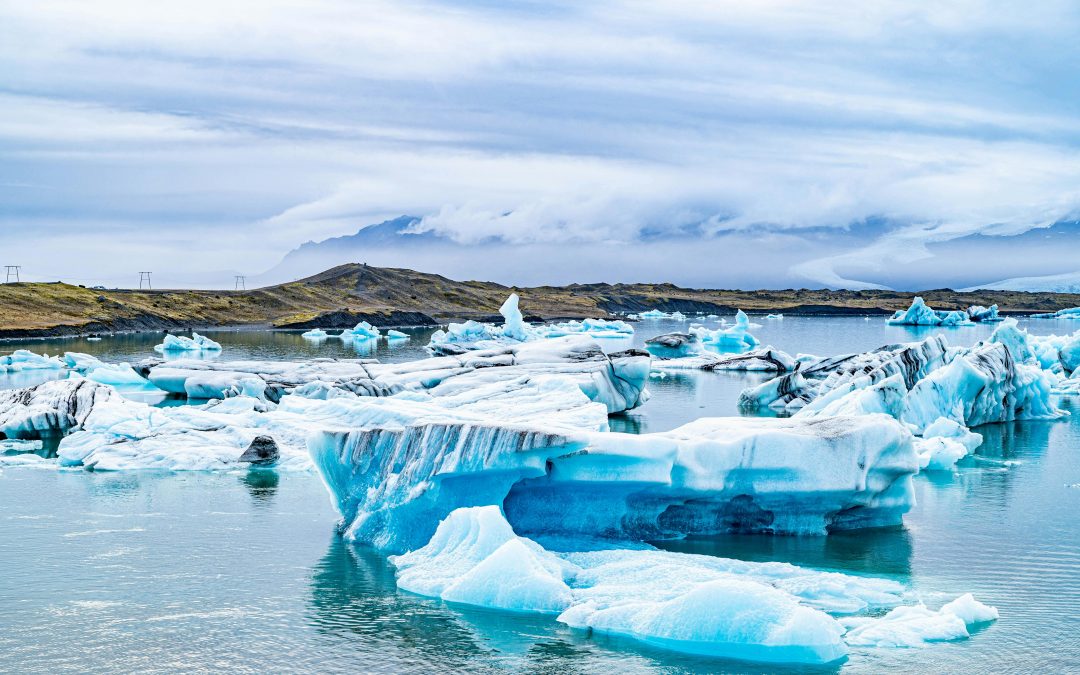
There’s a moment at the Blue Lagoon when the steam parts and the lava field reveals itself—black, lunar, silent except for the wind. In 2025, that silence carries new meaning. This is a spa in the middle of an active volcanic peninsula, protected by new barriers and real‑time gas monitoring, open between eruption events, and still—miraculously—one of the most restorative places on Earth.
Short answer: Yes—open between eruption events and operating under enhanced safety measures, with protective berms, air‑quality sensors, and a clear evacuation protocol coordinated with Iceland’s Civil Protection authority. When seismic activity spikes, closures can occur; when risk falls, the lagoon reopens (often quickly). Air traffic to/from Keflavík has remained normal during the recent 2025 activity. Always check the official status page on the morning of your visit.
Bottom line: It’s different to visit a geothermal spa in an active volcanic system than in a sleepy hot‑spring valley. But Iceland is highly prepared, and the Blue Lagoon has become a case study in safety‑minded operations during an eruption cycle—closing when needed, reopening when safe, and investing in protective infrastructure and monitoring that’s visible on site.
Since 2021, the Reykjanes Peninsula has entered a new multi‑year eruptive phase, with fissure eruptions at Fagradalsfjall (2021–2023) and Sundhnúkur (2023–2025). In 2025, a July eruption triggered short, precautionary closures—including evacuations of Grindavík and the Blue Lagoon—before activity waned and access reopened in mid‑ to late‑July and early August. Civil Protection reduced the response level after the event abated, and local authorities reminded travelers that most of Iceland’s attractions and infrastructure are unaffected.
Travel takeaway: In this new normal, your Iceland trip is not an all‑or‑nothing gamble. It’s a plan‑flexibility exercise: book the Blue Lagoon with free changes, build an alternative spa plan (see §7), and keep one eye on official updates.
The lagoon sits beside the Svartsengi geothermal plant, which feeds its silica‑rich, milky‑blue waters. Since late‑2023, a suite of measures has been installed or reinforced:
Meanwhile, the experience remains itself: 1.6 million gallons (replenished roughly every two days) of warm, mineral‑rich water; on‑water mask bars; saunas and steam rooms; and, for Retreat guests, private lagoons and a subterranean spa with the ritual of silica, algae, and mineral salt. For spa escapists, this is a bucket‑list soak—even more potent when it’s snowing or sleeting and you’re submerged in blue heat.
The flip side of the eruption cycle is unpredictability—but Iceland’s hospitality sector has adapted: the lagoon has closed and reopened several times since late‑2023; hotels run shuttles when parking is offline; and communications arrive promptly by email/SMS if schedules shift. Media coverage through 2024 documented how lava impacted the car park, with on‑the‑ground shuttles used while protective works continued—a reminder to choose flexible bookings and backup spa plans.
Pro tip: If your flight lands early at Keflavík (KEF), drop your bags and book the lagoon as a jet‑lag reset before heading into Reykjavík. If you’re on a late flight out, flip the logic: end your trip in the water, then go blissed‑out to the airport. (Always check same‑day operational status.)
The Blue Lagoon sells timed entries and several tiers (from basic comfort to premium bundles with robes, drinks, and dining). Because eruption‑related closures can pop up, choose:
How far in advance? In peak seasons and holidays, book weeks out for prime slots. For shoulder seasons, days to a week can suffice—unless you want Retreat Spa treatment times, which sell out earlier. Blue Lagoon’s own status page will influence your timing—if an eruption just ended and reopening has been announced, day‑one slots can go fast.
Payment & vouchers: Buy direct for the clearest change/cancel rules. If purchasing via a third‑party voucher, read the fine print about date changes should Civil Protection raise alert levels. (In July 2025, some bookings were paused and then rescheduled as access reopened.)
Sky Lagoon (Kópavogur): 15 minutes from central Reykjavík, with an infinity‑edge view of Faxaflói Bay. As Matador Network noted during a Blue Lagoon closure period in 2024, Sky Lagoon is not exposed to the same eruption zone and is a reliable stand‑in if Blue Lagoon is temporarily shut. Book the Seven‑step Ritual for a hot/cold/steam flow.
Secret Lagoon (Flúðir): Iceland’s oldest public pool (1891) in a rural setting ~1.5–2 hours from Reykjavík—rustic, atmospheric, and a natural‑pool vibe. Especially good if your Golden Circle day runs long and you want a final soak where steam vents puff along the edges.
Local pools: Don’t overlook municipal hot‑water culture—Laugardalslaug in Reykjavík, or smaller neighborhood pools with hot pots and steam rooms. If the peninsula acts up, Iceland’s pool network keeps your spa day on track.
Exact prices adjust by slot and season; the official site shows live pricing for Comfort, Premium, and Retreat experiences. To keep costs in check:
Sky Lagoon: Book Pure or Sky passes. The Seven‑step ritual (cold plunge, sauna with ocean view window, cold mist, etc.) delivers a strong thermal cycle. Pros: close to Reykjavík, stunning bay views, reliable access during Reykjanes spikes. Cons: not the same milky silica—this is a different aesthetic.
Secret Lagoon (Flúðir): Rural, old‑school. Pros: relaxed and authentic; works beautifully after Golden Circle sightseeing. Cons: farther drive; fewer amenities than Blue Lagoon/Retreat.
Fontana (Laugarvatn) and Krauma (Borgarfjörður) can also sub in depending on your route: geothermal steam baths, hot/cold pools, and minimalist Nordic designs—a broader hot‑spring culture that thrives even if Reykjanes is temporarily tense.
Is the Blue Lagoon open in 2025?
Yes—between eruption events the lagoon operates with reinforced safety (protective berms, gas sensors, evacuation plan). Always check the lagoon’s Seismic Activity page the morning of your visit for the latest, because closures and reopenings can occur quickly as Civil Protection phases change.
Are flights disrupted by the eruptions?
As of July–August 2025, the Government of Iceland reports normal air traffic during localized Reykjanes eruptions; evacuations happen near the fissures, not across the country. Travelers with respiratory conditions should monitor air‑quality advisories.
What happened in July–August 2025?
An eruption began July 16 at the Sundhnúkur crater row; precautionary evacuations included Grindavík and the Blue Lagoon. As activity waned, authorities reopened access (Blue Lagoon included) and downgraded the alert. The eruption ended Aug 5, 2025.
How can I minimize the chance of a last‑minute cancellation?
Book flexible tickets, choose off‑peak slots (which are easier to move), and maintain a backup spa booking at Sky Lagoon or Secret Lagoon. Check Blue Lagoon and Visit Reykjanes updates 48–12 hours before your slot.
Is the water the same as before?
Yes—the lagoon is fed by the Svartsengi geothermal plant, rich in silica and minerals. The milky‑blue color and skin‑softening feel are the same, though you should treat hair with conditioner and rinse jewelry separately (standard Blue Lagoon advice).
What should I do if the lagoon closes on my day?
Expect an email/SMS with options. Rebook to a later slot or pivot to Sky Lagoon near Reykjavík. If you’ve booked Retreat lodging, the hotel will coordinate alternatives or rebookings.
If anything, the Reykjanes era has made the Blue Lagoon feel more Icelandic—not less. You feel the planet breathing here: steam hissing out of rock, wind shifting clouds, safety lines painted on black lava, staff radios crackling with air‑quality updates. Iceland never promised a static, theme‑park geothermal dip; it offers a living geology lesson that is also, improbably, one of the world’s best spa experiences. The silica still coats your skin like moon dust; the sauna window still frames clouds racing across the peninsula; the Northern Lights still—on some gifts of a night—unfurl above the steam.
Go with respect for the land and the people who steward it. Read the status page. Show up on time. Follow instructions if the wind turns or gas drifts. And then—sink under the blue, let the heat and minerals do their work, and remember that in 2025, to soak here is to live inside a geology story that’s still being written.

The page you requested could not be found. Try refining your search, or use the navigation above to locate the post.
The page you requested could not be found. Try refining your search, or use the navigation above to locate the post.
The page you requested could not be found. Try refining your search, or use the navigation above to locate the post.
Our Newsletter

Using public transportation with children while traveling isn’t just about saving money – it’s about transforming mundane transport into an integral part of the adventure that creates lasting memories and teaches invaluable life skills.
Why Public Transit Excites Kids:
Children see public transportation completely differently than adults. What we consider routine, they experience as adventure. The document emphasizes that for kids, buses, trains, and trams aren’t mere transportation – they’re exciting experiences offering window views, people watching, and the thrill of movement through new cities.
Making Transit Fun and Educational:
The Adventure Narrative: Frame each journey as a quest. “We’re taking the underground dragon (subway) to the castle (museum)!” Children engage more when transportation has story elements.
Window Seat Strategy: Always aim for window seats. Kids can spot landmarks, count red cars, or play “I Spy” with passing scenes. This keeps them engaged and prevents boredom.
Transportation Bingo: Create cards with items to spot: blue buses, dogs, tall buildings, bridges. First to complete a line wins a small prize.
Map Masters: Give older children their own transit maps. Let them track routes, count stops, and announce arrivals. This builds geography skills and ownership of the journey.
Safety Essentials:
Contact Information: Use arm bracelets with contact information, or write phone numbers on arms with permanent marker. Thick hair bands work as improvised contact bracelets
Children see public transportation completely differently than adults. What we consider routine, they experience as adventure. The document emphasizes that for kids, buses, trains, and trams aren’t mere transportation – they’re exciting experiences offering window views, people watching, and the thrill of movement through new cities.
Children see public transportation completely differently than adults. What we consider routine, they experience as adventure. The document emphasizes that for kids, buses, trains, and trams aren’t mere transportation – they’re exciting experiences offering window views, people watching, and the thrill of movement through new cities.
Children see public transportation completely differently than adults. What we consider routine, they experience as adventure. The document emphasizes that for kids, buses, trains, and trams aren’t mere transportation – they’re exciting experiences offering window views, people watching, and the thrill of movement through new cities.
Our Newsletter
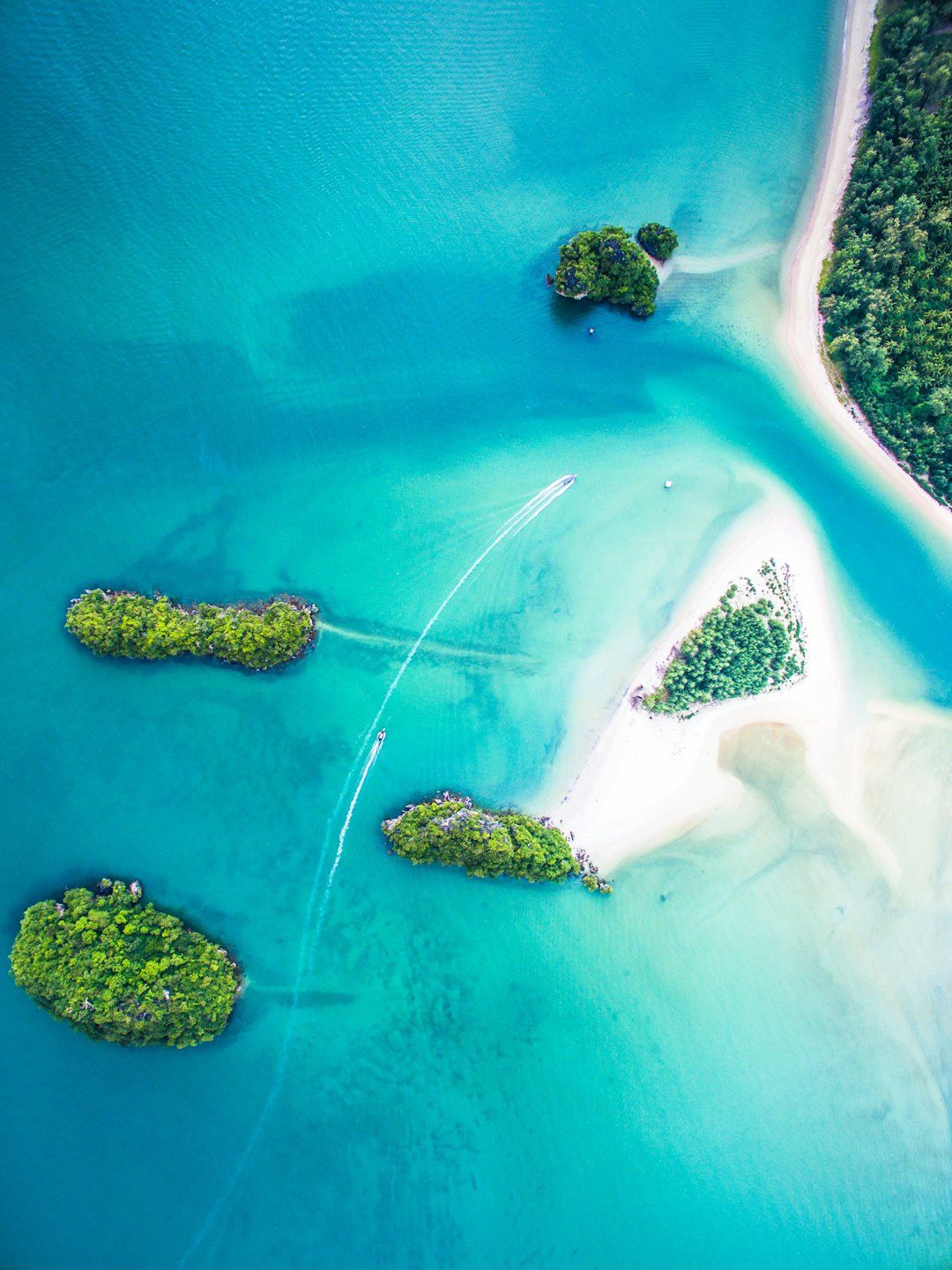
Picture the Caribbean and your mind probably goes straight to marquee names: the mega‑resorts, celebrity beach clubs, and streets that swell with cruise‑day crowds. It’s a glorious hemisphere of sun and sea — but here’s the secret every seasoned island‑hopper learns: the most transforming trips in the Caribbean often happen just beyond the headlines.
On the map, that might be a small cay where fishermen still haul hand‑lines at dawn and a single seaside bar hums till the moon is high. Or a rainforest island where rivers run hot and cold, where the mountain breathes through vents and the sea fizzes like champagne. Or a French‑flavoured archipelago where rhum agricole perfumes the air, hiking trails climb volcanic spines, and market ladies sell pâtés and bokit with a wink.
This guide lays out five under‑the‑radar alternatives to the region’s biggest names — plus smart pairing ideas to help you make a twin‑centre trip sing, and grounded ways to travel lighter, support local livelihoods, and find pockets of quiet meaning along the way. Think of it as your blueprint for a Caribbean that’s richer in story, wilder in spirit, and calmer by design.
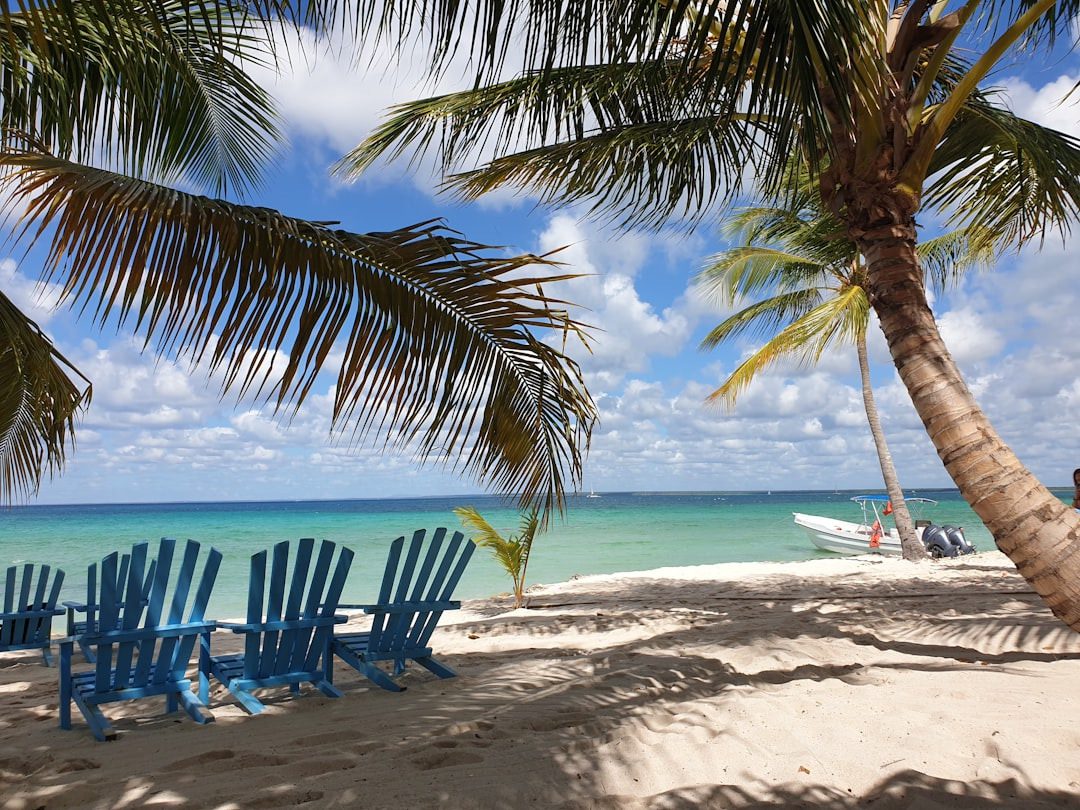
Swap the mega‑all‑inclusive for: a slow‑island chain where boats are buses and the beaches often whisper back
Thirty‑two islands, and most of them dots — that’s the poetry of St Vincent & the Grenadines. From the main island’s green, rumpled interior to the Grenadine outliers that barely interrupt the blue, the whole country is a string of exhale moments.
Why it works for crowd‑free escape:
Moments that matter: At dusk on Princess Margaret Beach (Bequia), the sea turns glass‑blue and thoughts get soft around the edges. Bring nothing but time — let it spool.
Twin‑centre idea: Fly into Barbados, decompress for a night or two, then hop to St Vincent and ferry down the chain. On the return, break your journey again in Barbados for a final market meal and a last swim.
Travel gently: Choose reef‑safe sunscreen, avoid anchoring on coral if you charter, carry a reusable bottle, and buy direct from local fruit and snack shacks around the harbours.
Swap iconic, crowded mountain‑meets‑sea vistas for: a rainforest republic of rivers, hot springs, and volcanic marvels
Dominica is what you get when you ask for “the wilder version” of the Caribbean. It’s a place where rainforest rules, rivers count in the hundreds, and hikes can feel like rituals. The island’s national parks are threaded with gorges, waterfalls, fumaroles and the kind of trails that unspool both lactic acid and old stresses.
Don’t‑miss landscapes:
A soulful day: Rise before sunup and take the Troy–Windsor trail edges where vines drape like prayer flags and morning birdsong fills the folds of the hills. End at a hot spring; count that steam as benediction.
Twin‑centre idea: Pair St Lucia (for a quick gateway and a splash of dining) with Dominica (for the deep nature fix). Or twin with Guadeloupe, sharing a French Caribbean thread, ferries, and hiking DNA.
Travel gently: Hire certified local guides for Boiling Lake; stick to marked paths to protect fragile ground covers; soak, don’t soap, in wild pools.
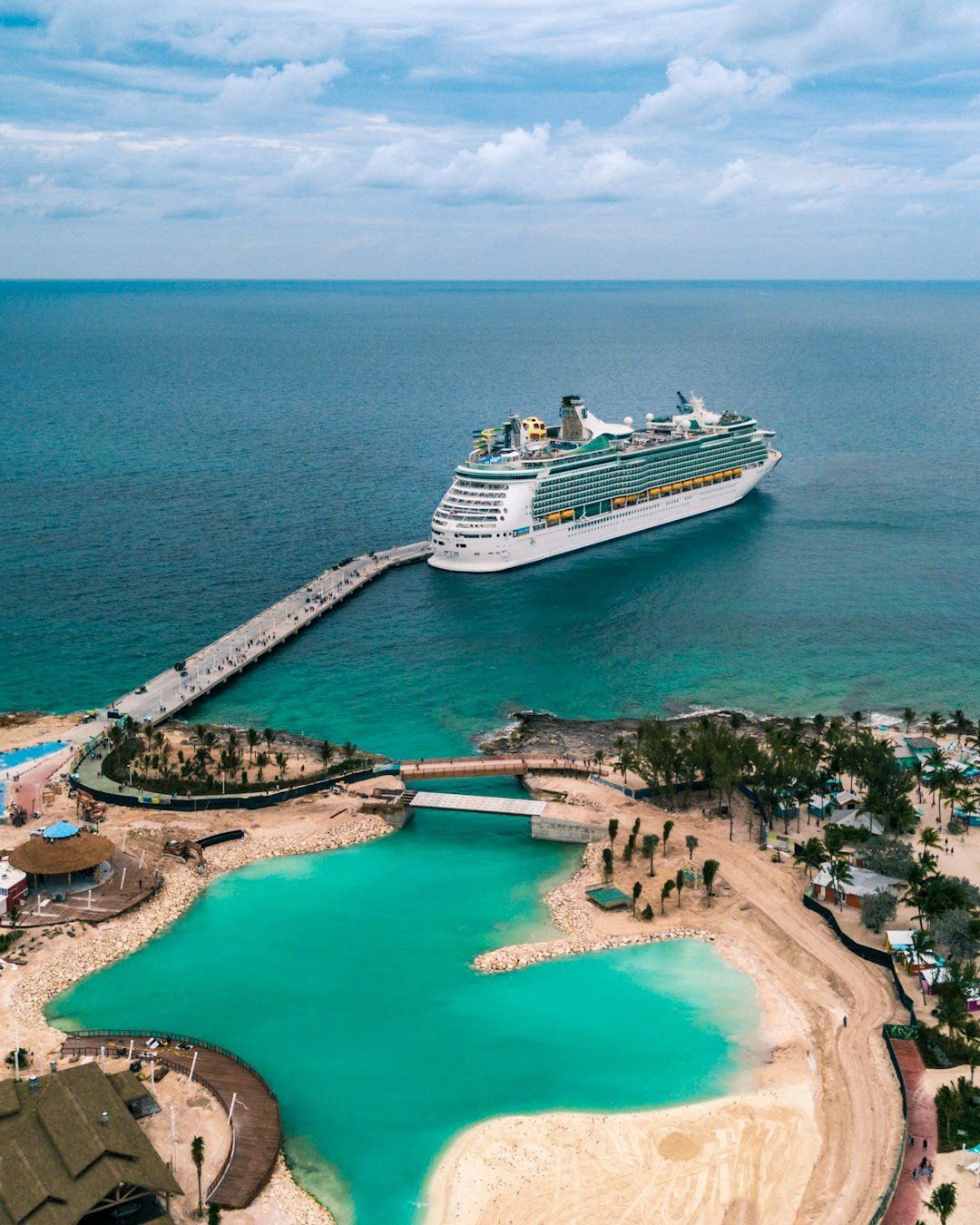
Swap the Bahamas’ flat blues for: dramatic volcanic silhouettes, Creole kitchens, and rhum culture
If the Caribbean had a Francophile alter ego, it’s this quartet. Guadeloupe fans out like a butterfly: one wing mountainous and moody with La Soufrière, the other gentler and laced with mangroves. Offshore, Pigeon Island (Cousteau Reserve) drops you into waters teeming with turtles and coral gardens. Over in Martinique, the beaches are auditions for movie scenes (hello, Grand Anse des Salines), while the north’s jungly trails stitch together spice and sea views.
Why they shine:
Twin‑centre idea: Split a week between Guadeloupe (hike + dive) and Martinique (beach + rhum trail), with a cheeky side jaunt to St Barts for a day of glossy‑sand glamour.
Travel gently: Eat what’s local and in season; pack a fabric shopping sac for market days; use official moorings when boating around reserves.
Swap big, polished resort strips for: spice‑scented hills, cacao estates, and community‑rooted kitchens
Grenada leans into abundance: nutmeg, mace, cinnamon, cocoa — scents that seem woven into the breeze. Streets stack pastel houses above harbours shaped like a horseshoe, and beaches arc white‑gold under waving palms. But what seduces repeat travellers is the everyday intimacy: open‑air markets, Friday‑night fish fries, and a national dish so comforting it practically hums — oil down.
What to savour:
Underrated art: Grenada’s kitchens. From garden‑to‑glass cocktails to lionfish ceviche (eat the invader; help the reef), this is cuisine with a conscience.
Twin‑centre idea: Pair with Carriacou (Grenada’s sister isle) for laid‑back village life and sailing skiffs on aquamarine. Or jump via regional flights to Barbados for contrast and convenient long‑haul links.
Travel gently: Consider a cooking class that uses invasive lionfish; it’s delicious and good stewardship. Buy spices in refillable tins you’ll actually reuse.
Swap one‑note beach breaks for: a multicultural mosaic, bird‑bright wetlands, and music you can’t stand still to
A stone’s throw from South America, Trinidad & Tobago is a confluence of African, Indian, European and Latin influences — you taste it in the food, hear it in soca and calypso, and see it in festivals that run on pageantry and pride. On Trinidad, capital Port of Spain swings from historic villas to lively food stalls; wetlands like Caroni Swamp glow at dusk when scarlet ibis pinprick the mangroves red. Over on Tobago, the pace drops another notch: nylon pool swims, fisherman lunches, and an interior stitched with rainforest trails.
Eat your education: Doubles (curried chickpeas in baras) for breakfast, curry crab and dumpling by the beach, aloo pie in hand between street music sets. The islands’ culinary chorus is the trip.
Twin‑centre idea: Carnival curious? Do Trinidad pre‑Lent for mas and music, then Tobago to recover — hammocks and glass‑flat sea. Birders can flip it: Tobago’s quiet first, Trinidad’s wetlands and city energy after.
Travel gently: Book ethical wildlife tours; skip plastics; wear lightweight long sleeves at dusk to limit bug sprays near mangroves.
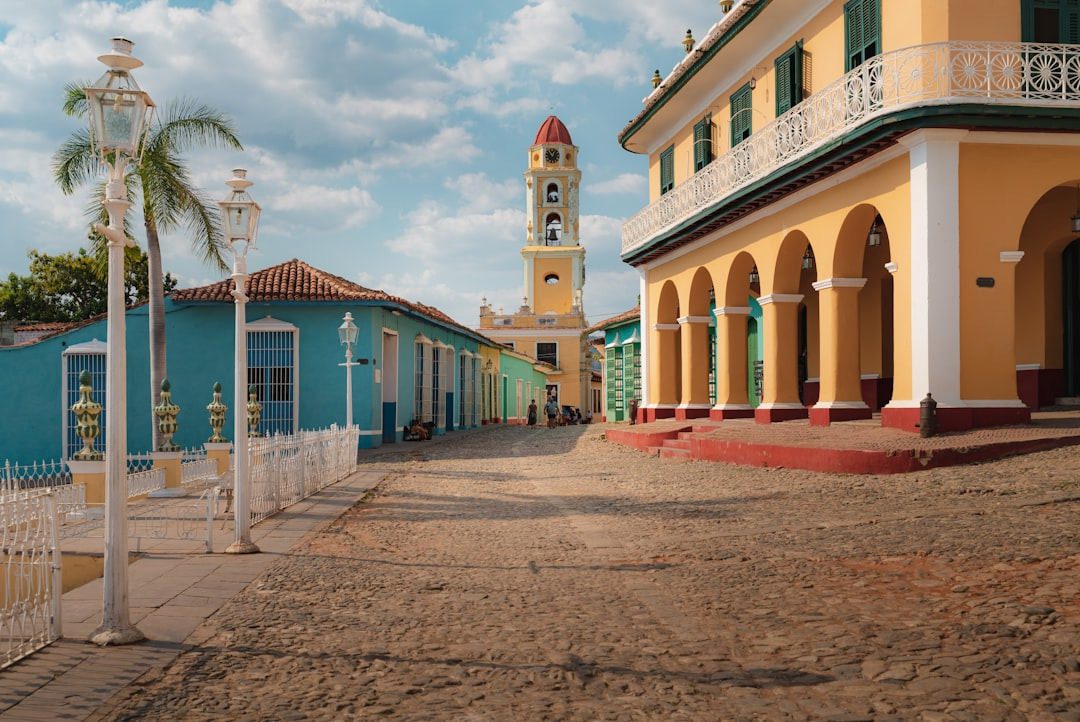
1) Anchor & orbit. Pick one island as your “anchor” (reliable flights, broader accommodation choice), then “orbit” to a smaller isle for 3–4 nights. Examples: Barbados → St Vincent & the Grenadines, Guadeloupe → Dominica, Trinidad → Tobago.
2) Make transport part of the joy. Ferries in the Grenadines, puddle‑jumpers in the French Antilles — choose at least one sea or small‑plane transfer; you’ll feel the geography in your bones.
3) Keep packing modular. A 35–40L soft duffel with packing cubes, quick‑dry layers, reef‑safe sunscreen, light rain shell, sandals + trail shoes. That’s it. Your body will thank you every transfer day.
4) Travel in shoulder months. You’ll dodge peak surges and likely meet more locals than visitors. Book flexible rates; watch the forecast; embrace the odd tropical downpour as an excuse to linger over lunch.
Days 1–2: Barbados (decompress & dine). Land, beach walk, market lunch; sunset sail if you must scratch the postcard itch.
Days 3–7: St Vincent & the Grenadines (island‑chain living). Base on Bequia; day‑sail to Mayreau & Tobago Cays; long swims; rum shop chats; a hike above Port Elizabeth for the harbour view.
Days 8–12: Dominica (earth & steam). Fly via a regional hub; settle in the rainforest. One big hike (Boiling Lake for the fit), one soft day (Emerald Pool + Trafalgar), one coastal snorkel (Champagne Reef), and a hot‑spring lullaby.
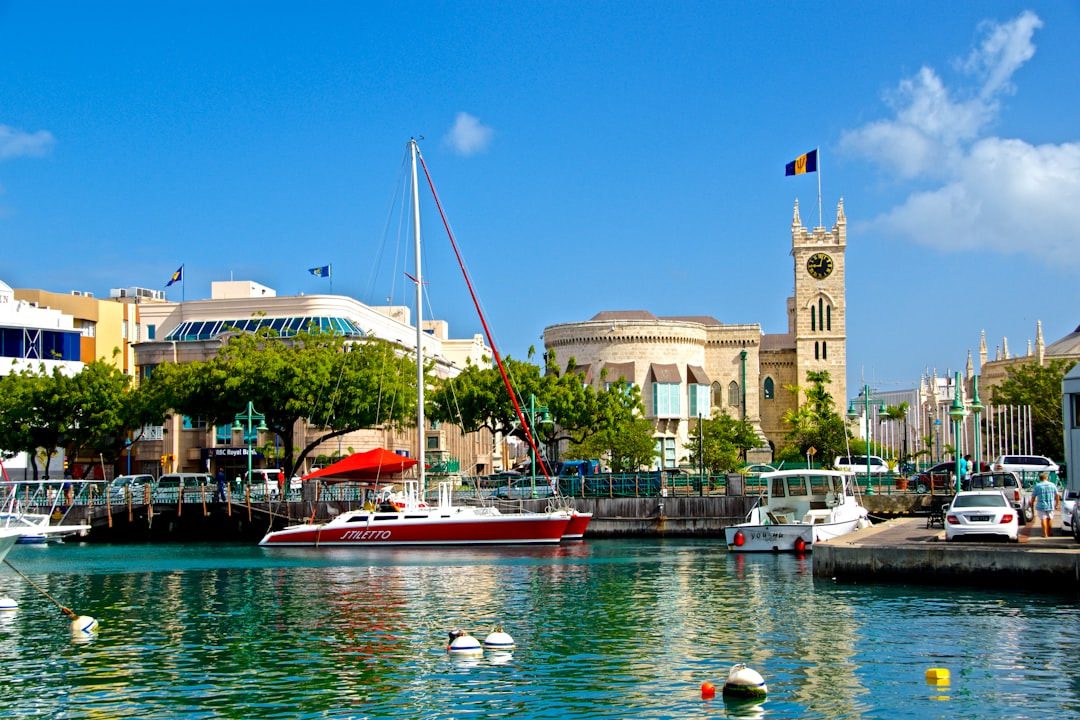
It’s the pause between waves when the sea is almost breathing with you. It’s the face‑to‑face exchange in a language of smiles, gestures, and the shared grammar of food. It’s the hush that falls under cathedral trees, and the warm shock of a river you didn’t know your shoulders needed. The under‑the‑radar Caribbean doesn’t shout; it invites. Show up curious and light‑footed, and it will meet you in the middle
Children see public transportation completely differently than adults. What we consider routine, they experience as adventure. The document emphasizes that for kids, buses, trains, and trams aren’t mere transportation – they’re exciting experiences offering window views, people watching, and the thrill of movement through new cities.
Children see public transportation completely differently than adults. What we consider routine, they experience as adventure. The document emphasizes that for kids, buses, trains, and trams aren’t mere transportation – they’re exciting experiences offering window views, people watching, and the thrill of movement through new cities.
Children see public transportation completely differently than adults. What we consider routine, they experience as adventure. The document emphasizes that for kids, buses, trains, and trams aren’t mere transportation – they’re exciting experiences offering window views, people watching, and the thrill of movement through new cities.
Our Newsletter
So many travellers arrive in the Caribbean for the sea and leave talking about the living world they met along the way. The hush of a rainforest that opens like a chapel. A dusk sky stippled in red as ibises settle to roost. The slow blink of an iguana, older than the limestone it lounges on. These encounters don’t shout; they recalibrate—how we pay attention, how we move through nature, how we carry responsibility home.
This guide brings you to six emblematic species—and the islands where your chances of seeing them (respectfully) are good. It pairs on‑the‑ground know‑how with a simple ethic: take nothing but photos (taken at a distance), leave nothing but lightened shoulders and a tiny donation for the people safeguarding these places.
The six “stars” you’ll meet:
Source & alignment: Species, locations and on‑island pointers are inspired by the National Geographic Traveller — Caribbean Collection 2025 you shared, particularly the “Rare Residents” feature (pp. 16–19). I’ve re‑worked the material into a fresh, long‑form guide with added ethics, logistics and reflective moments.
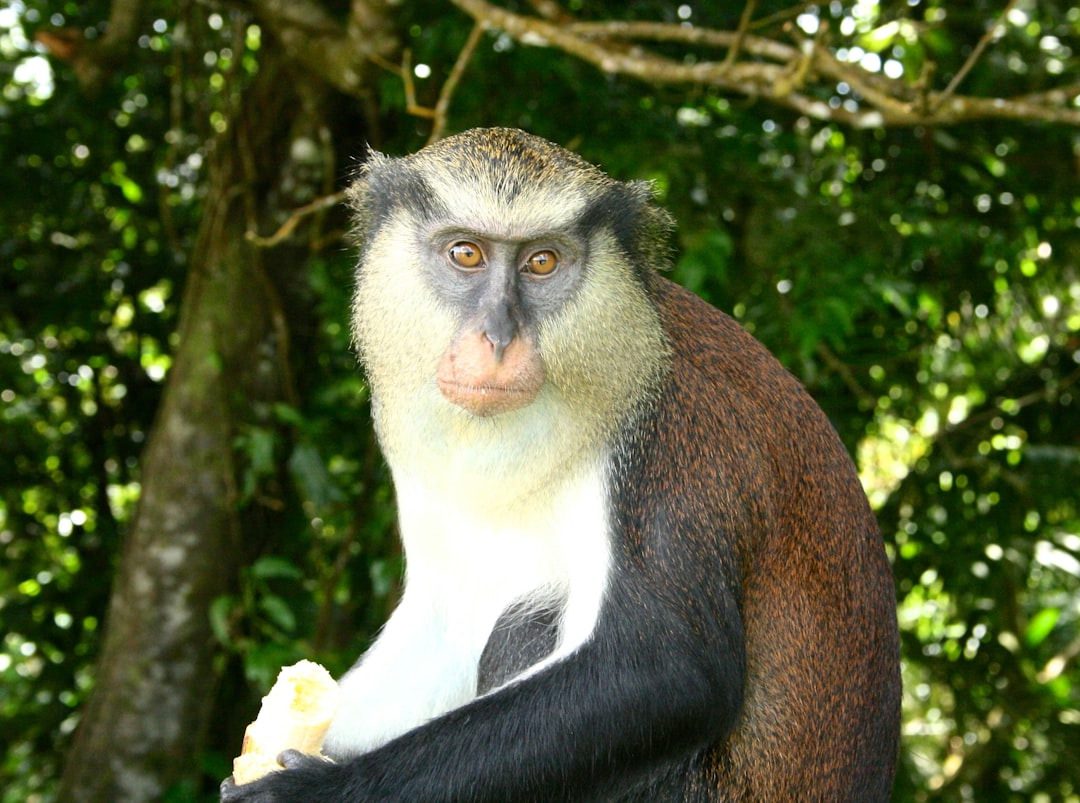
Where: Grand Etang National Park & Forest Reserve, Grenada’s lush interior, a 3,000‑acre mass of montane forest wrapped around a volcanic crater lake.
Who: The mona monkey (Cercopithecus mona)—West Africa’s traveller turned islander, probably arriving via 18th‑century ships. Expressive faces, white beards, and a vocabulary that will make you look up from the trail.
How to meet them well
Start early (pre‑9am) when the forest is still cool. Follow designated trails that skirt Grand Etang Lake and fan out towards waterfalls. Guides will tune your ear to the “booms” and branch‑rustle that reveal a troop. Monas are opportunistic; snacks on show teach bad habits and harm troops. Keep food zipped away; let curiosity—not calories—draw them near.
Quiet moment: Stand under the canopy and watch beams of light stack the understory like organ pipes. If a troop passes, notice how your breathing slows to their rhythm—curiosity first, then acceptance.
Practical: Light rain layer, grippy soles, insect protection (long sleeves help), no feeding. Park entry is modest; consider tipping your guide and supporting local conservation volunteers.
Bonus: Grenada is “spice island.” Wrap your forest morning with a cacao or nutmeg visit—a sensory bridge between people and place.
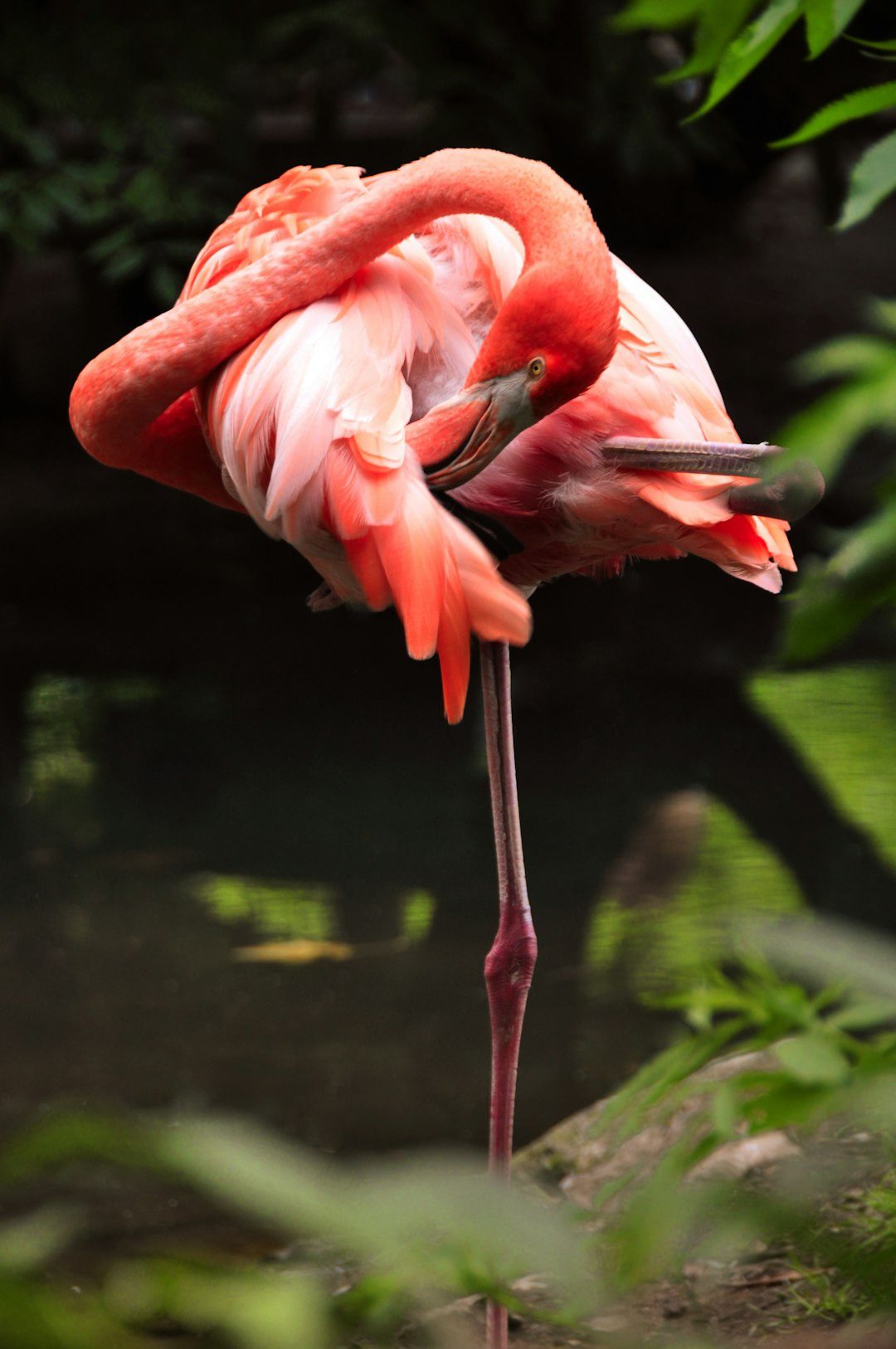
Where: Washington Slagbaai National Park, Bonaire. The park occupies a hefty slice of the island’s northwest—rocky coves, dusty tracks, and salinas (salt ponds) like Gotomeer, where flamingos feed.
Who: The American flamingo (Phoenicopterus ruber), among the largest and brightest of their kin. Their colour comes from carotenoid‑rich diets—tiny crustaceans and algae.
How to meet them well
Arrive mid‑morning as birds wade and sieve the shallows. Bring binoculars; keep to roadsides and viewing points to avoid flushing the flock (watch for heads raised in unison—that’s your cue to back off). Flamingos often work in small gaggles; the choreography is half the joy.
Quiet moment: Stand downwind and listen. Beyond the distant squawks is the soft ticking of shore life—fiddler crabs, wind through saline grasses, a sun that seems to hum.
Practical: Park passes are purchased before entry; road loops can be rugged—high‑clearance vehicle recommended. The sea here can run rough; swim at marked coves on calm days only.
Bonus: Bonaire is shore‑diving heaven. Add a mask‑and‑fins afternoon: turtle grass, schools of blue tang, and—if the sea’s friendly—parrotfish sculpting tomorrow’s beaches, grain by grain.
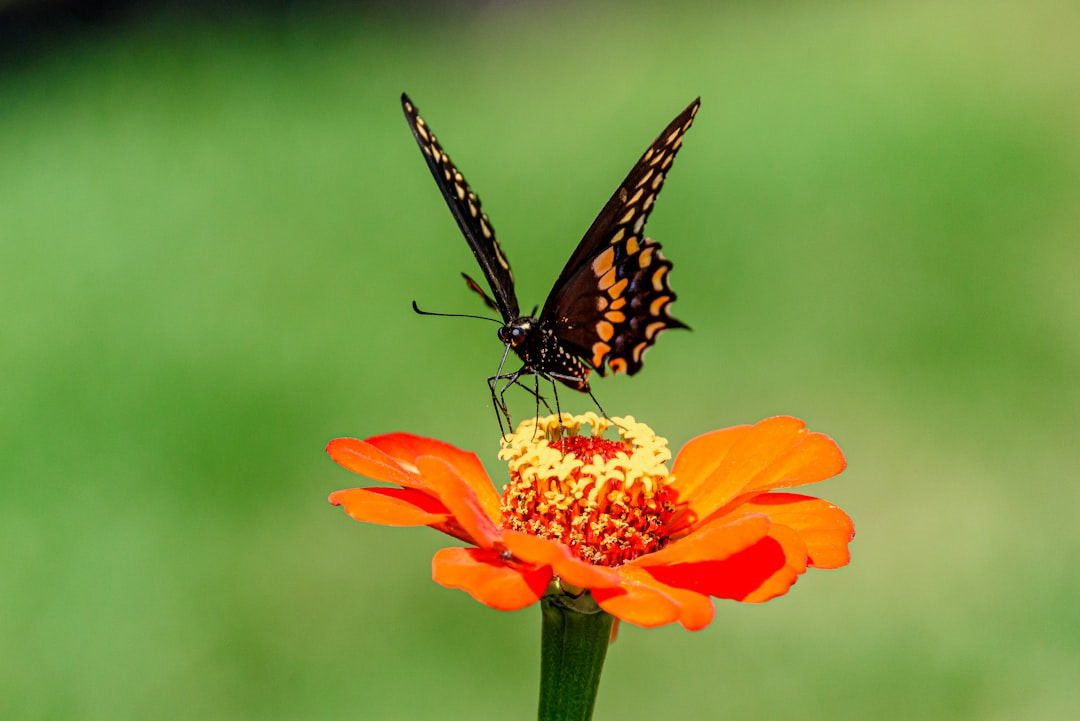
Where: Cockpit Country—karst hills and deep, hidden valleys in north‑west Jamaica; also around Windsor estates and trails where forest edge meets limestone.
Who: The Jamaican/Homerus giant swallowtail (Papilio homerus)—one of the largest butterflies in the Americas. Yellow and black with touches of orange; wingspans near 15 cm (6 in); intensively protected.
How to meet it well
This is a species for guided days, both for safety (karst terrain, sinkholes) and legality (protected zones). Butterflies favour sun‑splashed clearings on warm, wind‑soft mornings. Move slow; scan the layer where shade meets light. If you’re blessed with a pass‑by, hold your position and let the arc happen. No nets, no chases, no off‑trail shortcuts. Your guide may also point out endemic plants and cave entrances that anchor the wider ecosystem.
Quiet moment: In the silence after wings, put a hand on the bark beside you and feel temperature gradients the forest makes—cool here, warm there. Realise how many micro‑worlds a single glade holds.
Practical: Long pants, ankle support, plenty of water. Ask your guide about community projects—the best will funnel your fee into trail upkeep, cave protection and youth ranger programs.
Bonus: End the day in a jerk yard where the smoke is sweet and the lime is generous. Conservation feels even better with community.
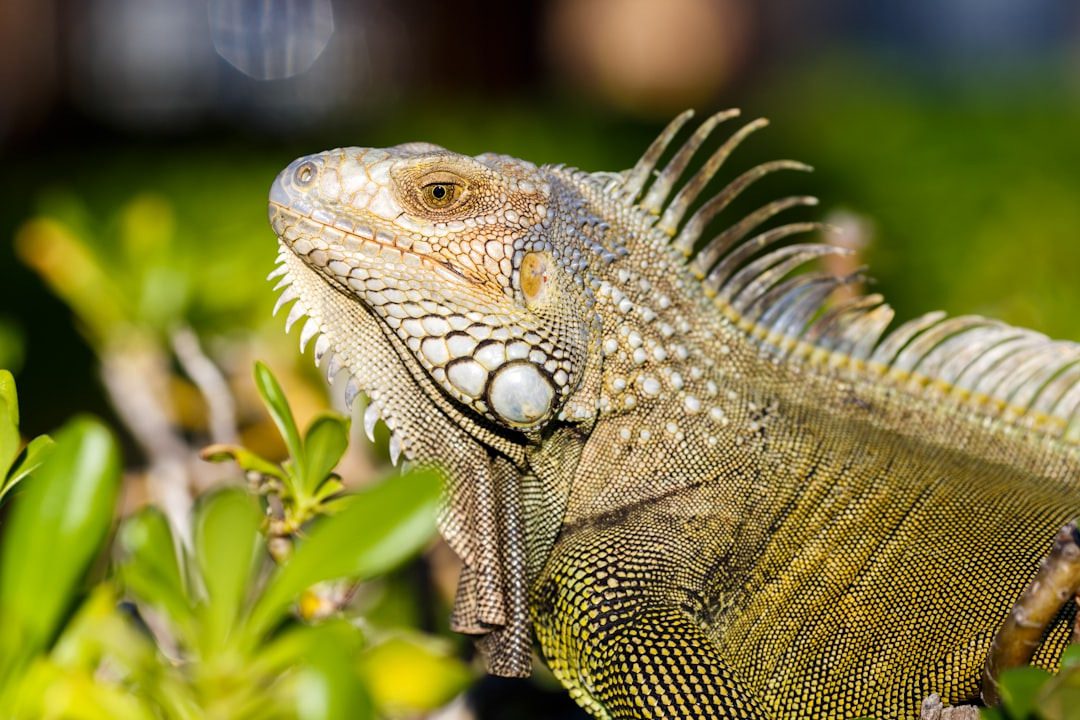
Where: The Exumas and Andros among others—the iguanas live on dry, low islands where scrub meets sand. Day trips run from Nassau and Exuma bases to cays with distinct subspecies (e.g., Allen Cay).
Who: The Bahamian rock iguana (Cyclura spp.), a set of endangered, colour‑tinted reptiles that bask, sprint and, if pressured, bolt for burrows between root and rock.
How to meet them well
Land gently—no running, no “treat trails.” Human feeding flips behaviour, wrecks diets and sets up conflicts. Watch how iguanas choose temperature: open bask, partial shade, then limestone cool-downs. Photograph from knee height for a respectful angle that also reads the animal’s line of retreat.
Quiet moment: Sit on the lee side of a scrub and count breaths until the first iguana resumes what it was doing before your boat arrived. There’s humility in waiting to be re‑accepted by a place.
Practical: Sun protection is everything; bring a wide‑brim hat and sleeves. Choose operators with leave‑no‑trace briefings and no feeding policies.
Bonus: Many Bahamas day trips pair iguanas with a reef stop. Look for shallow coral heads where juvenile fish hold—miniature cities that teach reef etiquette quickly.
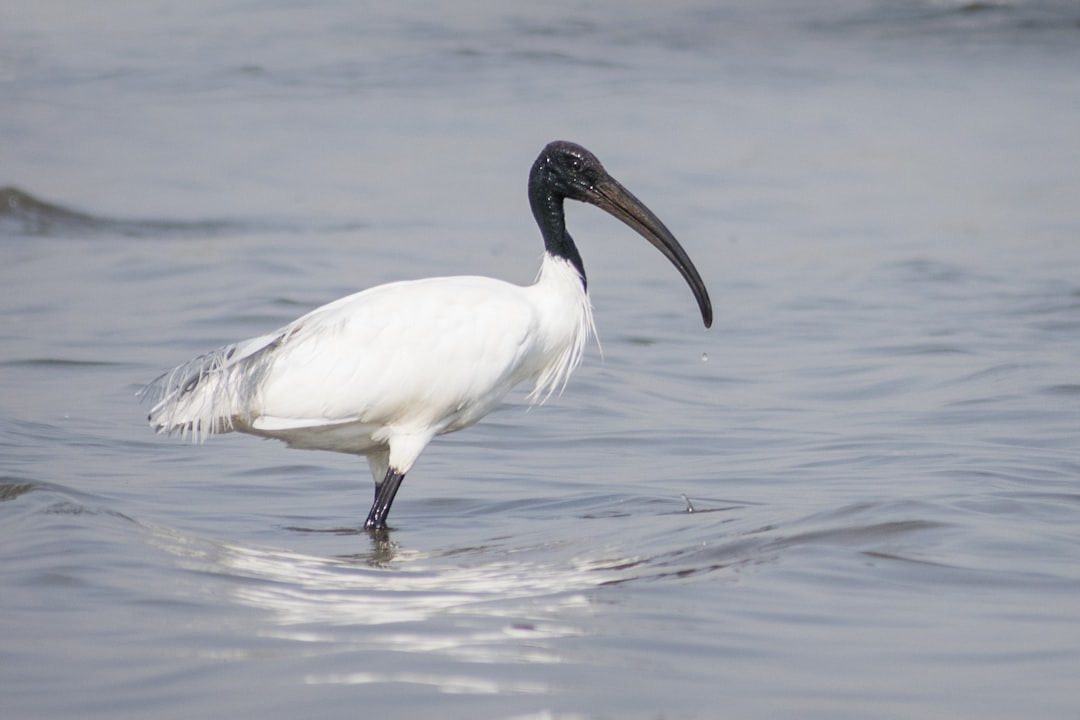
Where: Caroni Swamp, on Trinidad’s west coast. A 40‑sq‑mile mangrove world of sinuous channels and islets—the national bird’s preferred roosting grounds.
Who: The scarlet ibis (Eudocimus ruber), a wader whose plumage turns fire‑red on a diet rich in crustaceans. They arrive to roost in waves that look like brushstrokes across the canopy.
How to meet them well
Book a small‑boat, late‑afternoon excursion with a licensed eco‑operator. Bring binoculars; sit still as the light goes bronze and hundreds of birds drift in. The hush that settles over the boat is half awe, half collective gentleness. Watch for boas curled on branches, night herons ghosting the edges, and the red dotting of ibises growing denser until the mangroves glow.
Quiet moment: As twilight shifts to indigo, listen for the change in sound—wingbeats giving way to roost murmur, water to insect chorus. Then mirror the quiet with your own stillness.
Practical: Wear neutral clothing; motion and colour matter in low light. Protect against mosquitoes at dusk with loose long layers rather than heavy sprays in sensitive wetlands.
Bonus: Trinidad’s culinary mix is a whole journey: try doubles for breakfast, curry crab and dumpling by the waterfront, and a spoon of kuchela if you love heat and mango tang.
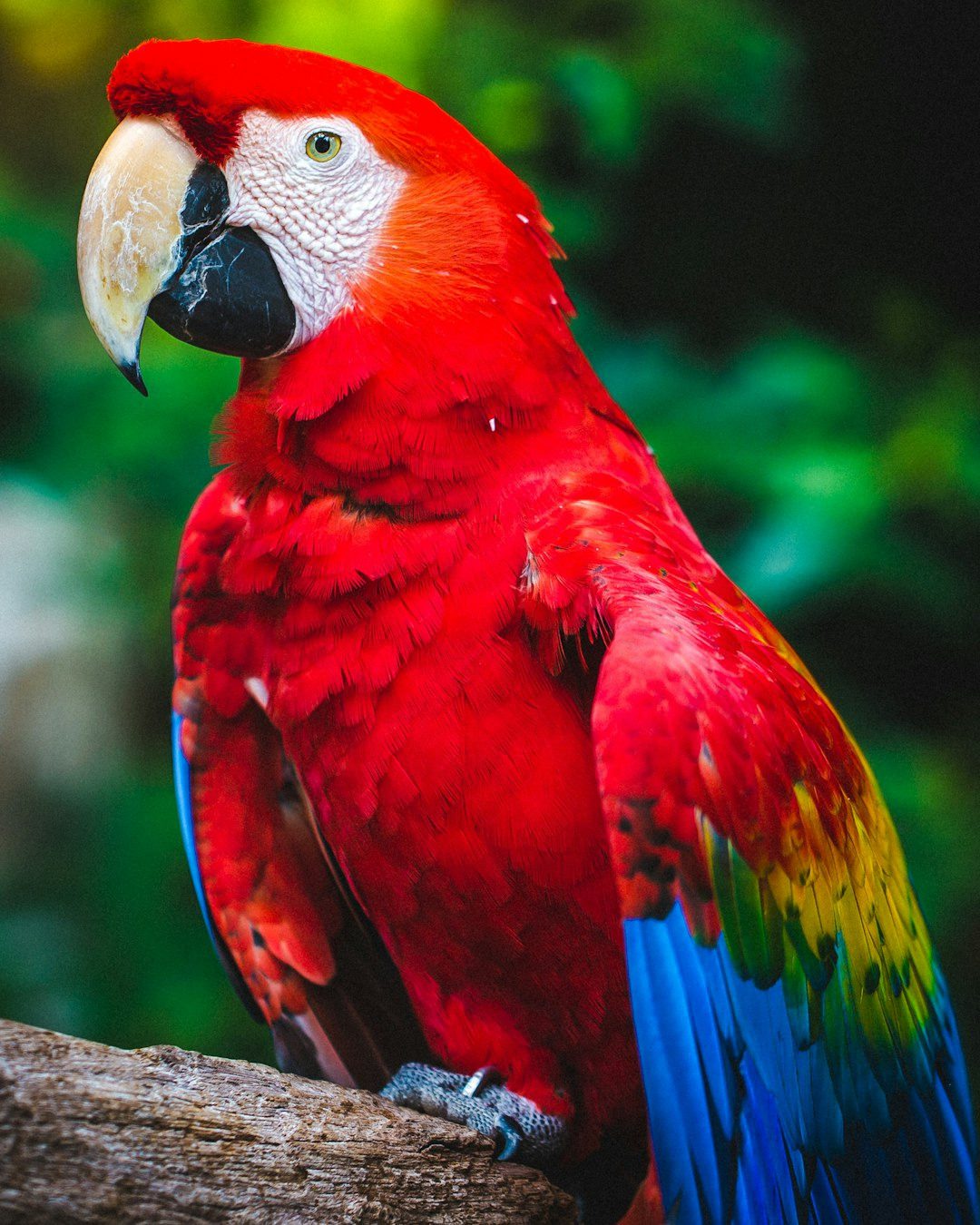
Where: Vermont Nature Trail, west of Kingstown in Buccament Valley—a 1.6‑mile loop that crosses creeks and climbs to a vantage above a tapestry of rainforest.
Who: The St Vincent parrot (Amazona guildingii)—emerald, gold and blue; endemic and carefully monitored (numbers hover under a thousand in the wild). Loud, yes—but hearing and seeing are two different arts.
How to meet it well
Mid‑morning or late afternoon, stand quietly at the viewing platform and scan the sky’s margins where canopy meets cloud. Listen for the rolling squawk, then track the movement with binoculars—bursts of colour, then camouflage. Stay with the moment even after the bird slips; guides often pick up a second pass. No drone, no playback calls, no off‑trail bushwhacking.
Quiet moment: When you’re alone on the platform, notice how the valley holds sound—a deep green bowl that amplifies rain on leaf, creek on stone. It’s a good place to feel small in an expansive way.
Practical: Trails can be slick; wear lugged soles. Weather shifts quickly; a packable poncho helps. Local guides not only spot birds; they carry the valley’s memory—storms, nest sites, the day the first chick fledged in a given grove.
Bonus: St Vincent & the Grenadines is an archipelago—consider pairing your parrot morning with a Bequia beach or a day sail to Mayreau for a salty, silent exhale.
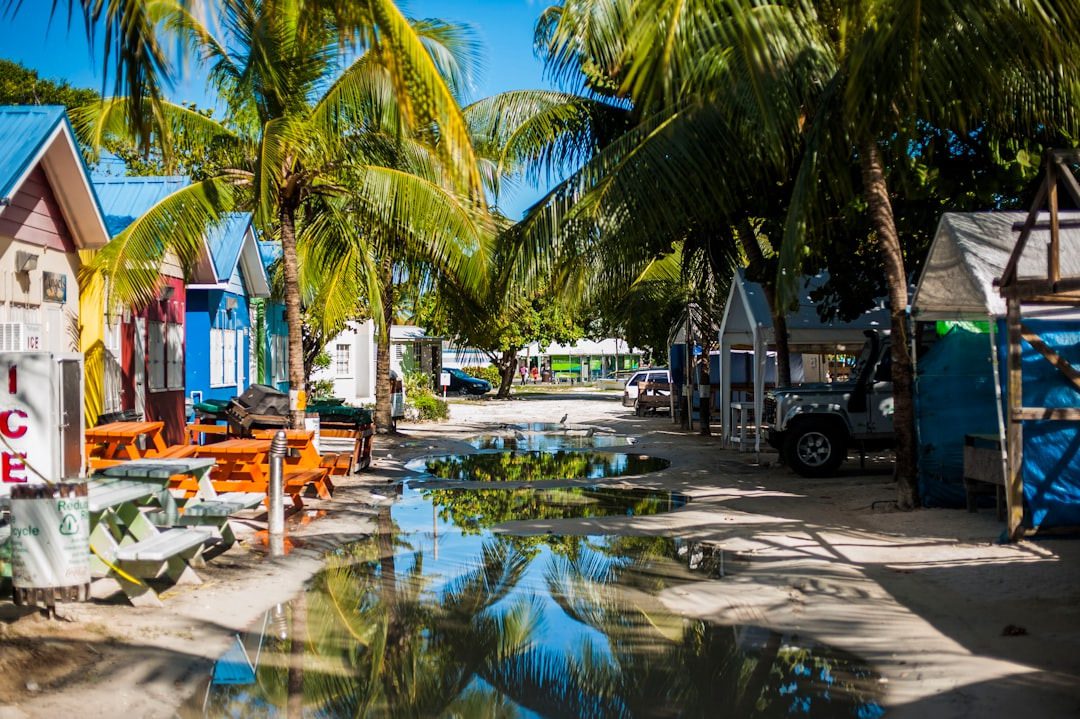
You can chase all six in a single epic, but smarter (and gentler) is to pair clusters. Below is a modular plan using common air routes and ferries.
Grenada → St Vincent & the Grenadines → Trinidad
Bonaire → The Bahamas
Cockpit Country (giant swallowtail) + coast
Tip: Build weather flex into every plan. Two windows for each target species reduce pressure on you and wildlife alike.
Distance: If your presence changes behaviour, you’re too close. Back off until the animal resumes what it was doing.
Silence: Voices carry in forests and over water. Whisper and close car doors softly in roost areas.
Light: No flash after dusk around birds/bats; red‑filtered headlamps in cave ecotours if allowed.
Speed: Boat wakes and drone buzzes can collapse roosts and flush feeding birds. Choose stillness over “more content.”
Hands: No touching, no feeding, no collecting. Always.
Feet: Stay on designated paths/boardwalks—especially in mangroves and dune systems.
Data: Post locations thoughtfully. For sensitive nests or roosts, share the experience, not the GPS.
Wildlife isn’t separate from community; it’s held by it. Let your days trace that web:
Best time to see scarlet ibis in Caroni Swamp?
Sunset departures are gold; dry‑season evenings tend to be clearer, but roosting is a year‑round spectacle.
Can I see flamingos on Bonaire without entering a park?
Often yes—there are roadside lookouts near salt ponds. But Washington Slagbaai adds habitat diversity and turns a sighting into a full nature day.
Are mona monkeys aggressive?
They’re confident, not aggressive—problems arise when people feed them. Keep food sealed and distance respectful; let your guide set the tone.
How close can I get to Bahamian iguanas?
Let the iguana decide. If it changes posture (stands taller, head bobs, tail twitches), you’re too close. Kneel, slow down, back off.
Can I visit St Vincent’s parrot habitat on my own?
Trails like Vermont Nature Trail are open to independent hikers, but your chances of actual sightings go up with a guide who knows calls and flyways.
Children see public transportation completely differently than adults. What we consider routine, they experience as adventure. The document emphasizes that for kids, buses, trains, and trams aren’t mere transportation – they’re exciting experiences offering window views, people watching, and the thrill of movement through new cities.
Children see public transportation completely differently than adults. What we consider routine, they experience as adventure. The document emphasizes that for kids, buses, trains, and trams aren’t mere transportation – they’re exciting experiences offering window views, people watching, and the thrill of movement through new cities.
Children see public transportation completely differently than adults. What we consider routine, they experience as adventure. The document emphasizes that for kids, buses, trains, and trams aren’t mere transportation – they’re exciting experiences offering window views, people watching, and the thrill of movement through new cities.
Our Newsletter
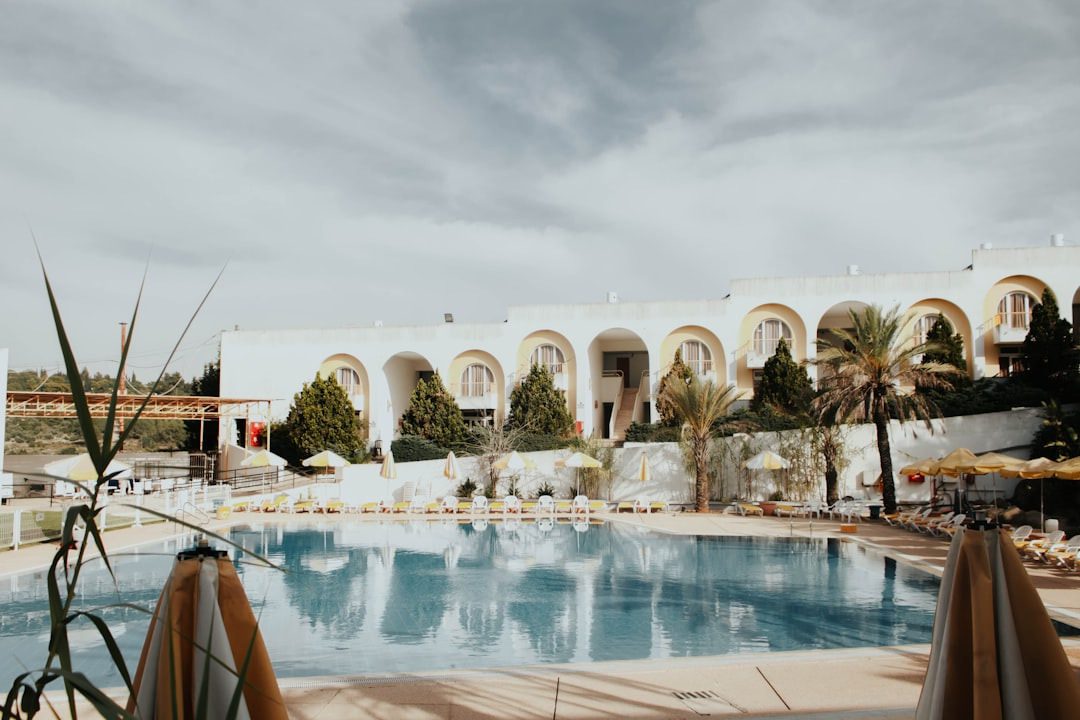
The Caribbean is crowded with “luxury” promises—but not all luxury is created equal. Some properties bulldoze dunes for infinity pools; others build boardwalks to protect turtle nests. Some import everything; others source local, hire local, and give back. This post is your decision compass: how to read between the brochure lines and book a stay that feels good in every sense.
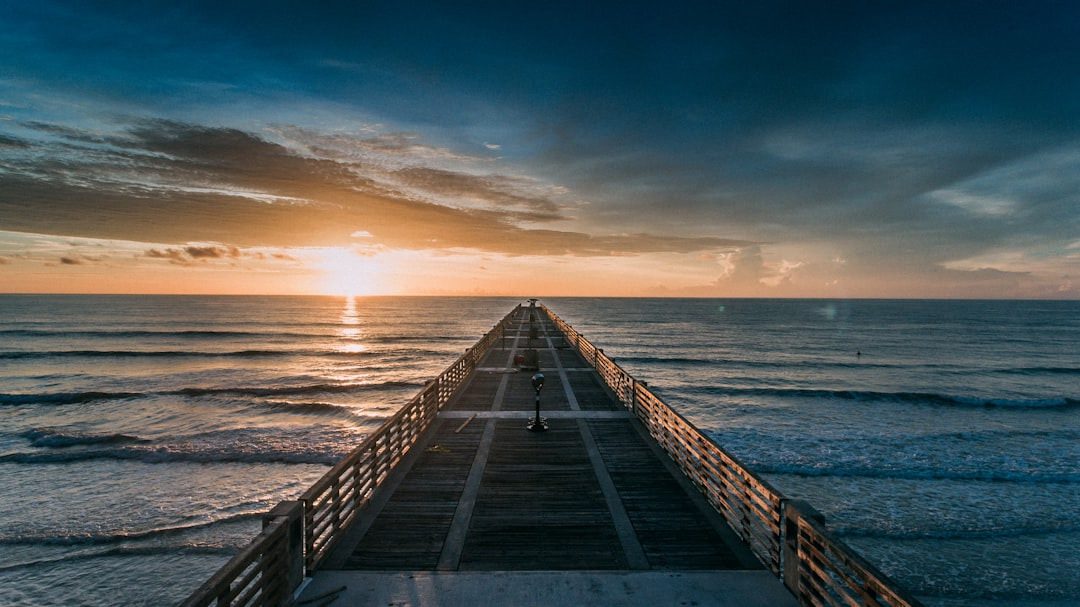
Think overwater villas in Aruba that use reclaimed wood and rainwater systems; or eco‑lodges in Dominica running on solar and wind.
Why it works: Small footprint, big soul.
Yes, it can be ethical: look for resorts with reef‑protection fees, plastic bans, and local sourcing for kids’ menus.
Great for groups—if you choose ones with greywater gardens, solar pools, and community chefs instead of imported catering crews.
Community give‑back (school, reef, culture)
Solar or hybrid energy
Rainwater harvesting
Local hiring >80%
Waste plan (compost/recycling)
Reef‑safe sunscreen policy
Children see public transportation completely differently than adults. What we consider routine, they experience as adventure. The document emphasizes that for kids, buses, trains, and trams aren’t mere transportation – they’re exciting experiences offering window views, people watching, and the thrill of movement through new cities.
Children see public transportation completely differently than adults. What we consider routine, they experience as adventure. The document emphasizes that for kids, buses, trains, and trams aren’t mere transportation – they’re exciting experiences offering window views, people watching, and the thrill of movement through new cities.
Children see public transportation completely differently than adults. What we consider routine, they experience as adventure. The document emphasizes that for kids, buses, trains, and trams aren’t mere transportation – they’re exciting experiences offering window views, people watching, and the thrill of movement through new cities.
Our Newsletter
 English
  Français
  Español