SANTORINI

SANTORINI

SANTORINI — New Cruise Fees & Caps, Crowd‑Proof Routes, and How to See the Island Beautifully (and Sustainably)


Santorini’s caldera is a crescent of obsidian cliffs fallen in love with light. But it’s also a laboratory for the future of tourism—where Greece is testing fees, caps, and smarter crowd management to keep a fragile island both livable and magical. If you’re planning Santorini in 2025, this deep‑dive shows you exactly how to navigate the new rules, beat the queues, and still find your own quiet corners of blue and white.


1) What Changed for 2025 (and Why It Matters)

Santorini and its sister hotspot Mykonos have spent the last few years at the center of a global conversation on overtourism. In 2023 alone, Santorini hosted around 800 cruise ship calls bringing 1.3 million cruisers into a permanent‑resident population of roughly 15,500—a mismatch that strains streets, water, waste systems, and the very experience people come for. In response, the Greek government announced a package of measures geared to price, cap, and manage cruise flows more assertively from 2024–2025 onward. That includes a €20 cruise passenger fee for Santorini and Mykonos (lower fees for other ports) beginning in 2025, and the intent to limit berths/anchoring slots—with the prime minister naming Santorini and Mykonos as the top priorities for stricter control.

The cruise‑fee reform is part of a broader sustainability push that also raises the seasonal lodging tax and explores daily passenger caps; coverage through late 2024 and 2025 emphasized that Santorini’s target daily cap for cruise visitors is 8,000 passengers, combined with practical bottlenecks at the port itself. The island has additionally enforced operational throttling at the tender dock—limiting the number of passengers allowed to wait on the dock to about 500 at a time, with cruise tenders slowed until the queue clears. That throttling is meant to avoid unsafe crushes at the base of the cable car and in the stairway corridor (Karavolades Steps) leading to Fira.

Why you should care as an independent traveler: these measures dramatically reshape peak‑hour flows. Even if you’re staying on the island, your sunset in Oia, your cable‑car wait, or your rental‑car pickup can be affected by cruise arrival patterns and dock management. Understanding when and where congestion forms is now as essential as choosing a hotel with a view.

Key 2025 changes at a glance

  • €20 cruise passenger fee at Santorini/Mykonos starting 2025; lower fees at other Greek cruise ports. Revenue supports climate resilience and infrastructure.
  • Daily cruise passenger cap targeted at ~8,000 for Santorini (policy direction signaled), with berth/slot limits anticipated to meter calls.
  • Dock throttling: limit of ~500 people queued on the tender dock at any one time to reduce unsafe crowding and cable‑car congestion.
  • Seasonal lodging tax increases (peak months) to spread demand and raise funds for local resilience.

Bottom line: Santorini is not “closed to cruises,” but flows are being priced and metered. For you, that means smarter timing—not skipping the island.


2) When to Come: A Season‑by‑Season, Crowd‑Smart View

Late April–June (shoulder to early peak):

  • Weather is warm but not blazing; Aegean winds are gentler than in high summer.
  • Cruise calls ramp up steadily—midweek dawns are calmer than Saturdays. Check the Santorini cruise calendar (many lines publish schedules) to time Oia or the Fira cable car outside mega‑ship mornings.

July–August (peak):

  • Meltemi winds can be strong, skies are clear, and crowds spike. This is where the dock throttling and cruise passenger fee are most visible in practice: if multiple large ships are tendering, expect long waits at the dock and the cable car. On days with three or more large ships, you may see tender slowdowns and staggered shore‑leave. Plan your Fira/Oia hours well away from the 10:30–16:30 band.

September–October (sweet spot):

  • Seas are warm, vineyards are in harvest, and sunsets still golden without the July crush. The daily rhythm is calmer, and the new port controls + fee regime may already be smoothing spikes late in the season.

November–March (quiet beauty):

  • Cooler, some businesses pause, but caldera hikes and the Akrotiri excavation are far more contemplative. If you’re writing or photographing, winter light + fewer people is perfection. Shorter days: plan transfer buffers if winds cancel ferries.

3) Where to Stay (So You Spend More Time Savoring, Less Time Queuing)

Fira (Thira): Central and connected; great for first‑timers who want to ride buses and sample nightlife. The cable car lands here from the tender dock, so mid‑day can be intense—but if you’re staying in Fira, you can avoid moving when the peak hits.

Imerovigli: Still on the caldera path, but quieter than Oia and Fira. It’s the highest village along the rim, with stairways to secret terraces facing the Skáros Rock buttress. You’ll get high‑drama views without the scrum. Perfect for honeymooners and writers.

Oia: Iconic domes, tight alleys, legendary sunset. It’s also where the sunset crush is fiercest. Book Oia if your hotel faces the sunset directly and you’re committed to early‑morning wanders; otherwise, consider sleeping in Imerovigli and visiting Oia at dawn.

Pyrgos or Megalochori: Inland, traditional villages with breweries, bakeries, and courtyards. You can drive to viewpoints and beaches—with a quiet home base that dodges the caldera crowds. Ideal with a rental car.

Akrotiri area: Sleep near Red Beach and the Bronze‑Age ruins; great for south‑coast sunset at the lighthouse, and easier parking. You’ll trade a 20–40‑minute drive to Fira/Oia for calmer days.

Hotel pick strategy for 2025: Choose free‑cancellation rates (cruise slot allocations can alter daily rhythms), check walkability (stairs are everywhere), and confirm luggage help—porter support is worth its weight in gold in multilevel villages.


4) The Crowd‑Proof Itineraries (Three Days, Multiple Ways)

A) The “Slow Caldera” (3 Days based in Imerovigli or Pyrgos)

Day 1—Orient + Breathe

  • Sunrise walk: Imerovigli → Skáros Rock viewpoint. You’ll have long blue light and almost no one on the path.
  • Coffee with a view in Imerovigli, then mid‑morning museum hour in Fira (Archaeological Museum, Museum of Prehistoric Thera).
  • Early lunch in Fira; siesta during 12:00–15:00 when tender flows peak.
  • Golden‑hour walk from Imerovigli to Firostefani and back; dinner facing the caldera.

Day 2—South Loop & Akrotiri

  • Akrotiri Excavations at opening time (Bronze‑Age frescoes, urban planning, astonishing engineering).
  • Red Beach overlook (don’t scramble unstable slopes), Vlychada for the sculpted pumice cliffs.
  • Sunset at Akrotiri Lighthouse with far fewer people than Oia. Bring layers; the headland catches wind.

Day 3—Oia at Dawn + Winery Afternoon

  • Oia before sunrise: the alleys are yours; catch domes glowing pink and the bell towers empty.
  • Wander down to Ammoudi Bay; swim if seas are calm. Late brunch back in the village.
  • Afternoon wine route: Estate Argyros, Santo Wines, or Venetsanos; book tastings on off‑cruise days for the quietest terrace time.

B) The “Photographer’s Circuit”

  • Day 1: Oia dawn → quick Ammoudi dip → late‑morning restcaldera trail Oia→Fira (or segment Imerovigli→Fira) for sunset.
  • Day 2: Akrotiri ruins at opening → south‑coast beaches → lighthouse sunset → blue hour in Pyrgos.

C) The “Beach + Culture Blend”

  • Base in Kamari or Perissa (east/south coasts) for swimming + long promenades; schedule one caldera day and one Akrotiri day, keeping beach mornings for yourself and walking the promenades at sunset.

5) How to Outmaneuver the Peak Flows

Watch the cruise day: If 2–4 large ships are in, the tender dock throttling (500‑person limit) means ship‑to‑shore takes longer and cable‑car lines extend. Visit Oia at dawn, not sunset; or save Oia for late night when the crowd evaporates.

Cable car vs. stairs: The Karavolades Steps (588 steps) are steep and slick in heat; descending is harder on knees than climbers think. If you must ride the cable car on a cruise‑packed afternoon, expect queuing; better to plan Fira at non‑cruise hours.

Lunch hour hack: Book 11:30–12:00 or 15:00–16:00 seatings to dodge the main push. Make restaurant reservations in Oia two days ahead in July–August.

Sunset without the crush: The Akrotiri Lighthouse delivers the same sunball dropping into the Aegean, with the caldera cliffs in profile and vastly fewer elbows. The Profitis Ilias ridge can also frame magic light without pressure.

Photo etiquette: Don’t step on domes or private roofs; no drones in crowded heritage areas; ask if you’re photographing a bride/maiko‑style shoot (yes, they happen here too). The island is cracking down on unsafe roof scrambling.


6) What to See

Akrotiri: Europe’s Pompeii of the Aegean—multi‑story houses, drainage, frescoes. A morning here reframes Santorini as the apex of Bronze‑Age seamanship rather than a postcard. The protective roof makes it comfortable even in heat.

Caldera Trail (Oia–Imerovigli–Fira): Choose Imerovigli–Fira if you’re short on time; you still pass Skáros Rock vistas and tiled terraces without commiting to the full 10–11 km.

Prehistoric Thera Museum (Fira): Urban planning in fresco and clay. Great on a windy afternoon.

Megalochori: Peach‑pink bell towers, hidden courtyards, low‑pressure wine bars.

Pyrgos: A medieval hilltop village; climb at sunset for panoramic color.

Beaches:

  • Vlychada (moon‑scaped cliffs).
  • Perivolos (long, loungers, easy swims).
  • Kamari (promenade vibe; black sands).
  • Red Beach (overlook only recommended—the slope is geologically unstable).

7) Food & Wine

Santorini is volcanic vineyard country. Indigenous Assyrtiko thrives in windswept, water‑starved soils thanks to the traditional kouloura (basket) pruning that shelters grapes near the ground. Book tastings late afternoon after cruise passengers re‑board; sunsets over terraced vines are unforgettably calm.

Reservations: The top Oia terraces (and high‑perched Imerovigli dining rooms) are limited; in July–August, book 48–72 hours out for dinner. If you want a sunset seating, specify “caldera‑facing outdoor table”; confirm wind screens or blankets when meltemi blows.

What to order:

  • Tomatokeftedes (fried tomato fritters).
  • Fava me koukia (split‑pea purée, Santorini style).
  • White eggplant dishes, capers, and fresh octopus.
  • Pair with Assyrtiko (mineral‑driven whites), Nykteri, or a Vinsanto for dessert.

8) Mobility, Safety & Etiquette

Heat & hydration: The Aegean sun is intense; carry water—especially since port rules have reportedly banned cruise‑ship water stations on the dock (partly to reduce plastic clutter and dwell time). Expect to carry your own refillable bottle when tendering ashore.

Stair logistics: Book luggage help; packs are easier than rolling suitcases for Oia/Imerovigli stairs.

Driving & parking: Roads are narrow; park outside Oia core and walk. At lighthouse sunset, arrive early; spots are limited.

Respect private property: Many “rooftops” in photos are private terraces; enforcement has grown stricter in 2024–2025 as islanders push back on dangerous trespass.


9) Money, Fees & Practicalities

Cruise passenger fee: If you arrive by cruise, expect the €20 fee in 2025 for Santorini (and Mykonos). For independent travelers flying or ferrying in, this fee does not apply—but you’ll encounter the higher seasonal lodging tax in peak months. Greece indicated the fee revenue targets climate resilience and infrastructure that overtourism stresses.

Card acceptance: Broad, but carry some euros for rural kiosks, buses, and tips.

ATMs: In Fira and Oia, ATMs are common; expect lines around cruise peaks.

Connectivity: Signal is strong in caldera villages; dropouts occur on beach roads.


10) Responsible Travel

  • Choose non‑peak hours for Oia/Fira; diffuse impact.
  • Carry refillables; Santorini copes with seasonal waste spikes.
  • Use licensed guides for archaeology and wine; spend where locals own and work.
  • Respect dock operations: If you’re cruising, follow crew guidance on tender timing; the 500‑person rule is for safety.

11) Seven Crowd‑Proof Micro‑Itineraries You Can Steal

  1. Oia Dawn + Ammoudi Swim + Megalochori Siesta
  2. Imerovigli Blue Hour + Fira Museum Noon + Pyrgos Sunset
  3. Akrotiri at Opening + Vlychada Cliffs + Lighthouse Sunset
  4. Caldera Trail (Imerovigli→Fira) + Wine Balcony at Golden Hour
  5. Kamari Promenade + Moon‑rise over Mesa Vouno
  6. Monastery of Profitis Ilias + Inland Taverna Crawl
  7. Boat to Thirassia (quieter sister island) for a reset day

12) FAQs

Are there new visitor caps?
Greece has signaled daily limitations around 8,000 cruise passengers for Santorini and is implementing berth/slot controls to meter calls. This sits alongside a €20 cruise passenger fee at Santorini/Mykonos, broader lodging‑tax changes, and portside dock crowd limits (~500 people at a time) intended to reduce congestion.

Will my cruise skip Santorini because of congestion?
Some lines already adjusted itineraries in 2024 due to congestion; for 2025, lines will likely compete for limited slots and tweak call times. Check your cruise line’s app for tender windows and all‑aboard updates on the day.

Is the cable car the only way up from the port?
No—there are stairs (Karavolades) and donkey rides are controversial and discouraged. The cable car is the fastest, but on multi‑ship days you may wait. The dock throttling policy keeps only ~500 people queued on the dock at any moment for safety; tenders slow until the queue shrinks.

How do I avoid the sunset crush in Oia?
Go at dawn instead; or watch sunset from Akrotiri Lighthouse, Imerovigli terraces, or Profitis Ilias. For Oia sunsets, book a restaurant balcony and arrive well before golden hour.

What’s the best base for a calm trip?
Imerovigli for high drama without chaos; Pyrgos/Megalochori for authentic village rhythm and easy parking; Akrotiri for ruins + lighthouse sunsets; Kamari/Perivolos for beach promenades.

Can I still get “the shot” of blue domes?
Yes—at dawn, be respectful, and do not step on private roofs. The light is better and lanes are empty; your photos (and neighbors) will thank you.


13) Trip‑Builder’s Checklist

  • Check cruise‑call calendar against your dates.
  • Book lodging with cancellation and stairs‑aware portering.
  • Slot Oia at dawn, not sunset; Akrotiri for golden hour.
  • Reserve wineries on off‑cruise afternoons.
  • Carry water and sun layers; winds can switch quickly.
  • Respect dock/cable‑car rules; lines are for safety.
  • Keep an alternate sunset (lighthouse, Profitis Ilias) in your pocket.


More From This Category

My Pilgrimage to Lourdes, France

My Pilgrimage to Lourdes, France

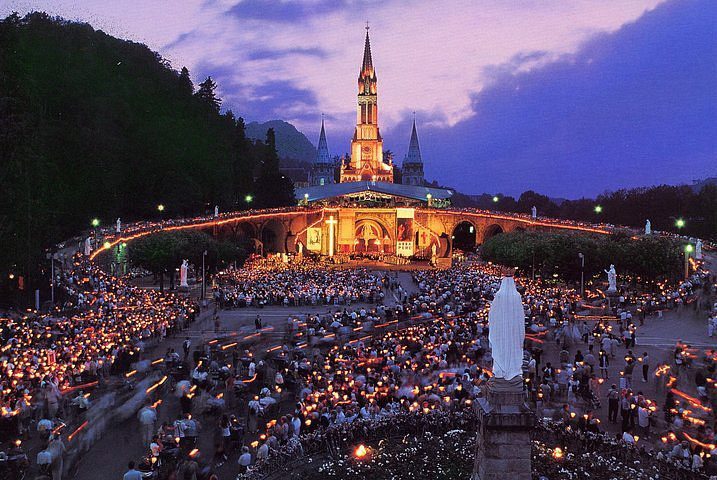
My pilgrimage to Lourdes, France, was more than a journey—it was a deeply personal experience of faith, family, and renewal. Traveling from Paris on a night couchette train, my family and I arrived in the quiet early hours, filled with anticipation and prayer. From our stay at Nunes House to participating in the sacred rituals of the Sanctuary, every moment was marked by reflection, unity, and spiritual purpose.
read more
My Pilgrimage to Lourdes, France

My Pilgrimage to Lourdes, France

My pilgrimage to Lourdes, France, was more than a journey—it was a deeply personal experience of faith, family, and renewal. Traveling from Paris on a night couchette train, my family and I arrived in the quiet early hours, filled with anticipation and prayer. From our stay at Nunes House to participating in the sacred rituals of the Sanctuary, every moment was marked by reflection, unity, and spiritual purpose.

read more
My Pilgrimage to Lourdes, France

My Pilgrimage to Lourdes, France

My pilgrimage to Lourdes, France, was more than a journey—it was a deeply personal experience of faith, family, and renewal. Traveling from Paris on a night couchette train, my family and I arrived in the quiet early hours, filled with anticipation and prayer. From our stay at Nunes House to participating in the sacred rituals of the Sanctuary, every moment was marked by reflection, unity, and spiritual purpose.

read more

Comments

Our Newsletter

Blue Lagoon Iceland

Blue Lagoon Iceland

Blue Lagoon Iceland: The Definitive Smart Guide to Soaking Safely in an Active Volcanic Zone

There’s a moment at the Blue Lagoon when the steam parts and the lava field reveals itself—black, lunar, silent except for the wind. In 2025, that silence carries new meaning. This is a spa in the middle of an active volcanic peninsula, protected by new barriers and real‑time gas monitoring, open between eruption events, and still—miraculously—one of the most restorative places on Earth.


1) At a Glance: Is the Blue Lagoon Open, Safe, and Worth It?

Short answer: Yes—open between eruption events and operating under enhanced safety measures, with protective berms, air‑quality sensors, and a clear evacuation protocol coordinated with Iceland’s Civil Protection authority. When seismic activity spikes, closures can occur; when risk falls, the lagoon reopens (often quickly). Air traffic to/from Keflavík has remained normal during the recent 2025 activity. Always check the official status page on the morning of your visit.

  • The Blue Lagoon publishes a continuously updated Seismic Activity page describing access, road conditions, protective barriers, air‑quality monitoring, and what happens in an evacuation. They also note temporary unpaved roads/parking due to recent lava and protective works—practical detail that matters for parking and mobility.
  • As of July–August 2025, the Sundhnúkur fissure eruption that began on July 16 ended on August 5; the Reykjanes site is open with public access managed around the new lava. The Blue Lagoon and Northern Lights Inn are open, and the town of Grindavík is accessible, per the official destination authority for Reykjanes.
  • The Government of Iceland reiterates that eruptions on the peninsula have been localized, that flights remain unaffected, and that evacuations (such as those in July 2025) are precautionary, with reopenings once the risk level changes. Their guidance is the definitive overview for visitors monitoring risk phases and air‑quality advisories.

Bottom line: It’s different to visit a geothermal spa in an active volcanic system than in a sleepy hot‑spring valley. But Iceland is highly prepared, and the Blue Lagoon has become a case study in safety‑minded operations during an eruption cycle—closing when needed, reopening when safe, and investing in protective infrastructure and monitoring that’s visible on site.


2) The Reykjanes Context: Why Eruptions Don’t Mean Canceled Vacations

Since 2021, the Reykjanes Peninsula has entered a new multi‑year eruptive phase, with fissure eruptions at Fagradalsfjall (2021–2023) and Sundhnúkur (2023–2025). In 2025, a July eruption triggered short, precautionary closures—including evacuations of Grindavík and the Blue Lagoon—before activity waned and access reopened in mid‑ to late‑July and early August. Civil Protection reduced the response level after the event abated, and local authorities reminded travelers that most of Iceland’s attractions and infrastructure are unaffected.

  • The Reykjavík Grapevine reported the July 16, 2025 eruption, noting that earthquake activity decreased and that the Blue Lagoon reopened promptly afterward as conditions stabilized.
  • The Visit Reykjanes authority maintains a live eruption information page, highlighting whether access is open, what hiking routes are available, and which zones remain restricted; this is the traveler‑friendly complement to the Government of Iceland’s national bulletins.
  • National guidance stresses that air traffic continues and that risk is localized; travelers with respiratory conditions should check air‑quality updates and plan around windy days when volcanic smog may drift.

Travel takeaway: In this new normal, your Iceland trip is not an all‑or‑nothing gamble. It’s a plan‑flexibility exercise: book the Blue Lagoon with free changes, build an alternative spa plan (see §7), and keep one eye on official updates.


3) What the Blue Lagoon Has Changed (and How You Benefit)

The lagoon sits beside the Svartsengi geothermal plant, which feeds its silica‑rich, milky‑blue waters. Since late‑2023, a suite of measures has been installed or reinforced:

  • Protective earthen berms shielding critical infrastructure from potential lava paths (do not walk on the berms; it’s forbidden).
  • Extended air‑quality monitoring (gas sensors on site) plus a weather station to interpret how wind may disperse gases, enabling swift decisions when to pause access or evacuate.
  • Temporary unpaved access—a real‑world reminder you’re in a dynamic environment; allow a few extra minutes for slower speeds or shuttle coordination.

Meanwhile, the experience remains itself: 1.6 million gallons (replenished roughly every two days) of warm, mineral‑rich water; on‑water mask bars; saunas and steam rooms; and, for Retreat guests, private lagoons and a subterranean spa with the ritual of silica, algae, and mineral salt. For spa escapists, this is a bucket‑list soak—even more potent when it’s snowing or sleeting and you’re submerged in blue heat.

The flip side of the eruption cycle is unpredictability—but Iceland’s hospitality sector has adapted: the lagoon has closed and reopened several times since late‑2023; hotels run shuttles when parking is offline; and communications arrive promptly by email/SMS if schedules shift. Media coverage through 2024 documented how lava impacted the car park, with on‑the‑ground shuttles used while protective works continued—a reminder to choose flexible bookings and backup spa plans.


4) When to Soak: Crowd Patterns, Weather, and Northern Lights

  • Early morning (opening) and late evening are your crowd‑smart windows. Blue Lagoon sells timed entry, and the earliest/last slots tend to feel calmer, especially on midweek days.
  • Winter (Nov–March) brings aurora potential: you can sometimes glimpse green veils between steam plumes on clear nights—though the forecast rules all. Dress warmly to sprint from changing rooms to water.
  • Summer is long‑light season: gold‑toned sunsets can linger well past 10 pm in June–July, giving the milky water a surreal glow. If seismic closures occur, Sky Lagoon (15 min from Reykjavík) or the Secret Lagoon in Flúðir keep your hot‑spring day alive.

Pro tip: If your flight lands early at Keflavík (KEF), drop your bags and book the lagoon as a jet‑lag reset before heading into Reykjavík. If you’re on a late flight out, flip the logic: end your trip in the water, then go blissed‑out to the airport. (Always check same‑day operational status.)


5) Tickets, Packages, and “Flexible‑Plan” Booking Strategy

The Blue Lagoon sells timed entries and several tiers (from basic comfort to premium bundles with robes, drinks, and dining). Because eruption‑related closures can pop up, choose:

  1. Changeable tickets (when offered in the purchase flow)
  2. Hotel rates with free cancellation (Retreat/Silica or Reykjavík base)
  3. Flexible car rental or transfer bookings so you can pivot to Sky Lagoon if needed

How far in advance? In peak seasons and holidays, book weeks out for prime slots. For shoulder seasons, days to a week can suffice—unless you want Retreat Spa treatment times, which sell out earlier. Blue Lagoon’s own status page will influence your timing—if an eruption just ended and reopening has been announced, day‑one slots can go fast.

Payment & vouchers: Buy direct for the clearest change/cancel rules. If purchasing via a third‑party voucher, read the fine print about date changes should Civil Protection raise alert levels. (In July 2025, some bookings were paused and then rescheduled as access reopened.)


6) Getting There in 2025: Roads, Shuttles, and That Unpaved Lot

  • Location: ~20 minutes from KEF, ~45 minutes from Reykjavík.
  • Road Updates: Due to recent lava flows and protective works, the Blue Lagoon warns that roads/parking can be unpaved; check their access notes before driving. Give yourself extra time if mobility or luggage is a factor.
  • Shuttles & Hotels: During late‑2024 disruptions, guests were bused from Grindavík to the lagoon while new parking arrangements were set, according to local reporting—expect similar shuttle concepts if parking is offline again during future works.
  • Flights: The Government of Iceland emphasizes that air services continue normally during these localized eruptions; always verify with your airline, but trip‑long cancellations are rare.

7) Your Backup Plan: Sky Lagoon, Secret Lagoon & Other Soaks

Sky Lagoon (Kópavogur): 15 minutes from central Reykjavík, with an infinity‑edge view of Faxaflói Bay. As Matador Network noted during a Blue Lagoon closure period in 2024, Sky Lagoon is not exposed to the same eruption zone and is a reliable stand‑in if Blue Lagoon is temporarily shut. Book the Seven‑step Ritual for a hot/cold/steam flow.

Secret Lagoon (Flúðir): Iceland’s oldest public pool (1891) in a rural setting ~1.5–2 hours from Reykjavík—rustic, atmospheric, and a natural‑pool vibe. Especially good if your Golden Circle day runs long and you want a final soak where steam vents puff along the edges.

Local pools: Don’t overlook municipal hot‑water culture—Laugardalslaug in Reykjavík, or smaller neighborhood pools with hot pots and steam rooms. If the peninsula acts up, Iceland’s pool network keeps your spa day on track.


8) Sample Itineraries

A) Just‑Landed Jet‑Lag Cure (Half Day)

  • 08:45 Arrive KEF → pick up car/transfer
  • 09:30 Blue Lagoon entry (early slot for calm water)
  • 11:30 Spa ritual (mask bar; warm/cold cycle)
  • 12:30 Lunch at LAVA (reserve)
  • 14:00 Drive to Reykjavík hotel (nap, then sunset harbor walk)
    If the lagoon is paused: switch to Sky Lagoon for the afternoon ritual instead.

B) Aurora Hunter (Evening Soak)

  • Spend the day on museums/food tour in Reykjavík
  • 19:30–21:00 Blue Lagoon; stay late for steam + stargazing
  • If the Aurora forecast spikes and skies open, watch for green arcs between clouds of geothermal mist
  • If closed, slide to Sky Lagoon and then drive out to a dark‑sky spot after your soak (turn off headlights only once parked safely).

C) Volcano‑Curious Day (When Trails Are Open)

  • Hike a safe, signed route at a previous eruption site (e.g., Fagradalsfjall paths when open) → afternoon Blue Lagoon recovery soak
  • Check Visit Reykjanes for access closures and the new trail maps; heed all ranger/Police advice about closures near fresh lava.

9) Health & Safety in a Geothermal/Lava Landscape

  • Air quality: The Blue Lagoon runs gas sensors and collaborates with Civil Protection; if readings suggest risk, staff will initiate evacuation or temporary closures. Those with asthma or respiratory conditions should watch the Loftgæði (air‑quality) feed and be extra cautious on windy days when smog can drift.
  • Footing: Wet lava rock + silica can be slippery. Move carefully around pool edges and steps.
  • Hydration, silica, hair: The water is mineral‑rich; shower and condition hair with the provided products to avoid dryness. Keep jewelry out of the water (silica can cloud some finishes). These are standard Blue Lagoon care tips reiterated on‑site.
  • Driving: If access roads/parking are unpaved, plan slower speeds; if there’s snow/ice, request studs on your rental and check road.is. Blue Lagoon’s page calls out the current state of access and parking.

10) Dining & Drinks: What to Expect (and How to Time It)

  • Mask Bar + Swim‑Up Bar: Your entry tier typically includes one complimentary drink (check the inclusions on your ticket type). Non‑alcoholic options are excellent; hydrating while you soak is smart in dry winter air.
  • LAVA Restaurant: Icelandic‑Nordic menu within lava walls—bookable for lunch or dinner; request window seating for views of the lagoon.
  • Moss (Michelin‑starred) at the Retreat: a culinary splurge that pairs with Retreat Spa access. If weather turns wild, plan to arrive early—you don’t want to rush through Moss. (Reopening cadence after individual closures was reported in late 2024; always reconfirm opening hours around eruption phases.)

11) What It Costs (and How to Save)

Exact prices adjust by slot and season; the official site shows live pricing for Comfort, Premium, and Retreat experiences. To keep costs in check:

  • Book off‑peak time slots (opening/late evening).
  • Go midweek outside holidays.
  • If you want a robe/towel, compare tiers; sometimes a small add‑on beats jumping to the next package.
  • Consider combo planning: if the Blue Lagoon is on your arrival day, you might skip a separate Reykjavik spa fee and invest in the Premium Lagoon slot instead.

12) Packing: The 15‑Item On‑the‑Ground Checklist

  1. Swimsuit (dark colors don’t show silica powder)
  2. Quick‑dry towel (provided at higher tiers; otherwise pack one)
  3. Flip‑flops with grip
  4. Travel conditioner & brush/comb (Blue Lagoon provides product, but bring extras if hair is long)
  5. Waterproof pouch for phone
  6. Refillable bottle (hydrate before/after soak)
  7. Silica‑safe minimal jewelry policy (or leave it in locker)
  8. Warm outer layers for the dash to/from the water (hat/hoodie)
  9. Sunglasses (silica glare on bright days)
  10. Backup plan printout (Sky Lagoon/Secret Lagoon bookings)
  11. Car snacks (if roads/parking are unpaved, you may wait for shuttles)
  12. Power bank (steam + cold drain batteries quickly)
  13. Small first‑aid kit
  14. Credit card & ID
  15. Offline map (signal is good, but weather can disrupt)

13) Responsible Travel & Etiquette

  • Respect closures and instructions: Iceland’s Civil Protection phases—uncertainty, alert, emergency—trigger clear steps. Follow staff guidance; it’s designed around the specific hazard of gas, lava, or terrain changes.
  • No climbing on berms: The protective barriers are engineering assets, not seating areas or photo spots. Stay off for safety and respect.
  • Noise & phones: Keep calls short; other guests are there to reset.
  • Photo etiquette: Ask before including strangers in close shots; mind steam privacy.

14) The Alternatives Deep‑Dive (When You Need a Plan B or C)

Sky Lagoon: Book Pure or Sky passes. The Seven‑step ritual (cold plunge, sauna with ocean view window, cold mist, etc.) delivers a strong thermal cycle. Pros: close to Reykjavík, stunning bay views, reliable access during Reykjanes spikes. Cons: not the same milky silica—this is a different aesthetic.

Secret Lagoon (Flúðir): Rural, old‑school. Pros: relaxed and authentic; works beautifully after Golden Circle sightseeing. Cons: farther drive; fewer amenities than Blue Lagoon/Retreat.

Fontana (Laugarvatn) and Krauma (Borgarfjörður) can also sub in depending on your route: geothermal steam baths, hot/cold pools, and minimalist Nordic designs—a broader hot‑spring culture that thrives even if Reykjanes is temporarily tense.


15) Real‑Time Links to Watch

  • Blue Lagoon — Seismic Activity & Access: status, road notes, monitoring context, guest guidance.
  • Government of Iceland — Volcanic Activity in Reykjanes: national risk framing, air‑quality cautions, flight impact summaries.
  • Visit Reykjanes — Eruption Information: hiking/closure maps, site‑specific updates, practical access notes.
  • News snapshots: Reykjavík Grapevine (timely local reporting) and Iceland Review for reopenings/closures and infrastructure impacts (e.g., car‑park access).
  • Fallbacks: Matador’s practical overview of alternative spas during 2024 closures remains a useful traveler primer, reminding visitors that Iceland has options.

16) FAQs

Is the Blue Lagoon open in 2025?
Yes—between eruption events the lagoon operates with reinforced safety (protective berms, gas sensors, evacuation plan). Always check the lagoon’s Seismic Activity page the morning of your visit for the latest, because closures and reopenings can occur quickly as Civil Protection phases change.

Are flights disrupted by the eruptions?
As of July–August 2025, the Government of Iceland reports normal air traffic during localized Reykjanes eruptions; evacuations happen near the fissures, not across the country. Travelers with respiratory conditions should monitor air‑quality advisories.

What happened in July–August 2025?
An eruption began July 16 at the Sundhnúkur crater row; precautionary evacuations included Grindavík and the Blue Lagoon. As activity waned, authorities reopened access (Blue Lagoon included) and downgraded the alert. The eruption ended Aug 5, 2025.

How can I minimize the chance of a last‑minute cancellation?
Book flexible tickets, choose off‑peak slots (which are easier to move), and maintain a backup spa booking at Sky Lagoon or Secret Lagoon. Check Blue Lagoon and Visit Reykjanes updates 48–12 hours before your slot.

Is the water the same as before?
Yes—the lagoon is fed by the Svartsengi geothermal plant, rich in silica and minerals. The milky‑blue color and skin‑softening feel are the same, though you should treat hair with conditioner and rinse jewelry separately (standard Blue Lagoon advice).

What should I do if the lagoon closes on my day?
Expect an email/SMS with options. Rebook to a later slot or pivot to Sky Lagoon near Reykjavík. If you’ve booked Retreat lodging, the hotel will coordinate alternatives or rebookings.


17) The Soul of the Soak (Why It’s Still Worth Building Your Trip Around)

If anything, the Reykjanes era has made the Blue Lagoon feel more Icelandic—not less. You feel the planet breathing here: steam hissing out of rock, wind shifting clouds, safety lines painted on black lava, staff radios crackling with air‑quality updates. Iceland never promised a static, theme‑park geothermal dip; it offers a living geology lesson that is also, improbably, one of the world’s best spa experiences. The silica still coats your skin like moon dust; the sauna window still frames clouds racing across the peninsula; the Northern Lights still—on some gifts of a night—unfurl above the steam.

Go with respect for the land and the people who steward it. Read the status page. Show up on time. Follow instructions if the wind turns or gas drifts. And then—sink under the blue, let the heat and minerals do their work, and remember that in 2025, to soak here is to live inside a geology story that’s still being written.

Written by

More From This Category

My Pilgrimage to Lourdes, France

My Pilgrimage to Lourdes, France

My pilgrimage to Lourdes, France, was more than a journey—it was a deeply personal experience of faith, family, and renewal. Traveling from Paris on a night couchette train, my family and I arrived in the quiet early hours, filled with anticipation and prayer. From our stay at Nunes House to participating in the sacred rituals of the Sanctuary, every moment was marked by reflection, unity, and spiritual purpose.

read more
My Pilgrimage to Lourdes, France

My Pilgrimage to Lourdes, France

My pilgrimage to Lourdes, France, was more than a journey—it was a deeply personal experience of faith, family, and renewal. Traveling from Paris on a night couchette train, my family and I arrived in the quiet early hours, filled with anticipation and prayer. From our stay at Nunes House to participating in the sacred rituals of the Sanctuary, every moment was marked by reflection, unity, and spiritual purpose.

read more
My Pilgrimage to Lourdes, France

My Pilgrimage to Lourdes, France

My pilgrimage to Lourdes, France, was more than a journey—it was a deeply personal experience of faith, family, and renewal. Traveling from Paris on a night couchette train, my family and I arrived in the quiet early hours, filled with anticipation and prayer. From our stay at Nunes House to participating in the sacred rituals of the Sanctuary, every moment was marked by reflection, unity, and spiritual purpose.

read more

Comments

Our Newsletter