
How to Travel Anywhere in the World for Only $30 a Day
Traveling the world sounds like a luxury reserved for the wealthy or the lucky few. But what if I told you that you could explore almost any corner of the globe for just $30 a day? It’s not a fantasy—it’s a strategy. With smart planning, a minimalist mindset, and a few insider tricks, you can stretch your dollars further than you ever imagined.
This guide is your blueprint to budget travel. Whether you’re backpacking through Southeast Asia, road-tripping across Europe, or exploring the wilds of South America, here’s how to make $30 a day work for you—without sacrificing the joy of the journey.
1. Rethink What Travel Means
Traveling on a budget doesn’t mean missing out. It means redefining luxury. Instead of five-star hotels, think five-star sunsets. Instead of expensive tours, think immersive local experiences. The goal is to travel deeper, not just wider.
2. Budget Breakdown: Where Your $30 Goes
Here’s a rough daily budget that works in many parts of the world:
- Accommodation: $10–12 (hostels, guesthouses, homestays)
- Food: $8–10 (street food, groceries, local cafés)
- Transport: $3–5 (public transport, walking, bike rentals)
- Activities: $3–5 (free tours, museums, nature hikes)
This adds up to around $30/day. Some days you’ll spend less, others a bit more—but it balances out.
3. Accommodation: Sleep Cheap, Sleep Smart
🛏️ Hostels Are Your Best Friend
Hostels are the go-to for budget travelers. They’re not just cheap—they’re social hubs where you can meet fellow adventurers, share tips, and even split costs on transport or food.
- Dorm beds can cost as little as $5–15 per night in many countries.
- Look for hostels with free breakfast, kitchen access, and Wi-Fi.
- Use apps like Hostelworld or Booking.com to compare prices and reviews.
🏡 Try Homestays and Guesthouses
In rural areas or less touristy regions, hostels may be rare. That’s where guesthouses and homestays shine. They’re often cheaper and offer a more authentic experience.
- Use platforms like Airbnb to find private rooms for $10–20.
- Some hosts may offer meals or local tours for free or a small fee.
🛖 Alternative Options
- Couchsurfing: Stay with locals for free.
- Work exchanges: Websites like Workaway or WWOOF offer free lodging in exchange for a few hours of work.
- Camping: In some countries, wild camping is legal and free (e.g., Scotland, Sweden, New Zealand).
4. Food: Eat Like a Local
🍜 Street Food Is Gold
Street food is not only cheap—it’s often the most authentic and delicious way to experience a culture.
- Meals can cost as little as $1–3 in places like Thailand, India, or Mexico.
- Look for busy stalls with locals—it’s a sign of freshness and quality.
🛒 Cook Your Own Meals
If your accommodation has a kitchen, take advantage of it.
- Shop at local markets or supermarkets.
- Cook simple meals like pasta, rice dishes, or sandwiches.
- Carry a reusable water bottle to avoid buying bottled water.
🍽️ Avoid Tourist Traps
Restaurants near major attractions often charge inflated prices.
- Walk a few blocks away to find local eateries.
- Use Google Maps or TripAdvisor to find budget-friendly spots.
5. Transportation: Move Like a Local
🚶 Walk or Bike
Walking is free and gives you the best feel for a place. Many cities also offer cheap bike rentals or free walking tours.
🚌 Public Transport Over Taxis
- Buses, metros, and trains are significantly cheaper than taxis or ride-shares.
- In some cities, you can get unlimited daily or weekly passes.
🚗 Long-Distance Travel
- Use budget bus companies like FlixBus (Europe), RedBus (India), or Megabus (USA).
- Trains can be affordable with passes like Interrail/Eurail in Europe.
- Consider overnight buses or trains to save on a night’s accommodation.
6. Activities: Free and Fabulous
🏞️ Nature Is Free
- Hike, swim, explore beaches, mountains, and parks.
- Many national parks have free or low-cost entry.
🏛️ Free Museums and Attractions
- Many cities offer free museum days or donation-based entry.
- Look for free walking tours (just tip your guide).
🎭 Local Events and Festivals
- Check local listings for free concerts, markets, or cultural events.
- Join community meetups or language exchanges.
7. Travel Hacking: Save Before You Go
💳 Use Travel Reward Credit Cards
- Earn points or miles on everyday purchases.
- Redeem for free flights or hotel stays.
🧳 Pack Smart
- Avoid checked baggage fees by packing light.
- Use a carry-on backpack (40–50L) and pack versatile clothing.
💻 Book Smart
- Use incognito mode when searching for flights and hotels.
- Set price alerts on Google Flights or Skyscanner.
- Be flexible with dates and destinations to find the best deals.
8. Budgeting on the Go
📱 Track Your Spending
Use apps like:
- TravelSpend: Track expenses in multiple currencies.
- Trail Wallet: Set daily budgets and monitor spending.
- Splitwise: Great for sharing costs with travel buddies.
💸 Have a Daily Limit
- Stick to your $30/day goal.
- If you overspend one day, cut back the next.
- Prioritize what matters most to you—skip the things you don’t care about.
9. Travel Insurance: Don’t Skip It
It might seem like an extra cost, but travel insurance can save you thousands in case of emergencies.
- Look for policies that cover medical expenses, theft, and cancellations.
- Some credit cards offer free travel insurance—check before you buy.
10. Go Where Your Money Goes Further
Some destinations are naturally more budget-friendly. Here are a few where $30/day is more than enough:
🌏 Asia
- Vietnam, Thailand, Indonesia, Nepal, India, Laos
🌍 Africa
- Morocco, Egypt, Ethiopia, Tanzania
🌎 Latin America
- Guatemala, Nicaragua, Bolivia, Colombia
🌍 Eastern Europe
- Romania, Bulgaria, Albania, Georgia
11. Travel Slowly
The faster you move, the more you spend. Slow travel saves money and deepens your experience.
- Stay longer in one place to get discounts on accommodation.
- Take local transport instead of flights.
- Get to know the community and find hidden gems.
12. Work While You Travel
If you want to extend your trip or boost your budget:
- Freelance online: Writing, design, teaching English
- Work exchanges: Workaway, WWOOF, HelpX
- Seasonal jobs: Hostels, farms, tourism
13. Be Flexible and Open-Minded
The key to traveling on $30 a day is adaptability.
- Be open to changing plans based on deals or opportunities.
- Say yes to shared rides, group meals, or free activities.
- Embrace the unexpected—it’s often where the magic happens.
14. Sample $30/Day Itinerary: Vietnam
Here’s how a day in Vietnam might look on a $30 budget:
| Category | Cost (USD) | Details |
|---|---|---|
| Accommodation | $8 | Hostel dorm with breakfast |
| Food | $7 | Pho for breakfast, banh mi lunch, local dinner |
| Transport | $2 | Bus and Grab scooter |
| Activities | $5 | Museum entry + free walking tour |
| Extras | $3 | Coffee, snacks |
| Total | $25 | Room to spare for emergencies or treats |
15. Final Thoughts: Freedom on a Budget
Traveling the world on $30 a day isn’t just about saving money—it’s about gaining freedom. It’s about proving that adventure doesn’t have to be expensive. With the right mindset and a few smart strategies, you can go further, stay longer, and experience more.
So pack your bag, trust your instincts, and hit the road. The world is waiting—and it’s more affordable than you think.

Written by Kariss
More From This Category
Oceania Unveiled
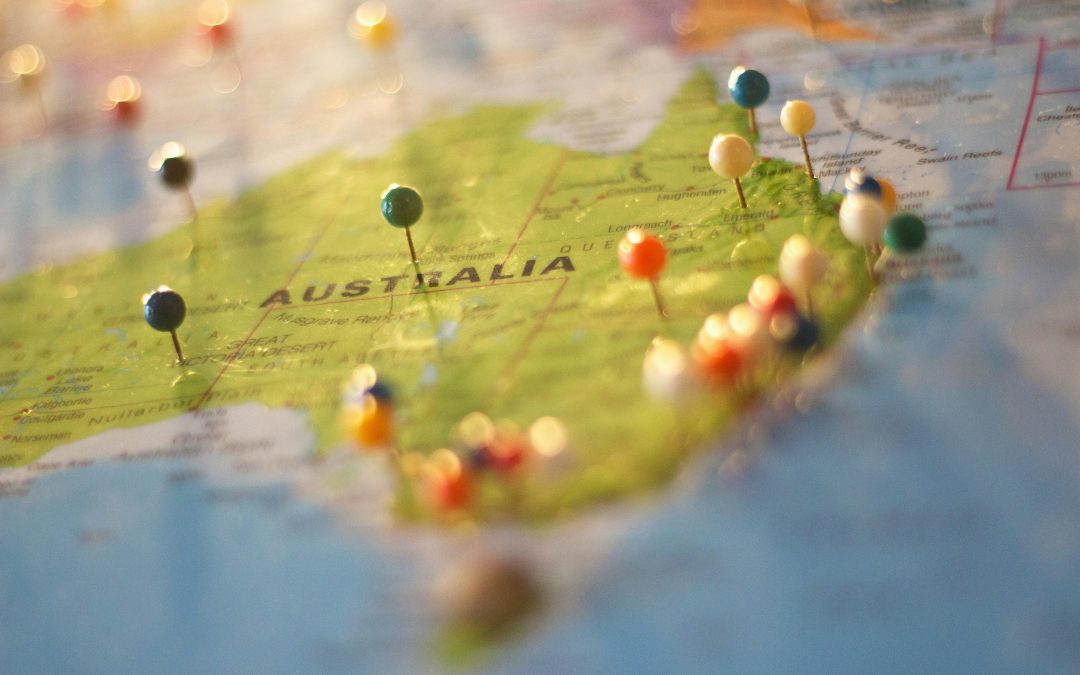
Oceania is not just a region—it’s a revelation. Comprising Australia, New Zealand, and the Pacific Islands, it stretches across the world’s largest ocean, offering travelers a tapestry of wild landscapes, ancient cultures, and soulful simplicity.
Oceania Unveiled
Oceania is not just a region—it’s a revelation. Comprising Australia, New Zealand, and the Pacific Islands, it stretches across the world’s largest ocean, offering travelers a tapestry of wild landscapes, ancient cultures, and soulful simplicity.
Oceania Unveiled
Oceania is not just a region—it’s a revelation. Comprising Australia, New Zealand, and the Pacific Islands, it stretches across the world’s largest ocean, offering travelers a tapestry of wild landscapes, ancient cultures, and soulful simplicity.
0 Comments
Our Newsletter
 English
  Français
  Español
0 Comments