


Tips for Planning a Trip: A Solo Traveler’s Guide to Stress-Free Adventures
Planning a solo trip can feel like solving a puzzle with a thousand pieces. There’s the thrill of choosing a destination, the excitement of booking flights, and the anticipation of new experiences. But let’s be honest—there’s also a fair bit of stress. From figuring out visas to packing the right gear, the pre-trip process can be overwhelming, especially when you’re going it alone.
But here’s the good news: with the right approach, planning your solo adventure can be just as enjoyable as the journey itself. Whether you’re heading off for a weekend escape or a multi-country expedition, these tips will help you plan a trip that’s smooth, safe, and unforgettable.
1. Choosing Your Destination: Start with a Dream, Then Get Practical
The first step in planning any trip is deciding where to go. For solo travelers, this decision carries extra weight. You want a place that excites you, but also one that’s safe, accessible, and solo-friendly.
Make a Shortlist
Start by jotting down 5–10 destinations that spark your curiosity. Maybe you’ve always dreamed of hiking in Patagonia, exploring the temples of Kyoto, or sipping espresso in a Parisian café. Don’t worry about logistics just yet—this is your chance to dream big.
Do a Quick Reality Check
Once you have your list, do some light research on each destination. Look into:
- Flight and accommodation costs
- Visa requirements
- Safety for solo travelers
- Language barriers
- Cultural norms
This will help you narrow down your options based on your budget, comfort level, and travel goals.
2. Booking Flights and Accommodation: The Art of the Deal
Once you’ve chosen your destination, it’s time to book your flights and accommodation. This is where things start to feel real—and where you can save a lot of money with a little strategy.
Use Comparison Sites
Flight and hotel comparison websites are your best friends. Tools like Skyscanner, Google Flights, and Booking.com allow you to compare prices across multiple providers. If your travel dates are flexible, you can often find cheaper options by flying mid-week or during off-peak seasons.
Check Direct Booking Options
Sometimes, booking directly through an airline or hotel can offer better deals or perks like free upgrades, flexible cancellations, or loyalty points. Always compare both options before clicking “book.”
Balance Flight and Hotel Costs
A cheap flight might coincide with expensive hotel rates, and vice versa. Take a holistic view of your travel dates and try to find a balance that works for your budget.
3. Passport, Visas, and Vaccinations: Don’t Skip the Admin
It’s not glamorous, but getting your paperwork in order is crucial.
Check Your Passport
Make sure your passport is valid for at least six months beyond your return date. If it’s close to expiring, renew it early—processing can take weeks.
Research Visa Requirements
Some countries offer visa-free entry or visa-on-arrival for your nationality, while others require advance applications. Check official government websites for up-to-date information.
Vaccinations and Health Advice
Some destinations require proof of vaccinations (like yellow fever), especially if you’re coming from certain countries. Check with your doctor or a travel clinic well in advance.
4. Budgeting: Make Your Money Work for You
Traveling solo means you’re footing the entire bill, so budgeting is key.
Estimate Your Costs
Start by estimating your major expenses:
- Flights
- Accommodation
- Food and drink
- Transportation
- Activities and tours
- Travel insurance
- Emergency fund
Use online tools and travel blogs to get a sense of average daily costs in your destination.
Set a Savings Goal
Once you know your estimated costs, set a savings goal and timeline. Consider opening a dedicated travel savings account or using a budgeting app to track your progress.
Look for Ways to Save
- Travel during shoulder seasons
- Use public transport instead of taxis
- Cook some of your own meals
- Book attractions in advance for discounts
- Use loyalty programs and travel rewards
5. Creating Your Itinerary: Plan, But Leave Room to Breathe
An itinerary helps you make the most of your time, but don’t over-schedule yourself.
List Your Must-Sees
Start by listing the top attractions, experiences, or neighborhoods you want to explore. Use Google Maps to pin locations and estimate travel times between them.
Build in Flexibility
Leave space for spontaneity. Maybe you’ll meet someone who recommends a hidden gem, or you’ll want to spend an extra day in a place you love. Having a flexible plan allows you to say “yes” to unexpected adventures.
Have a Backup Plan
Weather, closures, or delays can throw a wrench in your plans. Always have a few alternative activities in your back pocket.
6. Packing Smart: Less is More
When you’re traveling solo, you’re the one carrying your bags—so pack light.
Start Early
Don’t leave packing to the last minute. Start a few days in advance so you have time to remember essentials or buy anything you’re missing.
Use a Capsule Wardrobe
Choose versatile clothing that can be mixed and matched. Stick to a simple color palette and pack layers for changing weather.
Use Packing Cubes
Packing cubes help keep your bag organized and make it easier to find what you need. Roll your clothes to save space and reduce wrinkles.
Know Your Airline’s Baggage Policy
Check your airline’s baggage allowance and weigh your bag before heading to the airport. A luggage scale can save you from surprise fees.
7. Staying Safe and Connected: Peace of Mind on the Road
Safety is a top concern for solo travelers, but a few precautions can go a long way.
Share Your Itinerary
Let a trusted friend or family member know your travel plans and check in regularly. Apps like Life360 or Find My Friends can help them track your location if needed.
Keep Digital and Physical Copies of Documents
Scan your passport, visa, insurance, and important bookings. Store them in the cloud and carry printed copies in a separate bag.
Use a VPN
Public Wi-Fi isn’t always secure. Use a VPN to protect your data when browsing or booking online.
Stay Aware
Avoid poorly lit or isolated areas at night, keep your valuables secure, and trust your instincts. If something feels off, remove yourself from the situation.
8. Embracing Spontaneity: Leave Room for Magic
One of the joys of solo travel is the freedom to follow your curiosity.
Say Yes to New Experiences
Whether it’s a cooking class, a group hike, or a local festival, be open to trying new things. These moments often become the highlights of your trip.
Don’t Over-Plan
It’s tempting to fill every hour with activities, but some of the best experiences happen when you slow down. Leave time to wander, people-watch, or just relax.
9. Using Technology to Your Advantage
Your smartphone is your best travel companion.
Download Offline Maps
Apps like Google Maps and Maps.me let you download maps for offline use—perfect for navigating without data.
Use Travel Apps
- TripIt: Organize your itinerary
- Rome2Rio: Find transport options
- Google Translate: Break language barriers
- XE Currency: Convert prices on the go
- TravelSpend: Track your expenses
Stay Charged
Bring a portable charger and universal adapter. You don’t want to be stuck without power when you need directions or to call for help.
10. Final Thoughts: Confidence Comes with Preparation
Planning a solo trip doesn’t have to be stressful. With a bit of research, smart budgeting, and a flexible mindset, you can create a journey that’s uniquely yours. Remember, every solo traveler starts somewhere—and with each trip, your confidence will grow.
So go ahead: book that flight, pack your bag, and step into the unknown. The world is waiting—and you’ve got this.

Written by Kariss
More From This Category
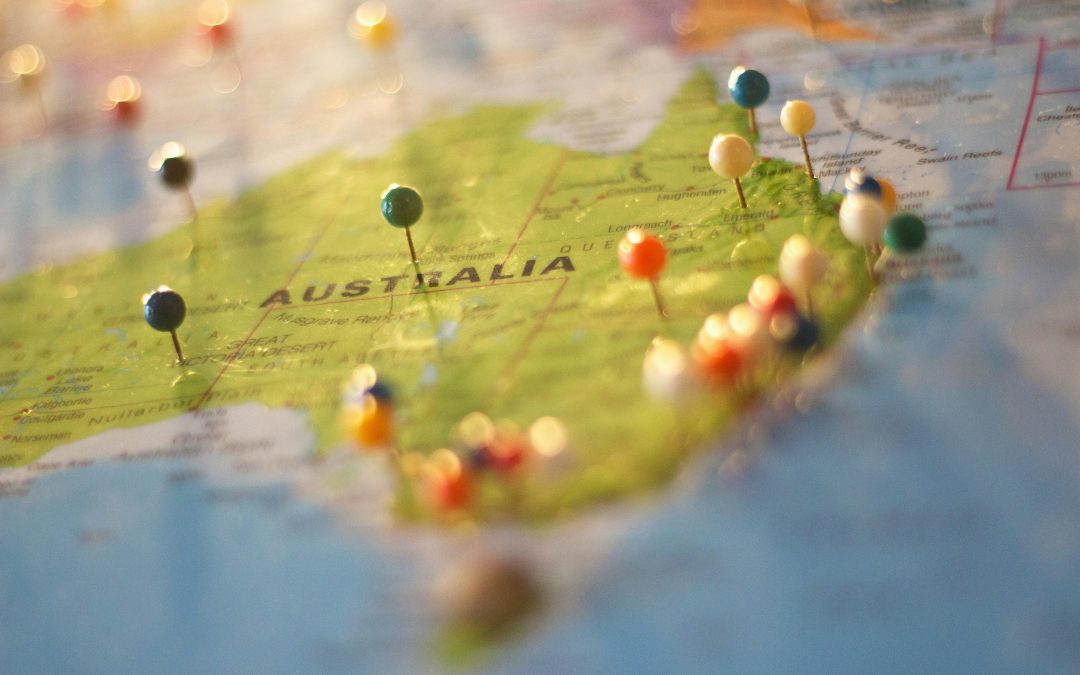
Oceania Unveiled
Oceania is not just a region—it’s a revelation. Comprising Australia, New Zealand, and the Pacific Islands, it stretches across the world’s largest ocean, offering travelers a tapestry of wild landscapes, ancient cultures, and soulful simplicity.
Oceania Unveiled
Oceania is not just a region—it’s a revelation. Comprising Australia, New Zealand, and the Pacific Islands, it stretches across the world’s largest ocean, offering travelers a tapestry of wild landscapes, ancient cultures, and soulful simplicity.
Oceania Unveiled
Oceania is not just a region—it’s a revelation. Comprising Australia, New Zealand, and the Pacific Islands, it stretches across the world’s largest ocean, offering travelers a tapestry of wild landscapes, ancient cultures, and soulful simplicity.
0 Comments
Our Newsletter
 English
  Français
  Español
0 Comments