No Results Found
The page you requested could not be found. Try refining your search, or use the navigation above to locate the post.

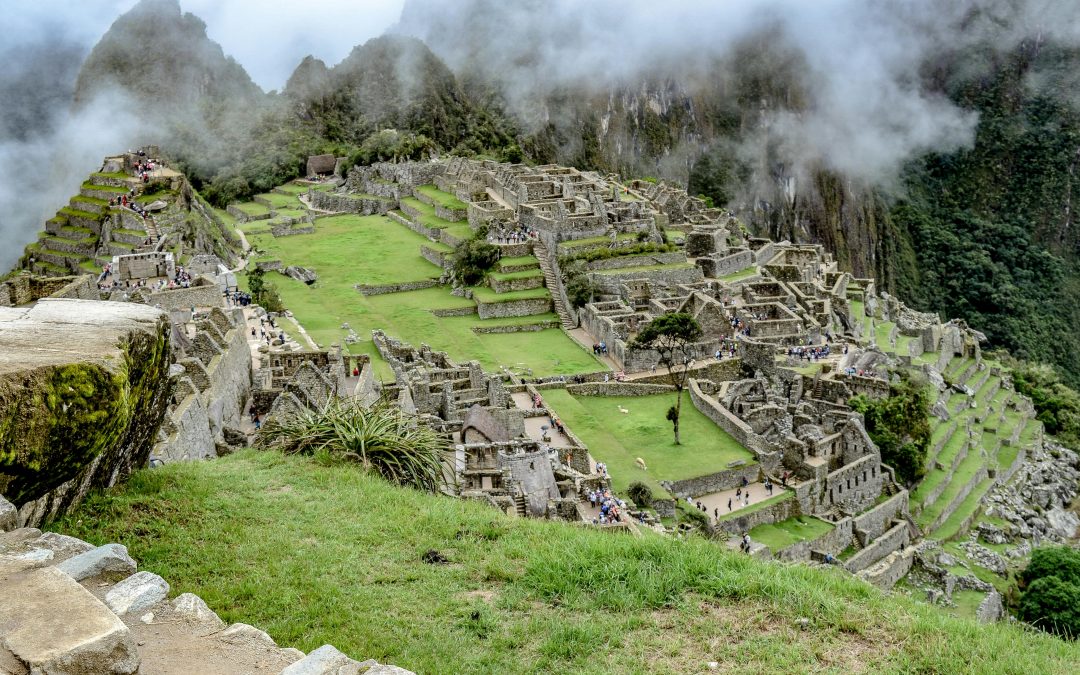
There’s a point on the terraces where the wind slows and the silhouettes of Huayna Picchu and the ridge line turn from jade to graphite. In that quiet, you feel exactly why people cross hemispheres to be here. In 2025, you can still have that moment—if you understand the new rules, book the right circuit at the right hour, and move through the sanctuary with intention. This is your definitive, field‑tested plan.
Since 2024, Peru has tightened how visitors move inside Machu Picchu to protect stonework, reduce erosion on fragile paths, and smooth peak‑hour flows. For 2025, several practical realities shape your day:
Why it matters: Your experience hinges on picking the right circuit and time—and aligning that with light, crowds, and your fitness. Get this right and the site feels contemplative, not crowded.
Peru’s Ministry of Culture manages Machu Picchu visits through three main circuits (with variants and mountain add‑ons). Names can differ slightly by seller, but the logic is consistent.
Booking logic: Pick your primary circuit first (for your desired photo angles/time), then layer a mountain add‑on in the correct window. Tickets are route‑specific; you cannot swap circuits mid‑visit.
Daily capacity. The Ministry uses seasonal caps of about 4,500 visitors in low season and ~5,600 in high season (June–August), divided across circuits and entry hours. The earliest entries (06:00–08:00) are the most coveted; even in shoulder months they can sell out weeks ahead.
Time slots. There are typically multiple entry waves from 06:00 through early afternoon; last entries are often after 14:00 (varies by season). Your ticket shows your slot; you must arrive on time and proceed to your circuit. There is no re‑entry if you exit.
Where to buy.
How far ahead.
Important 2025 fine print.
Permit math (why it sells out). The government caps the Classic 4‑day trail at 500 people/day—including guides, porters, cooks—which means only ~200–250 trekkers per day enter at KM82. The Short 2‑day trail has a separate, smaller allocation. February is fully closed for maintenance and conservation; permits are not issued.
Lead times. For May–August, book 4–6 months ahead for the Classic Trail; 2–3 months may suffice for shoulder season, but Huayna add‑ons at the citadel can still sell out. Some agencies watch for last‑minute cancellations, but this is rare.
Trail reality check.
Post‑trail entry (2025). Most trekkers’ sanctuaries entries align with Circuit 1 timing; if your dream is a deep urban walkthrough (Circuit 2) the next morning, buy a second entry. Tour companies can arrange this in a “trail + next‑day city” combo, but availability is key.
Seasonality (macro):
Time‑of‑day (micro):
Llamas are not models. Rangers discourage blocking paths or baiting animals for photos. The best images are wide scenes—stone + cloud—not llama selfies.
Footing & pace. Sloped granite is polished by millions of soles. Wear grippy shoes; trekking poles are usually restricted unless rubber tips are fitted and you have a medical need.
Bathrooms. None inside the site. Restrooms sit just outside; use them before entry; bring small coins for fees. There is no re‑entry on the same ticket.
Cusco → Aguas Calientes (Machu Picchu Pueblo).
Acclimatization. Cusco sits at ~3,400 m; Aguas Calientes is ~2,000 m. If arriving by air to Cusco, spend 1–2 nights in the Sacred Valley (Pisac, Urubamba, Ollantaytambo) to acclimatize before hiking or early starts.
Bag rules. Large backpacks are not allowed inside; daypacks below ~40×35×20 cm are the norm. Lockers available near the gate.
Guide requirement. First‑time visitors are required/recommended (per route) to enter with a licensed guide; many circuits practically enforce guided flow. Guides add context and help you optimize photo angles within the one‑way system.
Day 0 (Sacred Valley): Sleep in Ollantaytambo. Evening walk through Inca lanes, early dinner, hydrate.
Day 1:
Day 2:
Pro tips: Build a weather buffer day after your must‑see slot. If rain shuts down your sunrise, you can swap circuits or return in the afternoon for golden light.
Stay on the circuit. “Shortcuts” damage terraces and break the one‑way flow that rangers rely on to keep congestion tolerable.
Hands off stones. Oils hasten darkening; leaning and climbing stress mortarless joints. The best intimacy is seeing the tool marks, not touching them.
No drones/tripods inside without special permits; enforcement is real.
Waste & water. Carry in/carry out; no eating inside the citadel. Single‑use plastics add to local waste pressure—bring a filter bottle in Peru generally.
Photography ethic. If a ranger asks you to move along, move. Don’t hold angles excessively in bottleneck points (Temple of Three Windows; main plaza edges).
Context matters. The shift to fixed circuits and narrower re‑entry rules wasn’t arbitrary. It responds to years of overcrowding and stone fatigue. Knowing that, you’ll accept the choreography—and find your quiet within it.
Tickets. Prices vary by circuit and mountain add‑on; purchase through official channels or a trusted operator that guarantees the exact slot + circuit you want.
Buses. Round‑trip Aguas Calientes ↔ Sanctuary adds a fixed cost; some travelers walk down to save money and enjoy the cloud forest.
Guides. Worth it—not only for interpretation, but for navigation within one‑way flows and time management with mountain add‑ons.
Hotels. Aguas Calientes ranges from simple hostels to boutique stays with early breakfast for dawn buses. In the Sacred Valley, Ollantaytambo offers charm, Urubamba offers resorts; price swings with season.
Your circuit sold out? Consider another time window (earlier/later) or Circuit 3 for lower crowds and fresh angles. Many readers fall in love with Circuit 3’s lower terrace compositions.
Rain on your sunrise? Swap photo priorities: focus on stone + cloud drama; come back for a late‑afternoon slot the same day only if you purchased an additional entry—remember: no re‑entry on the same ticket.
Card failed on official portal? Use a reputable operator that purchases on your behalf; they all draw from the same Ministry inventory, but service can be worth the fee when payment gateways balk.
Trail closed (February) or permits gone? Book the Short Trail (if open) or an alternative trek (Lares, Salkantay, Choquequirao) and enter the citadel on a separate circuit ticket the next day.
How many visitors can enter Machu Picchu per day in 2025?
The Ministry manages seasonal caps roughly around 4,500 (low season) and ~5,600 (high season), distributed by time slot and circuit. Tickets for prime morning windows sell out first.
Can I re‑enter Machu Picchu after exiting?
No. As of 2025, tickets are single‑entry, timed. Once you leave the gate, there’s no same‑ticket re‑entry. Use bathrooms before entering.
Which circuit is best for the classic panorama?
Circuit 1 (panoramic/upper terraces) lines you up for the Guardian’s House viewpoints and that famous citadel‑below composition—especially magical 06:00–07:30.
Is Circuit 2 better than Circuit 1?
They’re different. Circuit 2 goes deeper into the urban core for close studies of masonry and temples, but Circuit 1 gives superior overview photography. Many travelers book both on different days.
Are trekking poles allowed?
Poles are generally restricted unless you have a medical need and rubber tips; rules are enforced to protect stonework. Confirm with your guide before you queue.
When is the Inca Trail closed?
The Classic Trail is closed every February for conservation. Permits are limited to 500/day year‑round (including staff), so popular months sell out months ahead.
Do Inca Trail permits include a full city circuit?
In 2025, trail permits usually map to Circuit 1. If you want Circuit 2/3, book a separate timed entry (subject to availability).

The page you requested could not be found. Try refining your search, or use the navigation above to locate the post.
The page you requested could not be found. Try refining your search, or use the navigation above to locate the post.
The page you requested could not be found. Try refining your search, or use the navigation above to locate the post.
Our Newsletter
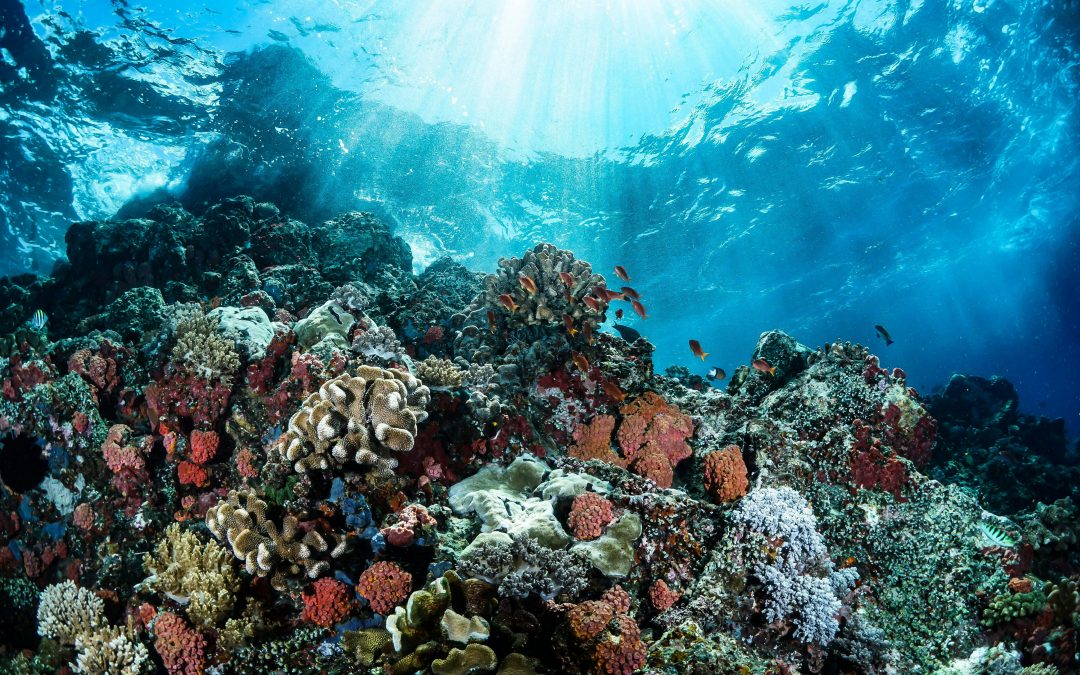
The Great Barrier Reef (GBR) is not dying; it is changing—faster than most of us imagined. If you’re planning to visit in 2025, you can still have luminous, awe‑filled days in the water. But the way you choose operators, reefs, and timing—and the way you move in the ocean—matters more than ever. This long‑form guide distills the latest science and the most practical traveler intel so you can do the trip right: respectfully, realistically, and joyfully.
Let’s begin with the truth that sets the plan: the summer of 2024 delivered the most spatially extensive mass‑bleaching event ever recorded on the GBR, followed by additional thermal stress into early 2025. That event, part of the fourth global bleaching episode declared in April 2024, pushed heat stress across all three regions—Northern, Central, and Southern GBR. The Australian Institute of Marine Science (AIMS) Long‑Term Monitoring Program’s 2024/25 annual summary (published 6 August 2025) reports substantial declines in average hard‑coral cover across the reef, with regional drops of roughly 14–30% compared with 2024 levels; some individual reefs saw losses above 70%. Fast‑growing Acropora corals—often the first to boom during recovery—were among the most heavily impacted this time.
AIMS emphasizes a new, unsettling pattern: volatility. Coral cover has yo‑yoed between lows and highs in unusually short cycles, a sign of an ecosystem under stress from heat, cyclones, flood plumes, and crown‑of‑thorns starfish (COTS) outbreaks. Yet AIMS also notes that considerable coral remains, with spatial variability and patchiness that matter enormously to a traveler’s experience; some reefs retained good cover, especially in the Central region, while others were hit hard. Newsrooms summarizing the report (e.g., ABC News and Al Jazeera) echoed these points: the largest decline on record for the northern and southern regions in a single year, a near return to long‑term averages in some areas, and a future in which heat events are more frequent.
Travel takeaways:
Mass bleaching is a stress response: corals expel their symbiotic algae (zooxanthellae) when sustained sea temperatures exceed their thresholds, losing color and, if stress persists, dying. Not all bleaching ends in mortality; recovery can occur if heat abates quickly. The trouble in 2024 was the sheer spatial extent and intensity of heat stress, combined with other disturbances (two cyclones in Dec 2023/Jan 2024, flood plumes, and localized COTS activity) that compounded impacts. AIMS’s program, which has monitored reefs for 39 years, provides the benchmarked, region‑by‑region context you should trust when evaluating sensational headlines.
For the traveler, this translates to a simple but powerful mindset: assume variability and seek operators who site‑select daily based on conditions. Between tidal windows, sun angle, wind, and swell, a skilled skipper can place you on a bommie with color, fish life, and soft corals—even during a tough year for Acropora.
Cairns & Port Douglas (Central Region gateways):
Townsville & Magnetic Island:
Airlie Beach / Whitsundays (Southern/central overlap):
Lady Elliot & Lady Musgrave (Capricorn‑Bunker, southern GBR):
Cooktown & Cape York (Northern GBR):
How to choose in 2025: If you want maximum site flexibility and the highest odds of good coral this year, the Central region around Cairns/Port Douglas is often the safest bet post‑2024 event (AIMS reported relatively better stability in parts of the central GBR compared with the north/south). If you value manta/turtle encounters and smaller capacity, consider southern gateways (Lady Elliot/Musgrave) or Whitsunday fringing reefs in the lee of the islands.
What “good” looks like in 2025:
Questions to ask before you book:
Why this matters: AIMS shows huge spatial variability post‑2024; local operator intelligence is the difference between a meh day and a memorable one. The best boats have skippers who study tides, wind, and visibility like sommeliers study terroir.
Throughout, remember that wind direction (SE trades vs northerlies), recent rainfall, and tidal timing drive day‑to‑day clarity. The operator that moves to the lee reef that morning gives you the win.
Outer‑shelf reefs (Cairns/Port Douglas):
Fringing reefs (Whitsundays):
Southern caps (Lady Elliot/Lady Musgrave):
Northern GBR & remote liveaboards:
Fin up, body flat, hands off.
No standing, no kneeling.
Sunscreen matters.
Wildlife etiquette.
Photography:
Why this matters in 2025: Recovery depends on recruitment (baby corals settling and surviving). One careless stand on a recovering patch is a setback the reef doesn’t need. AIMS underscores that faster‑growing corals that drove rapid rebounds between 2017 and 2024 took a heavy hit in 2024; we should give new cohorts every chance to take hold.
It’s normal to wonder whether you should go at all. Scientists, managers, and many Traditional Owners argue that thoughtful visitation is part of the solution: it funds reef management, sustains the operators who uphold best practice, and turns visitors into witnesses and advocates. AIMS’s 2025 report and conservation groups like WWF‑Australia emphasize that emissions reduction is the long game and that the reef’s future hinges on stronger climate targets alongside local stewardship. You can’t solve climate alone—but you can:
Flights & gateways: Cairns (CNS) for central outer reefs; Proserpine/Whitsunday Coast (PPP) or Hamilton Island (HTI) for Whitsundays; Bundaberg/Gladstone for southern reef day boats; regional flights for Lady Elliot (light aircraft). Build a weather buffer day into reef segments.
Accommodation:
Packing list (beyond the usual):
Insurance: Ensure your policy covers snorkeling/diving, weather disruptions, and—if you’re arriving by small aircraft to reef islands—aviation exclusions. (Some credit‑card policies don’t.)
Day 1: Arrive Cairns → sunset Esplanade walk, Night Markets snacks.
Day 2: Small‑group snorkel to two outer‑reef sites (operator rotates to the best vis).
Day 3: Daintree Rainforest day (shade for skin recovery), Mossman Gorge Boardwalk.
Day 4: Outer‑reef dive/snorkel #2 (different sites); add a citizen‑science log on board.
Day 5: Free morning → Reef Teach/museum session → twilight drinks at Wharf One.
Day 6: Buffer half‑day; if winds were rough earlier, this is your backup reef day → fly out.
Day 1: Fly to HTI/PPP → ferry to Airlie → sunset boardwalk.
Day 2: Sailing day with 2 fringing‑reef snorkels (slack‑tide timing).
Day 3: Whitehaven + Hill Inlet hiking and blues; late swim.
Day 4: Fringe‑reef freedom day (kayak/SUP; shore snorkel in a protected bay).
Day 5: Fly/ferry south to Lady Elliot Island → sunset reef flat walk (guided).
Day 6: Manta/turtle snorkel; afternoon citizen‑science talk; night sky.
Day 7: Glass‑off morning snorkel → fly out.
Day 8 (buffer): Weather slip day / mainland culture stop (Bundaberg Distillery & turtles season‑dependent).
Is the Great Barrier Reef still worth visiting in 2025 after the 2024 bleaching?
Yes—with adjusted expectations. AIMS’s 2025 report confirms significant regional declines but also substantial remaining coral and strong spatial variability. A skilled operator can still find colorful, fishy sites; think patchy beauty rather than uniform gardens.
Which region has the best odds of good snorkeling now?
It changes with weather, but Central GBR (Cairns/Port Douglas) retained notable patches and often has the most site flexibility. Southern gateways (Lady Elliot/Musgrave) can also shine for megafauna. Check recent operator reports and AIMS summaries.
What exactly did AIMS report in August 2025?
Following the 2024 mass bleaching, average hard‑coral cover declined 14–30% regionally, with the largest single‑year losses on record for the north and south. Many reefs remain above or near long‑term averages; conditions are highly variable reef‑to‑reef.
Can I help while visiting?
Book High Standard operators, log observations for citizen science, avoid contact with coral, use reef‑safe sunscreen, and support NGOs. WWF‑Australia and others are advocating for stronger 2035 emissions targets—lend your voice.
What about cyclones and floods—will they ruin my trip?
They’re part of the tropics. Build buffer days, use early‑morning departures for calmer seas, and let your operator move sites with wind. AIMS notes cyclones/floods compounded 2024–25 impacts; flexible planning is your best travel hedge.
Is a liveaboard still a good idea?
If you’re a diver with a flexible mindset, yes. Ask for current site photos, how itineraries have shifted post‑2024, and what alternative reefs they’re using if traditional favorites are recovering. Patchiness argues for skippers with wide playbooks.
The page you requested could not be found. Try refining your search, or use the navigation above to locate the post.
The page you requested could not be found. Try refining your search, or use the navigation above to locate the post.
The page you requested could not be found. Try refining your search, or use the navigation above to locate the post.
Our Newsletter
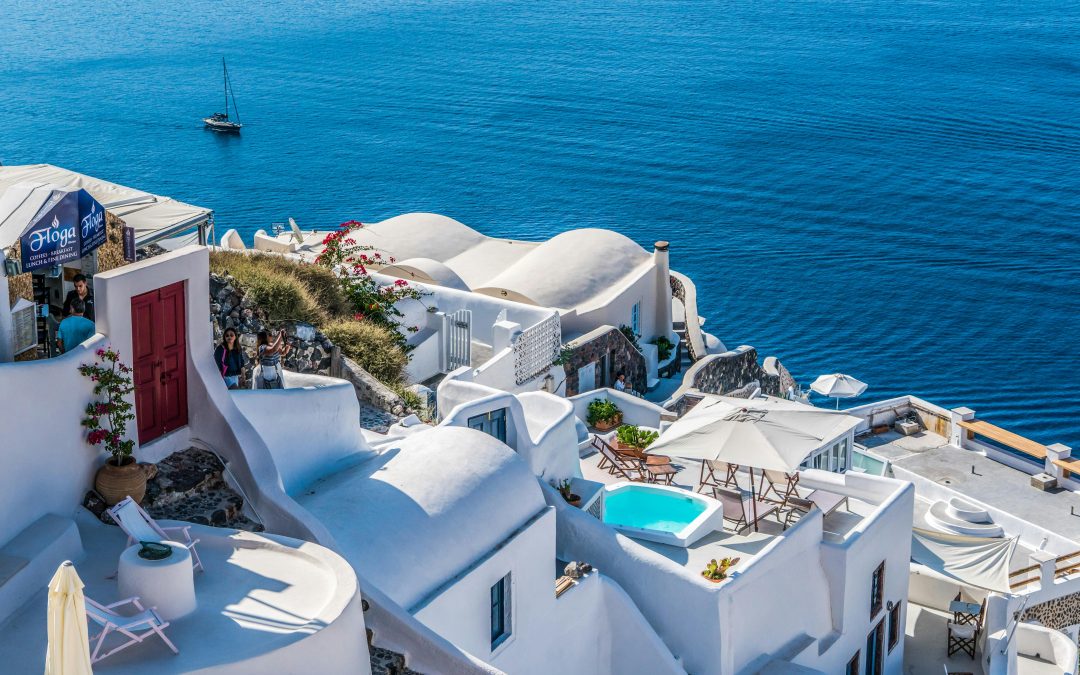
Santorini’s caldera is a crescent of obsidian cliffs fallen in love with light. But it’s also a laboratory for the future of tourism—where Greece is testing fees, caps, and smarter crowd management to keep a fragile island both livable and magical. If you’re planning Santorini in 2025, this deep‑dive shows you exactly how to navigate the new rules, beat the queues, and still find your own quiet corners of blue and white.
Santorini and its sister hotspot Mykonos have spent the last few years at the center of a global conversation on overtourism. In 2023 alone, Santorini hosted around 800 cruise ship calls bringing 1.3 million cruisers into a permanent‑resident population of roughly 15,500—a mismatch that strains streets, water, waste systems, and the very experience people come for. In response, the Greek government announced a package of measures geared to price, cap, and manage cruise flows more assertively from 2024–2025 onward. That includes a €20 cruise passenger fee for Santorini and Mykonos (lower fees for other ports) beginning in 2025, and the intent to limit berths/anchoring slots—with the prime minister naming Santorini and Mykonos as the top priorities for stricter control.
The cruise‑fee reform is part of a broader sustainability push that also raises the seasonal lodging tax and explores daily passenger caps; coverage through late 2024 and 2025 emphasized that Santorini’s target daily cap for cruise visitors is 8,000 passengers, combined with practical bottlenecks at the port itself. The island has additionally enforced operational throttling at the tender dock—limiting the number of passengers allowed to wait on the dock to about 500 at a time, with cruise tenders slowed until the queue clears. That throttling is meant to avoid unsafe crushes at the base of the cable car and in the stairway corridor (Karavolades Steps) leading to Fira.
Why you should care as an independent traveler: these measures dramatically reshape peak‑hour flows. Even if you’re staying on the island, your sunset in Oia, your cable‑car wait, or your rental‑car pickup can be affected by cruise arrival patterns and dock management. Understanding when and where congestion forms is now as essential as choosing a hotel with a view.
Key 2025 changes at a glance
Bottom line: Santorini is not “closed to cruises,” but flows are being priced and metered. For you, that means smarter timing—not skipping the island.
Late April–June (shoulder to early peak):
July–August (peak):
September–October (sweet spot):
November–March (quiet beauty):
Fira (Thira): Central and connected; great for first‑timers who want to ride buses and sample nightlife. The cable car lands here from the tender dock, so mid‑day can be intense—but if you’re staying in Fira, you can avoid moving when the peak hits.
Imerovigli: Still on the caldera path, but quieter than Oia and Fira. It’s the highest village along the rim, with stairways to secret terraces facing the Skáros Rock buttress. You’ll get high‑drama views without the scrum. Perfect for honeymooners and writers.
Oia: Iconic domes, tight alleys, legendary sunset. It’s also where the sunset crush is fiercest. Book Oia if your hotel faces the sunset directly and you’re committed to early‑morning wanders; otherwise, consider sleeping in Imerovigli and visiting Oia at dawn.
Pyrgos or Megalochori: Inland, traditional villages with breweries, bakeries, and courtyards. You can drive to viewpoints and beaches—with a quiet home base that dodges the caldera crowds. Ideal with a rental car.
Akrotiri area: Sleep near Red Beach and the Bronze‑Age ruins; great for south‑coast sunset at the lighthouse, and easier parking. You’ll trade a 20–40‑minute drive to Fira/Oia for calmer days.
Hotel pick strategy for 2025: Choose free‑cancellation rates (cruise slot allocations can alter daily rhythms), check walkability (stairs are everywhere), and confirm luggage help—porter support is worth its weight in gold in multilevel villages.
Day 1—Orient + Breathe
Day 2—South Loop & Akrotiri
Day 3—Oia at Dawn + Winery Afternoon
Watch the cruise day: If 2–4 large ships are in, the tender dock throttling (500‑person limit) means ship‑to‑shore takes longer and cable‑car lines extend. Visit Oia at dawn, not sunset; or save Oia for late night when the crowd evaporates.
Cable car vs. stairs: The Karavolades Steps (588 steps) are steep and slick in heat; descending is harder on knees than climbers think. If you must ride the cable car on a cruise‑packed afternoon, expect queuing; better to plan Fira at non‑cruise hours.
Lunch hour hack: Book 11:30–12:00 or 15:00–16:00 seatings to dodge the main push. Make restaurant reservations in Oia two days ahead in July–August.
Sunset without the crush: The Akrotiri Lighthouse delivers the same sunball dropping into the Aegean, with the caldera cliffs in profile and vastly fewer elbows. The Profitis Ilias ridge can also frame magic light without pressure.
Photo etiquette: Don’t step on domes or private roofs; no drones in crowded heritage areas; ask if you’re photographing a bride/maiko‑style shoot (yes, they happen here too). The island is cracking down on unsafe roof scrambling.
Akrotiri: Europe’s Pompeii of the Aegean—multi‑story houses, drainage, frescoes. A morning here reframes Santorini as the apex of Bronze‑Age seamanship rather than a postcard. The protective roof makes it comfortable even in heat.
Caldera Trail (Oia–Imerovigli–Fira): Choose Imerovigli–Fira if you’re short on time; you still pass Skáros Rock vistas and tiled terraces without commiting to the full 10–11 km.
Prehistoric Thera Museum (Fira): Urban planning in fresco and clay. Great on a windy afternoon.
Megalochori: Peach‑pink bell towers, hidden courtyards, low‑pressure wine bars.
Pyrgos: A medieval hilltop village; climb at sunset for panoramic color.
Beaches:
Santorini is volcanic vineyard country. Indigenous Assyrtiko thrives in windswept, water‑starved soils thanks to the traditional kouloura (basket) pruning that shelters grapes near the ground. Book tastings late afternoon after cruise passengers re‑board; sunsets over terraced vines are unforgettably calm.
Reservations: The top Oia terraces (and high‑perched Imerovigli dining rooms) are limited; in July–August, book 48–72 hours out for dinner. If you want a sunset seating, specify “caldera‑facing outdoor table”; confirm wind screens or blankets when meltemi blows.
What to order:
Heat & hydration: The Aegean sun is intense; carry water—especially since port rules have reportedly banned cruise‑ship water stations on the dock (partly to reduce plastic clutter and dwell time). Expect to carry your own refillable bottle when tendering ashore.
Stair logistics: Book luggage help; packs are easier than rolling suitcases for Oia/Imerovigli stairs.
Driving & parking: Roads are narrow; park outside Oia core and walk. At lighthouse sunset, arrive early; spots are limited.
Respect private property: Many “rooftops” in photos are private terraces; enforcement has grown stricter in 2024–2025 as islanders push back on dangerous trespass.
Cruise passenger fee: If you arrive by cruise, expect the €20 fee in 2025 for Santorini (and Mykonos). For independent travelers flying or ferrying in, this fee does not apply—but you’ll encounter the higher seasonal lodging tax in peak months. Greece indicated the fee revenue targets climate resilience and infrastructure that overtourism stresses.
Card acceptance: Broad, but carry some euros for rural kiosks, buses, and tips.
ATMs: In Fira and Oia, ATMs are common; expect lines around cruise peaks.
Connectivity: Signal is strong in caldera villages; dropouts occur on beach roads.
Are there new visitor caps?
Greece has signaled daily limitations around 8,000 cruise passengers for Santorini and is implementing berth/slot controls to meter calls. This sits alongside a €20 cruise passenger fee at Santorini/Mykonos, broader lodging‑tax changes, and portside dock crowd limits (~500 people at a time) intended to reduce congestion.
Will my cruise skip Santorini because of congestion?
Some lines already adjusted itineraries in 2024 due to congestion; for 2025, lines will likely compete for limited slots and tweak call times. Check your cruise line’s app for tender windows and all‑aboard updates on the day.
Is the cable car the only way up from the port?
No—there are stairs (Karavolades) and donkey rides are controversial and discouraged. The cable car is the fastest, but on multi‑ship days you may wait. The dock throttling policy keeps only ~500 people queued on the dock at any moment for safety; tenders slow until the queue shrinks.
How do I avoid the sunset crush in Oia?
Go at dawn instead; or watch sunset from Akrotiri Lighthouse, Imerovigli terraces, or Profitis Ilias. For Oia sunsets, book a restaurant balcony and arrive well before golden hour.
What’s the best base for a calm trip?
Imerovigli for high drama without chaos; Pyrgos/Megalochori for authentic village rhythm and easy parking; Akrotiri for ruins + lighthouse sunsets; Kamari/Perivolos for beach promenades.
Can I still get “the shot” of blue domes?
Yes—at dawn, be respectful, and do not step on private roofs. The light is better and lanes are empty; your photos (and neighbors) will thank you.
The page you requested could not be found. Try refining your search, or use the navigation above to locate the post.
The page you requested could not be found. Try refining your search, or use the navigation above to locate the post.
The page you requested could not be found. Try refining your search, or use the navigation above to locate the post.
Our Newsletter
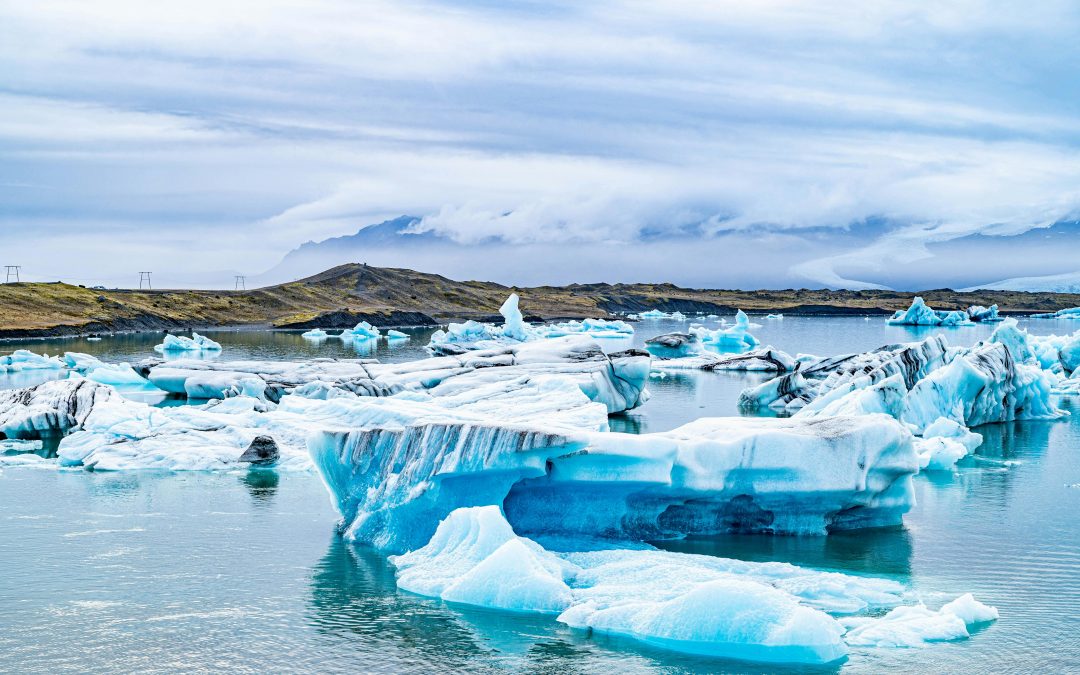
There’s a moment at the Blue Lagoon when the steam parts and the lava field reveals itself—black, lunar, silent except for the wind. In 2025, that silence carries new meaning. This is a spa in the middle of an active volcanic peninsula, protected by new barriers and real‑time gas monitoring, open between eruption events, and still—miraculously—one of the most restorative places on Earth.
Short answer: Yes—open between eruption events and operating under enhanced safety measures, with protective berms, air‑quality sensors, and a clear evacuation protocol coordinated with Iceland’s Civil Protection authority. When seismic activity spikes, closures can occur; when risk falls, the lagoon reopens (often quickly). Air traffic to/from Keflavík has remained normal during the recent 2025 activity. Always check the official status page on the morning of your visit.
Bottom line: It’s different to visit a geothermal spa in an active volcanic system than in a sleepy hot‑spring valley. But Iceland is highly prepared, and the Blue Lagoon has become a case study in safety‑minded operations during an eruption cycle—closing when needed, reopening when safe, and investing in protective infrastructure and monitoring that’s visible on site.
Since 2021, the Reykjanes Peninsula has entered a new multi‑year eruptive phase, with fissure eruptions at Fagradalsfjall (2021–2023) and Sundhnúkur (2023–2025). In 2025, a July eruption triggered short, precautionary closures—including evacuations of Grindavík and the Blue Lagoon—before activity waned and access reopened in mid‑ to late‑July and early August. Civil Protection reduced the response level after the event abated, and local authorities reminded travelers that most of Iceland’s attractions and infrastructure are unaffected.
Travel takeaway: In this new normal, your Iceland trip is not an all‑or‑nothing gamble. It’s a plan‑flexibility exercise: book the Blue Lagoon with free changes, build an alternative spa plan (see §7), and keep one eye on official updates.
The lagoon sits beside the Svartsengi geothermal plant, which feeds its silica‑rich, milky‑blue waters. Since late‑2023, a suite of measures has been installed or reinforced:
Meanwhile, the experience remains itself: 1.6 million gallons (replenished roughly every two days) of warm, mineral‑rich water; on‑water mask bars; saunas and steam rooms; and, for Retreat guests, private lagoons and a subterranean spa with the ritual of silica, algae, and mineral salt. For spa escapists, this is a bucket‑list soak—even more potent when it’s snowing or sleeting and you’re submerged in blue heat.
The flip side of the eruption cycle is unpredictability—but Iceland’s hospitality sector has adapted: the lagoon has closed and reopened several times since late‑2023; hotels run shuttles when parking is offline; and communications arrive promptly by email/SMS if schedules shift. Media coverage through 2024 documented how lava impacted the car park, with on‑the‑ground shuttles used while protective works continued—a reminder to choose flexible bookings and backup spa plans.
Pro tip: If your flight lands early at Keflavík (KEF), drop your bags and book the lagoon as a jet‑lag reset before heading into Reykjavík. If you’re on a late flight out, flip the logic: end your trip in the water, then go blissed‑out to the airport. (Always check same‑day operational status.)
The Blue Lagoon sells timed entries and several tiers (from basic comfort to premium bundles with robes, drinks, and dining). Because eruption‑related closures can pop up, choose:
How far in advance? In peak seasons and holidays, book weeks out for prime slots. For shoulder seasons, days to a week can suffice—unless you want Retreat Spa treatment times, which sell out earlier. Blue Lagoon’s own status page will influence your timing—if an eruption just ended and reopening has been announced, day‑one slots can go fast.
Payment & vouchers: Buy direct for the clearest change/cancel rules. If purchasing via a third‑party voucher, read the fine print about date changes should Civil Protection raise alert levels. (In July 2025, some bookings were paused and then rescheduled as access reopened.)
Sky Lagoon (Kópavogur): 15 minutes from central Reykjavík, with an infinity‑edge view of Faxaflói Bay. As Matador Network noted during a Blue Lagoon closure period in 2024, Sky Lagoon is not exposed to the same eruption zone and is a reliable stand‑in if Blue Lagoon is temporarily shut. Book the Seven‑step Ritual for a hot/cold/steam flow.
Secret Lagoon (Flúðir): Iceland’s oldest public pool (1891) in a rural setting ~1.5–2 hours from Reykjavík—rustic, atmospheric, and a natural‑pool vibe. Especially good if your Golden Circle day runs long and you want a final soak where steam vents puff along the edges.
Local pools: Don’t overlook municipal hot‑water culture—Laugardalslaug in Reykjavík, or smaller neighborhood pools with hot pots and steam rooms. If the peninsula acts up, Iceland’s pool network keeps your spa day on track.
Exact prices adjust by slot and season; the official site shows live pricing for Comfort, Premium, and Retreat experiences. To keep costs in check:
Sky Lagoon: Book Pure or Sky passes. The Seven‑step ritual (cold plunge, sauna with ocean view window, cold mist, etc.) delivers a strong thermal cycle. Pros: close to Reykjavík, stunning bay views, reliable access during Reykjanes spikes. Cons: not the same milky silica—this is a different aesthetic.
Secret Lagoon (Flúðir): Rural, old‑school. Pros: relaxed and authentic; works beautifully after Golden Circle sightseeing. Cons: farther drive; fewer amenities than Blue Lagoon/Retreat.
Fontana (Laugarvatn) and Krauma (Borgarfjörður) can also sub in depending on your route: geothermal steam baths, hot/cold pools, and minimalist Nordic designs—a broader hot‑spring culture that thrives even if Reykjanes is temporarily tense.
Is the Blue Lagoon open in 2025?
Yes—between eruption events the lagoon operates with reinforced safety (protective berms, gas sensors, evacuation plan). Always check the lagoon’s Seismic Activity page the morning of your visit for the latest, because closures and reopenings can occur quickly as Civil Protection phases change.
Are flights disrupted by the eruptions?
As of July–August 2025, the Government of Iceland reports normal air traffic during localized Reykjanes eruptions; evacuations happen near the fissures, not across the country. Travelers with respiratory conditions should monitor air‑quality advisories.
What happened in July–August 2025?
An eruption began July 16 at the Sundhnúkur crater row; precautionary evacuations included Grindavík and the Blue Lagoon. As activity waned, authorities reopened access (Blue Lagoon included) and downgraded the alert. The eruption ended Aug 5, 2025.
How can I minimize the chance of a last‑minute cancellation?
Book flexible tickets, choose off‑peak slots (which are easier to move), and maintain a backup spa booking at Sky Lagoon or Secret Lagoon. Check Blue Lagoon and Visit Reykjanes updates 48–12 hours before your slot.
Is the water the same as before?
Yes—the lagoon is fed by the Svartsengi geothermal plant, rich in silica and minerals. The milky‑blue color and skin‑softening feel are the same, though you should treat hair with conditioner and rinse jewelry separately (standard Blue Lagoon advice).
What should I do if the lagoon closes on my day?
Expect an email/SMS with options. Rebook to a later slot or pivot to Sky Lagoon near Reykjavík. If you’ve booked Retreat lodging, the hotel will coordinate alternatives or rebookings.
If anything, the Reykjanes era has made the Blue Lagoon feel more Icelandic—not less. You feel the planet breathing here: steam hissing out of rock, wind shifting clouds, safety lines painted on black lava, staff radios crackling with air‑quality updates. Iceland never promised a static, theme‑park geothermal dip; it offers a living geology lesson that is also, improbably, one of the world’s best spa experiences. The silica still coats your skin like moon dust; the sauna window still frames clouds racing across the peninsula; the Northern Lights still—on some gifts of a night—unfurl above the steam.
Go with respect for the land and the people who steward it. Read the status page. Show up on time. Follow instructions if the wind turns or gas drifts. And then—sink under the blue, let the heat and minerals do their work, and remember that in 2025, to soak here is to live inside a geology story that’s still being written.
The page you requested could not be found. Try refining your search, or use the navigation above to locate the post.
The page you requested could not be found. Try refining your search, or use the navigation above to locate the post.
The page you requested could not be found. Try refining your search, or use the navigation above to locate the post.
Our Newsletter

Using public transportation with children while traveling isn’t just about saving money – it’s about transforming mundane transport into an integral part of the adventure that creates lasting memories and teaches invaluable life skills.
Why Public Transit Excites Kids:
Children see public transportation completely differently than adults. What we consider routine, they experience as adventure. The document emphasizes that for kids, buses, trains, and trams aren’t mere transportation – they’re exciting experiences offering window views, people watching, and the thrill of movement through new cities.
Making Transit Fun and Educational:
The Adventure Narrative: Frame each journey as a quest. “We’re taking the underground dragon (subway) to the castle (museum)!” Children engage more when transportation has story elements.
Window Seat Strategy: Always aim for window seats. Kids can spot landmarks, count red cars, or play “I Spy” with passing scenes. This keeps them engaged and prevents boredom.
Transportation Bingo: Create cards with items to spot: blue buses, dogs, tall buildings, bridges. First to complete a line wins a small prize.
Map Masters: Give older children their own transit maps. Let them track routes, count stops, and announce arrivals. This builds geography skills and ownership of the journey.
Safety Essentials:
Contact Information: Use arm bracelets with contact information, or write phone numbers on arms with permanent marker. Thick hair bands work as improvised contact bracelets
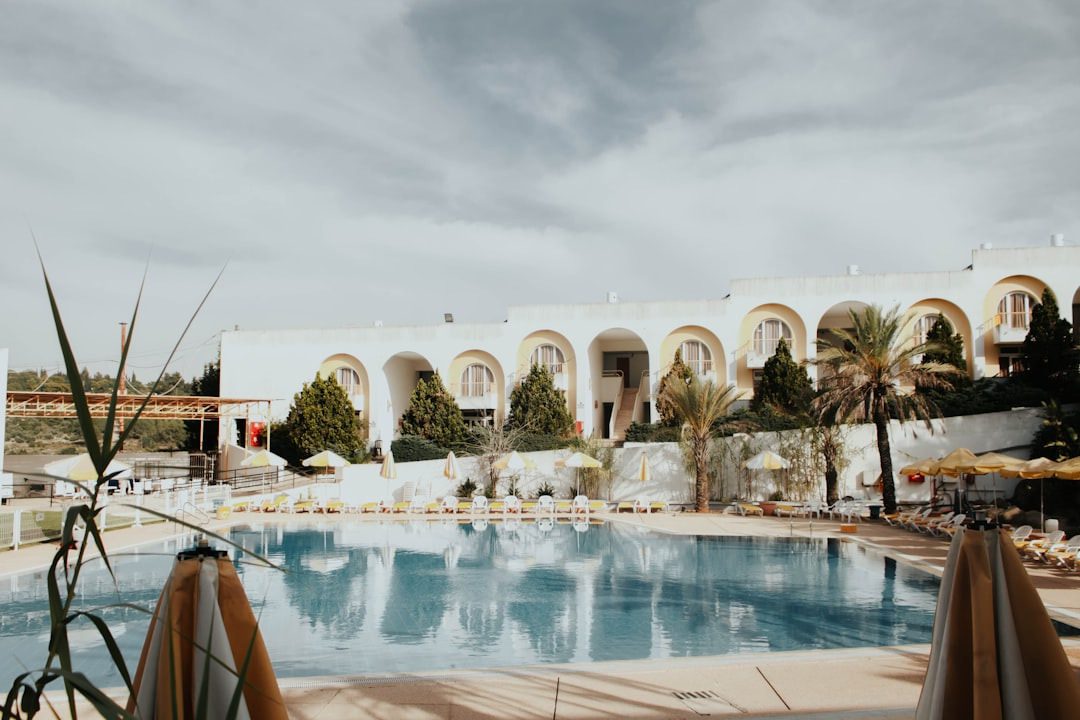
The Caribbean is crowded with “luxury” promises—but not all luxury is created equal. Some properties bulldoze dunes for infinity pools; others build boardwalks to protect turtle nests. Some import everything; others source local, hire local, and give back. This post is your decision compass: how to read between the brochure lines and book a stay that feels good in every sense.
The Caribbean is crowded with “luxury” promises—but not all luxury is created equal. Some properties bulldoze dunes for infinity pools; others build boardwalks to protect turtle nests. Some import everything; others source local, hire local, and give back. This post is your decision compass: how to read between the brochure lines and book a stay that feels good in every sense.
The Caribbean is crowded with “luxury” promises—but not all luxury is created equal. Some properties bulldoze dunes for infinity pools; others build boardwalks to protect turtle nests. Some import everything; others source local, hire local, and give back. This post is your decision compass: how to read between the brochure lines and book a stay that feels good in every sense.
Our Newsletter
 English
  Français
  Español