Sustainable Rhythms

Sustainable Rhythms

Sustainable Rhythms: How Music Festivals Are Redefining Travel and Conscious Exploration

Introduction: The Beat of a New Kind of Travel

Music festivals have long been synonymous with escape—an immersive blend of sound, culture, and community. But in 2025, they’re becoming something more: a platform for sustainable travel, cultural exchange, and social progress. From Uganda’s Nyege Nyege to Portugal’s Afro Nation, festivals are reshaping how we move through the world.

This blog post explores how music festivals are evolving into conscious travel experiences. Inspired by the coverage of global festival trends, we’ll dive into the ways these events are championing sustainability, gender equity, and diasporic connection—while still delivering unforgettable vibes.


1. The Rise of the Conscious Festival

Gone are the days when festivals were just about music. Today’s events are:

  • Culturally rooted
  • Environmentally aware
  • Socially inclusive

They’re designed not only to entertain but to educate, empower, and connect. Travelers are no longer passive attendees—they’re participants in a global movement.


2. Diasporic Dynamics: Festivals as Cultural Bridges

Diaspora-focused festivals are creating space for identity, heritage, and pride. They celebrate the richness of global Black, Indigenous, and multicultural communities.

Afro Nation (Portugal)

Held in Portimão, Afro Nation is a celebration of Afrobeats, dancehall, and hip-hop. With headliners like Burna Boy and Musa Keys, it’s more than a party—it’s a cultural homecoming.

  • Why it matters: Afro Nation connects African diasporas across Europe, Africa, and the Americas. It’s a space for reclaiming narratives and celebrating roots.

We Out Here (UK)

Founded by Gilles Peterson, this August festival showcases British jazz, soul, and underground sounds.

  • Why it matters: It highlights local talent and community, offering a counter-narrative to mainstream festival culture.

Nyege Nyege (Uganda)

Celebrating East African underground music, Nyege Nyege turns 10 this year. It’s a vibrant mix of electronic, traditional, and experimental sounds.

  • Why it matters: Nyege Nyege is a beacon for African creativity, resilience, and innovation. It’s also a model for grassroots festival organization.

3. Gender Equity on Stage

Historically, festival lineups have been male-dominated. But 2025 is seeing a shift.

The Numbers

  • In 2024, men made up 60% of UK festival performers.
  • In 2025, women and non-binary artists are headlining more than ever.

Key Artists Leading the Change

  • Charli XCX
  • Olivia Rodrigo
  • Doechii
  • Sabrina Carpenter
  • Raye
  • Chappell Roan

These artists aren’t just performing—they’re reshaping the industry. Their presence signals a broader commitment to representation and equity.


4. Low-Carbon Lift-Off: Sustainability Takes Center Stage

Festivals are notoriously resource-intensive. But a new wave of events is proving that music and sustainability can coexist.

Massive Attack’s Influence

The band’s low-carbon tour set a precedent. Now, festivals are following suit.

Green Festivals to Watch

  • Øyafestivalen (Oslo): 100% renewable energy, 95% organic food
  • Les Escales (France): High sustainability ratings
  • BST Hyde Park (London): Certified by A Greener Future

Sustainable Practices Include:

  • Solar-powered stages
  • Compost toilets
  • Reusable cups and plates
  • Local food sourcing
  • Carbon offset programs

5. Travel Meets Transformation: Why Festivals Are Ideal for Conscious Exploration

Festivals offer a unique travel experience:

  • Immersion: You’re not just visiting—you’re participating.
  • Connection: Meet people from around the world with shared values.
  • Discovery: Explore new music, ideas, and cultures.
  • Reflection: Many festivals now include wellness zones, workshops, and talks.

6. Planning Your Sustainable Festival Journey

A. Choose Your Festival Wisely

Look for events that prioritize:

  • Local culture
  • Sustainability
  • Inclusivity
  • Transparency

B. Travel Responsibly

  • Use trains, buses, or carpooling
  • Offset your carbon footprint
  • Pack light and eco-friendly

C. Support Local Economies

  • Stay in locally owned accommodations
  • Eat at community-run food stalls
  • Buy from local artisans

D. Respect the Space

  • Leave no trace
  • Follow recycling and waste guidelines
  • Be mindful of noise and behavior

7. Festival Spotlights: Where to Go in 2025

1. Nyege Nyege (Uganda)

  • When: Autumn 2025
  • Why go: East African underground music, riverside setting, cultural immersion

2. Afro Nation (Portugal)

  • When: July 2025
  • Why go: Afrobeats, beach vibes, diasporic celebration

3. We Out Here (UK)

  • When: August 2025
  • Why go: Jazz, soul, community, workshops

4. Øyafestivalen (Norway)

  • When: August 2025
  • Why go: Greenest festival in Europe, eclectic lineup

5. Les Escales (France)

  • When: Summer 2025
  • Why go: Sustainability, global music, seaside charm

8. Voices from the Crowd: Festival Travelers Reflect

Tariq, 31, Nairobi

“Nyege Nyege changed my life. I met artists from across Africa and felt part of something bigger.”

Lina, 26, Berlin

“Afro Nation was a celebration of identity. I danced, cried, and connected with my roots.”

Sam, 40, London

“We Out Here felt like home. It was music, yes—but also healing, learning, and growing.”


9. The Future of Festivals: What’s Next?

Expect to see:

  • More hybrid events: Combining in-person and virtual experiences
  • Greater accessibility: For disabled and neurodiverse attendees
  • Expanded wellness offerings: Yoga, meditation, mental health support
  • Deeper local partnerships: With artists, farmers, and educators

Festivals are becoming microcosms of the world we want to build—creative, inclusive, and sustainable.


Conclusion: Dance with Purpose, Travel with Heart

Music festivals are no longer just escapes—they’re invitations to engage. They offer a new kind of travel: one that’s rooted in rhythm, community, and care. Whether you’re dancing under African stars or meditating in a Norwegian forest, you’re part of a movement.

So pack your reusable water bottle, your open heart, and your curiosity. The world is waiting—and the music is calling.

More From This Category

The Premium Cabin Revolution

The Premium Cabin Revolution

There is a moment, boarding a long-haul flight in business class for the first time, when something fundamental shifts in your understanding of what air travel can be. The cabin is quiet. The seats are wide. A crew member takes your jacket and offers you a drink before the doors have even closed. You lower yourself into a seat that reclines, flat, into a bed.

read more
The Premium Cabin Revolution

The Premium Cabin Revolution

There is a moment, boarding a long-haul flight in business class for the first time, when something fundamental shifts in your understanding of what air travel can be. The cabin is quiet. The seats are wide. A crew member takes your jacket and offers you a drink before the doors have even closed. You lower yourself into a seat that reclines, flat, into a bed.

read more
The Premium Cabin Revolution

The Premium Cabin Revolution

There is a moment, boarding a long-haul flight in business class for the first time, when something fundamental shifts in your understanding of what air travel can be. The cabin is quiet. The seats are wide. A crew member takes your jacket and offers you a drink before the doors have even closed. You lower yourself into a seat that reclines, flat, into a bed.

read more

Comments

Our Newsletter

Travel Smart

Travel Smart

Travel Smart: Why Off-Season Adventures Are the Best Decision You’ll Ever Make

Introduction: The Secret Club of Off-Season Travelers

Imagine strolling through the cobbled streets of Florence in September, sipping espresso without a crowd jostling for the same café table. Or hiking the Amalfi Coast in October, with golden light and quiet trails. Welcome to the world of off-season travel—a realm where savvy explorers trade peak-season chaos for serenity, savings, and authenticity.

In this blog post, we’ll explore why traveling off-season isn’t just a budget-friendly choice—it’s a transformative way to experience the world. Drawing inspiration and real-world examples, we’ll uncover how off-season travel can elevate your journeys from ordinary to unforgettable.


1. What Is Off-Season Travel—and Why It Matters

Off-season travel refers to visiting destinations during their quieter periods, typically outside of school holidays, summer peaks, and major festivals. These windows vary by region:

  • Europe: Late spring (May–June) and early autumn (September–October)
  • Asia: Shoulder months like April or November
  • North America: Post-summer (September–November) or winter (January–February)

Why does this matter? Because tourism is cyclical. During peak season, prices soar, crowds swell, and locals brace for the influx. Off-season, however, offers:

  • Lower prices on flights and accommodations
  • Easier access to attractions
  • More meaningful interactions with locals
  • A slower, more immersive pace

2. Off-Season Philosophy

“July and August are much too hot and crowded—and if you don’t have kids in school, why not take advantage of how wonderfully empty London is during this time?”

Traveling in June, September, and October, when destinations like Amalfi, Sicily, Saint-Tropez, and Seville are still warm but blissfully uncrowded. Her approach reflects a growing movement: travelers who prioritize experience over timing.


3. The Tangible Benefits of Traveling Off-Season

A. Financial Freedom

Off-season travel can slash your budget by 30–50%. Airlines and hotels drop prices to attract visitors, and you’ll often find:

  • Free upgrades
  • Flexible cancellation policies
  • Discounted tours and experiences

B. Fewer Crowds, More Access

Ever tried visiting the Louvre in July? You’ll spend more time queuing than admiring art. In contrast, off-season means:

  • Shorter lines
  • Easier reservations
  • Unobstructed views

C. Authentic Local Experiences

Locals are more relaxed and open when not overwhelmed by tourists. You’ll find:

  • Genuine conversations
  • Invitations to community events
  • A deeper understanding of culture

4. Case Studies: Where Off-Season Travel Shines

A. Italy in September

The heat softens, the crowds thin, and the vineyards burst with harvest energy. Tuscany, Umbria, and the Amalfi Coast are ideal for wine tours, villa stays, and scenic drives.

B. Thailand in May

Before the monsoon season, Thailand enjoys warm weather and fewer tourists. Explore Chiang Mai’s temples or relax on Koh Samui’s beaches with off-peak tranquility.

C. Iceland in October

Northern lights begin to dance, and the landscape glows with autumn hues. Fewer tourists mean better chances to enjoy geothermal spas and glacier hikes.

D. New York City in November

Fall foliage, Thanksgiving buzz, and pre-holiday sales make NYC magical. Museums, Broadway shows, and Central Park are all more accessible.


5. Planning Your Off-Season Escape

A. Research Destination Cycles

Use tools like Google Trends, Skyscanner, and local tourism boards to identify low seasons.

B. Check for Seasonal Closures

Some attractions or restaurants may close during off-season. Always verify opening hours and availability.

C. Pack Smart

Off-season weather can be unpredictable. Layered clothing, waterproof gear, and flexible footwear are essential.

D. Book Early—but Stay Flexible

While prices are lower, some off-season deals are limited. Book early for best rates, but choose refundable options in case plans change.


6. The Ethical and Environmental Impact

Traveling off-season isn’t just good for you—it’s good for the planet.

A. Reducing Overtourism

Popular destinations like Venice, Barcelona, and Bali suffer from overcrowding. Off-season travel helps distribute tourism more evenly.

B. Supporting Local Economies Year-Round

Your visit during quieter months helps sustain jobs and businesses that rely on tourism.

C. Lower Carbon Footprint

Fewer flights, less congestion, and reduced strain on infrastructure contribute to more sustainable travel.


7. Voices from the Road: Off-Season Travelers Speak

Anna, 34, Berlin

“I visited Santorini in November. It was quiet, the sunsets were still stunning, and I paid half the summer rate for a cliffside suite.”

Jamal, 42, Toronto

“I hiked the Scottish Highlands in April. No midges, no crowds—just me, the mist, and the mountains.”

Lucie, 29, Paris

“I went to Kyoto in early December. The temples were serene, and I got to see the last of the autumn leaves without the tourist rush.”


8. Top 10 Off-Season Destinations for 2025

Here are 10 places to explore off-season:

  1. Lesbos, Greece – Mythical landscapes and olive groves in September
  2. Cap Ferret, France – Oyster shacks and dune walks in October
  3. Cagliari, Sardinia – Slow living and Blue Zone wellness in May or September
  4. Ring of Kerry, Ireland – Cliffside beauty and local crafts in April
  5. Inner Hebrides, Scotland – Sail into solitude in June
  6. Tokyo, Japan – Cherry blossoms in March or autumn colors in November
  7. Tuscany & Umbria, Italy – Villa escapes and wine harvests in September
  8. Istanbul, Turkey – Cultural immersion in April or October
  9. Bali, Indonesia – Quiet beaches and spiritual retreats in May
  10. New Zealand – Spring blooms and empty trails in October

Conclusion: The Joy of Traveling Against the Grain

Off-season travel is more than a strategy—it’s a mindset. It’s about choosing depth over speed, connection over consumption, and discovery over distraction. Whether you’re sipping wine in Tuscany or hiking in Iceland, the off-season offers a richer, more personal way to see the world.

So next time you plan a trip, ask yourself: What if I went when no one else does?

You might just find the world waiting for you—quiet, beautiful, and yours to explore.

More From This Category

The Premium Cabin Revolution

The Premium Cabin Revolution

There is a moment, boarding a long-haul flight in business class for the first time, when something fundamental shifts in your understanding of what air travel can be. The cabin is quiet. The seats are wide. A crew member takes your jacket and offers you a drink before the doors have even closed. You lower yourself into a seat that reclines, flat, into a bed.

read more
The Premium Cabin Revolution

The Premium Cabin Revolution

There is a moment, boarding a long-haul flight in business class for the first time, when something fundamental shifts in your understanding of what air travel can be. The cabin is quiet. The seats are wide. A crew member takes your jacket and offers you a drink before the doors have even closed. You lower yourself into a seat that reclines, flat, into a bed.

read more
The Premium Cabin Revolution

The Premium Cabin Revolution

There is a moment, boarding a long-haul flight in business class for the first time, when something fundamental shifts in your understanding of what air travel can be. The cabin is quiet. The seats are wide. A crew member takes your jacket and offers you a drink before the doors have even closed. You lower yourself into a seat that reclines, flat, into a bed.

read more

Comments

Our Newsletter

Public Transportation with Kids

Public Transportation with Kids

Public Transportation with Kids – Transform Transit into Adventure

Using public transportation with children while traveling isn’t just about saving money – it’s about transforming mundane transport into an integral part of the adventure that creates lasting memories and teaches invaluable life skills.

Why Public Transit Excites Kids:

Children see public transportation completely differently than adults. What we consider routine, they experience as adventure. The document emphasizes that for kids, buses, trains, and trams aren’t mere transportation – they’re exciting experiences offering window views, people watching, and the thrill of movement through new cities.

Making Transit Fun and Educational:

The Adventure Narrative: Frame each journey as a quest. “We’re taking the underground dragon (subway) to the castle (museum)!” Children engage more when transportation has story elements.

Window Seat Strategy: Always aim for window seats. Kids can spot landmarks, count red cars, or play “I Spy” with passing scenes. This keeps them engaged and prevents boredom.

Transportation Bingo: Create cards with items to spot: blue buses, dogs, tall buildings, bridges. First to complete a line wins a small prize.

Map Masters: Give older children their own transit maps. Let them track routes, count stops, and announce arrivals. This builds geography skills and ownership of the journey.

Safety Essentials:

Contact Information: Use arm bracelets with contact information, or write phone numbers on arms with permanent marker. Thick hair bands work as improvised contact bracelets


More From This Category

The Premium Cabin Revolution

The Premium Cabin Revolution

There is a moment, boarding a long-haul flight in business class for the first time, when something fundamental shifts in your understanding of what air travel can be. The cabin is quiet. The seats are wide. A crew member takes your jacket and offers you a drink before the doors have even closed. You lower yourself into a seat that reclines, flat, into a bed.

read more
The Premium Cabin Revolution

The Premium Cabin Revolution

There is a moment, boarding a long-haul flight in business class for the first time, when something fundamental shifts in your understanding of what air travel can be. The cabin is quiet. The seats are wide. A crew member takes your jacket and offers you a drink before the doors have even closed. You lower yourself into a seat that reclines, flat, into a bed.

read more
The Premium Cabin Revolution

The Premium Cabin Revolution

There is a moment, boarding a long-haul flight in business class for the first time, when something fundamental shifts in your understanding of what air travel can be. The cabin is quiet. The seats are wide. A crew member takes your jacket and offers you a drink before the doors have even closed. You lower yourself into a seat that reclines, flat, into a bed.

read more

Comments

Our Newsletter

The Caribbean Directory

The Caribbean Directory

The Caribbean Directory: How to Choose Resorts, Villas & Eco‑Stays That Actually Walk the Talk

The Caribbean is crowded with “luxury” promises—but not all luxury is created equal. Some properties bulldoze dunes for infinity pools; others build boardwalks to protect turtle nests. Some import everything; others source local, hire local, and give back. This post is your decision compass: how to read between the brochure lines and book a stay that feels good in every sense.


The 5 pillars of a conscious Caribbean stay

  1. Location with logic
    • Built on previously disturbed land, not fresh‑cut mangroves.
    • Natural buffers (dunes, vegetation) intact for storm resilience.
  2. Water wisdom
    • Rainwater harvesting, greywater reuse for gardens.
    • Low‑flow fixtures and linen‑reuse policies that aren’t lip service.
  3. Energy sense
    • Solar or hybrid systems; backup generators only for essentials.
    • Smart cooling: cross‑ventilation, ceiling fans, shaded glazing.
  4. Community connection
    • 80%+ local staff, fair wages, training programs.
    • Partnerships with local farmers, fishers, and artisans.
  5. Nature‑first design
    • Boardwalks over dunes, shielded lights during turtle season.
    • Native landscaping; no invasive ornamentals.


How to decode the marketing

  • “Eco‑friendly” ≠ proof. Ask for certifications (Green Globe, EarthCheck) or specifics (kWh from solar, % local hires).
  • “Farm‑to‑table”: Whose farm? Ask which dishes feature island‑grown produce.
  • “Marine access”: Are they funding reef moorings or anchoring on coral?
  • “Wellness”: Is it yoga on a bulldozed bluff or a pavilion built without blasting rock?


Three stay styles, done right

Boutique barefoot luxe

Think overwater villas in Aruba that use reclaimed wood and rainwater systems; or eco‑lodges in Dominica running on solar and wind.
Why it works: Small footprint, big soul.

Family‑friendly all‑inclusive

Yes, it can be ethical: look for resorts with reef‑protection fees, plastic bans, and local sourcing for kids’ menus.

Private villas

Great for groups—if you choose ones with greywater gardens, solar pools, and community chefs instead of imported catering crews.


Booking hacks that shift the needle

  • Ask three questions before you pay:
    1. How do you manage water?
    2. How much of your team is local?
    3. What’s your single biggest sustainability win last year?
  • Book shoulder season: Cuts overtourism stress and often halves your rate.
  • Bundle experiences: A villa + local chef + reef tour keeps money in the island loop.


The “impact checklist” (print or screenshot)

Community give‑back (school, reef, culture)

Solar or hybrid energy

Rainwater harvesting

Local hiring >80%

Waste plan (compost/recycling)

Reef‑safe sunscreen policy

More From This Category

The Premium Cabin Revolution

The Premium Cabin Revolution

There is a moment, boarding a long-haul flight in business class for the first time, when something fundamental shifts in your understanding of what air travel can be. The cabin is quiet. The seats are wide. A crew member takes your jacket and offers you a drink before the doors have even closed. You lower yourself into a seat that reclines, flat, into a bed.

read more
The Premium Cabin Revolution

The Premium Cabin Revolution

There is a moment, boarding a long-haul flight in business class for the first time, when something fundamental shifts in your understanding of what air travel can be. The cabin is quiet. The seats are wide. A crew member takes your jacket and offers you a drink before the doors have even closed. You lower yourself into a seat that reclines, flat, into a bed.

read more
The Premium Cabin Revolution

The Premium Cabin Revolution

There is a moment, boarding a long-haul flight in business class for the first time, when something fundamental shifts in your understanding of what air travel can be. The cabin is quiet. The seats are wide. A crew member takes your jacket and offers you a drink before the doors have even closed. You lower yourself into a seat that reclines, flat, into a bed.

read more

Comments

Our Newsletter

Golden Residencies: 10 Back‑Pocket Residence Permits That Buy You Freedom, Time, and Options

Golden Residencies: 10 Back‑Pocket Residence Permits That Buy You Freedom, Time, and Options

Golden Residencies: 10 Back‑Pocket Residence Permits That Buy You Freedom, Time, and Options

Here’s the deal

Don’t move today—be able to move tomorrow. This expanded guide reworks your original article into a 10‑country portfolio of “back‑pocket” residencies: permits you can secure now, keep on ice, and only use if/when you want lower taxes, calmer living, or a fast exit from local turbulence. We’ve also shuffled the order for a fresher read and folded in three extra countries with up‑to‑date policy notes and official references.

What’s a back‑pocket residence? A legal right to live in a country that you don’t have to exercise immediately. You lock in a long‑valid permit, lightly maintain it, get familiar with the place during occasional visits—then keep the option in reserve until life (or policy) makes it valuable. The original document emphasized optionality without obligation, diversification across currencies/systems, and the psychology of already knowing where you’d go if you ever needed to go.


Why do this now (not “someday”)?

  • Programs change or get pricier. Over the last few years, multiple countries tightened golden‑visa rules or raised thresholds. Getting a long‑valid card today is a hedge against tomorrow’s price/eligibility curve.
  • You lower decision stress in a crisis. If disruption hits (political, economic, personal), the exit path is already paved: you have the card, you’ve visited before, you know neighborhoods, banks, SIMs, and short‑term rentals. That familiarity matters.
  • Tax note: Simply holding a residence permit usually doesn’t put you in a new tax net unless you meet that country’s tax‑residency tests (days, ties). The notable outlier is the U.S. (green card/citizenship = worldwide taxation).


The 10 back‑pocket residencies to consider

Below you’ll find ten options, each with: how it works, why it’s back‑pocket friendly, what’s changed lately (where relevant), and portfolio fit. When the information comes from your source document, we mark it; where we add 2024–2025 updates or three new countries, we link to current references.

Important: Figures and rules evolve; treat amounts as directional and re‑verify before money moves.


1) United Arab Emirates — 10‑Year Golden Visa via Bank Deposit

How it works (deposit route): Place AED 2,000,000 (~US$545k) in a fixed deposit with a UAE bank (commonly 2‑year lock). In return, you (and family) get a renewable 10‑year residence with the right to live, work, and study without a local sponsor. It’s increasingly popular among freelancers, retirees, and passive investors who prefer not to buy property.

Why it’s back‑pocket friendly: Once issued, the 10‑year permit is low‑maintenance—a classic “park‑and‑forget” access card to a world‑class hub with strong banking and air connectivity.

Portfolio fit: A “global launchpad” with highly predictable admin; think of it as your airport‑hub card that also diversifies your financial system exposure. (Your original document framed Dubai/UAE as a sound optional base; the bank‑deposit path keeps the spirit while minimizing moving parts.)


2) Portugal — Schengen Access with a Path to Citizenship (No Real Estate Route)

How it works now: Portugal’s Golden Visa remains active—but real estate no longer qualifies (phased out in 2023). The common route in 2025 is a €500,000 subscription to an eligible investment fund (regulated by the CMVM), with alternatives like cultural donation (€250,000, or €200,000 in low‑density areas) and specific job‑creation/company‑capitalization paths. Processing moved to AIMA (replacing SEF).

Presence & citizenship: A hallmark feature has been low presence (often cited as ~7 days/year) plus the ability to apply for nationality after five years if you maintain the investment—though a draft 2025 nationality law proposed extending residency for citizenship to 10 years (debate ongoing; investors should watch this closely).

Portfolio fit: Europe anchor + Schengen mobility + an EU passport potential in time (policy‑dependent). Your original text highlighted Portugal’s minimal presence model and fund/donation routes; the 2025 sources confirm the post‑real‑estate regime.


3) Thailand — “Thai Privilege” (formerly Thai Elite)

How it works: The entry‑tier Bronze membership offers a 5‑year multi‑entry stay right for THB 650,000 (≈US$18k–$20k), with VIP airport services, 90‑day reporting facilitation, and other conveniences. Higher tiers run longer and allow dependents.

Why it’s back‑pocket friendly: It’s a fee‑for‑access residence—no job, no business, no big deposit. You don’t have to live there, but you can return yearly to stay familiar (the original piece stresses comfort with your “back‑up” home so it never feels foreign).

Portfolio fit: An easy Asia base when you value lifestyle, healthcare, and flight links, without complex investment structures.


4) Mexico — Income‑Based Temporary Residency (Americas Anchor)

How it works: Mexico’s Temporary Resident Visa is typically granted by financial solvency—but amounts vary by consulate (one of the quirks of Mexico’s system). As a real example, the Mexican Consulate in Calexico (2025) lists US$4,078/month income for 6 months or ~US$67,967 in 12‑month average savings/investments; other consulates post similar, slightly different thresholds.

Why it’s back‑pocket friendly: You don’t have to move immediately, and you can upgrade paths later. The original document notes you can “start the clock” toward citizenship early—practice varies, so confirm the rules you’ll rely on with counsel and your chosen consulate.

Portfolio fit: A pragmatic Western Hemisphere base with excellent air links and a useful passport outcome if you later decide to reside long‑term.


5) Greece — Golden Visa (Tiered Thresholds + Schengen)

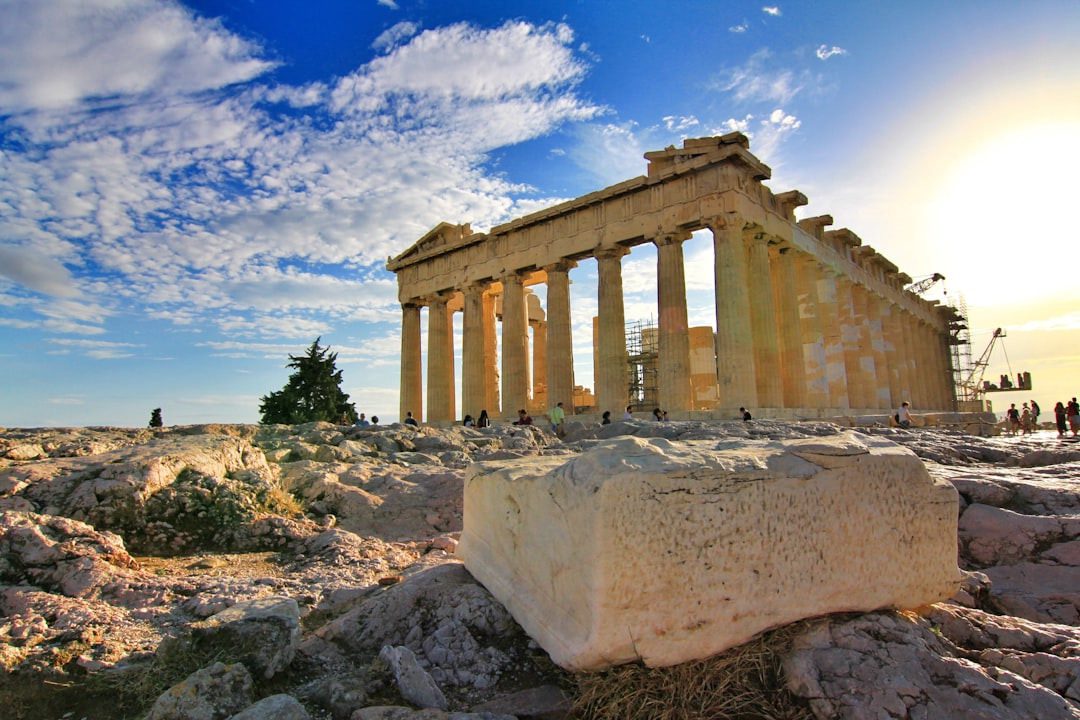
How it works today: Since September 2024, Greece applies a tiered property threshold: €800k in prime areas (Attica incl. Athens, central Thessaloniki, and many populated islands), €400k in other areas, plus €250k for specific cases such as commercial‑to‑residential conversions or restoration of listed buildings (with conditions). Short‑term rentals are restricted for qualifying properties, and a minimum 120m² single property rule applies in the main tiers.

Why it’s back‑pocket friendly: Once issued, you can reside when you want, and enjoy Schengen mobility for longer stints across much of continental Europe. Your original doc mentioned Greece as an under‑praised option, including bank deposits and lower‑cost restoration routes; the 2024–2025 tier update is the current overlay.

Portfolio fit: Mediterranean lifestyle + EU movement certainty; pair with a non‑EU hub (UAE/Thailand) for global balance.


6) Indonesia — Deposit/Investment‑Based Long Stays (Bali Included)

How it works (as framed in your source): A deposit placed with a state‑linked bank—the document cites approx US$129,000—could unlock a multi‑year residence that lets you live in Indonesia (incl. Bali) as desired. The core idea: a set‑and‑hold structure that keeps access as long as funds remain.

What’s changed (official Golden Visa): In 2023–2024, Indonesia formalized a Golden Visa with new thresholds: for non‑founder individual investors not establishing a company, US$350,000 placed in government bonds/public shares/deposits buys 5 years; US$700,000 buys 10 years. Founders who establish companies face higher investment floors (US$2.5m–US$5m). Benefits include simplified long‑stay rights and fewer renewals.

Portfolio fit: If Bali or Indonesian markets are in your life plan, this is your on‑demand key.


7) Panama — Friendly Nations (Company/Investment) or Deposit/Property

How it works now: The Friendly Nations route (for ~50 nationalities) commonly uses either a US$200,000 property purchase or a US$200,000 fixed‑term bank deposit to obtain a 2‑year provisional residence that can become permanent when you maintain the investment. There are other Panama categories too (e.g., Self‑Economic Solvency at US$300,000 mix of real estate/deposits).

Why it’s back‑pocket friendly: Dollarized economy, good air links, multiple paths to permanence, and a credible on‑ramp to naturalization if you actually reside later. Your original piece highlighted Panama’s flexibility (company route, deposits/property, pensionado) and the ability to “graduate” to permanence.

Portfolio fit: A Latin America anchor that’s pragmatic for entrepreneurs and investors.


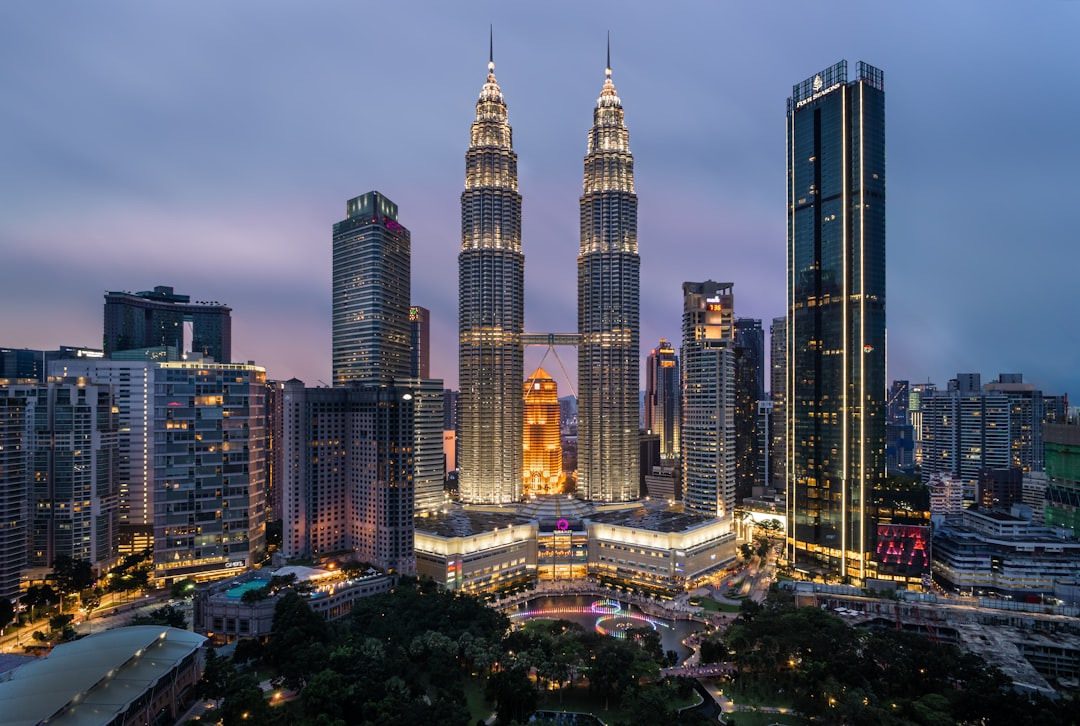
8) Malaysia — PVIP (Premium Visa Programme, 20‑Year Long Stay)

How it works: PVIP is a 20‑year (renewable) long‑term visa that allows participants to live, work, do business, and study in Malaysia with no minimum stay requirement. Core criteria include RM 1,000,000 fixed deposit (with partial withdrawal options after one year, subject to maintaining a floor), offshore income of RM 40,000/month, and a government participation fee (RM 200,000 principal; RM 100,000 per dependent). Dependents may include spouse, children, parents, and even a foreign domestic helper.

Why it’s back‑pocket friendly: Ultra‑light presence (explicitly no minimum stay), very long validity, and broad activity permissions. An elegant way to keep Southeast Asia on permanent standby.

Portfolio fit: A long‑duration Asia option that complements Thailand/Indonesia but with a work‑invest‑study allowance baked‑in.


9) Mauritius — Residence by Property Investment (US$375k+)

How it works (official framework): Foreigners who purchase qualifying property under schemes such as IRS/RES/PDS/SCS (or an approved condominium) at ≥ US$375,000 are eligible for a residence permit for as long as they own the property (application via the Economic Development Board).

Why it’s back‑pocket friendly: Once granted, the residency is tied to ownership, not annual presence. You gain a stable, English‑French bilingual base with strong lifestyle and tax appeal, ready for slow seasons or a permanent shift later.

Portfolio fit: A safe‑harbor island in the Indian Ocean—pair it with an EU or Gulf hub for a truly global spread.


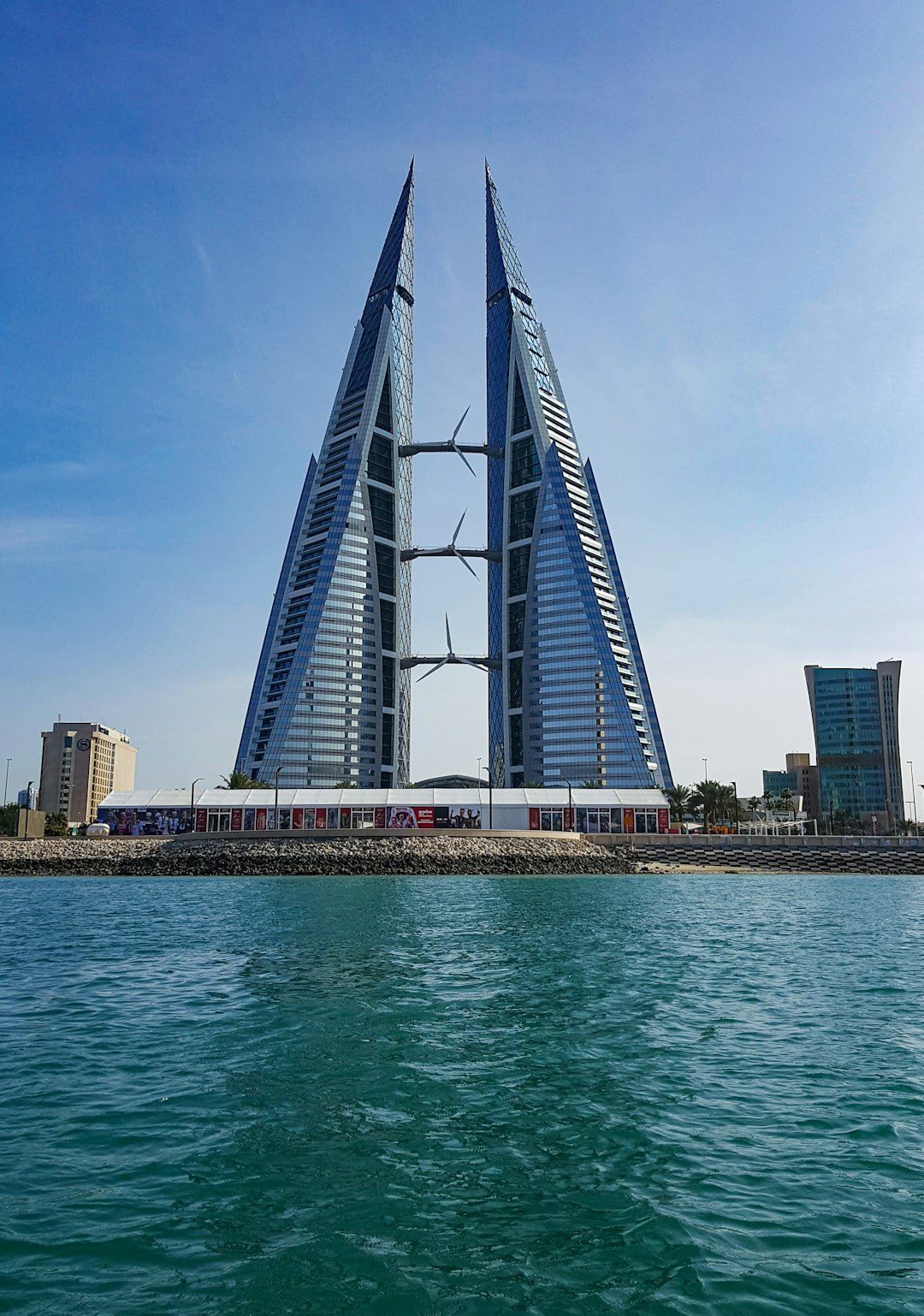
10) Bahrain — Golden Residency (Long‑Term Stay in a Gulf “Small Big” Hub)

How it works: Bahrain’s Golden Residency offers permanent‑style residency (with family inclusion) for profiles such as professionals, retirees, property investors, and high‑talent individuals. Applications and management run through official government portals; criteria include income, property, or other qualifying ties (exact pathways and thresholds are set out within the government’s Golden Residency ecosystem).

Why it’s back‑pocket friendly: A strategically placed, English‑friendly GCC hub that’s often lower‑friction than bigger neighbors yet plugged into the same regional opportunity set. Consider it a companion Gulf card alongside (or instead of) UAE.


Taxes, presence, and “not a trap” reminders

  • Residency ≠ tax residency by default. Unless you meet presence/ties, a back‑pocket card typically doesn’t move your tax home. The U.S. remains the big exception (citizens & green‑card holders taxed on worldwide income).
  • Presence rules differ. Company‑linked visas sometimes require check‑ins (e.g., every 180 days in certain setups). Deposit/property routes generally mean fewer touchpoints. As the original text put it: the more you invest, the more flexibility you buy.
  • Policy moves happen. From Malaysia to Panama and across Europe, thresholds and categories have shifted in recent years—another reason to lock in the decade‑long or 20‑year cards when the terms make sense.


Snapshot table (indicative; re‑verify before applying)

Country Typical Mechanism Headline Amount (as referenced) Presence/Notes
UAE Bank deposit → 10‑yr Golden Visa AED 2,000,000 (≈US$545k) Low admin; family eligible; strong hub. 3
Portugal €500k fund (post‑real‑estate) €500,000 (fund) Low presence; citizenship path under debate. 45
Thailand Thai Privilege 5‑yr membership THB 650,000 (Bronze) Easiest Asia access; lifestyle perks. 6
Mexico Income/savings (by consulate) e.g., US$4,078/mo or US$67,967 savings (Calexico example) Requirements vary by consulate. 89
Greece Property (tiered) €800k, €400k, or €250k (special cases) Schengen; conversion/restoration routes exist. 10
Indonesia Golden Visa (non‑founder) US$350k (5y) / US$700k (10y) Bali included; earlier deposit pathways exist in practice. 121
Panama Friendly Nations (property/deposit) US$200k (prop or bank FD) 2y provisional → permanent; dollarized. 14
Malaysia PVIP 20‑year long stay RM 1,000,000 FD + RM 40,000/mo income + fees No minimum stay; can work/do business. 16
Mauritius Property (IRS/RES/PDS/SCS/condo) US$375,000+ Residency valid while you own the asset. 18
Bahrain Golden Residency (various criteria) Income/property criteria per category Government e‑portal process; Gulf alternative. 19

The amounts above are indicative and often category‑specific. Always confirm the current statute and implementing regulations when you’re ready to apply.

More From This Category

The Premium Cabin Revolution

The Premium Cabin Revolution

There is a moment, boarding a long-haul flight in business class for the first time, when something fundamental shifts in your understanding of what air travel can be. The cabin is quiet. The seats are wide. A crew member takes your jacket and offers you a drink before the doors have even closed. You lower yourself into a seat that reclines, flat, into a bed.

read more
The Premium Cabin Revolution

The Premium Cabin Revolution

There is a moment, boarding a long-haul flight in business class for the first time, when something fundamental shifts in your understanding of what air travel can be. The cabin is quiet. The seats are wide. A crew member takes your jacket and offers you a drink before the doors have even closed. You lower yourself into a seat that reclines, flat, into a bed.

read more
The Premium Cabin Revolution

The Premium Cabin Revolution

There is a moment, boarding a long-haul flight in business class for the first time, when something fundamental shifts in your understanding of what air travel can be. The cabin is quiet. The seats are wide. A crew member takes your jacket and offers you a drink before the doors have even closed. You lower yourself into a seat that reclines, flat, into a bed.

read more

Comments

Our Newsletter

Beyond Airbnb

Beyond Airbnb

Beyond Airbnb

The vacation rental landscape has dramatically evolved beyond Airbnb’s dominance. In 2025, numerous alternatives offer better prices, unique features, and specialized services. Vrbo stands as the strongest competitor, focusing exclusively on entire homes perfect for families and groups, while Booking.com has expanded from hotels to include over 28 million listings including apartments and vacation rentals NerdWallet

Top Alternatives to Consider:

Vrbo (Vacation Rentals by Owner) leads as the best overall alternative, featuring over 2 million properties worldwide with a loyalty program called One Key that lets you accumulate points and receive One Key Cash on your first stay. Unlike Airbnb, Vrbo focuses solely on entire properties, making it ideal for families seeking privacy LOCALS Insider

Vacasa takes a different approach as both a booking platform and full-service vacation rental management company, offering over 40,000 professionally managed properties with rigorous inspections and strict cleaning protocols. This ensures consistent quality and local expertise Best Vacation Rental Apps for 2025: From Airbnb to Luxury StayOne Degree

Plum Guide caters to luxury travelers with a curated collection of properties that undergo strict vetting – only accepting the top-tier homes that meet high standards in design, comfort, and experience. Each property is personally vetted by hospitality experts

Budget-Conscious Options:

HomeToGo operates as a search aggregator, comparing over 17 million accommodations from hundreds of providers including Airbnb, Booking.com, and TripAdvisor, virtually guaranteeing the best price for budget travelers 20 Airbnb Alternatives: Best Sites Like Airbnb in 2025

Hipcamp specializes in outdoor accommodations, offering everything from tent camping to glamping venues and RV rentals. Users can earn “Hipcash” through recommendations for future bookings Best Vacation Rental Apps for 2025: From Airbnb to Luxury StayOne Degree

Luxury and Specialty Platforms:

Stay One Degree targets ultra-luxury travel, offering access to the finest 1% of holiday homes globally through a verified community ensuring trust, privacy, and exceptional quality. Their portfolio includes over 4,000 curated homes in 70 countries, vetted through a 300-point quality checklist

Money-Saving Tips:

  • Compare prices across multiple platforms before booking
  • Look for platforms with favorable cancellation policies – Vrbo and Booking.com often offer more flexibility than Airbnb 25 Apps Like Airbnb – Top Airbnb Alternatives for 2025
    • Consider loyalty programs for frequent travelers
    • Book directly through hotel chains for potential upgrades and perks
    • Use aggregators like HomeToGo to ensure you’re getting the best deal

    Platform-Specific Benefits:

    • Booking.com: Often includes free cancellation and “book now, pay later” options
    • Vrbo: Child-inclusive pricing on many properties
    • Vacasa: 24/7 local support and guaranteed quality standards
    • Plum Guide: Exclusive access to unique, high-quality properties

    The key to finding the perfect accommodation in 2025 is diversifying your search beyond Airbnb and matching the platform to your specific needs, whether that’s budget travel, luxury experiences, or family-friendly entire homes.


More From This Category

The Premium Cabin Revolution

The Premium Cabin Revolution

There is a moment, boarding a long-haul flight in business class for the first time, when something fundamental shifts in your understanding of what air travel can be. The cabin is quiet. The seats are wide. A crew member takes your jacket and offers you a drink before the doors have even closed. You lower yourself into a seat that reclines, flat, into a bed.

read more
The Premium Cabin Revolution

The Premium Cabin Revolution

There is a moment, boarding a long-haul flight in business class for the first time, when something fundamental shifts in your understanding of what air travel can be. The cabin is quiet. The seats are wide. A crew member takes your jacket and offers you a drink before the doors have even closed. You lower yourself into a seat that reclines, flat, into a bed.

read more
The Premium Cabin Revolution

The Premium Cabin Revolution

There is a moment, boarding a long-haul flight in business class for the first time, when something fundamental shifts in your understanding of what air travel can be. The cabin is quiet. The seats are wide. A crew member takes your jacket and offers you a drink before the doors have even closed. You lower yourself into a seat that reclines, flat, into a bed.

read more

Comments

Our Newsletter